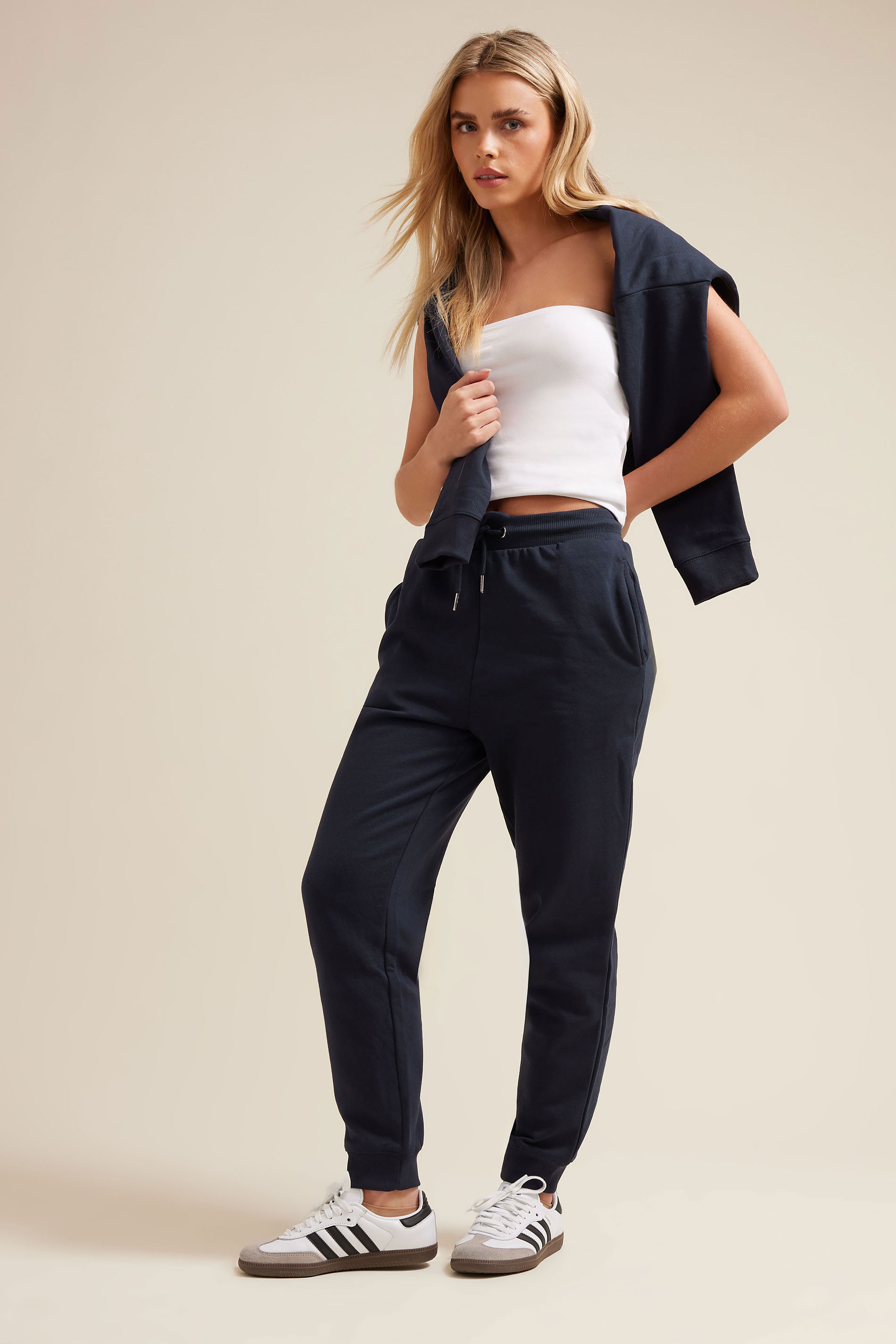
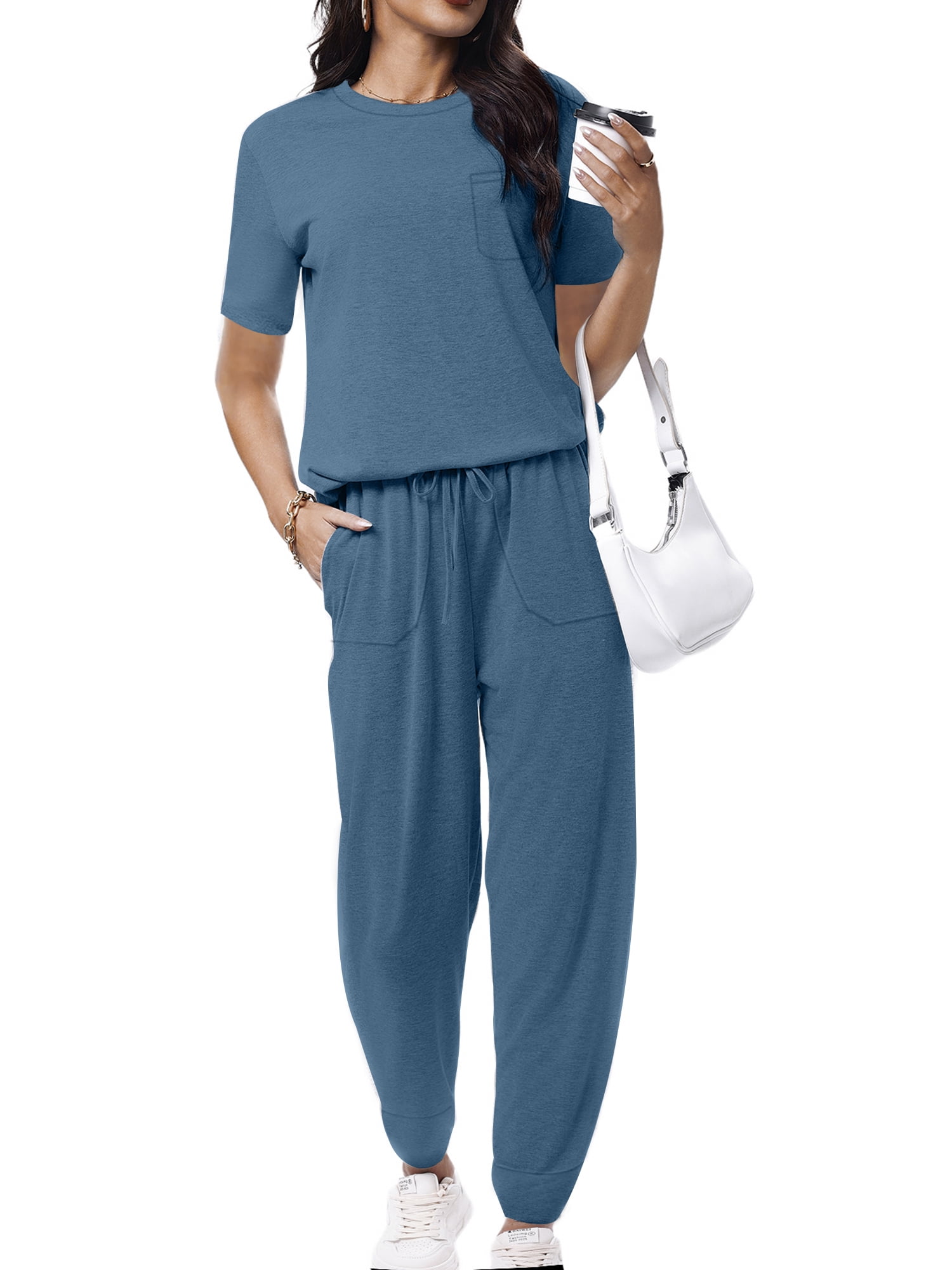
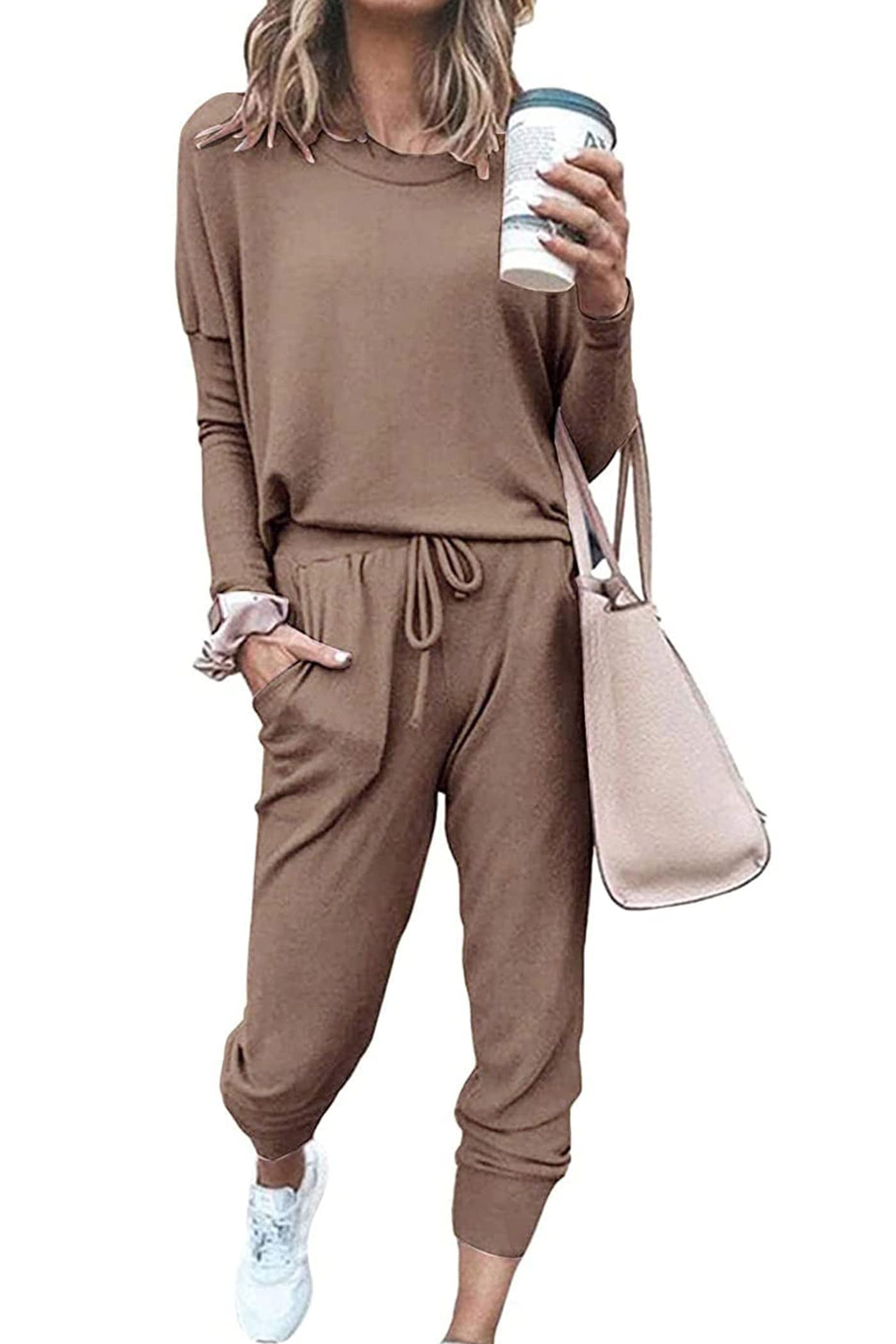
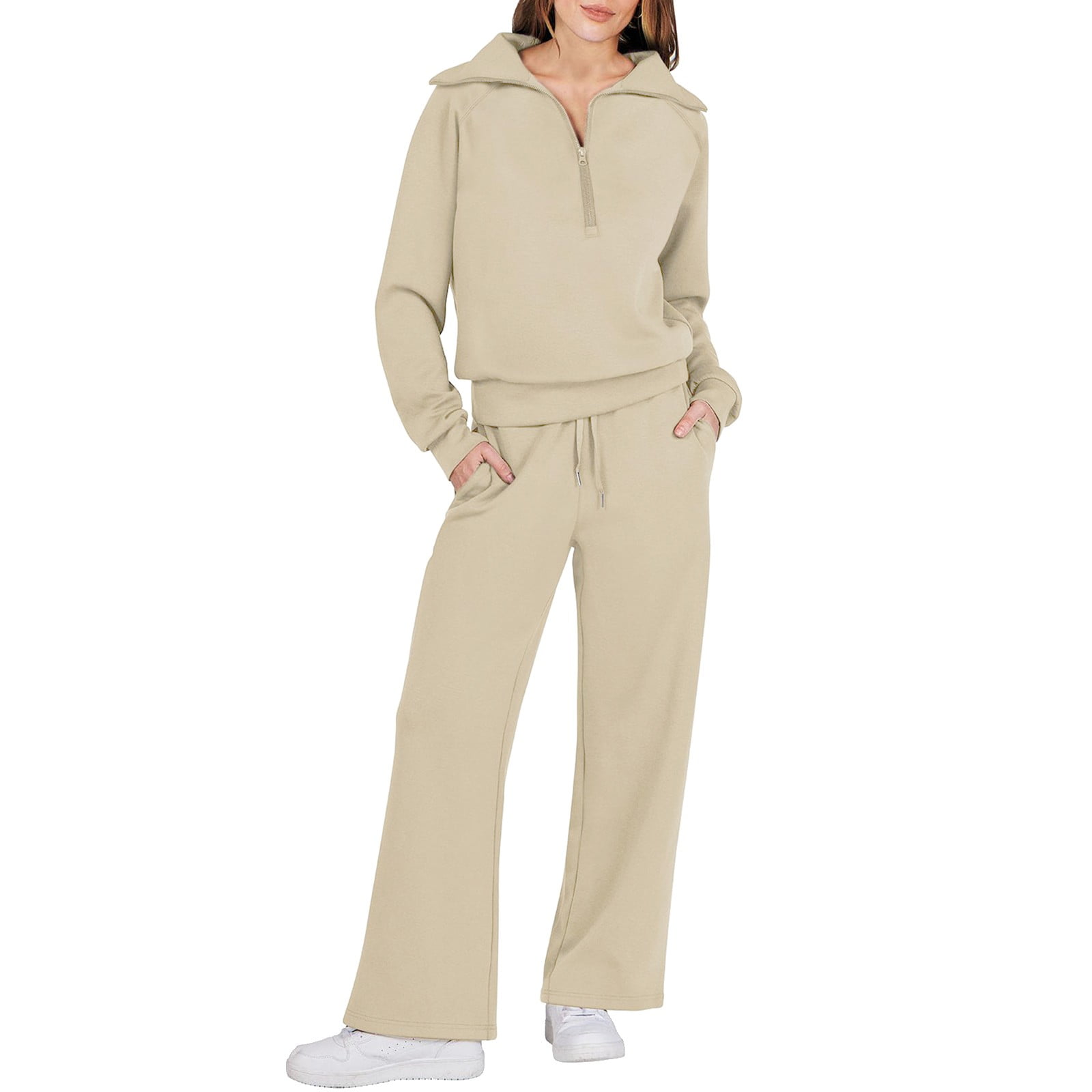
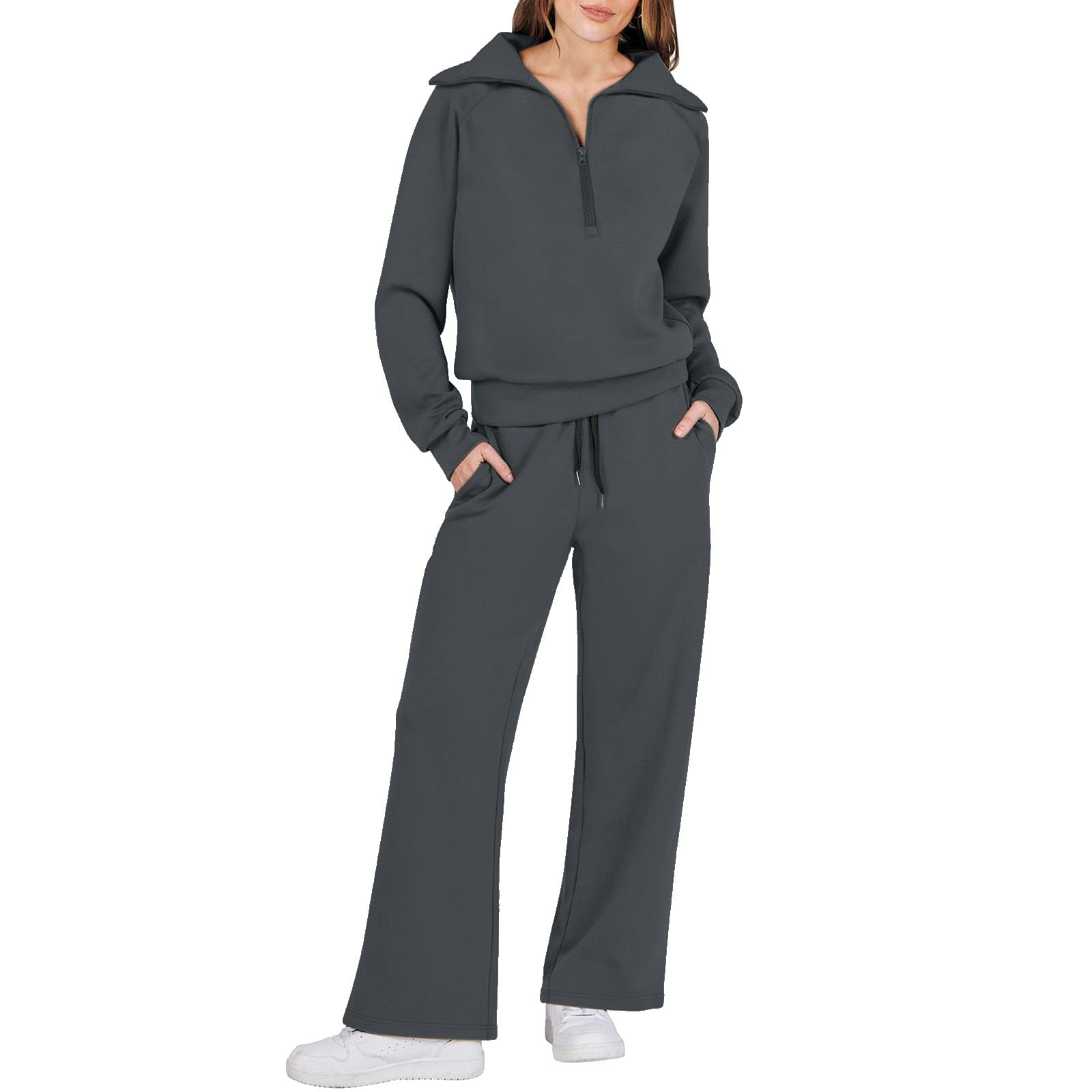
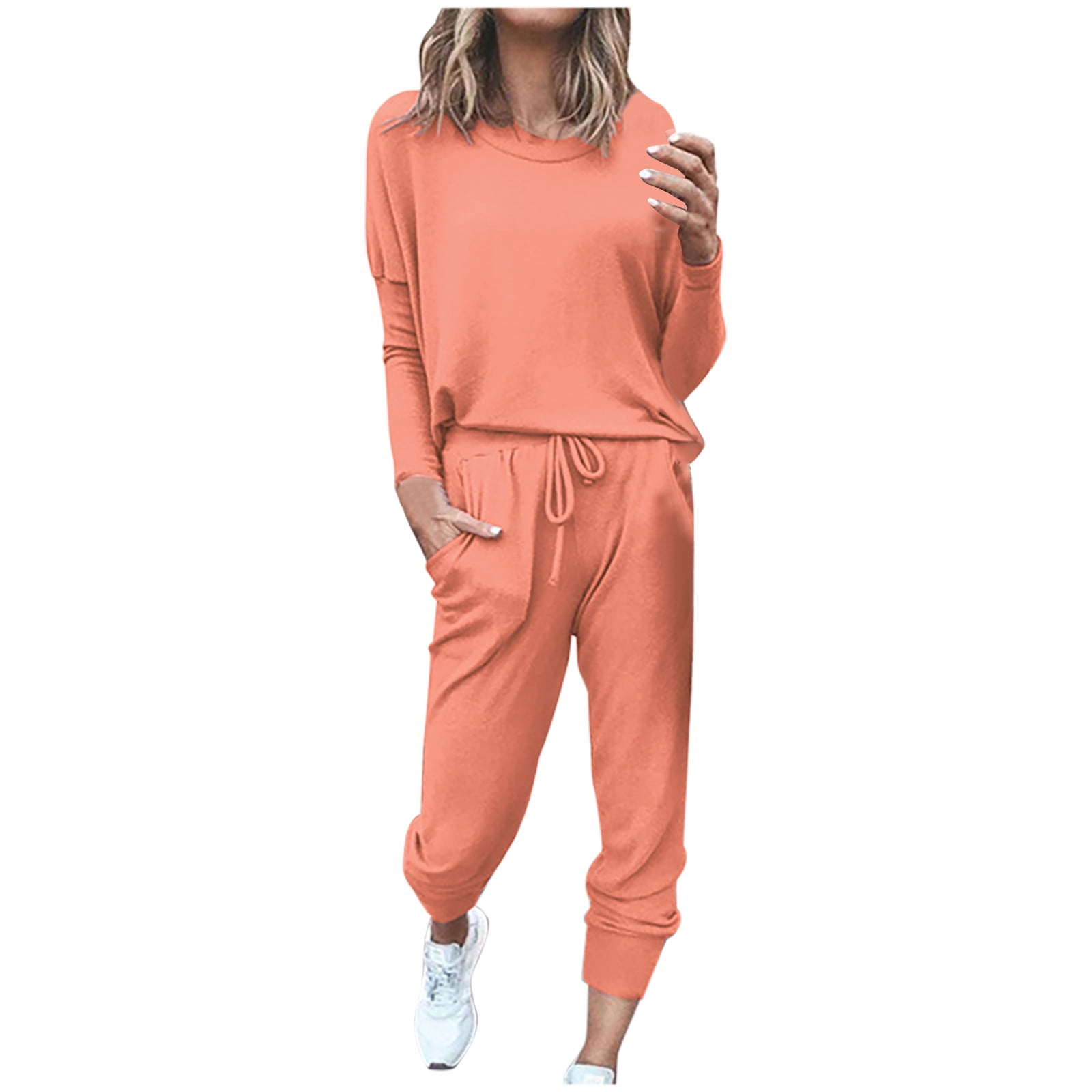
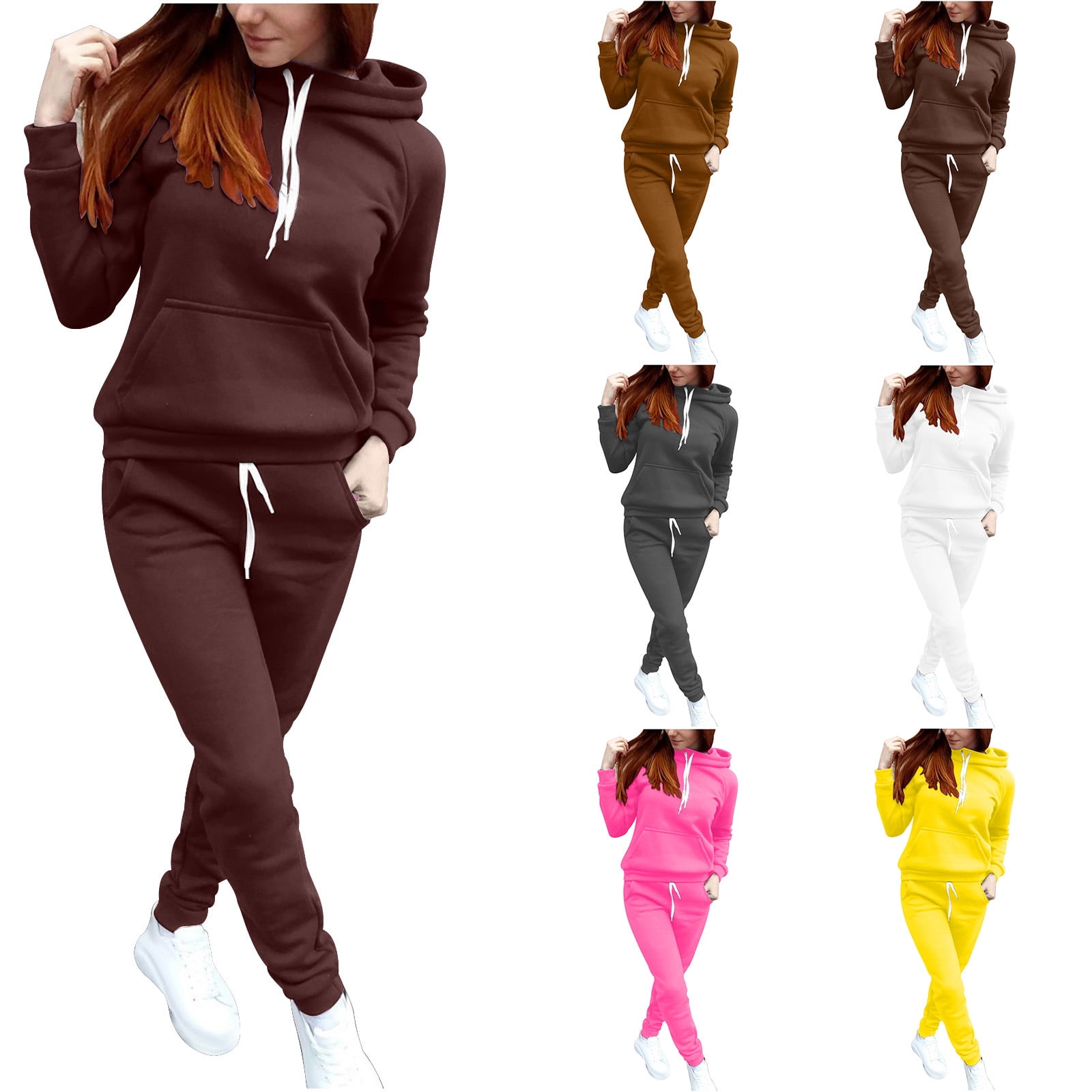
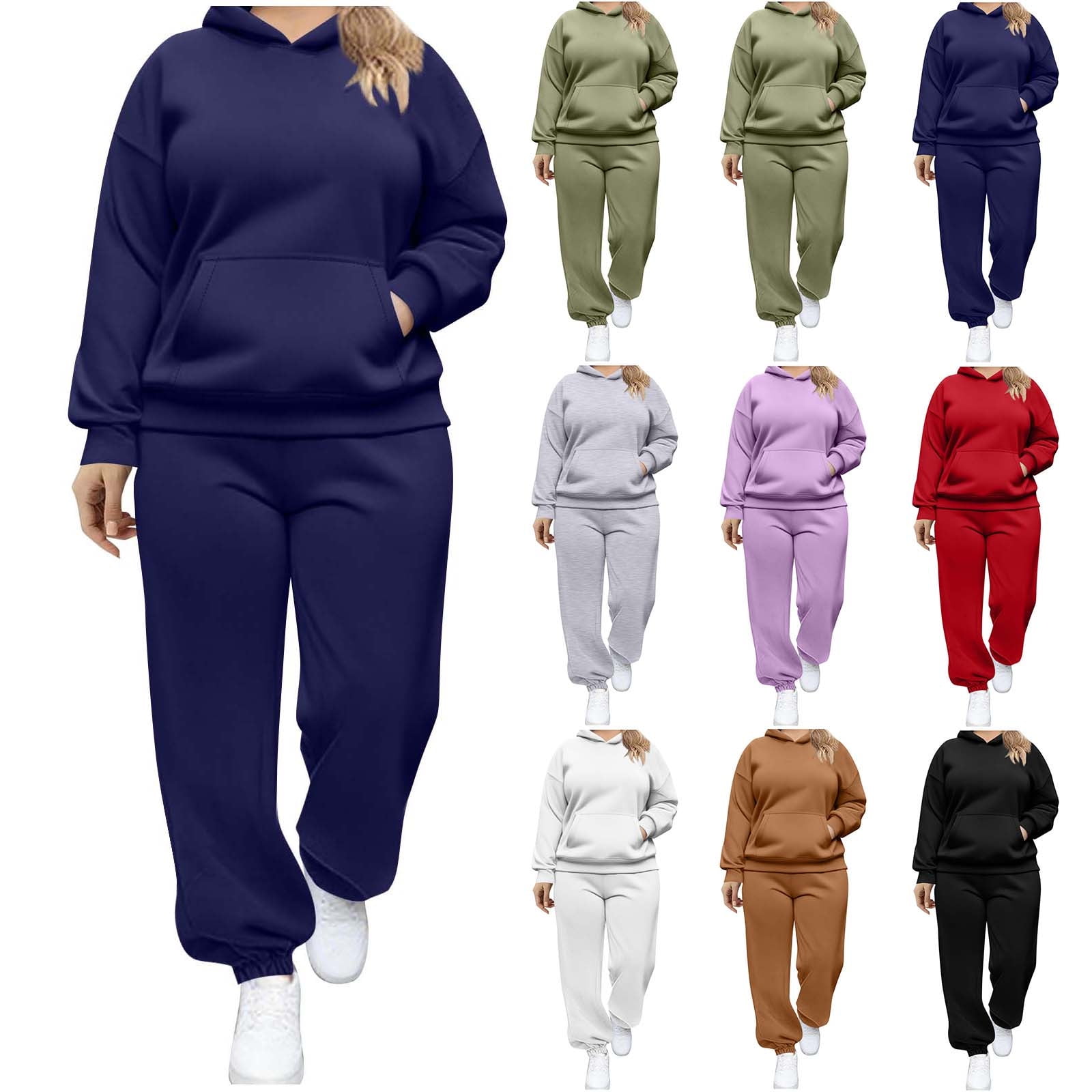
Women’s petite jogger sets are coordinated loungewear ensembles tailored specifically for individuals 5'4" (162 cm) and under. Unlike standard sets with shortened hems, true petite jogger sets recalculate rise height, knee break placement, torso length, and sleeve proportions. This guide covers anatomical fit mechanics, fabric weights, measurement steps, and styling techniques to help you choose perfectly proportioned sets.
Demystifying Petite Sizing in Matching Loungewear
In apparel design, petite sizing is defined by vertical height rather than body mass or weight. Standard garment sizing targets women between 5'5" and 5'7", using grading tables that assume longer limbs and extended torsos. When standard garments are produced, every dimension—from shoulder width to ankle opening—expands or contracts based on horizontal girth, leaving vertical proportions largely unchanged.
A common mistake is assuming that petite jogger sets are merely regular sets scaled down in size or cut short at the hem. Hemming a standard jogger pant removes fabric from the bottom, but it leaves the knee placement too low, the crotch depth too long, and the hip curve positioned awkwardly below the natural hip.
Proper petite garment construction scales pattern blueprints across multiple key points:
- Inseam Length: Reduced from the standard 28–31 inches down to 24–27 inches to prevent pooling around the ankles.
- Rise and Crotch Depth: Scaled down by 0.75 to 1.5 inches so the waistband sits at the natural waist without excess fabric sagging at the groin.
- Knee Break Location: Raised upward along the inseam so the gradual leg taper aligns accurately with the anatomical knee.
- Torso Length: Shortened by 1 to 2 inches to keep sweatshirts, hoodies, and pullovers from drowning the upper body.
- Sleeve and Scye (Armhole) Depth: Sleeve lengths are trimmed while armhole positions are raised to prevent fabric bunching under the arms.
Understanding these structural differences ensures that a matching jogger set flatters a petite frame, preserving both comfort and visual proportion.
Key Anatomical Adjustments: Why Standard Sets Fail Petite Frames
When a petite individual wears a standard-sized jogger set, several anatomical misalignments occur. Recognizing these issues helps in evaluating how a set fits before making a purchase.
| Standard Fit on Petite Frame | Petite Designed Fit |
|---|---|
| Crotch sags (Excess rise) | Fitted crotch & natural waistline |
| Knee break sits at calf | Knee break aligns with anatomical knee |
| Fabric pools at ankles | Clean hem/cuff flush at ankle bone |
| Low armhole restricts movement | Scaled armhole allows full mobility |
| Long torso hides waistline | Proportional torso defines silhouette |
The Crotch Sag and Waistband Shift
Standard joggers often have a front rise of 11 to 13 inches designed for longer torsos. On a petite frame, pulling this waistband up to the natural waist creates a sagging crotch area with bunching fabric along the inner thighs. Conversely, pulling the pants down so the crotch fits comfortably causes the waistband to sit far below the hips, altering the intended design and shortening the leg line visually.
The Knee Break Misalignment
Joggers are engineered with a subtle taper that narrows from the mid-thigh through the knee down to the ankle cuff. Standard patterns place this taper point for a longer femur length. On a shorter leg, the widest part of the knee taper sits around the upper calf. This misalignment creates horizontal drag lines across the shins and unwanted fabric volume above the ankle cuff, often referred to as the "accordion effect."
Oversized Top Disproportion
The trend toward relaxed and oversized silhouettes poses unique challenges for petite sizing. An oversized sweatshirt designed for standard height often features dropped shoulders that fall near the mid-bicep, along with extra torso length that extends past the hips. On a petite body, this hides the natural waistline completely, creating a boxy appearance that visually reduces overall height. Petite-specific oversized tops maintain a spacious feel through the chest and back while pulling back on total length and sleeve volume to preserve balance.
Fabric Formulations, Weight, and Visual Drape
The choice of textile fundamentally alters how a jogger set hangs on the body. Heavy, stiff fabrics can create rigid volume that overwhelms smaller frames, whereas lightweight, fluid knits drape close to the skin to maintain a streamlined appearance.
Fabric Weight Comparison for Petite Loungewear
| Fabric Type | Weight (GSM) | Drape & Structural Behavior |
|---|---|---|
| Heavyweight Fleece | 320 – 400+ GSM | High structure, low drape; adds volume |
| Midweight Terry | 240 – 300 GSM | Moderate structure; holds shape well |
| Lightweight Modal | 170 – 230 GSM | High drape, low structure; skims body |
| Ribbed Knit | 200 – 280 GSM | Vertical texture; close body-skimming |
Grams per Square Meter (GSM) Considerations
Fabric weight is measured in Grams per Square Meter (GSM).
- Heavyweight Fleece (320–400+ GSM): Provides warmth and high structural durability. However, thick fleece can add bulk around the waist seam and ankle cuffs. Petite wearers should opt for structured, tailored fleece cuts rather than ultra-dilated baggy patterns in this weight class.
- French Terry (240–300 GSM): Features a smooth outer surface and textured loop backing. Midweight French Terry balances structure and drape, making it one of the most versatile fabrics for year-round petite sets. It maintains its shape without adding excess bulk at the seams.
- Modal, Bamboo, and Rayon Blends (170–230 GSM): Exceptional drape and soft hand-feel characterize these fine-knit options. The fabric falls vertically under its own weight, creating fluid motion that elongates the frame.
- Ribbed Knits and Waffle Weaves: Fine or wide ribbing introduces vertical linear patterns into the fabric structure. These subtle vertical lines draw the eye upward and downward, visually lengthening the body.
Petite Jogger Set Specification Matrix
To choose the right silhouette based on body proportions and intended use, refer to the following structural breakdown:
| Set Style | Inseam Range | Rise Height | Ideal Torso/Leg Ratio | Target Fabric Weight | Silhouette Impact |
|---|---|---|---|---|---|
| Cropped Hoodie & High-Rise Cuffed Set | 24.0" – 25.5" | High (10.0" – 11.0") | Short Torso / Long Legs | 260–320 GSM French Terry | Lengthens the lower body by establishing a high waist line. |
| Classic Crewneck & Tapered Set | 25.0" – 26.5" | Mid-to-High (9.5" – 10.5") | Balanced Proportions | 280–350 GSM Cotton Fleece | Creates a clean, timeless silhouette without excessive volume. |
| Relaxed Pullover & Wide-Leg Set | 25.5" – 27.0" | High (10.5" – 11.5") | Long Torso / Short Legs | 190–240 GSM Modal Blend | Fluid vertical drape elongates the body when hemmed to shoe top. |
| Fitted Ribbed Top & Straight-Leg Set | 24.5" – 26.0" | Mid (9.0" – 10.0") | Petite Athletic / Fine Frame | 210–270 GSM Ribbed Knit | Skims the body closely; ideal for layering under tailored coats. |
| Zip Jacket & Cuffed Technical Set | 24.0" – 25.0" | Mid-to-High (9.5" – 10.5") | Petite Curvy / Hourglass | 230–290 GSM Nylon/Spandex | Holds firm shape with active stretch; defines natural curves. |
How to Measure for a Petite Jogger Set
Accurate body measurements prevent fit errors when shopping across different brands and sizing charts. Use a flexible fabric measuring tape while standing naturally in flat feet or bare feet.
Key Measurement Points:
- (A) Bust/Chest: Around fullest part of chest
- (B) Natural Waist: Narrowest torso point (above navel)
- (C) Hip: Fullest part of seat/hips
- (D) Front Rise: Crotch seam up to waistband point
- (E) Inseam: Crotch seam down to bottom of ankle bone
Step 1: Determine Your Ideal Inseam
- Stand against a wall with your feet hip-width apart.
- Measure from the highest point of your inner thigh (the crotch intersection) straight down to the center of your ankle bone.
- For Cuffed Joggers: The finished inseam should hit directly at or just above the ankle bone (typically 24 to 25.5 inches).
- For Open-Hem or Straight-Leg Styles: The inseam can extend 1 to 1.5 inches longer (26 to 27 inches) so the hem skims the top of your footwear without dragging on the ground.
Step 2: Calculate Preferred Front and Back Rise
- Measure from your crotch seam upward along the front of your body to the exact spot where you prefer your waistband to sit (e.g., at the belly button for high-rise, or 2 inches below for mid-rise).
- Compare this measurement against product dimension charts. A petite high-rise typically measures between 9.5 and 10.5 inches, whereas a standard high-rise often exceeds 11.5 inches.
Step 3: Measure Torso and Sleeve Proportions
- Torso Length: Measure from the base of your neck (where the neck meets the shoulder) down to your hip bone. Tops measuring 18 to 21 inches generally align well with petite torso lengths.
- Sleeve Length: Measure from the prominent bone at the back center of your neck, across the tip of your shoulder, and down to your wrist bone. Petite sleeve lengths typically measure between 28 and 30 inches from center back.
Styling Strategies for Petite Profiles
Styling a matching jogger set involves managing lines and proportions to present a cohesive look.
Proportion Strategy: The Rule of Thirds
- 1/3 TOP: Cropped/Tucked Top Hem
- 2/3 BOTTOM: High-Waisted Joggers
Applying the Rule of Thirds
The "Rule of Thirds" in fashion dictates dividing the body visually into a 1:2 ratio rather than splitting it down the middle (1:1).
- The 1/3 Upper Body Ratio: Achieve this by choosing a slightly cropped sweatshirt, tucking a French terry pullover into the waistband, or using an internal drawstring to roll the hem inward.
- The 2/3 Lower Body Ratio: High-rise bottoms that extend uninterrupted from the narrow waist down to the ankle maximize the visual leg line.
Monochromatic Color Continuity
Matching sets inherently create a single continuous block of color from head to toe. This unbroken line prevents visual breaks that cut the body into distinct sections.
- Select neutral tones like oatmeal, slate, cream, deep navy, or charcoal for versatile, elevated wear.
- When adding accessories, keep footwear in a similar tonal range to avoid abrupt visual stops at the ankles.
Strategic Outerwear Layering
When layering over a petite jogger set, coat length plays a key role in silhouette balance:
- Tailored Full-Length Coats: A structured trench coat or straight wool coat that reaches the mid-calf creates long vertical lines along the sides of the body, adding visual height.
- Cropped Outerwear: Jackets that end exactly at the jogger's waistband (such as tailored denim, leather, or bomber jackets) emphasize the waist without breaking up the lower-body leg line.
- Avoid Mid-Thigh Lengths: Jackets that terminate directly across the mid-thigh split the legs in half, making limbs appear shorter.
Frequently Asked Questions
What inseam length is considered petite for women's joggers?
Petite inseam lengths for joggers generally range between 24 and 27 inches. Ankle-cuffed styles typically feature a 24- to 25.5-inch inseam to rest neatly above the shoe line, while open-hem or wide-leg jogger styles extend to 26 or 27 inches to allow for footwear coverage without touching the floor.
How does petite sizing differ from short sizing in jogger pants?
"Short" sizing usually refers only to an abbreviated inseam length cut from a standard pattern. "Petite" sizing is a comprehensive pattern recalibration that adjusts the front and back rise depth, knee-break height, hip curve curvature, scye depth (armhole), torso length, and sleeve lengths to fit a shorter overall skeleton.
Can petite women wear oversized jogger sets without looking shorter?
Yes, petite women can wear oversized sets by choosing designs specifically scaled for petite proportions. Look for tops with controlled drop shoulders, shorter overall torso lengths, and banded hems that can be tucked or folded. Pair oversized tops with streamlined or high-waisted bottoms to keep the lower half defined.
How should you wash petite jogger sets to prevent shrinkage in length?
Wash jogger sets in cold water on a gentle cycle using a mild detergent. Air drying or laying the garments flat to dry prevents heat-induced fiber contraction. If tumble drying is necessary, use the lowest heat setting and remove garments while slightly damp to preserve both seam construction and inseam length.
What shoes work best with petite cuffed joggers?
Low-profile sneakers, minimalist retro runners, and slim slip-ons pair exceptionally well with cuffed joggers because they leave a subtle gap at the ankle bone. For wide-leg loungewear styles, platform sneakers or low-profile leather loafers provide clean vertical alignment without causing the hem to drag.
Curating a Long-Lasting Petite Loungewear Collection
Building a reliable wardrobe of petite jogger sets requires evaluating build quality, material composition, and fit versatility. Prioritizing well-constructed core pieces ensures your loungewear maintains its shape and appearance over time.
- Focus on Fabric Composition: Look for high-density natural fibers blended with small amounts of elastane or spandex (typically 3% to 7%). This combination ensures natural breathability, soft hand-feel, and reliable shape retention that prevents sagging at the knees and seat.
- Inspect Banding and Cuffs: Examine the elastic and ribbing at the waist, wrists, and ankles. High-quality ribbed cuffs should feel firm and snap back into place easily, keeping sleeve and pant hems positioned accurately without slipping down over time.
- Build Around Neutral Color Bases: Standardize your core loungewear collection around versatile tones such as melange gray, soft taupe, dark olive, and washed black. These shades mix effortlessly with denim, tailored outerwear, and modern footwear, allowing you to transition your jogger sets from casual home wear to elevated everyday outfits.