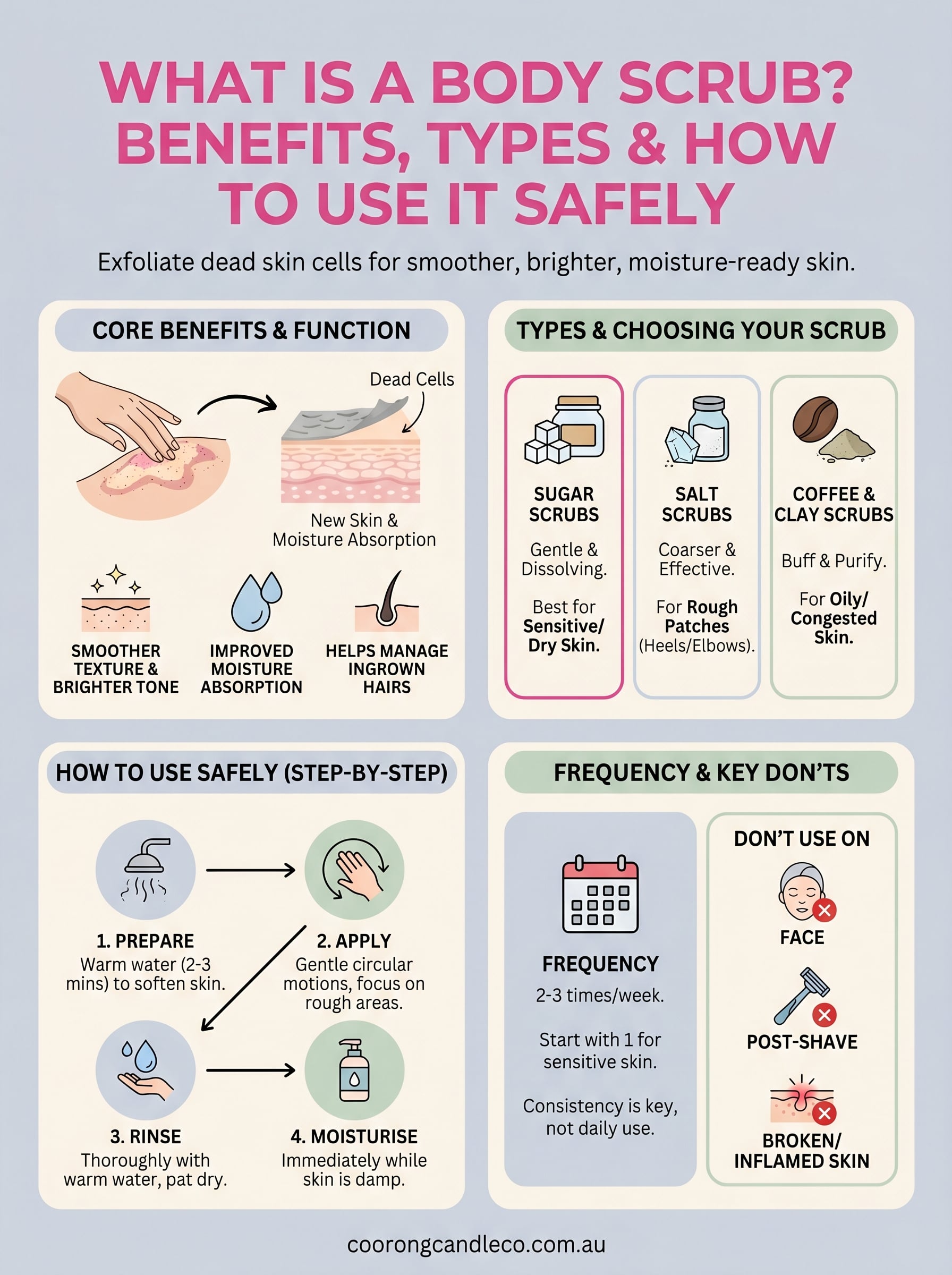
Body scrubs are targeted exfoliants designed to slough off dead skin cells from the stratum corneum, promoting smoother skin texture, boosting cellular turnover, and enhancing moisture absorption. Available in physical granule and chemical acid formulations, applying the right scrub one to three times weekly prevents ingrown hairs, brightens skin tone, and protects overall barrier health.
The Science of Exfoliation: How Body Scrubs Work
The skin is a dynamic organ that continuously undergoes a self-renewal process known as desquamation. During this cycle, new keratinocytes are formed in the deepest layer of the epidermis (the stratum basale) and migrate upward toward the outermost layer (the stratum corneum). As these cells travel outward, they mature, lose their nuclei, and transform into flat, hardened dead cells called corneocytes. Under healthy conditions, the skin sheds roughly 30,000 to 40,000 dead cells every minute, completing a full renewal cycle every 28 to 40 days.
However, intrinsic and extrinsic factors can disrupt natural desquamation. Age, hormonal fluctuations, environmental pollutants, UV exposure, and dry indoor climates slow cell turnover. When dead skin cells fail to shed efficiently, they pool on the surface of the skin. This accumulation leads to hyperkeratosis, resulting in a rough, uneven texture, clogged pores, dry patches, and a dull appearance.
Body scrubs intervene in this process through physical or chemical exfoliation. Physical body scrubs utilize mechanical granules to manually frictionize and dislodge loose corneocytes from the skin surface. Chemical exfoliants work by breaking down the lipophilic inter-cellular desmosomes—the biochemical "glue" that binds dead cells together. By releasing these surface cells, body scrubs reveal the fresher, healthier epidermal tissue underneath and signal the deeper epidermal layers to accelerate fresh cell production.
Key Health and Aesthetic Benefits of Body Scrubs for Women
Incorporating a body scrub into a regular body care routine delivers both structural and visual improvements to the skin. While often viewed as a cosmetic luxury, body exfoliation offers functional dermatological benefits.
Accelerated Cellular Turnover and Texture Refinement
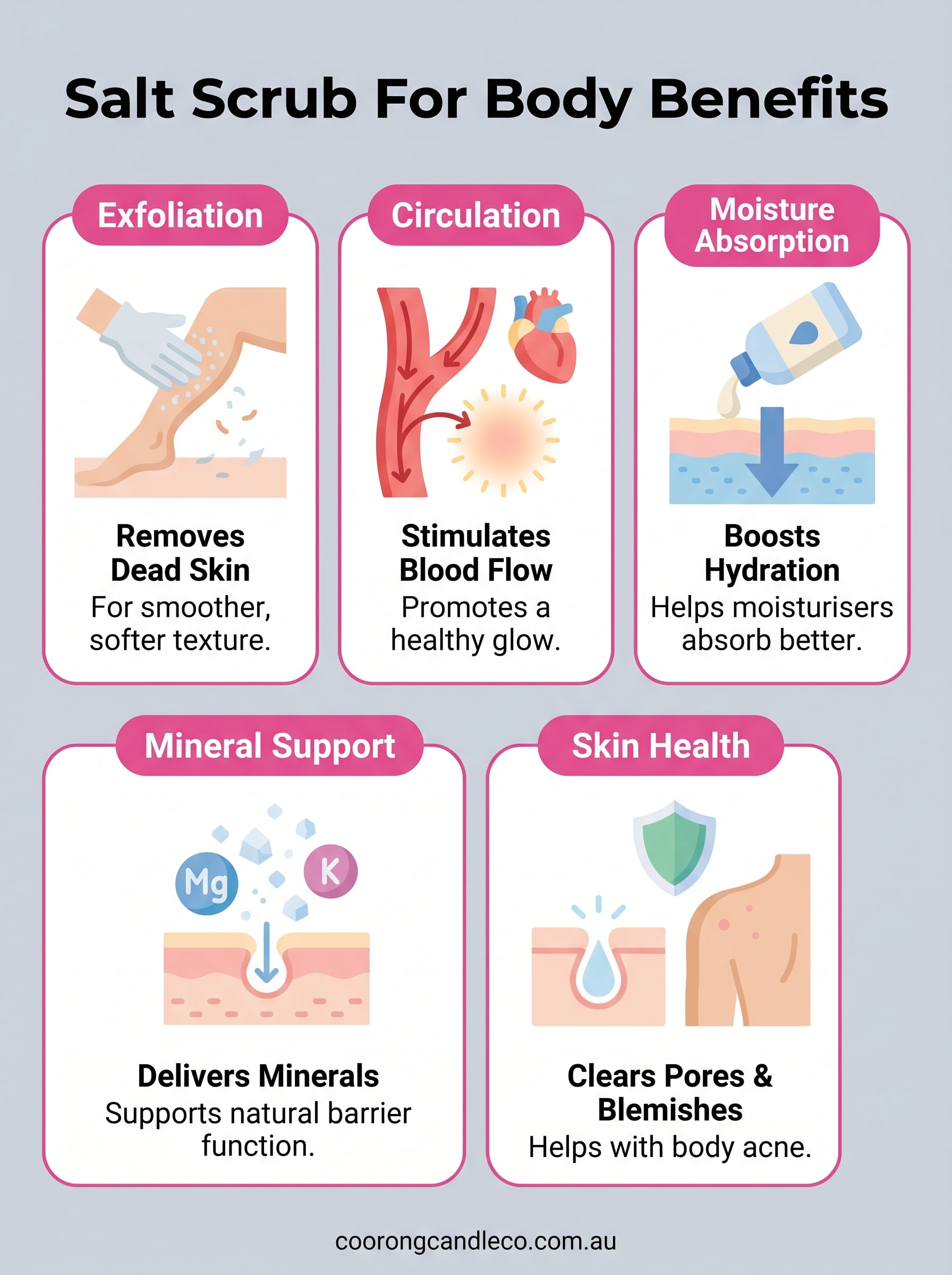
Regular exfoliation removes the barrier of accumulated keratinized cells that cause rough patches on elbows, knees, heels, and arms. By encouraging rapid cell replacement, body scrubs smooth out tactile irregularities, resulting in skin that feels softer and appears more radiant.
Prevention and Management of Ingrown Hairs
Hair removal methods such as shaving, waxing, or epilation can lead to ingrown hairs if growing hair shafts become trapped beneath dead surface skin. Exfoliating prior to hair removal clears away dead tissue around hair follicles, allowing hair to grow outward without obstruction. This significantly reduces follicle inflammation, red bumps, and post-inflammatory hyperpigmentation.
Relief for Keratosis Pilaris ("Strawberry Legs")
Keratosis pilaris is a common, benign follicular condition characterized by small, hard bumps caused by excess keratin buildup in hair pores. Gentle, consistent exfoliation—particularly with chemical ingredients like lactic or salicylic acid combined with soft physical polishers—dissolves these keratin plugs, significantly smoothing the texture of the upper arms, thighs, and buttocks.
Enhanced Transdermal Absorption of Topical Skincare
Layering rich lotions, body oils, or body serums over a thick layer of dead skin cells hinders ingredient penetration. By removing this barrier, body scrubs allow active moisturizing agents—such as hyaluronic acid, ceramides, shea butter, and essential fatty acids—to penetrate deeper into the viable epidermis, resulting in long-lasting hydration.
Microcirculation and Lymphatic Support
The mechanical action of massaging a body scrub into the skin stimulates localized cutaneous blood flow. Increased capillary circulation delivers oxygen and vital nutrients to surface tissues while aiding the lymphatic system in carrying away metabolic waste. This temporary surge in circulation gives the skin a healthy, natural flush.
Optimal Surface Preparation for Self-Tanning
For women who use sunless tanners, body scrubs are essential for preventing blotchy application. Self-tanning agents contain dihydroxyacetone (DHA), which reacts with the amino acids in dead skin cells to create pigment. Exfoliating ensures an even distribution of corneocytes, preventing dark patches on drier, thicker areas like the ankles, knees, and elbows.
Common Types of Body Scrubs and Their Primary Ingredients
Not all body scrubs function in the same way. The choice of base material and exfoliating agent dictates how aggressive or gentle a scrub will be on the skin barrier.
- Types of Body Scrubs
- Physical Scrubs
- Sugar Base (Gentle)
- Salt Base (Intense)
- Coffee Base (Invigorating)
- Crushed Nuts / Shells (Abrasive)
- Chemical Scrubs
- AHAs (Lactic/Glycolic)
- BHAs (Salicylic)
- PHAs (Gluconolactone)
- Physical Scrubs
1. Sugar Scrubs
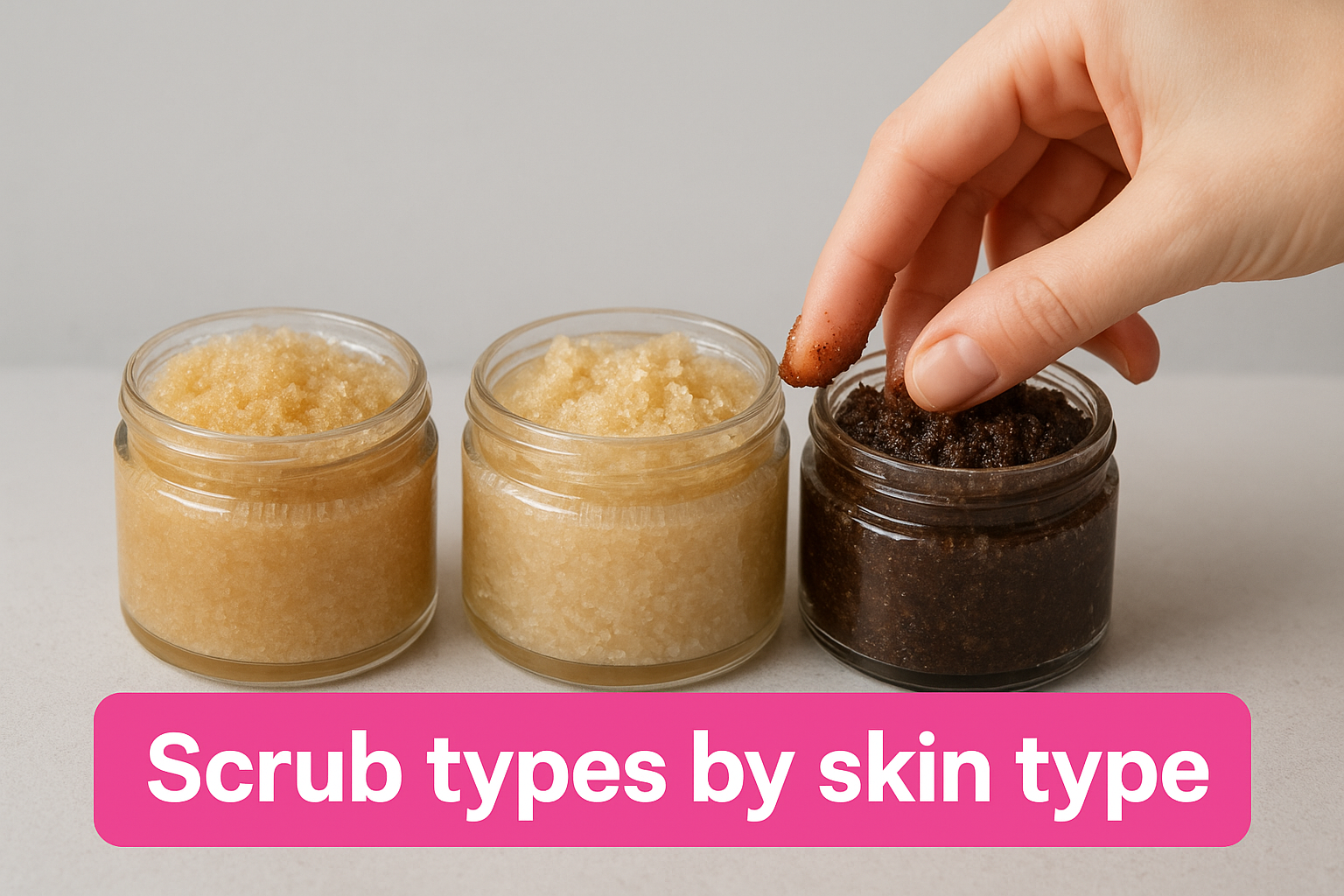
Sugar scrubs are among the most versatile physical exfoliants available. Sucrose molecules feature naturally rounded edges that roll over the skin, minimizing micro-tears during application. Furthermore, sugar is a natural humectant that draws ambient moisture into the tissue. Because sugar crystals dissolve easily in warm water, they offer a customizable level of abrasion.
- Best for: Normal, dry, sensitive, or delicate skin areas (such as the chest and neck).
2. Salt Scrubs
Salt scrubs typically utilize mineral-rich sea salt, Epsom salt (magnesium sulfate), or Pink Himalayan salt. Salt granules have sharper crystalline structures than sugar, making them significantly more abrasive. Beyond manual exfoliation, salt draws out impurities and supplies skin with trace minerals like magnesium, potassium, and calcium.
- Best for: Thick, tough, or extremely dry skin areas like the soles of the feet, knees, and elbows. Avoid using on freshly shaved skin, as salt causes intense stinging.
3. Coffee Scrubs
Formulated with ground roasted coffee beans, coffee body scrubs offer medium-to-high mechanical abrasion. Coffee contains natural caffeine and antioxidants. Topically applied caffeine acts as a temporary vasoconstrictor and stimulant, which can transiently tighten the skin surface and diminish the temporary appearance of cellulite by reducing tissue fluid retention.
- Best for: Dull skin, areas prone to cellulite, and early morning routines seeking an invigorating sensory experience.
4. Chemical and Enzymatic Body Exfoliants
Chemical body scrubs forgo or supplement physical granules with active exfoliants, including:
- Alpha-Hydroxy Acids (AHAs): Water-soluble acids like glycolic and lactic acid that dissolve surface cell bonds and improve skin hydration.
- Beta-Hydroxy Acids (BHAs): Oil-soluble salicylic acid that penetrates deep into hair follicles and pores to dissolve sebum and clear debris.
- Polyhydroxy Acids (PHAs): Larger-molecule acids like gluconolactone that exfoliate the surface without penetrating deeply, minimizing irritation.
- Fruit Enzymes: Papain (from papaya) and bromelain (from pineapple) that break down keratin proteins gently.
- Best for: Acne-prone skin, keratosis pilaris, sensitive skin that reacts poorly to friction, and hyperpigmented areas.
5. Botanical and Seed Scrubs
These physical scrubs use finely ground walnut shells, apricot kernels, jojoba beads, or bamboo powder. While synthetic microbeads have been phased out due to environmental hazards, natural seed and shell powders vary widely in particle uniformity. Finely milled powders provide safe polish, but coarsely ground shells can cause jagged micro-tears if applied with heavy pressure.
- Best for: General body polishing when milled evenly; requires light pressure during application.
Body Scrub Selection Guide: Matching Ingredients to Skin Needs
Selecting the correct body scrub formula prevents irritation while delivering noticeable improvements. The table below outlines how different scrub formulations compare across skin types and concerns.
| Scrub Category | Primary Exfoliating Agent | Particle Intensity | Ideal Skin Type / Concern | Recommended Usage Frequency |
|---|---|---|---|---|
| Gentle Hydrating Scrub | Fine brown/white sugar, oil base (jojoba, almond) | Mild (1/5) | Sensitive, dry, mature, or reactive skin | 1 to 2 times per week |
| Deep Cleansing Salt Scrub | Sea salt, Pink Himalayan salt | High (4/5) | Rough feet, elbows, calloused heels | 1 time per week |
| Clarifying Acne Scrub | Salicylic acid (BHA) + fine silica/beads | Mild-Moderate (2/5) | Oily, back acne ("bacne"), clogged chest pores | 2 to 3 times per week |
| Smoothing KP Scrub | Lactic acid (AHA) + fine pumice/sugar | Moderate (3/5) | Keratosis pilaris, bumpy "strawberry legs" | 2 times per week |
| Firming Coffee Scrub | Ground coffee Arabica + caffeine | Moderate-High (3.5/5) | Normal skin, targeted areas (thighs, buttocks) | 2 times per week |
| Sensitive Enzyme Wash | Papain, bromelain, or PHAs | Non-abrasive (0/5) | Hyper-sensitive, eczema-prone, or razor-burned skin | 2 to 3 times per week |
Step-by-Step Guide: How to Apply a Body Scrub Safely and Effectively
To maximize benefits and prevent moisture barrier disruption, follow a structured exfoliation protocol.
- Step 1: Warm Water Soak (5–10 mins) - Softens stratum corneum
- Step 2: Cleansing - Removes surface dirt & oils
- Step 3: Gentle Scrub Application - Light, circular motions (30–60s per area)
- Step 4: Lukewarm Water Rinse - Clears granules and dissolved cells
- Step 5: Pat Dry & Moisture Lock - Apply emollient lotion within 3 minutes
Step 1: Prepare the Skin with Warm Water
Spend 5 to 10 minutes under a warm shower or in a bath before applying your scrub. Warm water and steam soften the outer keratin layer of the skin, loosening dead corneocytes and making them easier to remove. Avoid excessively hot water, which strips natural cutaneous lipids and triggers inflammation.
Step 2: Wash First with a Gentle Body Cleanser
Use a mild, sulfate-free shower gel or body wash before exfoliating. Washing first removes surface sweat, environmental grime, and deodorants, allowing the active exfoliants in the body scrub to work directly on the skin.
Step 3: Apply the Scrub with Controlled Pressure
Turn off the running stream of water or step away from the showerhead to keep the product from washing away prematurely. Scoop out a small amount of scrub (roughly a nickel-to-quarter-sized amount per body segment).
Apply the product using light, circular motions, working upward from your ankles toward your torso. This circular motion promotes lymphatic movement toward heart-centered lymph nodes. Use minimal pressure—let the granules or chemical active agents do the work. Dedicate 30 to 60 seconds to each region.
Step 4: Pay Attention to Area Sensitivity
- Thick Areas (Feet, Knees, Elbows): You can use slightly firmer pressure or denser salt scrubs here.
- Delicate Areas (Chest, Neck, Inner Thighs): Use fine sugar or enzyme-based scrubs with extremely gentle pressure.
- Shaved Areas: Never scrub skin immediately after shaving or waxing. Wait at least 24 to 48 hours after hair removal to exfoliate, preventing severe stinging and follicular inflammation.
Step 5: Rinse Thoroughly with Lukewarm Water
Rinse the scrub off completely using lukewarm water. Ensure no lingering sugar or salt granules remain in body folds or behind knees, as leftover particles can cause friction burns against clothing.
Step 6: Lock in Moisture Immediately
Pat your skin gently with a clean towel, leaving it slightly damp. Within three minutes of exiting the shower—often called the "three-minute window"—apply a rich body lotion, body butter, or botanical oil. Exfoliated skin loses transepidermal water more rapidly, making immediate moisturizing essential to seal the skin barrier.
Step 7: Apply Daytime Sun Protection
If your body scrub contains chemical exfoliants like glycolic or lactic acid, your skin will be more sensitive to ultraviolet radiation (photosensitivity). Apply a broad-spectrum SPF 30+ sunscreen to any exposed body areas during daylight hours.
Common Mistakes to Avoid When Exfoliating
Even high-quality exfoliants can harm the skin barrier if used incorrectly. Avoid these common mistakes:
Over-Exfoliating the Skin
Exfoliating daily or using multiple abrasive products simultaneously strips the natural lipid barrier. Signs of over-exfoliation include persistent redness, tight or shiny skin, burning sensations, micro-flaking, and heightened sensitivity. Limit physical scrubbing to 1 to 3 times per week, depending on your skin type.
Using Heavy Mechanical Pressure
Pressing down firmly while applying a body scrub does not increase its effectiveness; instead, it causes micro-tears in the epidermal surface. Micro-tears weaken barrier function, allowing bacteria to enter and causing localized infections or long-term hyperpigmentation.
Exfoliating Damaged, Sunburned, or Compromised Skin
Never use a body scrub over open wounds, active eczema breakouts, psoriasis plaques, severe acne lesions, or sunburned skin. Scrubbing compromised tissue exacerbates inflammation and delays the body's natural healing process.
Using Body Scrubs on the Face
Body scrub formulations are typically designed with larger, rougher granules and higher fragrance concentrations than facial exfoliants. The facial epidermis is significantly thinner than body skin; using a body scrub on the face can rupture delicate capillaries and compromise the facial moisture barrier.
Frequently Asked Questions
How often should women use a body scrub in their weekly routine?
Most skin types benefit from using a body scrub 1 to 2 times per week. Women with oily or resilient skin may tolerate exfoliation up to 3 times per week. If you have sensitive skin, dry skin, or eczema, limit mechanical scrubbing to once every 10 to 14 days, or opt for a mild chemical exfoliant instead.
Can you use a body scrub before or after shaving?
It is best to use a body scrub before shaving, not after. Exfoliating before shaving clears away dead skin cells and lifts flat hair shafts, allowing for a closer, cleaner shave with fewer clogged razors. Exfoliating after shaving irritates freshly sensitized skin and causes intense stinging, especially if using a salt-based scrub.
Is a physical body scrub better than a chemical body exfoliant?
Neither is universally superior; their effectiveness depends on your skin goals. Physical scrubs provide immediate tactile smoothness by manually buffing away surface roughness. Chemical exfoliants (containing AHAs or BHAs) work deeper within the skin, making them better for treating keratosis pilaris, active body breakouts, and hyperpigmentation without friction.
How do body scrubs help treat keratosis pilaris ("strawberry legs")?
Keratosis pilaris occurs when keratin plugs block hair follicles, forming small, rough bumps. Combining mild physical sugar granules with chemical exfoliants like lactic acid or salicylic acid dissolves these keratin plugs. Consistent, gentle exfoliation keeps pores clear and visibly smooths skin texture over time.
Are body scrubs safe to use during pregnancy?
Yes, most physical body scrubs (sugar, salt, coffee) are safe to use during pregnancy to keep stretching skin soft and smooth. However, pregnant women should consult their healthcare provider regarding chemical exfoliants. High concentrations of salicylic acid (BHAs) are generally avoided, while low-concentration glycolic acid, lactic acid, and gentle physical scrubs are typically considered safe options.
Building Your Personalized Body Exfoliation Plan
Creating an effective body exfoliation routine relies on choosing products that match your specific skin type and adjusting usage based on seasonal changes.
In cold winter months, skin loses moisture quickly, making gentle sugar scrubs rich in plant oils (like jojoba, argan, or shea butter) ideal for maintaining lipid levels. During warmer summer months—when sweat, sebum, and sunscreen accumulate—lightweight salt scrubs, coffee formulations, or BHA body washes clear residual buildup and prevent clogged pores.
Begin by introducing a scrub once a week. Monitor how your skin responds over 24 to 48 hours. If your skin stays smooth and irritation-free, maintain this rhythm or increase frequency as needed. Always follow exfoliation with an emollient moisturizer to strengthen the skin barrier, keeping your body soft, smooth, and healthy year-round.