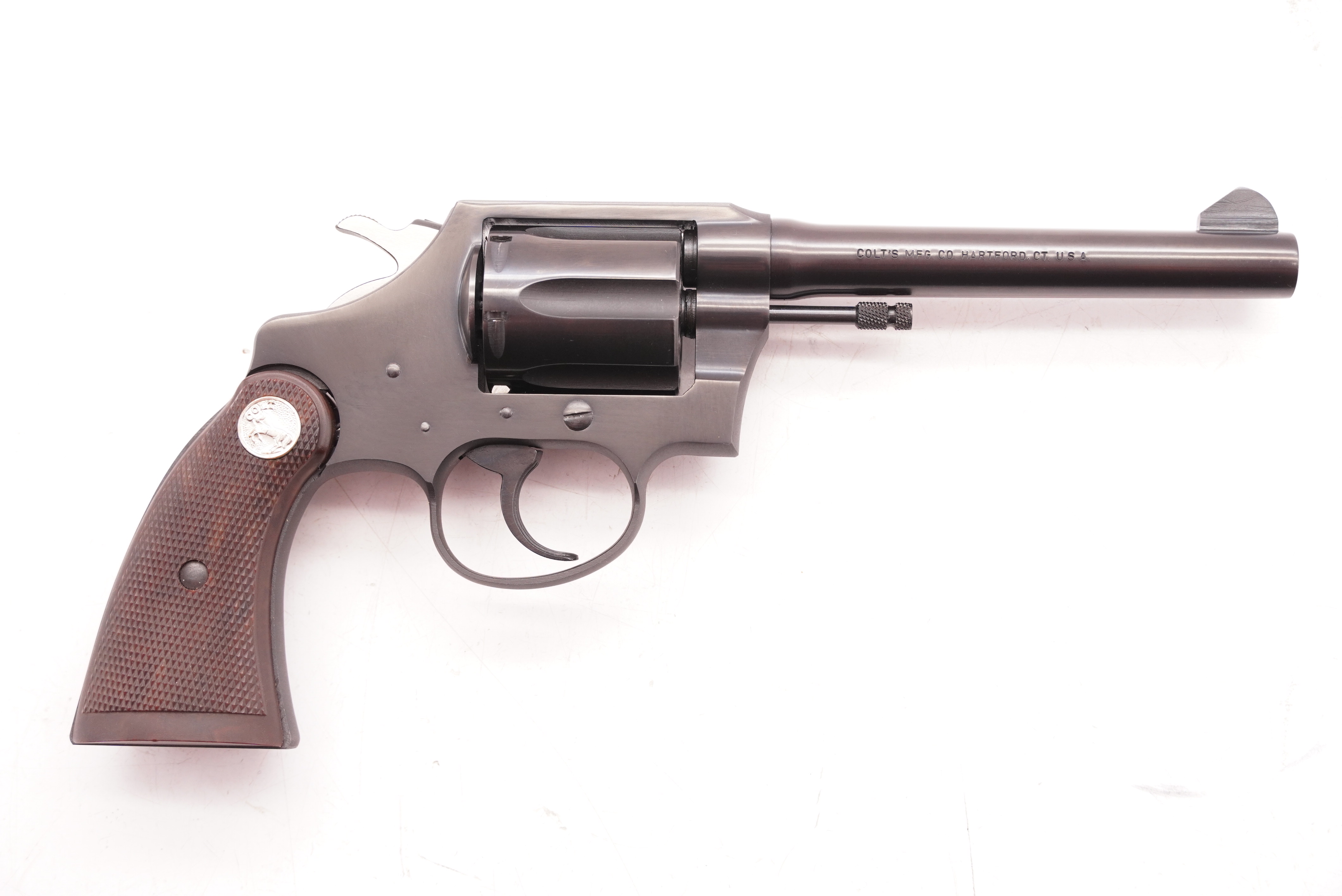
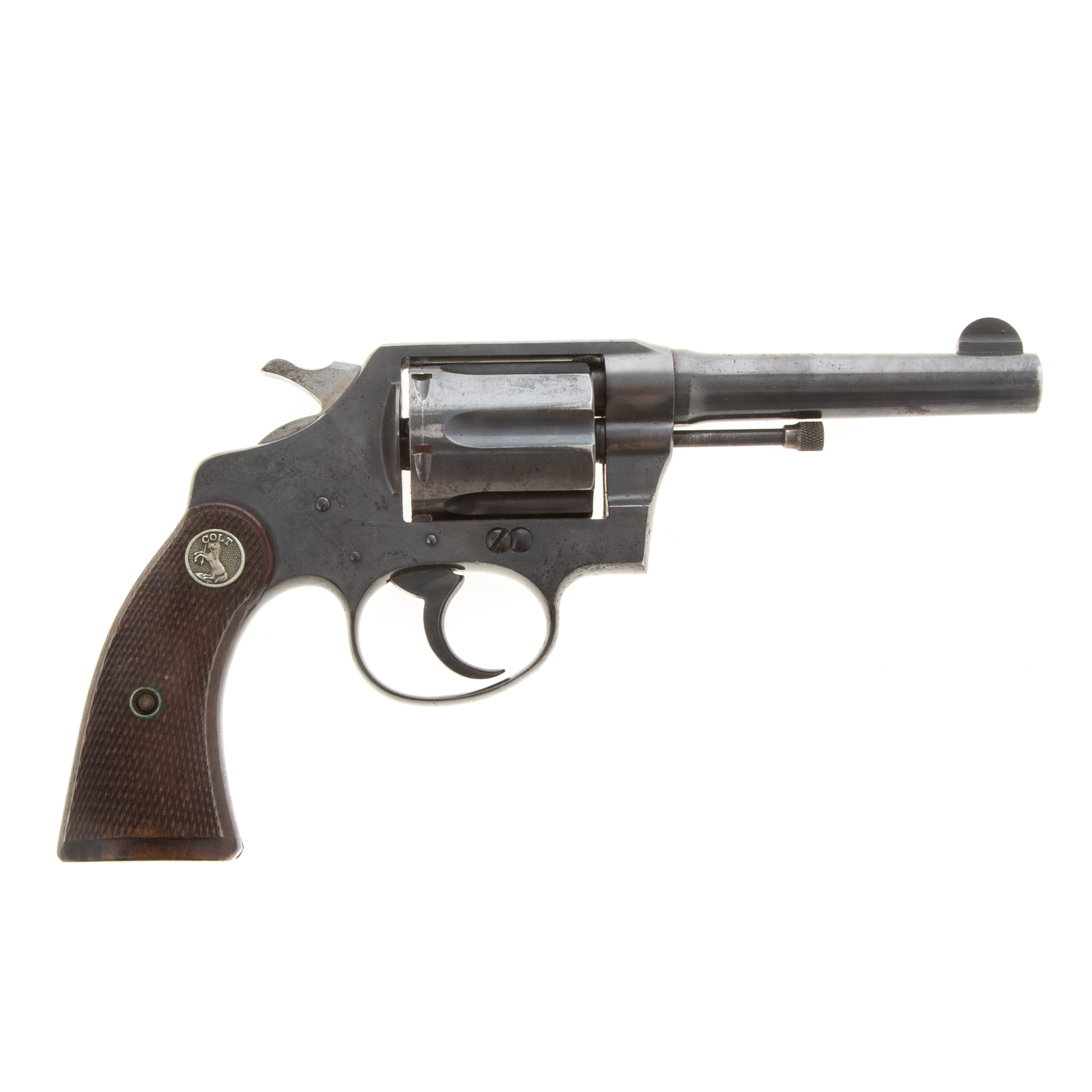
The Colt Police Positive represents one of the most significant chapters in the history of American double-action revolver development. While the platform traces its lineage back to the early 20th century, the chambering of this iconic frame in .38 Special remains a perennial subject of interest for collectors, historians, and practitioners in 2026. This article provides a comprehensive technical analysis of the Colt Police Positive and Police Positive Special variants, focusing on metallurgy, mechanical operation, and contemporary maintenance standards.
Evolution of the Police Positive Architecture
The Colt Police Positive was introduced in 1907 as an evolution of the Colt New Police model. The "Positive" designation refers to the company’s proprietary internal safety mechanism, which prevented the firing pin from striking the primer unless the trigger was deliberately pulled to the rear. This was a revolutionary advancement in mechanical safety, effectively eliminating the risk of accidental discharge if the revolver was dropped or struck.
By 1908, Colt introduced the Police Positive Special. The critical difference between the standard Police Positive and the Special variant was the cylinder length and frame depth. The standard Police Positive was designed primarily for shorter cartridges like the .32 New Police and .38 New Police (the latter being Colt’s equivalent of the .38 S&W). The Special variant, however, featured an elongated cylinder and frame window specifically engineered to accommodate the higher pressures and greater length of the .38 Special cartridge.
Key Mechanical Specifications
The following table outlines the foundational technical specifications that define the Police Positive Special platform as recognized by modern curatorial and ballistics standards.
| Feature | Technical Specification |
|---|---|
| Action Type | Double Action / Single Action (DA/SA) |
| Cylinder Capacity | 6 Rounds |
| Frame Construction | Carbon Steel |
| Sights | Fixed Square Notch Rear, Blade Front |
| Barrel Lengths | 2, 4, 5, and 6 inches (Model dependent) |
| Safety System | Internal Positive Safety Lock |
| Trigger Pull (Approx) | 10-12 lbs (DA), 3-4 lbs (SA) |
Metallurgical Considerations and Ammunition Compatibility
In 2026, owners of vintage Colt firearms must exercise extreme caution regarding ammunition selection. The metallurgy utilized in the manufacture of pre-World War II and mid-century Colt revolvers differs significantly from modern CNC-machined, heat-treated alloys.
While the .38 Special cartridge has remained a standard for decades, modern +P (high pressure) ammunition is generally not recommended for use in the Police Positive Special. The small-frame architecture of the Colt "D-frame" is significantly less robust than the later "I-frame" or "K-frame" competitors from other manufacturers. Constant use of high-pressure loads will accelerate the fatigue of the crane and the wear of the locking bolt, potentially leading to timing issues.
Owners are strongly advised to utilize standard pressure, lead round nose (LRN) or semi-wadcutter (SWC) ammunition. These loads align with the original design parameters of the firearm and will ensure the mechanical longevity of the internal timing components, such as the hand and the cylinder stop.
Diagnostic Assessment: Identifying Timing and Lock-up Issues
As these firearms are now aging, professional inspection is the primary requirement for safe operation. An authoritative assessment of a Police Positive Special should focus on the following mechanical indicators:
- Cylinder Alignment: When the trigger is held in the full rearward position (DA), the cylinder should exhibit zero perceptible lateral movement against the bolt. If the cylinder can be rotated slightly while the hammer is fully depressed, the cylinder stop or the bolt notches are likely worn.
- Carry-up Timing: The cylinder must lock into battery at the exact moment the hammer reaches its full cocked position. Any hesitation or failure to lock before the hammer falls is a critical safety failure.
- Barrel-Cylinder Gap: Using a feeler gauge, the gap should typically measure between 0.003 and 0.006 inches. Gaps exceeding 0.010 inches will result in significant velocity loss and excessive side-spitting.
Maintenance and Preservation for the 2026 Collector
Maintaining a vintage Colt in 2026 requires a shift from "use" to "preservation" for many owners. The blued steel finishes characteristic of these models are highly susceptible to oxidation.
Preservation Protocol for Legacy Colts
Surface Protection Utilize high-quality synthetic lubricants and corrosion inhibitors. Avoid traditional petroleum-based oils that can evaporate or migrate over time. A thin, consistent film of non-acidic gun oil should be applied to all exterior surfaces after every handling session to neutralize skin oils.
Storage Environment Store the firearm in a temperature-controlled environment with a relative humidity level consistently below 50 percent. Silica gel desiccants are effective but must be monitored and recharged annually. Avoid long-term storage in leather holsters, as the tanning chemicals in the leather are notoriously acidic and will etch the finish of the steel over time.
Frequently Asked Questions
Can I shoot modern +P ammunition in my Police Positive Special?
No, it is strictly advised against. The D-frame Colts were not engineered for the higher chamber pressures of modern +P loads, and usage will likely result in mechanical damage or frame stretching.
How do I verify the date of manufacture for my specific Colt?
Colt maintains an online serial number lookup tool that is updated through 2026. By locating the serial number on the crane or the butt of the grip, you can obtain a confirmed date of production directly from the manufacturer’s archives.
Is it normal for the cylinder to have slight play when the hammer is down?
Yes, minor rotational play when the hammer is at rest is normal for Colt revolvers of this era. The critical metric is the lock-up when the trigger is held to the rear; that is when the cylinder must be immobile.
Where can I find replacement parts for a 1950s-era model?
Replacement parts are increasingly scarce. Specialized vintage parts dealers and high-end gunsmiths focusing on classic Colt actions are the primary sources, though many parts now require custom fitting by a qualified specialist.
Are original grips highly valued?
Yes, original factory-issue walnut or hard rubber grips significantly impact the collector value. Avoid replacing them with modern aftermarket rubber grips, as original factory furniture is increasingly rare.
Institutional Authority and Professional Care
For those maintaining these firearms for historical display or light, responsible use, the services of a certified gunsmith specializing in legacy Colt D-frame actions are indispensable. Unlike modern modular handguns, the Colt Police Positive is a hand-fitted mechanism. Minor adjustments to the hand or the timing pawl require a deep understanding of the internal leverage ratios unique to the Colt "Positive" system.
When seeking service in 2026, prioritize gunsmiths who demonstrate familiarity with the specific internal tolerances of the Colt factory hand-fitting processes rather than those who focus exclusively on modern polymer-framed platforms. Proper care will ensure these pieces remain functional and historically accurate for future generations of enthusiasts.