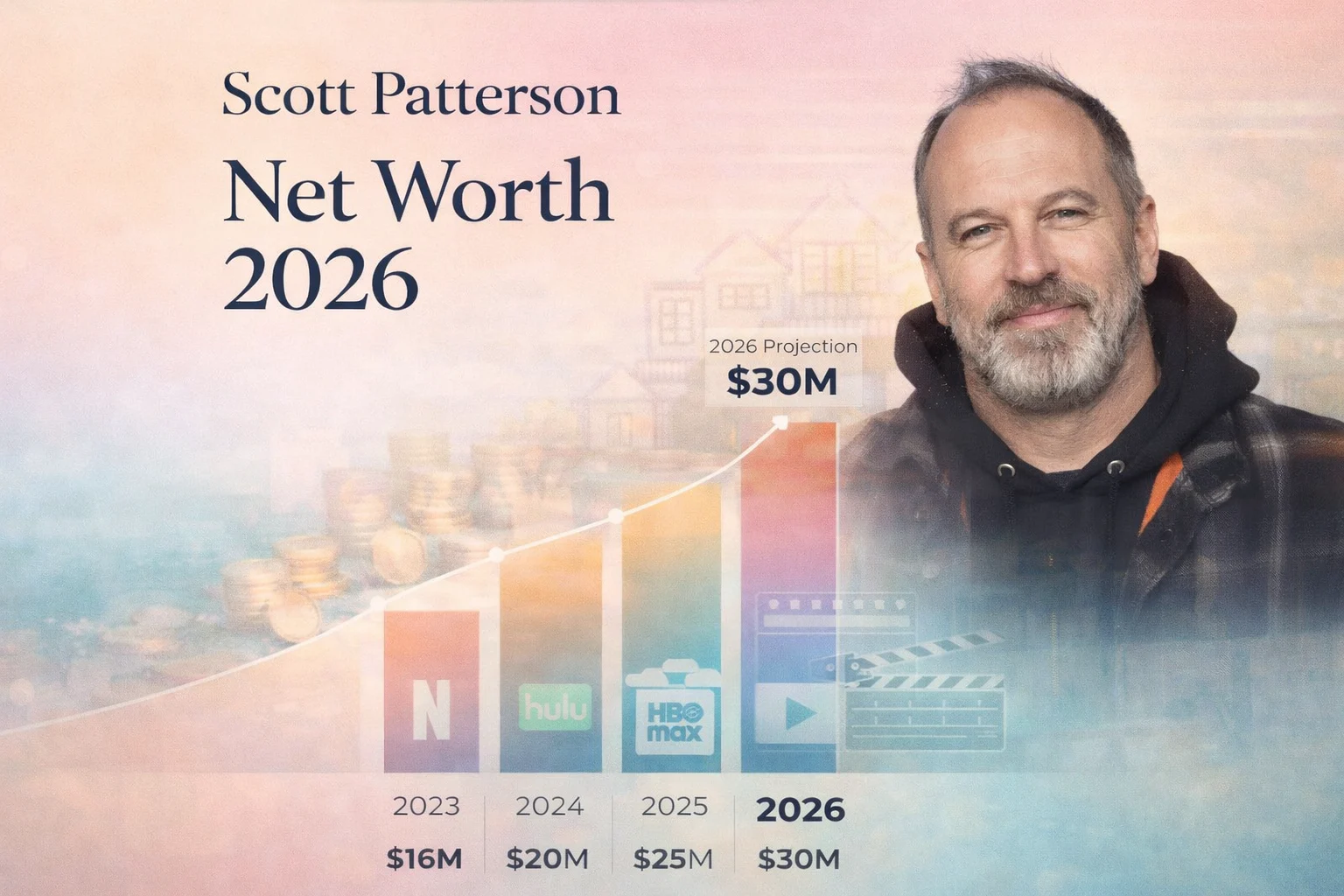
Cody Jones, professionally known as Wranglerstar, maintains a diversified financial profile built on long-term digital content creation, multi-platform brand partnerships, and tactical lifestyle product ventures. As of 2026, his wealth is primarily generated through advertising revenue from YouTube, recurring sponsorships, and direct-to-consumer sales, reflecting a strategic pivot toward self-reliance and outdoor gear sustainability.
The Evolution of the Wranglerstar Brand
The Wranglerstar digital presence originated from a focus on professional homesteading, traditional skills, and forestry. Over the past decade, Cody Jones transitioned his content from niche "off-grid" living demonstrations to a broader scope encompassing tool reviews, survivalist education, and critical commentary on modern infrastructure. This evolution has been essential to his financial longevity; by shifting from a high-intensity manual labor focus to a content-centric business model, Jones has insulated his income from the physical toll of traditional trade work.
His financial structure is not characterized by a single windfall, but rather an accumulation of multi-stream revenue. This approach is common among veteran digital creators who leverage a dedicated "evergreen" audience. Because his content often focuses on durable goods and high-value tools, his videos maintain search relevance years after publication, creating a passive income floor that allows for consistent reinvestment into equipment and property improvements.
Primary Income Streams and Revenue Architecture
Wranglerstar’s income is primarily derived from three distinct pillars. Understanding these is critical to analyzing his net worth, as each carries different levels of volatility and tax implications.
- Platform Advertising Revenue: This remains the foundation of his income. Through YouTube’s partner programs and ad-revenue sharing, his high-volume, long-form content generates monthly returns based on total views and viewer demographics. Given the technical nature of his niche, his content often attracts advertisers in the tool, outdoor, and heavy machinery sectors, which typically command higher cost-per-thousand-impression (CPM) rates compared to general entertainment content.
- Strategic Brand Partnerships: Jones has historically engaged in long-term sponsorships with manufacturers of outdoor gear, power tools, and survival equipment. Unlike one-off promotions, these partnerships are often structured as annual contracts or affiliate arrangements that provide a percentage of sales generated through specific referral links.
- Direct-to-Consumer (DTC) and Merchandising: Beyond media, Wranglerstar has integrated product sales into his business model. This includes specialized apparel and branded tactical accessories. By controlling the supply chain of his merchandise, Jones captures a higher margin than he would through third-party licensing, effectively turning his audience into a customer base.
Asset Composition and Financial Management
While publicly traded wealth is transparent, personal creator wealth is largely private. However, an analysis of Wranglerstar’s public disclosures and business operations reveals a pattern of reinvesting capital into tangible assets. This strategy reflects his personal philosophy of "preparedness," which prioritizes ownership of property, heavy machinery, and inventory over liquid stock market investments.
- Property Assets: Jones’s residence and the surrounding acreage serve as both his base of operations and his primary production studio. These assets are significant, as they require continuous maintenance and investment, but they also provide the backdrop for his content creation, effectively allowing him to deduct business-related property expenses under standard tax provisions for small business operators.
- Operational Infrastructure: The tools, logging equipment, and filming gear used in his videos are significant capital assets. A professional-grade camera setup paired with professional heavy machinery—such as skidders or tractors—represents a substantial depreciating asset pool that must be managed to maintain both video production quality and site operations.
- Inventory and Intellectual Property: As a content creator, his primary "product" is his library of videos. This intellectual property functions as a digital asset that continues to earn revenue without further labor. Additionally, he maintains inventory related to his physical product lines, which must be accounted for within his broader financial planning.
Comparative Financial Metrics
The following table outlines the approximate contribution of various sectors to the financial profiles of creators operating within the outdoor and tool-review niche as of 2026.
| Revenue Source | Scalability | Risk Profile | Maintenance Effort |
|---|---|---|---|
| Ad Revenue (YouTube) | High | Medium (Algorithm) | Low (Archive-based) |
| Brand Partnerships | Medium | High (Reputation) | Moderate |
| Affiliate Marketing | High | Low | Moderate |
| Product Sales (DTC) | High | High (Inventory/Cost) | High |
| Consulting/Professional | Low | Low | High |
Understanding the Financial Risks of Digital Content
A core component of analyzing any creator's financial health is acknowledging the inherent volatility of the digital attention economy. The "Wranglerstar" brand is built on personal identity, which poses a specific set of risks to his long-term financial stability. Unlike a corporation, his primary asset—his reputation—is subject to sudden changes in public sentiment, shifts in platform policy, or changes in regulatory oversight regarding content monetization.
Financial stability for creators at this level is typically achieved through aggressive diversification. By moving away from total reliance on one platform, and by developing a physical product line, Jones hedges against the potential decline of the creator-based model. For readers interested in how creators manage this, the key takeaway is the focus on "off-platform" assets—land, inventory, and equipment—that retain value independent of the internet's performance.
Practical Considerations for Audience Financial Awareness
For those observing the financial successes of digital creators like Wranglerstar, it is important to separate "revenue" from "net worth." Gross earnings are frequently reinvested into high-cost production equipment and property management. A common mistake for outsiders is to view total income as liquid cash, ignoring the substantial overhead involved in running a professional video studio in an off-grid environment.
- Capital Expenditures (CapEx): Much of the visible "wealth" in this niche is tied up in physical tools required to produce content. This includes not just filming equipment, but the infrastructure necessary to film in remote locations.
- Labor and Outsourcing: Maintaining a consistent output requires a production team, editors, and administrative support. As of 2026, the cost of labor is a significant factor in any creator’s financial profile.
- Tax Obligations: Because income streams from platforms, affiliate marketing, and retail sales are taxed differently, creators must navigate complex tax structures. Most established creators utilize S-Corporations or Limited Liability Companies (LLCs) to manage these liabilities effectively.
Next Steps for Evaluating Creator Wealth
If you are analyzing the financial viability of the creator economy or seeking to understand the business model behind Wranglerstar, consider focusing your research on public disclosures and the business structures of similar independent media companies. Rather than focusing solely on estimated net worth—which is often an imprecise metric based on public sentiment—examine the structural stability of the creator’s business entity. Look for diversity in revenue sources and the accumulation of hard assets as indicators of long-term sustainability rather than short-term viral success.