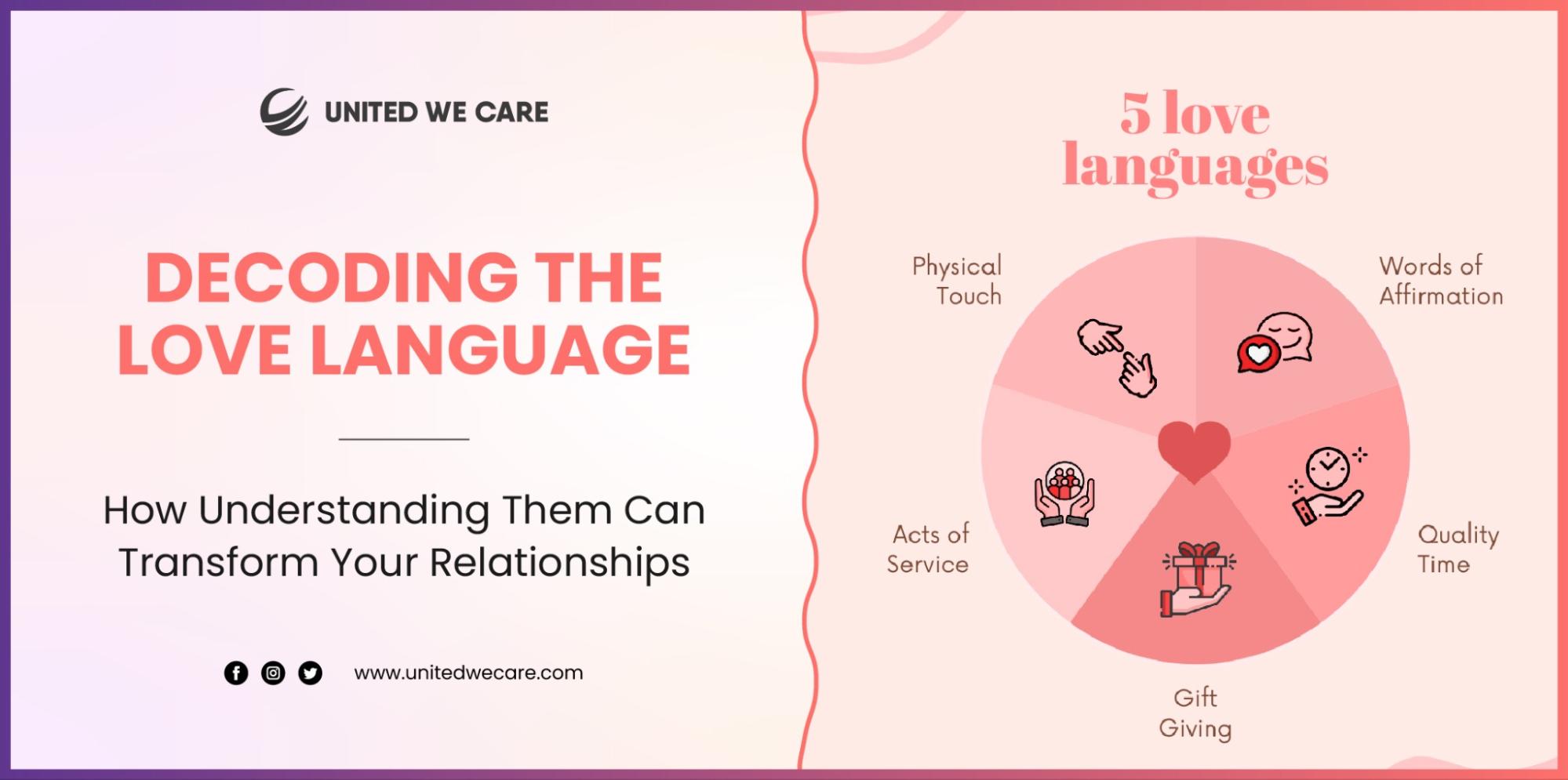
The five love languages refer to a psychological concept introduced by relationship counselor Dr. Gary Chapman, outlining five primary ways individuals express and receive emotional affection: Words of Affirmation, Quality Time, Receiving Gifts, Acts of Service, and Physical Touch. Understanding these distinct communication styles helps individuals build deeper emotional connection, resolve interpersonal friction, and express empathy effectively within relationships.
The Origin and Science Behind Love Languages
Dr. Gary Chapman first introduced the concept of love languages in his 1992 book, The 5 Love Languages: How to Express Heartfelt Commitment to Your Mate. Working as a marriage counselor for decades, Chapman observed a recurring pattern among couples experiencing distress: partners frequently felt unloved despite both individuals making sincere efforts to show affection. The core underlying issue was not a lack of effort, but a fundamental mismatch in how love was being communicated and perceived.
Psychological research into relational dynamics supports the premise that personal communication preferences significantly impact relationship satisfaction. While love languages are not a clinical diagnostic framework, modern relationship science highlights the importance of emotional responsiveness and perceived partner empathy. When individuals feel their emotional needs are understood and addressed in a manner that aligns with their personal values, relationship resilience, trust, and intimacy increase substantially.
Understanding love languages requires viewing affection as a dual process of broadcasting and receiving signals. Every person possesses a primary and often secondary love language shaped by personality traits, childhood upbringing, and past relational experiences. Misalignments occur when one partner broadcasts affection using their own primary language, while the receiving partner processes emotional validation through a completely different medium.
The 5 Primary Love Languages Detailed
Recognizing the specific behaviors, underlying emotional drivers, and potential missteps associated with each love language is critical for improving communication.
1. Words of Affirmation
For individuals whose primary love language is Words of Affirmation, verbal communication serves as the principal medium for feeling valued and secure. Spoken words, written notes, and explicit statements of appreciation carry profound emotional weight.
- Core Expressions: Verbal compliments, words of encouragement, sincere statements of gratitude, and explicit declarations of love (e.g., "I appreciate how hard you worked on this project" or "Thank you for taking care of that task").
- Psychological Impact: Verbal validation reinforces self-worth and signals that an individual's efforts are seen and appreciated.
- Common Mistakes to Avoid: Harsh criticism, sarcastic remarks, dismissive language, or long periods without verbal acknowledgment can feel particularly damaging to people with this preference.
2. Quality Time
Quality Time centers on undivided attention. For people who prioritize this language, feeling loved requires meaningful engagement without digital or environmental distractions.
- Core Expressions: Eye-contact-driven conversations, shared activities, joint hobbies, uninterrupted dates, and active listening.
- Psychological Impact: Dedicating time signals that the individual is prioritized over competing demands, fostering a deep sense of companionship and presence.
- Common Mistakes to Avoid: Looking at smartphones during conversations, canceling plans repeatedly, or being physically present while emotionally disengaged.
3. Receiving Gifts
The Receiving Gifts love language is frequently misunderstood as materialism, but it is fundamentally about the symbolism, thoughtfulness, and effort behind a physical token of affection.
- Core Expressions: Thoughtful, highly personalized gifts given to commemorate occasions or simply "just because." The value lies in the effort to remember preferences and the visual representation of being remembered.
- Psychological Impact: A physical item acts as a tangible symbol of thought, care, and investment, serving as a persistent reminder of affection.
- Common Mistakes to Avoid: Forgetting key milestones (birthdays, anniversaries), giving generic or last-minute gifts without thought, or treating gift-giving as an obligatory transaction.
4. Acts of Service
Acts of Service relies on the principle that actions speak louder than words. For individuals with this love language, practical support and helpful behaviors demonstrate genuine commitment and care.
- Core Expressions: Completing household chores, preparing a meal, managing errands, maintaining vehicles, or taking on tasks to reduce a partner’s stress without being asked.
- Psychological Impact: Taking initiative to ease someone’s burden demonstrates active awareness of their daily struggles and willingness to spend personal effort to help them.
- Common Mistakes to Avoid: Breaking promises to help, exhibiting laziness, making mess or extra work, or performing tasks begrudgingly.
5. Physical Touch
Physical Touch relies on non-verbal, tactile contact to establish connection, safety, and emotional warmth. This language encompasses both subtle, everyday physical gestures and intimate contact.
- Core Expressions: Holding hands, hugging, placing a hand on a shoulder, cuddling, kissing, and physical proximity.
- Psychological Impact: Tactile interaction triggers the release of oxytocin, lowering stress levels and establishing a somatic sense of security and belonging.
- Common Mistakes to Avoid: Long periods of physical distance or coldness, ignoring requests for touch, or reserving physical contact exclusively for romantic or sexual contexts.
Comparative Matrix of the 5 Love Languages
The following table summarizes the primary expressions, optimal behavioral responses, and negative triggers for each love language:
| Love Language | Primary Expression | High-Impact Action | Major Negative Trigger |
|---|---|---|---|
| Words of Affirmation | Verbal praise and gratitude | Unsolicited compliments and written notes of appreciation | Harsh criticism or passive-aggressive remarks |
| Quality Time | Undivided, focused attention | Dedicated date nights with electronics turned off | Distraction, multi-tasking, or canceled plans |
| Receiving Gifts | Tangible tokens of thoughtfulness | Small, meaningful items that reflect personal preferences | Forgetting important dates or giving thoughtless gifts |
| Acts of Service | Practical helpfulness and support | Proactively completing tasks to ease their daily workload | Unfulfilled commitments, laziness, or creating extra chores |
| Physical Touch | Tactile affection and proximity | Frequent, non-verbal physical contact (hugs, holding hands) | Physical withdrawal, coldness, or touch isolation |
How to Identify Your Primary Love Language
Determining your own love language—as well as your partner's—requires self-reflection and behavioral observation. Few people rely solely on one language; most have a primary language accompanied by a secondary preference.
Self-Assessment Strategies
- Analyze What You Give: People naturally express love in the manner they wish to receive it. If you constantly offer spontaneous verbal compliments, your primary language may be Words of Affirmation. If you default to helping friends clean or fix items, your language is likely Acts of Service.
- Evaluate Main Complaints: Reflect on what causes you the most frustration in relationships. Complaining that a partner "never helps around the house" points to Acts of Service, whereas feeling hurt because a partner is "always on their phone" suggests Quality Time.
- Review Request History: Pay attention to what you most frequently ask of your partner or loved ones (e.g., "Can we spend time together tonight?" vs. "Could you tell me how I look?").
Observing Others
To identify someone else’s love language, observe how they demonstrate care to others, pay attention to what they explicitly request, and note what triggers disappointment or emotional distance in them. Formal assessment tools, such as official love language quizzes, can also provide a clear baseline for discussion.
Application Beyond Romantic Relationships
While the love languages framework originated in marriage counseling, its foundational principles apply across a wide range of personal and professional dynamics.
Interpersonal Dynamics
- Romantic Partners: Deep Intimacy & Satisfaction
- Parenting & Family: Emotional Security & Development
- Friendships: Trust & Loyalty & Mutual Care
- Workplace & Teams: Recognition & Engagement
Parenting and Child Development: Children express and perceive love through these same five channels. A child who values Quality Time benefits immensely from one-on-one play, whereas a child oriented toward Words of Affirmation thrives on specific praise rather than general feedback.
Friendships: Platonic relationships benefit from mutual understanding of love languages. Supporting a grieving friend through Acts of Service (bringing meals) versus Words of Affirmation (sending thoughtful text messages) depends on their personal emotional preferences.
Professional Workplaces: In professional settings, love languages translate into employee recognition styles. Professional equivalents include public verbal praise (Words of Affirmation), dedicated mentorship hours (Quality Time), peer support on demanding projects (Acts of Service), and professional rewards or bonuses (Gifts).
Common Misconceptions and Limitations
To apply the love languages framework effectively, it is essential to clarify what the concept does and does not cover.
- Myth: Love Languages Are Fixed and Permanent.
- Fact: A person’s primary love language can evolve based on life stage, stress levels, health conditions, or developmental milestones. A new parent, for example, may temporarily shift from prioritizing Quality Time to Acts of Service due to severe sleep deprivation and increased domestic responsibilities.
- Myth: Compatibility Requires Having the Same Love Language.
- Fact: Couples do not need identical love languages to maintain a successful relationship. Long-term relationship satisfaction depends on each partner’s willingness to learn, adapt, and speak the other person's primary language.
- Myth: Love Languages Excuse Bad Behavior.
- Fact: Expressing a preference for a specific love language does not justify demanding behavior, neglect of basic responsibilities, or disrespecting personal boundaries.
- Limitation: The love languages framework is a communication tool, not a substitute for clinical therapy, conflict resolution skills, or addressing fundamental boundary violations and incompatibility.
Frequently Asked Questions
Can someone have more than one love language?
Yes. Most individuals have a dominant primary love language accompanied by a strong secondary language. It is common to appreciate aspects of all five languages, though one or two generally drive emotional fulfillment most strongly.
What should you do if you and your partner have completely opposite love languages?
Having different love languages is normal. Focus on learning how to translate your affection into your partner's preferred language, and clearly communicate your own needs without assuming your partner can intuitively guess them.
Do love languages change over time?
Yes. Major life transitions—such as career changes, having children, illness, or aging—frequently alter an individual’s priority love language based on their immediate emotional and practical needs.
Is Receiving Gifts a selfish or materialistic love language?
No. For individuals who resonate with Receiving Gifts, the value stems from the visual proof of effort, thought, and remembrance, not the monetary cost of the item itself.
Practical Steps to Put Love Languages into Action
To integrate love languages into your daily interactions and strengthen your relationships, follow these actionable steps:
- Complete a Baseline Assessment: Take a validated love language self-assessment alongside your partner, family member, or close friend to confirm your respective primary preferences.
- Hold a Mutual Check-In: Discuss your findings openly. Ask each other specific questions, such as: "What is one concrete thing I can do this week that makes you feel deeply appreciated?"
- Practice Intentional Translation: Select one low-effort action each day aligned with your partner’s primary love language, even if it feels unnatural to you at first.
- Re-evaluate Periodically: Revisit your mutual preferences during major life transitions to ensure your expressions of care adapt to changing personal circumstances.