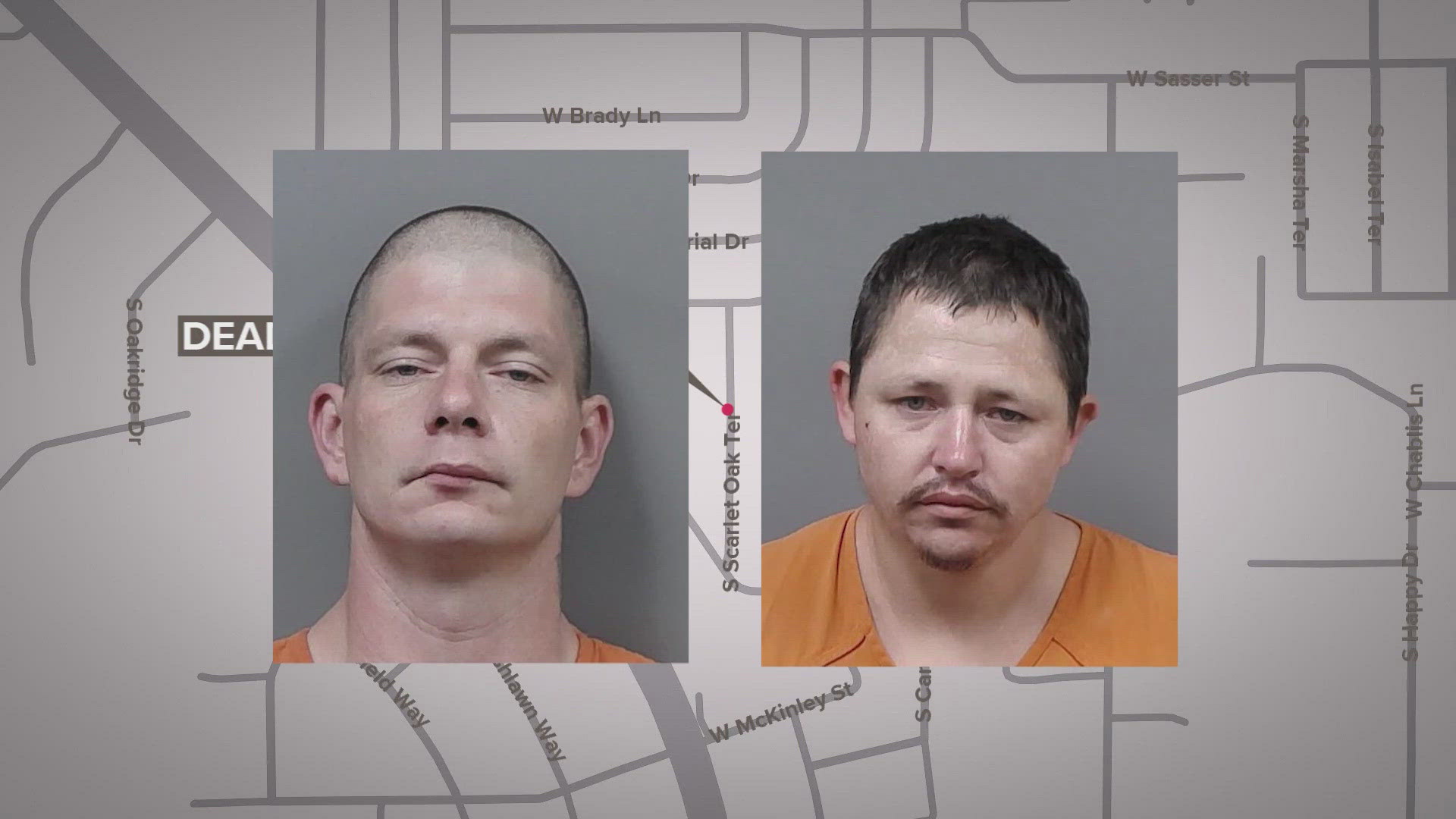
Navigating the criminal justice system in Citrus County, Florida, requires a clear understanding of how public records are maintained, accessed, and interpreted. As of 2026, the Citrus County Sheriff’s Office (CCSO) and the Clerk of the Circuit Court have streamlined digital access to booking logs, mugshots, and judicial proceedings. Whether you are conducting a background check, searching for a family member, or monitoring local safety trends, this guide provides the technical and procedural framework for accessing recent arrest data in Citrus County.
Public records in Florida are governed by the state’s robust Sunshine Law, which ensures that government proceedings and documents are open to the public. In 2026, this transparency extends to real-time arrest logs, providing residents of Inverness, Crystal River, and surrounding areas with unprecedented access to law enforcement activity.
Understanding the Citrus County Arrest Documentation System
The primary repository for recent arrest data is the Citrus County Sheriff’s Office. The CCSO maintains a digital booking log that is updated at frequent intervals throughout a 24-hour cycle. When an individual is taken into custody, several data points are generated, including the time of booking, specific charges, bond amounts, and a unique booking number.
The 2026 digital infrastructure allows for more granular searches than in previous years. Users can now filter by date ranges, specific statutes violated, and even geographical sectors within the county. This data is essential for maintaining community awareness and ensuring the accountability of the local legal system.
The Role of the Citrus County Detention Facility
The Citrus County Detention Facility, located in Inverness, serves as the central hub for all individuals processed following an arrest. Managed through a partnership involving local law enforcement and administrative oversight, the facility handles everything from initial intake to final release or transfer to the Florida Department of Corrections.
Operational Standard: Booking Procedures
Initial Intake and Identification Upon arrival at the detention facility, individuals undergo a standardized intake process. This includes biometric fingerprinting, high-resolution digital photography (mugshots), and a medical screening to ensure the safety of both the detainee and the staff.
Charge Finalization and Bond Setting Arresting officers submit their affidavits to the booking desk. A bond is typically set based on a pre-determined bond schedule for minor offenses, while more serious felonies require a "First Appearance" before a judge within 24 hours of arrest to determine conditions of release.
Methods for Accessing Recent Arrest Records in 2026
Accessing arrest information in 2026 is primarily a digital endeavor, though physical records remain available at the Sheriff’s Office for more complex inquiries. The following methods are the most efficient ways to retrieve current data.
1. The CCSO Online Booking Portal
The official Citrus County Sheriff’s Office website features a dedicated "Inmate Search" or "Arrest History" module. This tool provides a chronological list of recent bookings. In 2026, the portal includes interactive features such as:
- Live Booking Ticker: A real-time feed of individuals currently being processed.
- Charge Descriptions: Detailed links to the Florida State Statutes (FSS) for each listed offense.
- Release Status: Real-time updates on whether an individual has posted bond or been released on their own recognizance (ROR).
2. The Clerk of the Circuit Court Records
While the Sheriff’s Office tracks the arrest and detention, the Clerk of the Court tracks the legal case. For information regarding court dates, official filings, and the final disposition of a case, the Clerk’s "Court Records Search" is the authoritative source. This is particularly useful for tracking arrests that occurred several weeks or months ago, as the CCSO booking log typically focuses on the most recent 30 to 90 days.
3. VINE (Victim Information and Notification Everyday)
For victims of crimes or concerned citizens, the VINE system remains a critical tool in 2026. This service provides automated notifications via text, email, or phone call when a specific inmate’s custody status changes, such as being released or transferred to another facility.
Data Comparison: Arrest Logs vs. Criminal History Records
It is important to distinguish between a "Recent Arrest Log" and a "Comprehensive Criminal History." These terms are often conflated but serve different legal and informational purposes.
| Feature | Recent Arrest Log (CCSO) | Court Case Record (Clerk) | Formal Background Check (FDLE) |
|---|---|---|---|
| Primary Purpose | Real-time public safety info | Judicial tracking/proceedings | Employment/Licensing verification |
| Data Scope | Current booking data/mugshots | Legal filings/sentencing | Statewide criminal history |
| Update Frequency | Every 15–60 minutes | Daily (business days) | Periodic/As requested |
| Technical Depth | High (Booking details) | Maximum (Legal motions) | Moderate (Conviction summary) |
| Official Status | Raw law enforcement data | Certified judicial record | State-certified document |
| 2026 Access | Free Digital Portal | Free Digital Portal | Fee-based/Certified |
Legal Procedures Following a Citrus County Arrest
Understanding what happens after an arrest is crucial for those searching the records. The timeline of events significantly impacts the information available in the public record.
First Appearance and Bond Hearings
Under Florida law, every person arrested must appear before a judge within 24 hours. During this "First Appearance" (often conducted via video link from the Inverness facility), the judge reviews the probable cause affidavit. In 2026, these proceedings are frequently livestreamed or archived as public record, allowing for greater transparency in the bond-setting process.
Bond and Pre-Trial Release
If a bond is set, it can be paid in full (Cash Bond) or through a licensed bail bondsman (Surety Bond), who typically charges a non-refundable 10% fee. Once a bond is posted and processed, the arrest record will update to reflect "Released" or "Out on Bond." If an individual is denied bond, they will remain in the Citrus County Detention Facility pending further court action.
Rights and Responsibilities Regarding Arrest Records
While arrest records are public, their use is governed by federal and state laws. In 2026, the Florida Legislature has implemented stricter guidelines regarding the commercial use of mugshots to prevent "extortionate" practices by third-party websites.
The Presumption of Innocence
It is a fundamental principle of the U.S. justice system that all individuals are presumed innocent until proven guilty in a court of law. An entry in the Citrus County recent arrests log is merely a record of an accusation and an intake event; it does not constitute a conviction.
Expungement and Sealing of Records
For individuals who were arrested but never charged, or whose charges were dismissed, Florida law allows for the sealing or expungement of records. In 2026, the process has been modernized, with many "non-file" cases qualifying for automatic sealing after a certain period, provided the individual has no prior criminal history. Once a record is expunged, it is removed from the CCSO public portal and the Clerk’s online search.
Technical Tips for Efficient Record Searching
When searching for recent arrests in Citrus County, precision is key. Follow these professional recommendations to ensure accuracy:
- Use Full Legal Names: Avoid nicknames. The system is indexed by the name provided on a government-issued ID at the time of booking.
- Check Phonetic Variations: If a name is common or easily misspelled, use "sounds like" or wildcard search features if the portal provides them.
- Verify Date of Birth (DOB): To avoid "false positives" (confusing two people with the same name), always verify the age or DOB listed in the booking log.
- Understand Charge Codes: Charges are often listed as abbreviations (e.g., "DWLSR" for Driving While License Suspended or Revoked). Cross-reference these with the 2026 Florida Statute codes for clarity.
Frequently Asked Questions
How long does it take for a recent arrest to appear online?
In Citrus County, most arrests appear on the Sheriff’s Office booking portal within 1 to 4 hours of the intake process being completed. This delay accounts for fingerprinting, medical screening, and data entry by the detention staff. During peak periods or high-volume booking events, this window may extend slightly, but the 2026 digital infrastructure aims for near real-time updates.
Can I find mugshots for free in Citrus County?
Yes, mugshots are considered public records under Florida’s Sunshine Law and are typically available at no cost on the Citrus County Sheriff’s Office website. While third-party sites may charge for this information, the official government source provides it for free. Users should always prioritize official county portals to ensure the information is current and accurate.
What does "ROR" mean in an arrest record?
"ROR" stands for Released on Own Recognizance. This means a judge has allowed the individual to be released from custody without paying a financial bond, based on the promise that they will appear at all future court dates. This is common for first-time offenders or those accused of non-violent, minor crimes who have strong ties to the Citrus County community.
Are juvenile arrest records public in Citrus County?
Generally, no. Under Florida law, juvenile arrest records are protected and are not released to the general public unless the juvenile is charged as an adult for a serious felony. If you are searching for a minor, you will likely not find their information on the standard public booking log. Access to these records usually requires a court order or specific legal standing.
How can I find out when an inmate is being released?
The most accurate way to track release times is through the VINE system or by contacting the Citrus County Detention Facility directly. Note that release times can vary based on the processing of bond paperwork, the time of day, and the facility's current operational status. Public portals usually update the status to "Released" shortly after the individual has physically left the facility.
Can I pay someone's bond online in 2026?
Yes, Citrus County utilizes several secure third-party payment processors that allow for online bond payments. These systems require the inmate’s full name and booking number. Be aware that these services often charge a convenience fee and that the bond amount must be paid in full for the individual to be eligible for immediate release.
Conclusion and Authority Advice
The transparency of Citrus County’s arrest records is a vital component of the local justice system, but it requires responsible interpretation. As a Senior Technical SEO and Public Records Strategist, I advise all users to verify data across multiple official platforms—specifically the CCSO and the Clerk of the Court—to ensure a complete picture of any legal situation. For those seeking to resolve legal issues, always consult with a qualified attorney licensed in the State of Florida. The data provided in the 2026 booking logs is a starting point, not a final legal determination.