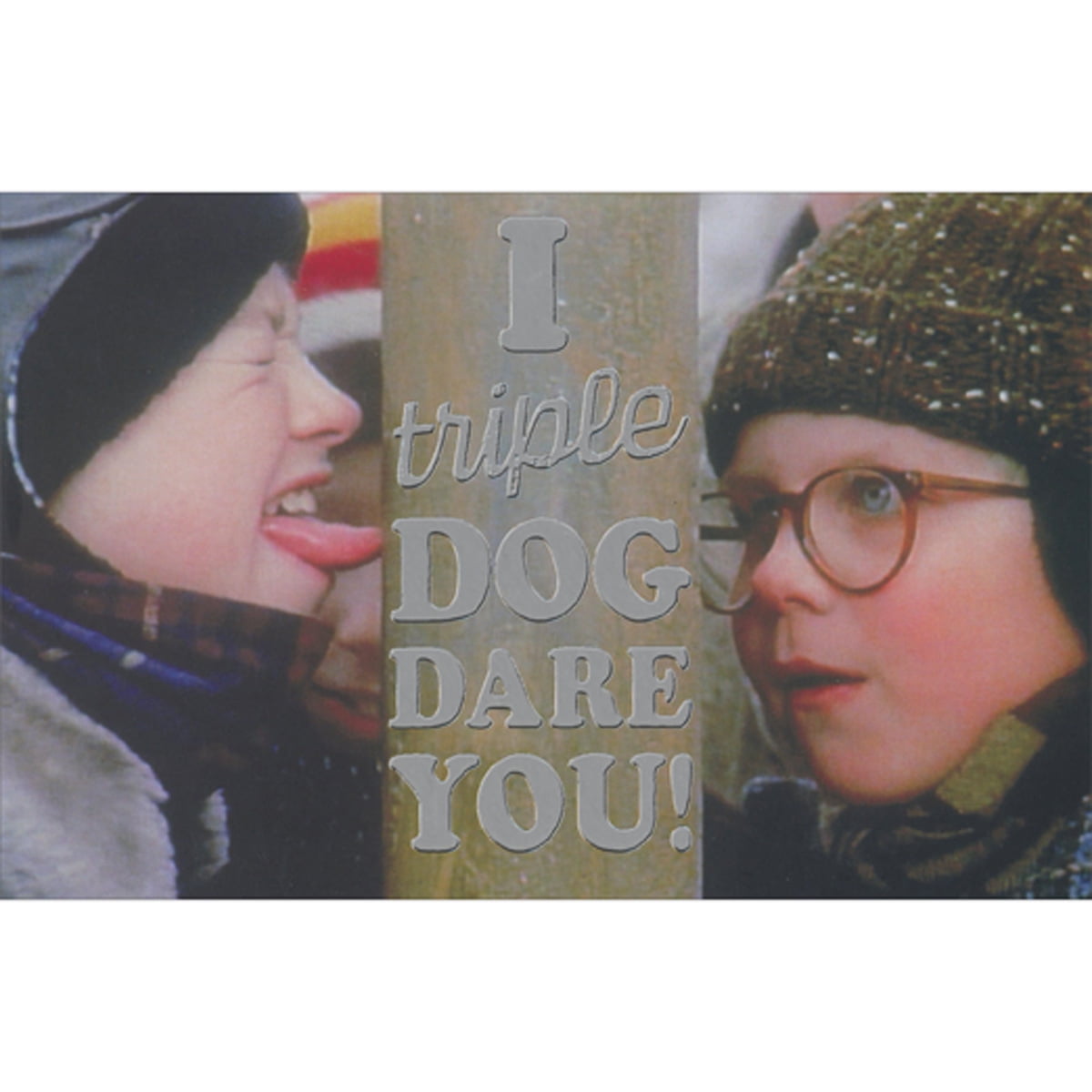
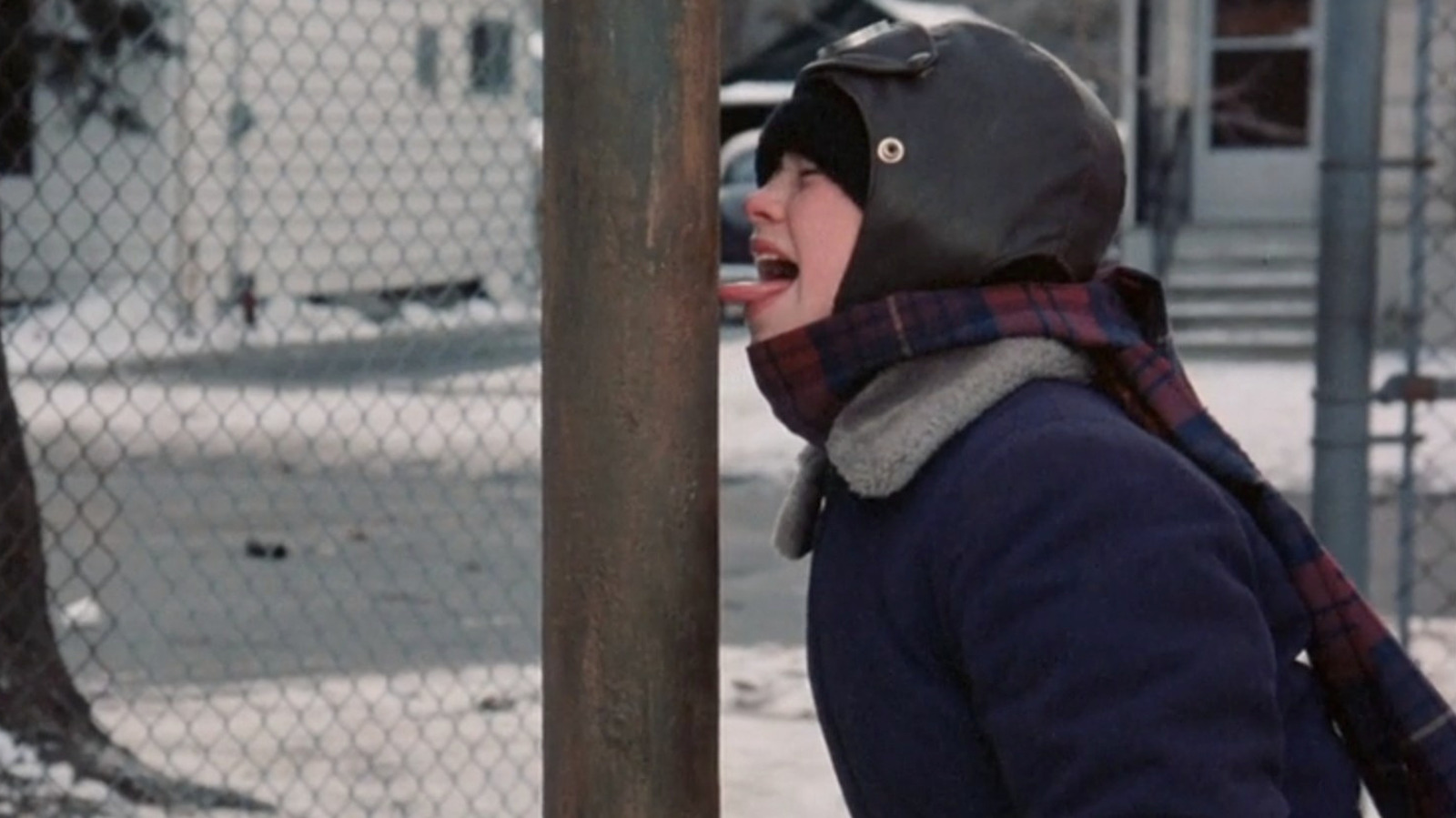
The iconic "tongue stuck to a flagpole" scene in the 1983 classic A Christmas Story remains one of the most recognizable moments in holiday cinema. Driven by the social pressure of the "triple-dog-dare," the scene explores the intersection of childhood bravado, winter physics, and festive nostalgia that continues to resonate with audiences in 2026.
While the film presents the moment as a humorous cautionary tale, the physics behind why a tongue sticks to frozen metal is entirely real. From the practical effects used on the 1983 set to the thermal conductivity of steel, understanding this scene requires a look at both movie magic and cold-weather science. Whether you are revisiting the film for its annual marathon or curious about the safety implications of freezing temperatures, the story of Flick, Ralphie, and the schoolyard flagpole offers a perfect blend of holiday entertainment and educational insight.
The Triple-Dog-Dare: The Social Hierarchy of the Schoolyard
To understand why Flick (played by Scott Schwartz) ends up in such a precarious position, one must first understand the rigid social protocols of the 1940s American schoolyard as depicted in the film. The script, based on the semi-fictional anecdotes of Jean Shepherd, outlines a specific escalation of peer pressure that leaves the recipient with no choice but to comply.
The sequence begins with a simple "dare," which is easily dismissed. It then moves to the "double-dog-dare," which raises the stakes significantly. Finally, Schwartz issues the "triple-dog-dare," the "coup de grâce of all dares," as narrator Ralphie describes it. In the context of "festive holiday fun," this scene captures the universal experience of childhood competition. By the time the triple-dog-dare is issued, the logic of the physical world—specifically the fact that it is a freezing December morning in Indiana—is completely overshadowed by the need to maintain social standing.
This psychological buildup is what makes the subsequent physical disaster so satisfying for the audience. Flick isn't just a victim of the cold; he is a victim of his own pride and the inescapable rules of the playground. This dynamic has made the scene a shorthand for any situation where peer pressure leads to an obviously poor decision.
Behind the Scenes: How Flick "Stuck" to the Pole
Despite the realistic appearance of the scene, actor Scott Schwartz was never in any actual danger of losing a layer of skin to a frozen pipe. In 1983, digital effects were not an option for a mid-budget production like A Christmas Story, so director Bob Clark and the production team had to rely on clever practical effects.
The "flagpole" used in the scene was actually a specially modified prop. To simulate the freezing effect, the crew drilled a small hole into the side of the pole. A hidden suction tube was placed inside the pole and connected to a small vacuum motor. When Flick pressed his tongue against the hole, the vacuum created enough suction to hold his tongue in place without any actual freezing required. This allowed the actors to perform their lines—or in Flick’s case, his muffled screams for help—repeatedly without the risk of injury.
Interestingly, the weather during the filming of the outdoor scenes was not always cooperative. While the scene looks biting cold, the "snow" on the ground was often a combination of potato flakes and shredded plastic, and the actors were frequently dealing with varying temperatures. The convincing performance by Schwartz, combined with the practical vacuum effect, created a moment so realistic that generations of children have been tempted to test the physics for themselves.
The Real Science of Thermal Conductivity
While the movie used a vacuum, the danger of a tongue sticking to a cold metal object is scientifically sound. The phenomenon is rooted in the concept of thermal conductivity. Our bodies are mostly water, and our tongues are covered in a thin layer of moisture (saliva). Under normal conditions, the body’s internal heat keeps this moisture in a liquid state.
When you touch a cold surface made of wood or plastic, these materials are poor conductors of heat. They do not "steal" the heat from your tongue fast enough to freeze the saliva. However, metal—especially a large, solid object like a flagpole—is an excellent conductor. The moment the warm tongue touches the freezing metal, the metal rapidly conducts the heat away from the moisture.
Because the flagpole has so much more mass and surface area than the tip of a tongue, the heat from the body cannot keep up with the rate of loss. Within seconds, the moisture on the tongue undergoes a phase change, turning into ice. This ice then acts as a powerful adhesive, bonding the porous surface of the tongue to the microscopic imperfections of the metal.
Why It Doesn't Happen with Other Body Parts
You might wonder why your hand doesn't stick to a cold door handle as easily. This is due to the lack of surface moisture. The skin on your hands is relatively dry and protected by oils. The tongue, being a mucous membrane, provides the perfect amount of water to facilitate an instant flash-freeze.
Safety First: What to Do If Your Tongue Actually Sticks
In the spirit of "festive holiday fun," it is important to remember that recreating this scene in real life can lead to serious injury. If a person finds themselves in Flick's situation, the worst thing they can do is panic and pull away. Pulling the tongue away from the metal can result in the top layer of the tongue being torn off, leading to significant bleeding and a long recovery period.
If you encounter someone with their tongue stuck to a pole, follow these steps:
- Stay Calm: Encourage the person to remain still to prevent tearing.
- Use Warm Water: Slowly pour lukewarm water over the point of contact. This will gradually raise the temperature of the metal and the ice, melting the bond. Do not use boiling water, as this can cause thermal shock and burns.
- Use Body Heat: If water is unavailable, the person can try to cup their hands around the contact point and breathe warm air onto the area. This is much slower but can eventually work.
- Avoid Metal Tools: Never try to pry the tongue off with a knife or another piece of metal, as this will only exacerbate the problem.
| Action | Result | Recommendation |
|---|---|---|
| Pulling Away | Tearing of the lingual papillae and bleeding. | Never do this. |
| Using Hot Water | Potential for second-degree burns. | Avoid extreme heat. |
| Using Warm Water | Gently melts the ice bond. | Most effective method. |
| Breathing Warm Air | Slow melting of the ice via convection. | Good secondary option. |
The Cultural Legacy of the "Flick" Moment
The "tongue stuck" scene has transcended the film to become a permanent fixture in the American holiday lexicon. Every year during the "24 Hours of A Christmas Story" marathon on TNT and TBS, millions of viewers wait for the flagpole scene. It has been parodied in countless shows, from The Simpsons to modern YouTube challenges, though safety warnings are now more prevalent than they were in the 1980s.
In 2022, the release of the sequel A Christmas Story Christmas brought back many of the original cast members, including Scott Schwartz as an adult Flick. The sequel leans heavily into the nostalgia of the original, acknowledging that while Flick survived the flagpole incident, he never quite lived it down. This enduring legacy highlights how a single, well-executed scene can define a character and a holiday season for decades.
For fans looking for "festive holiday fun" beyond the screen, the actual house used for the exterior shots in Cleveland, Ohio, has been turned into a museum. Visitors can see a replica of the flagpole in the backyard, and while the museum (rightfully) discourages anyone from actually licking it, the pole serves as one of the most popular photo opportunities for tourists.
Exploring the Cleveland "A Christmas Story" House
The "A Christmas Story House & Museum" is a primary destination for fans of the film. Located in the Tremont neighborhood of Cleveland, the house was restored to its movie glory in the mid-2000s. It features the original backyard where the flagpole scene took place, though the actual filming of the schoolyard sequence happened at the Victoria School in St. Catharines, Ontario.
Visiting the museum allows fans to step into Ralphie’s world, complete with the "Leg Lamp" in the window and the backyard where the Red Ryder BB gun was finally put to use. The gift shop even sells "tongue stuck" themed merchandise, proving that the scene remains the film's most marketable moment. For many families, a trip to this location is a centerpiece of their holiday traditions, bridging the gap between a 1940s setting, a 1980s film, and a 2026 celebration.
FAQs About the A Christmas Story Tongue Scene
Did Scott Schwartz actually get his tongue stuck during filming?
No, Scott Schwartz did not get his tongue stuck. The production used a hidden suction tube inside a hollow pole to create the illusion of his tongue being attached to the metal. This allowed for multiple takes without any physical harm to the actor.
Can your tongue really stick to a cold flagpole?
Yes, it is scientifically possible and quite common in freezing temperatures. Because metal is a high-thermal-conductor, it pulls heat away from the saliva on your tongue instantly, turning the moisture into ice that bonds your tongue to the metal surface.
What is the safest way to remove a tongue from a frozen pole?
The safest method is to pour warm (not boiling) water over the area where the tongue meets the metal. This will melt the ice bond and allow the tongue to slide off safely. If water isn't available, using warm breath can eventually melt the ice.
Where was the schoolyard scene filmed?
While the Parker family home is located in Cleveland, Ohio, the schoolyard scenes—including the famous flagpole incident—were filmed at the Victoria Public School in St. Catharines, Ontario, Canada.
Is the "triple-dog-dare" a real thing?
The "triple-dog-dare" is a fictional creation of author Jean Shepherd for his stories, which were later adapted into the film. While children have always used dares to pressure one another, the specific hierarchy of the "double-dog" and "triple-dog" dare was popularized by the movie.
Has anyone ever been seriously injured trying to recreate this scene?
There are numerous recorded instances of children (and some adults) attempting the "Flick" challenge and requiring emergency assistance. In many cases, people panic and pull away, which results in the loss of the surface layer of the tongue. This is why safety education regarding winter temperatures is vital during the holidays.
Planning Your Festive Holiday Movie Marathon
To get the most out of your "festive holiday fun" in 2026, consider pairing a viewing of A Christmas Story with its 2022 sequel to see how the characters evolved. Understanding the science of the flagpole scene doesn't ruin the magic; rather, it adds a layer of appreciation for the practical effects and the relatable childhood pressures that make the film a timeless masterpiece. Always remember to keep your tongue inside your mouth when near frozen metal, and enjoy the holiday season through the lens of Ralphie Parker’s nostalgic, if slightly dangerous, adventures.