A Christmas Story: The Musical brings the nostalgic 1940s charm of Jean Shepherd’s Indiana to life through a vibrant score by Pasek and Paul. The story centers on young Ralphie Parker’s obsessive quest for a Red Ryder BB gun, supported by a cast of eccentric family members, schoolyard friends, and a legendary narrator who weaves festive tales into a tapestry of holiday cheer.
The Enduring Magic of A Christmas Story: The Musical
As of the 2026 holiday season, A Christmas Story: The Musical has firmly established itself as a modern theatrical staple. Based on the 1983 motion picture and the semi-autobiographical stories of humorist Jean Shepherd, the musical adaptation—which premiered on Broadway in 2012—adds a layer of emotional depth and high-energy spectacle that the film’s understated tone didn't explore. The transition from screen to stage allows the internal fantasies of a young boy to explode into full-scale production numbers, turning mundane childhood memories into "festive tales" that resonate with audiences of all ages.
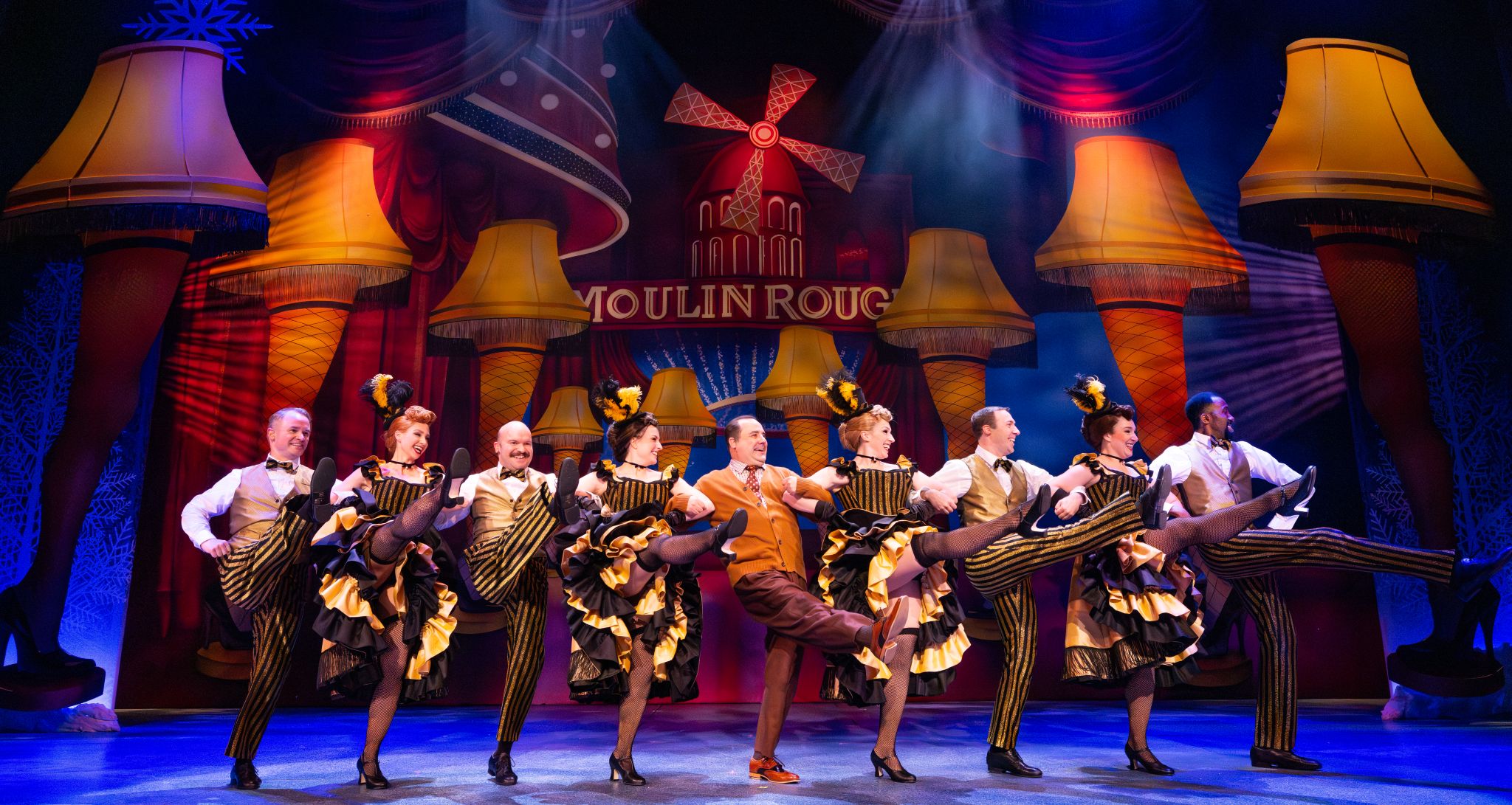
The musical’s success lies in its ability to balance the "holiday cheer" of the season with the realistic, often gritty frustrations of family life. It captures a specific American era while remaining timeless in its portrayal of childhood desire. For theaters producing the show in 2026, the technical requirements—ranging from a leg lamp kick-line to a simulated snowy Indiana landscape—require a blend of traditional stagecraft and modern lighting design to maintain the "sepia-toned" nostalgia that fans expect.
The Parker Family: A Study in 1940s Domesticity
The heart of the musical resides in the Parker household on Cleveland Street. Unlike the film, where we observe the family from a distance, the musical allows each member to voice their inner hopes and frustrations through song, providing a more rounded look at their individual characters.
Ralphie Parker: The Red Ryder Visionary
Ralphie is the quintessential dreamer. In the musical, his character is defined by a relentless drive and a vivid imagination. While the film relies on Ralphie’s facial expressions and the narrator’s voiceover, the stage version gives Ralphie massive vocal responsibilities. Songs like "Red Ryder Carbine Action BB Gun" and "Ralphie to the Rescue" showcase his frantic, high-stakes internal world. In the 2026 theatrical landscape, the role remains one of the most demanding for a child actor, requiring impeccable comic timing, a strong belt voice, and the ability to carry the emotional weight of the entire production. Ralphie isn't just a kid looking for a toy; he is a protagonist struggling for agency in an adult-controlled world.
The Old Man: A Symphony of Creative Profanity
Frank Parker, known simply as "The Old Man," is a character defined by his battles with a "clinker-loving" furnace and the neighbor’s Bumpus hounds. In the musical, he is portrayed with a mix of gruff exterior and genuine paternal affection. His character reaches a pinnacle during "A Major Award," a flamboyant tribute to the infamous leg lamp he wins in a crossword contest. This number transforms the Old Man from a grumpy father into a temporary neighborhood hero, celebrating his one moment of public recognition. His relationship with Ralphie is nuanced; while he is often distracted by his own frustrations, his eventual "holiday cheer" manifests in the quiet realization of his son’s growing maturity.
Mother: The Quiet Strength of Indiana
While the Old Man and Ralphie provide the comedy and drive, Mother (Mrs. Parker) provides the musical's emotional anchor. In the stage adaptation, her character is significantly deepened through her solo numbers, particularly "What a Mother Does" and "Just Like That." These songs acknowledge the invisible labor of maintaining a household and the bittersweet realization that her children are growing up. She is the peacemaker, the one who navigates the Old Man’s temper and Ralphie’s schemes, ensuring that the festive tales of the season aren't overshadowed by the stress of the holidays.
Supporting Characters and the Schoolyard Dynamic
The world outside the Parker home is populated by a cast that brings the "festive tales" to life, often serving as the catalysts for Ralphie's most stressful—and hilarious—moments.
Jean Shepherd: The On-Stage Narrator
A distinct feature of the musical is the physical presence of Jean Shepherd on stage. Unlike the film’s disembodied voice, the stage Shepherd acts as a conductor of memory. He moves between scenes, interacting with the atmosphere (though rarely the characters), and providing the linguistic flair that defines the story. In the 2026 version of the show, directors often emphasize Shepherd’s role as an observer of his own past, highlighting the theme that our holiday cheer is often found in the retrospective appreciation of our "perfectly imperfect" childhoods.
Miss Shields: From Teacher to Tap-Dancing Diva
Ralphie’s teacher, Miss Shields, undergoes the most dramatic transformation in the musical. In the classroom, she is a stern figure of 1940s authority, but in Ralphie’s imagination, she becomes a dazzling performer. The number "You’ll Shoot Your Eye Out" is a show-stopping 1930s-style jazz sequence where Miss Shields and the children perform a complex tap routine. This character serves as the personification of the adult world’s opposition to Ralphie’s dream, but she does so with a flair that adds a necessary burst of energy to the second act.
The Friends and Bullies: Flick, Schwartz, and Scut Farkus
The schoolyard hierarchy is vital to the story's authenticity. Flick and Schwartz represent the camaraderie and peer pressure of childhood, most famously depicted in the "Triple Dog Dare" scene. The musical translates the "tongue-on-a-flagpole" incident into a hilarious, high-stakes ensemble number. Conversely, Scut Farkus and his toady, Grover Dill, provide the conflict. Scut is the quintessential bully with "yellow eyes," and his presence looms over Ralphie’s daily life until the climactic encounter where Ralphie finally stands his ground.
Character Comparison: Film vs. Musical Nuances
The following table highlights the primary differences in characterization and presentation between the original 1983 film and the stage musical adaptation.
| Character | Film Presentation (1983) | Musical Presentation (2026 Standards) | Key Musical Moment |
|---|---|---|---|
| Ralphie | Observational, internal monologue. | Proactive, highly vocal, imaginative. | "Red Ryder Carbine Action BB Gun" |
| The Old Man | Grumpy, focused on the furnace. | Eccentric, dreamer, flamboyant. | "A Major Award" |
| Mother | Practical, secondary role. | Emotional center, reflective, warm. | "What a Mother Does" |
| Jean Shepherd | Voiceover narrator only. | Physical presence, active storyteller. | Narrating the "Leg Lamp" arrival. |
| Miss Shields | Static teacher figure. | Dynamic performer, tap dancer. | "You'll Shoot Your Eye Out" |
| Randy | The "little brother" comic relief. | Energetic, part of the ensemble chaos. | "Before the Old Man Comes Home" |
| Scut Farkus | Menacing bully. | Stylized villain, often a strong dancer. | The "Bully" encounter sequence. |
Musical Numbers as Festive Tales
The songs in A Christmas Story: The Musical do more than just move the plot; they serve as individual "festive tales" that expand on the original source material. Composers Pasek and Paul (known for Dear Evan Hansen and The Greatest Showman) utilized a style that blends traditional Broadway "Golden Age" sounds with contemporary energy.
- "It All Comes Down to Christmas": This opening number establishes the high stakes of the season for every character. It sets the pace for the holiday cheer and the collective anxiety of finding the perfect gift.
- "Genius on Cleveland Street": A duet between the Old Man and Mother that humanizes their relationship, showing the Old Man’s desire to be seen as more than just a provider.
- "Up on Santa’s Lap": This sequence captures the terrifying and surreal experience of visiting a department store Santa. It is a comedic highlight that resonates with anyone who has ever had a disastrous holiday photo-op.
- "A Christmas Story": The finale brings the themes of family and memory together, reminding the audience that the true holiday cheer isn't in the objects we receive, but in the chaotic, loving environment in which we receive them.
Cultivating Holiday Cheer in the 2026 Theater Scene
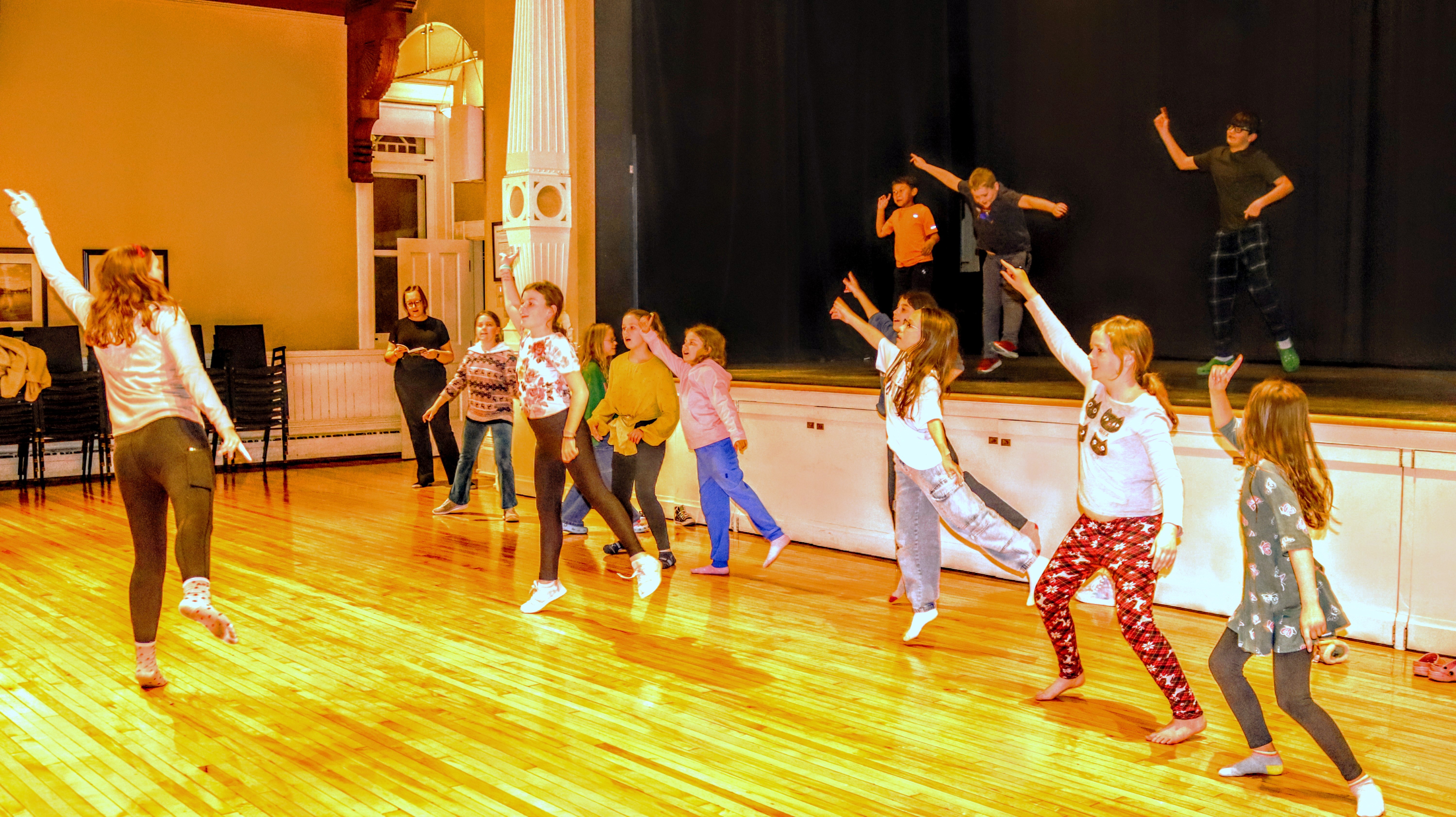
As theaters plan their 2026 seasons, A Christmas Story: The Musical continues to be a top choice for regional and community playhouses. Its large cast of children provides excellent opportunities for youth theater programs, while the roles of the parents and Jean Shepherd offer seasoned adult actors a chance to showcase both comedic and dramatic range.
For audiences, the musical provides a tactile connection to the past. The production design often utilizes "Christmas-card" aesthetics—vibrant reds, deep greens, and warm ambers—to evoke a sense of comfort. In an era dominated by digital entertainment, the "festive tales" told through live performance offer a communal experience that digital media cannot replicate. The "holiday cheer" generated by the show comes from the shared recognition of the Parker family's struggles: the burnt turkey, the broken lamp, and the realization that the best Christmas is the one you talk about for years to come.
Frequently Asked Questions
Is the musical appropriate for all ages?
Yes, A Christmas Story: The Musical is designed as a family-friendly production. While it contains some "simulated" profanity (the Old Man’s famous "gobbledygook" curses) and a brief schoolyard fight, the themes of family and childhood wonder are suitable for young children and adults alike. Most theaters recommend it for ages five and up.
How does the musical handle the "Red Ryder BB Gun" controversy?
The musical treats the BB gun exactly as the film does—as a symbol of childhood longing rather than a literal weapon. The adults’ repeated warning, "You’ll shoot your eye out," is turned into a comedic motif, emphasizing the gap between a child’s vision of a toy and an adult’s concern for safety.
Is the famous "Tongue on the Flagpole" scene in the musical?
Absolutely. It is handled through clever stagecraft and is often accompanied by a humorous ensemble number. It remains one of the most anticipated moments of the show, proving that the festive tales of childhood mishaps are universal.
What are the main differences between the movie and the musical?
The primary difference is the musical's ability to explore characters' inner lives through song. Mother is given much more screen time and emotional depth, and Miss Shields is transformed from a background character into a star performer in Ralphie’s imagination.
Why is Jean Shepherd on stage during the performance?
Having Jean Shepherd as an on-stage narrator allows the audience to feel as though they are listening to a storyteller in person. This matches the original source material, which were radio stories and essays intended to be "told" to an audience. It adds a layer of theatrical intimacy to the festive tales being presented.
Planning Your Holiday Theater Experience
To fully embrace the holiday cheer offered by A Christmas Story: The Musical, consider these practical steps for your 2026 outing:
- Check Local Listings Early: High-demand holiday shows often sell out by November. In 2026, many regional theaters have moved to "early-bird" pricing structures, rewarding those who book their seats in the summer or early fall.
- Review the Score: If you are attending with children, listening to the cast recording (the 2012 Broadway version is the gold standard) can help them follow the story more easily, especially during the fast-paced ensemble numbers.
- Identify the Venue’s Policy: Because the show features a large cast of child actors, some venues offer "talk-backs" after certain performances where the young actors discuss the challenges of the roles. This can be an inspiring experience for young aspiring performers in the audience.
- Look for Licensing Details: For those interested in producing the show, the rights are typically managed by Music Theatre International (MTI). They provide the libretto and orchestration needed to bring these festive tales to life.