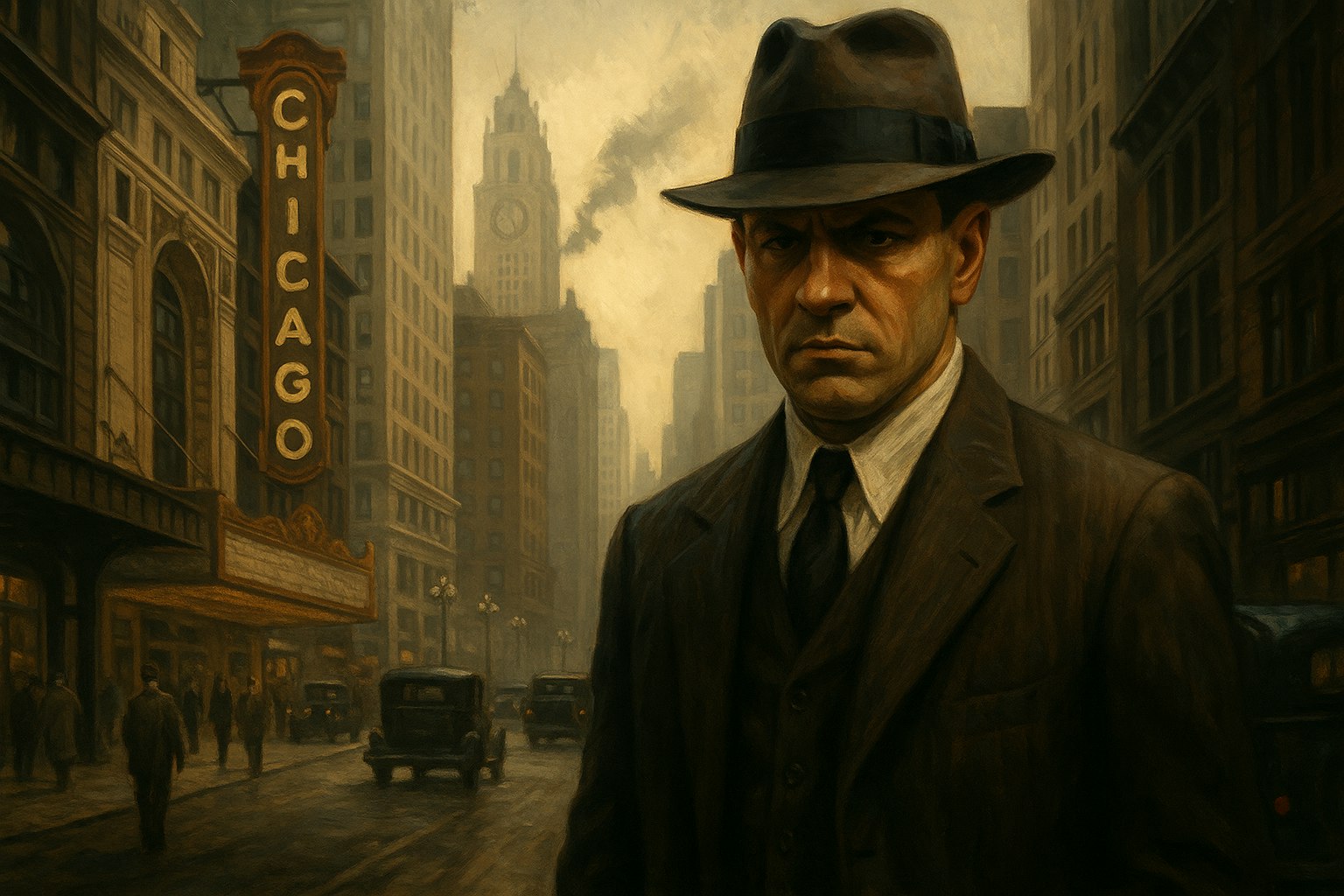
Chicago remains intrinsically linked to the history of organized crime, a narrative that continues to shape the city's cultural identity and academic study well into 2026. This article examines the structural evolution of syndicates in Chicago, transitioning from the Prohibition-era bootlegging empires to the decentralized, technology-driven illicit networks observed in the current decade.
The Structural Evolution of Organized Crime in Chicago
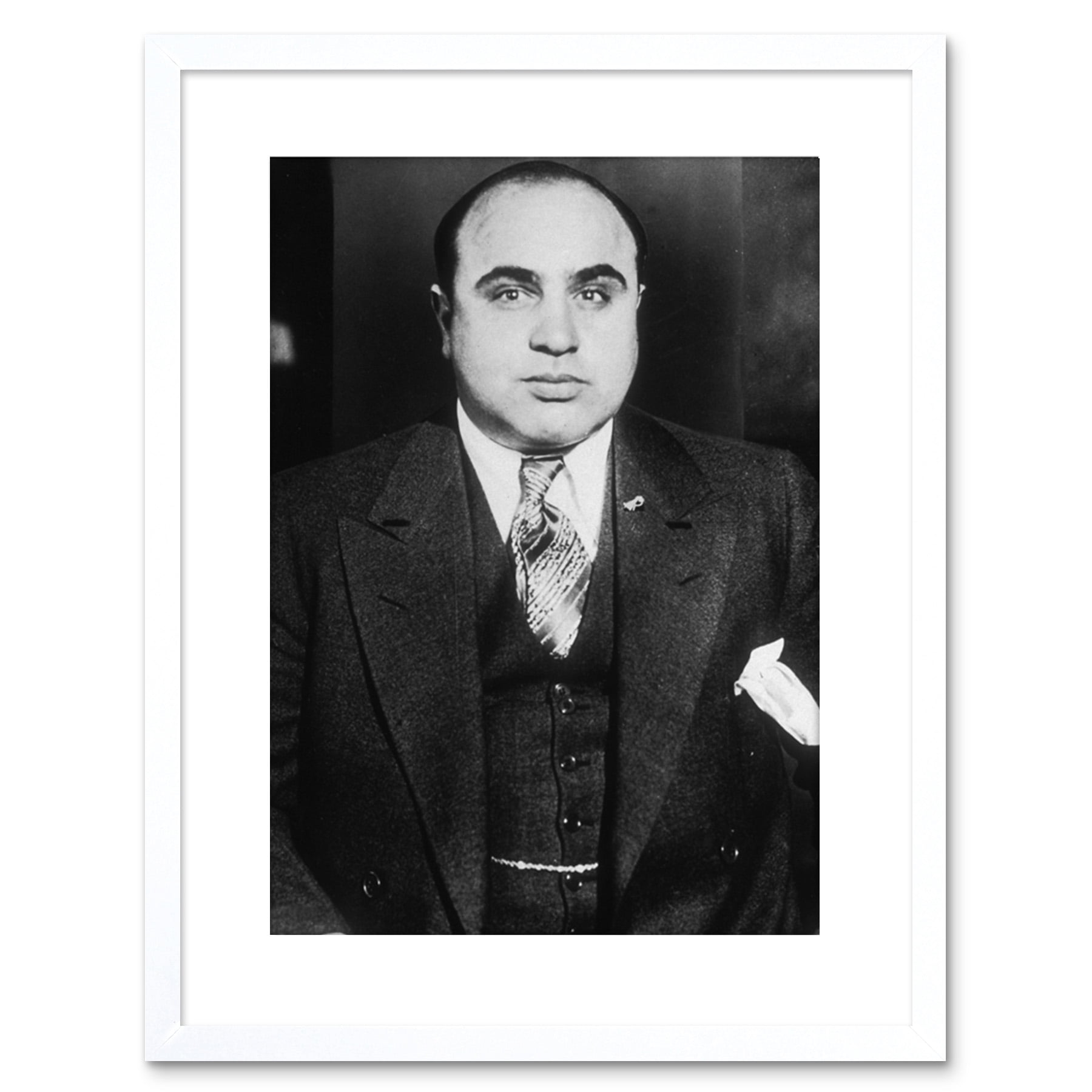
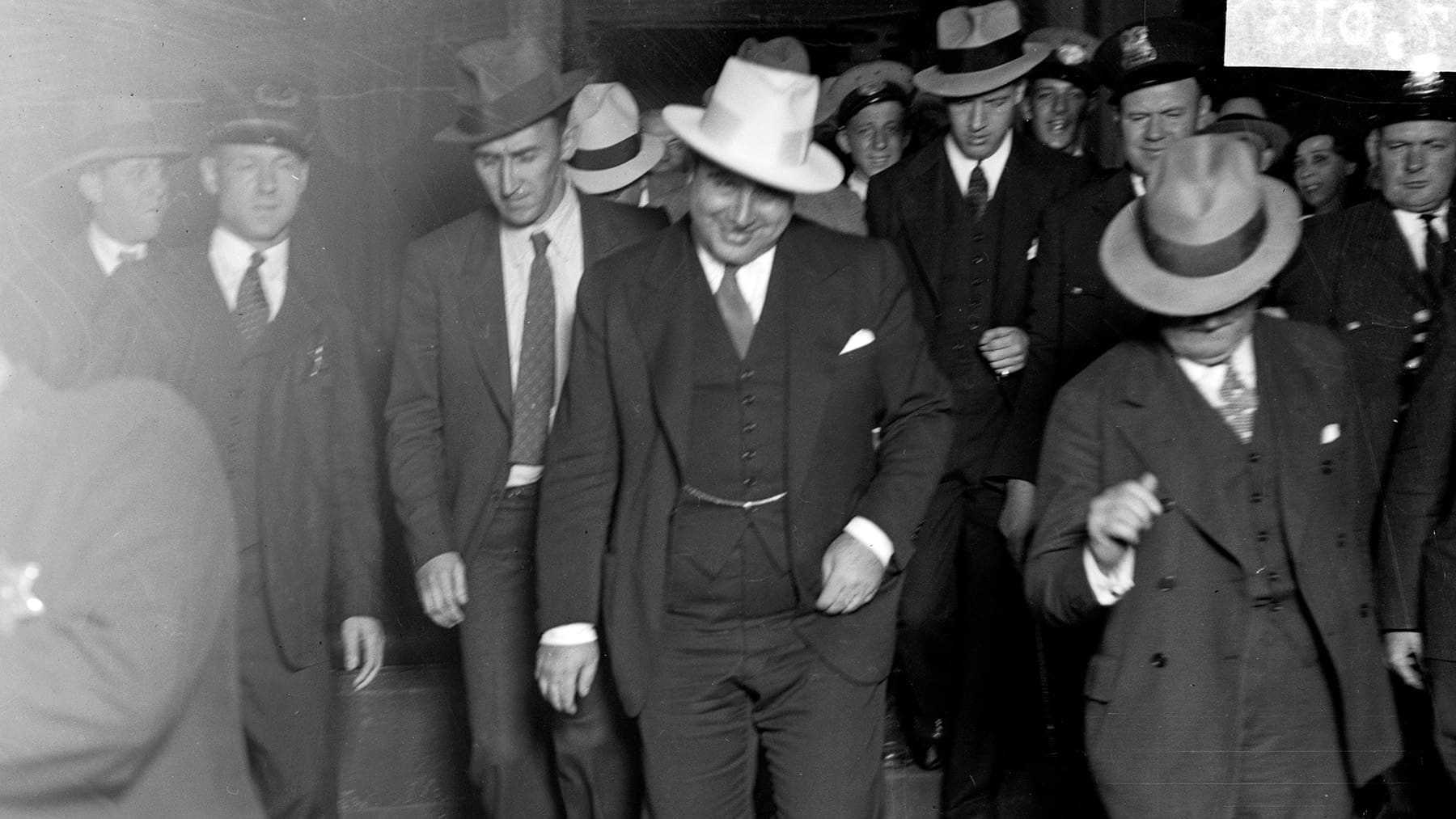
The historical archetype of the Chicago gangster is rooted in the Volstead Act of 1920, which catalyzed the rise of the Chicago Outfit. Led by figures like Al Capone, the organization established a sophisticated hierarchical structure that controlled territory, logistics, and political influence. By 2026, historians and criminologists note that the classic "Boss-Capo" structure has largely dissolved, replaced by fragmented, transient criminal cells.
The shift away from centralized power structures is largely attributed to advancements in federal surveillance capabilities, the implementation of RICO (Racketeer Influenced and Corrupt Organizations) legislation, and the maturation of digital forensics. Where the 20th-century Chicago crime family relied on physical proximity and vertical integration, modern illicit operations prioritize anonymity and digital compartmentalization.
Comparative Framework: Prohibition Era vs. 2026 Criminal Landscape
Understanding the transition requires a quantitative look at how criminal operations have modified their methods of control and income generation. The following table highlights the shift from traditional territorial dominance to modern fluid operations.
| Operational Feature | 1920s - 1930s Model | 2026 Contemporary Landscape |
|---|---|---|
| Core Revenue Stream | Bootlegging and Gambling | Cyber-fraud and Supply Chain Interdiction |
| Organizational Form | Rigid Hierarchical Hierarchy | Decentralized Peer-to-Peer Cells |
| Territorial Scope | Neighborhood-based Monopolies | Global/Digital Borderless Operations |
| Conflict Resolution | Physical Intimidation/Violence | Digital Sabotage and Financial Exposure |
| Law Enforcement Tactic | Local Patrol/Corruption | Federal Cyber-Task Forces/Big Data |
The Socio-Economic Impact on Chicago Neighborhoods
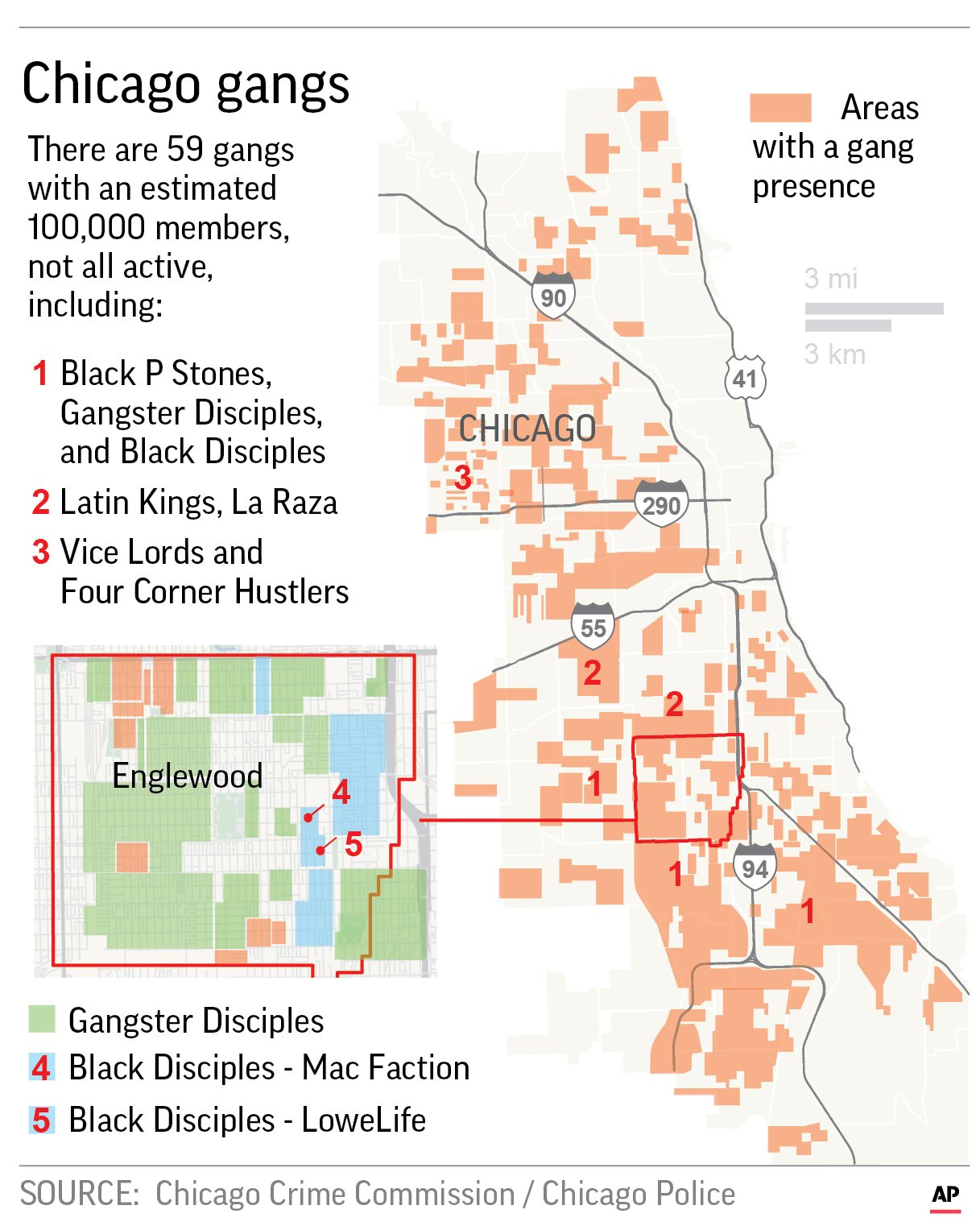
The legacy of the organized crime era is physically etched into the urban geography of Chicago. Areas such as Cicero, the Near West Side, and specific industrial corridors in the South Side contain landmarks that served as headquarters or distribution hubs for historic syndicates. As of 2026, urban planning initiatives have sought to repurpose these sites, often shifting the narrative from infamy to historical preservation or gentrification.
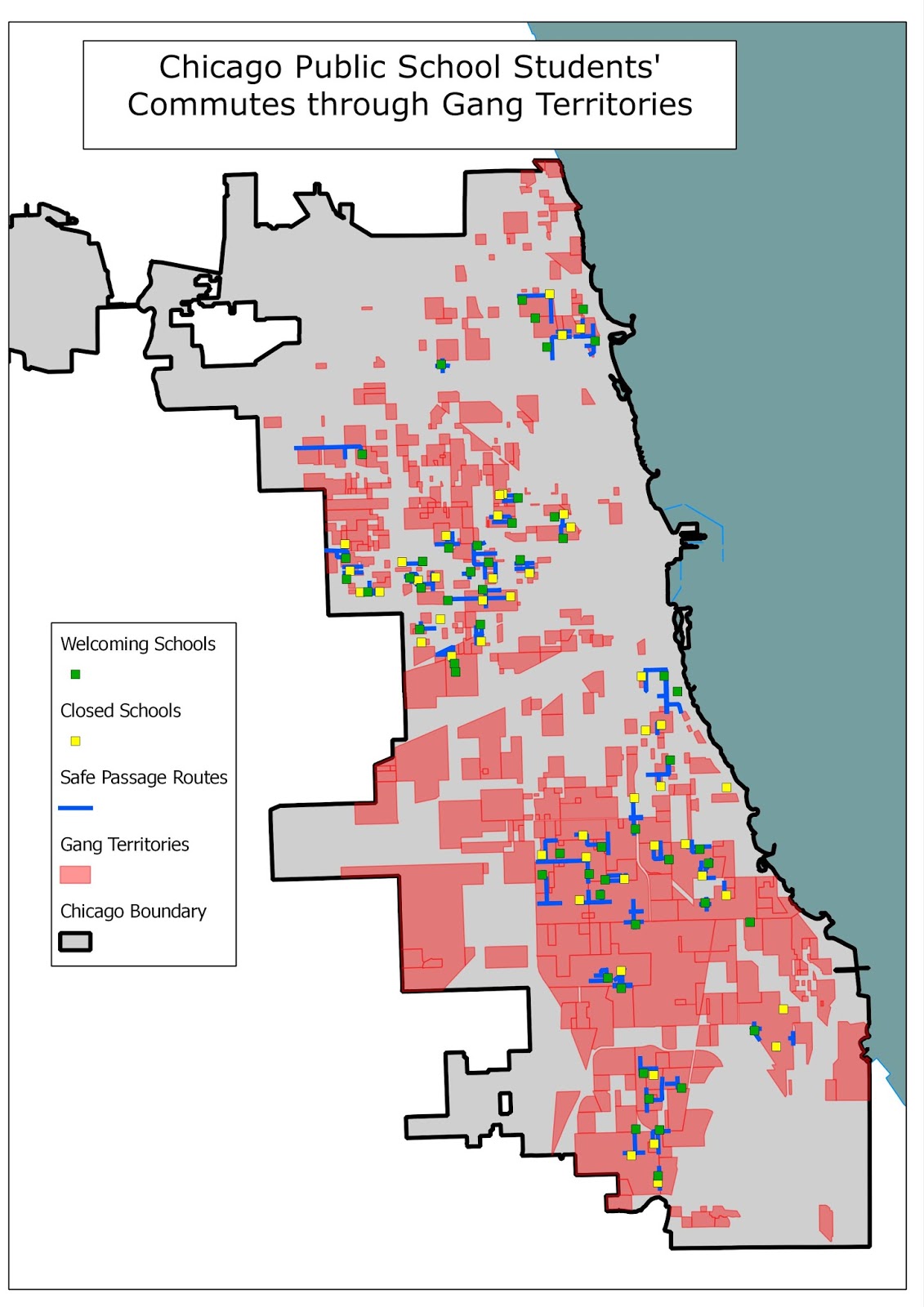
However, the socio-economic shadow remains. The concentration of illicit activity in the early 20th century created long-term cycles of systemic disinvestment. Modern sociological research into the 2026 landscape indicates that the decline of organized labor unions—which were once heavily influenced by the Outfit—has fundamentally altered the socio-economic fabric of the city’s working-class demographics.
Forensic Methodology and Scholarly Investigation
In 2026, the investigation into organized crime is no longer the sole domain of law enforcement. Academic institutions and investigative journalists utilize archival declassification and forensic data mapping to better understand the reach of historical syndicates.
Key Factors in Modern Research
- Archives and Records: Access to formerly restricted FBI and CPD documents from the 1930s-1970s allows researchers to map the intersection of municipal policy and organized crime.
- Geospatial Mapping: Using GIS technology to overlay historic crime data with current urban development patterns reveals how historical neglect facilitates modern vulnerability.
- Economic Influence: Analysis of the "legitimate" businesses established by illicit wealth reveals the permanent integration of criminal proceeds into the city's real estate and finance sectors.
The Institutional Decline of the Outfit
By the mid-2020s, the consensus among regional experts and law enforcement analysts is that the Chicago Outfit as a singular, cohesive organization has effectively ceased to function. While criminal activity persists in the Chicago metropolitan area, it lacks the centralized control, "street tax" enforcement, and political reach that defined the organization during its peak.
Institutional Breakdown Factors
The Erosion of Political Influence The modernization of Chicago municipal elections and the increased oversight of local government contracting have systematically removed the patronage networks that allowed gangs to operate with impunity in the mid-20th century.
Technological Disruption Modern criminal enterprises favor the use of encrypted communication and offshore financial routing, which precludes the need for the physical, face-to-face meetings that once made organized crime vulnerable to surveillance.
Demographic Shifts The shifting demographics of Chicago neighborhoods have broken the localized ethnic cohesion that historically served as the foundation for recruitment and territorial loyalty in organized crime.
Frequently Asked Questions Regarding Chicago Organized Crime
Is the Chicago Outfit still an active organization in 2026?
Current law enforcement assessments suggest the Outfit is largely defunct as a singular entity. While individual actors may engage in illicit activities, the command-and-control structure has effectively dissolved.
Where can one learn more about the history of Chicago gangsters?
The Chicago History Museum provides extensive archives and exhibitions regarding the Prohibition era and its aftermath. Additionally, local historians often host tours focusing on the architectural legacy of the city's past.
How did the Prohibition era define Chicago's global reputation?
The concentration of media attention on bootlegging syndicates during the 1920s created a permanent association between Chicago and organized crime. This narrative has been amplified by decades of cinema, literature, and popular media.
What is the primary difference between historical gangsters and modern criminal networks?
Historical syndicates were defined by rigid hierarchies and territorial control. Modern criminal networks in Chicago are characterized by fluidity, digital operations, and a lack of centralized authority.
Are there remnants of the old "gangster" influence in current Chicago politics?
In 2026, rigorous campaign finance regulations and transparency requirements have significantly minimized the influence of legacy organized crime structures in the political process compared to the mid-20th century.
Analyzing the Cultural Narrative
The enduring fascination with Chicago gangsters serves as a mirror for American values concerning power, ambition, and the morality of the underground economy. As we navigate the complexities of the city in 2026, it is essential to distinguish between the romanticized myths depicted in popular media and the reality of the social damage inflicted by organized crime. Researching this history provides vital insights into the evolution of Chicago's civic institutions and the ongoing efforts to ensure a transparent, secure future for the metropolitan area. Engaging with reputable historical archives and peer-reviewed sociological studies remains the most reliable path to understanding the true impact of the city's past.