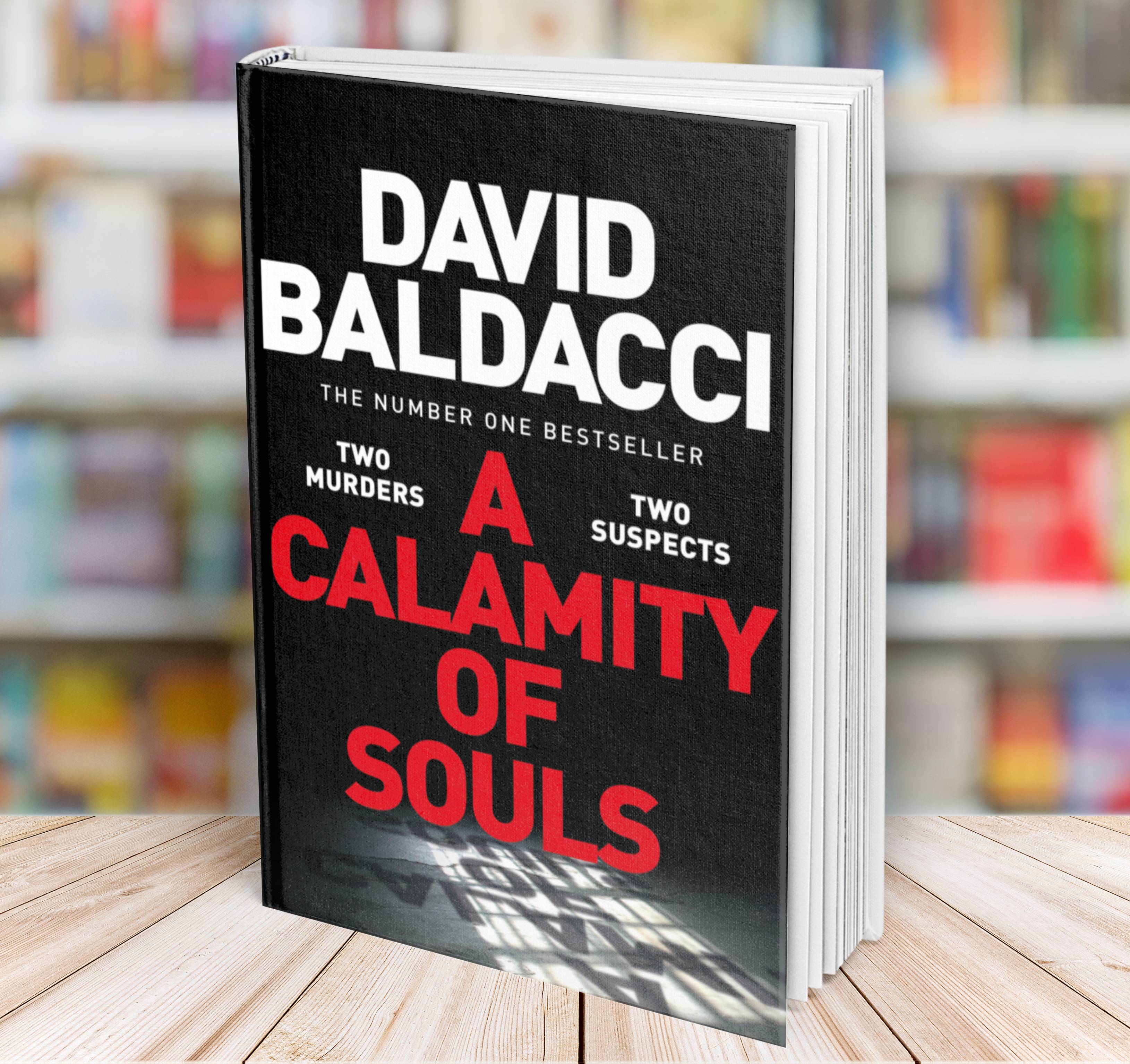
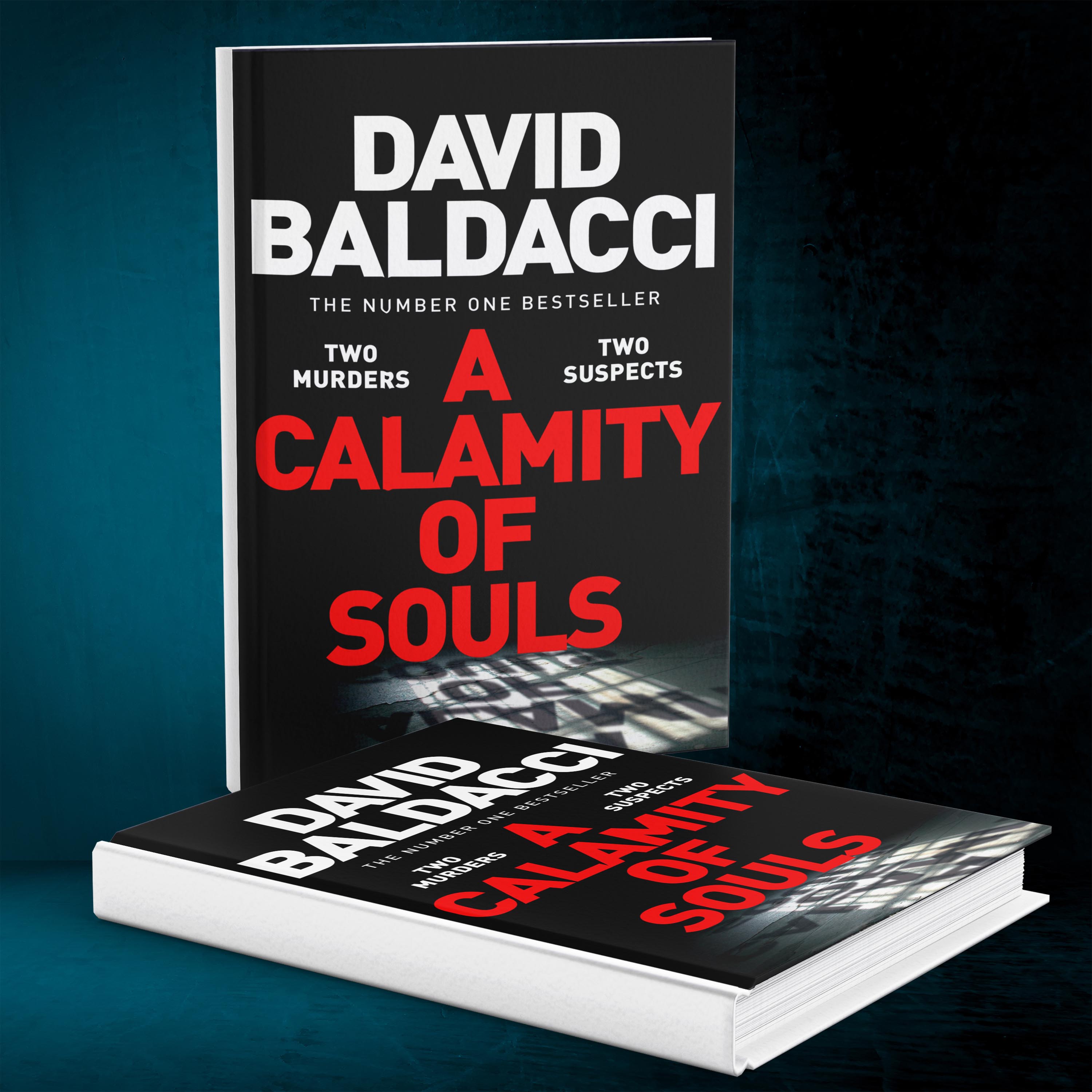
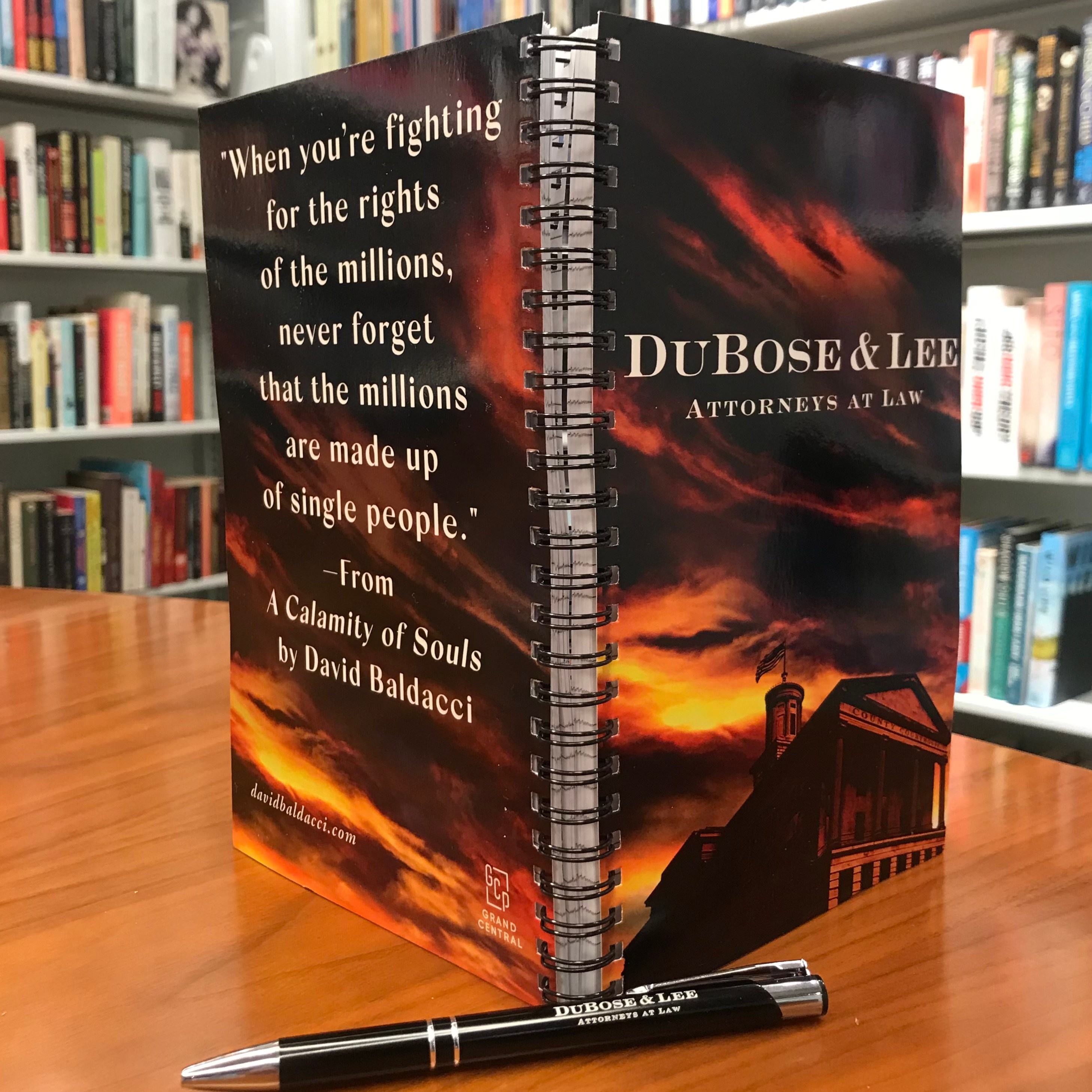
A Calamity of Souls is a standalone historical legal thriller by David Baldacci, published in April 2024. Set in 1968 Virginia, it follows a white lawyer and a Black attorney as they defend a Black man accused of murdering a wealthy white couple, confronting systemic racism and personal danger in the Jim Crow South.
Historical Context and Setting: Virginia in 1968
The year 1968 stands as one of the most tumultuous periods in American history, characterized by the assassination of Dr. Martin Luther King Jr., the escalation of the Vietnam War, and the height of the Civil Rights Movement. David Baldacci meticulously chooses this backdrop for A Calamity of Souls, specifically placing the narrative in the "Southside" region of Virginia. This setting is not merely a stage but a primary antagonist in the story.
In 1968, Virginia was still grappling with the remnants of "Massive Resistance," a policy intended to prevent public school desegregation. While federal laws like the Civil Rights Act of 1964 and the Voting Rights Act of 1965 were technically in effect, the ground-level reality in rural Virginia remained one of segregation, intimidation, and white supremacy. Baldacci captures the atmosphere of Freeman County—a fictional location that mirrors the very real tensions of the era—where the legal system functioned less as a seeker of truth and more as a mechanism for maintaining social order.
The sensory details of the era are vivid: the lack of air conditioning in the humid courthouse, the rigid social hierarchies governing who could sit where, and the underlying threat of violence from groups like the Ku Klux Klan. For the reader in 2026, this historical accuracy provides a visceral look at a legal landscape that is only two generations removed from the present day.
The Protagonists: Jack Lee and Desiree DuBose
The narrative core of the novel rests on the unlikely partnership between two attorneys from vastly different worlds. Their collaboration serves as a microcosm for the larger racial integration efforts occurring across the United States at the time.
Jack Lee: The Local Insider
Jack Lee is a white lawyer who has spent his entire life in Freeman County. He lives with his parents and operates a modest practice, generally avoiding the spotlight. Jack is a man of conscience who recognizes the injustices surrounding him but has largely remained silent to maintain his social and professional standing. His decision to take on the defense of Jerome Washington is his "Rubicon" moment—a point of no return that forces him to choose between the comfort of his community and the demands of justice. His arc is one of awakening, as he begins to see his hometown through the eyes of those it oppresses.
Desiree DuBose: The Driven Outsider
Desiree DuBose arrives in Virginia from Chicago, representing the NAACP Legal Defense Fund. She is everything Jack is not: experienced in high-stakes civil rights litigation, fiercely unapologetic, and intimately aware of how the legal system is rigged against Black defendants. Desiree brings a tactical brilliance to the case, but she also carries the heavy burden of being a Black woman in a hostile environment where her very presence in the courtroom is viewed as an act of rebellion.
The chemistry between Jack and Desiree is grounded in professional respect rather than romantic cliché. They challenge each other’s perspectives—Jack provides the local knowledge and "home court" advantage, while Desiree provides the legal ferocity and the broader perspective of the national struggle for equality.
Plot Summary and Narrative Stakes
The plot is ignited by a brutal double murder. A wealthy and influential white couple, the Randolphs, are found dead in their home. The local authorities quickly arrest Jerome Washington, a Black man who worked for the couple. In the eyes of the white community, the case is open and shut. The evidence, though largely circumstantial and seemingly manufactured, is treated as gospel by a biased police force and a complicit judiciary.
The stakes in A Calamity of Souls are life and death. Jerome Washington faces the death penalty, and in 1968 Virginia, the path from indictment to execution for a Black man accused of killing white elites was tragically short. As Jack and Desiree dig into the evidence, they uncover a web of corruption that extends to the highest levels of the local government.
Baldacci employs his signature pacing to keep the tension high, moving from the quiet, tense atmosphere of legal research to the explosive confrontation of the courtroom. The "calamity" referred to in the title is not just the trial itself, but the moral decay of a society that would rather execute an innocent man than admit its own prejudices.
Themes of Justice, Race, and Social Change
A Calamity of Souls explores several profound themes that remain relevant today. By examining these through the lens of 1968, Baldacci invites readers to reflect on the progress made and the work that remains.
- The Law vs. Justice: A recurring theme is the realization that the law is a tool that can be used for both liberation and oppression. Jack Lee initially believes in the "system," while Desiree DuBose understands that the system is precisely what they are fighting.
- The Cost of Allyship: The novel does not shy away from the social and physical price Jack Lee pays for his defense of Jerome Washington. He loses friends, faces professional ruin, and puts his family at risk. This highlights the reality that true allyship requires more than just sentiment; it requires sacrifice.
- The Weight of History: The "souls" in the title represent the generations of people who have been crushed by systemic inequality. The novel suggests that a "calamity" occurs when the weight of these injustices becomes unbearable, leading to a breaking point in the social fabric.
Comparison of Key Book Elements
The following table summarizes the structural and thematic elements of A Calamity of Souls to provide a clear overview for readers and researchers.
| Feature | Description and Detail |
|---|---|
| Author | David Baldacci |
| Release Date | April 16, 2024 |
| Genre | Historical Fiction, Legal Thriller |
| Primary Setting | Freeman County, Virginia (1968) |
| Main Conflict | Defense of Jerome Washington against a capital murder charge |
| Legal Focus | Due process, jury bias, and 1960s criminal procedure |
| Tone | Intense, moralistic, and suspenseful |
| Core Themes | Racial injustice, the burden of history, and judicial corruption |
| Length | Approximately 480 pages (Standard Hardcover) |
Critical Analysis and Literary Reception
Upon its release and through 2026, A Calamity of Souls has been recognized as a departure from David Baldacci’s typical modern-day thrillers, such as the Amos Decker or Aloysius Pendergast styles (though the latter is Preston/Child, Baldacci fans often cross-read). This novel is frequently compared to Harper Lee's To Kill a Mockingbird and John Grisham’s A Time to Kill.
Critics have praised Baldacci for his deep research into the legal procedures of the late 1960s. Unlike his more action-oriented series, this book relies on psychological tension and the high-stakes drama of "voir dire" (jury selection) and cross-examination. The character of Desiree DuBose has been particularly lauded as one of Baldacci’s most complex and well-realized female characters, representing the unsung heroes of the NAACP Legal Defense Fund.
However, some literary analysis suggests that while the book is a masterclass in thriller pacing, it occasionally leans into familiar tropes of the "white savior" narrative, though Baldacci attempts to subvert this by giving Desiree DuBose equal weight and agency in the resolution of the case. In the context of 2026, the book is viewed as a significant entry in the "New Historical Thriller" movement, where established authors use their platforms to explore difficult chapters of American history.
Comparison with Other David Baldacci Works
For long-time readers of Baldacci, A Calamity of Souls represents a more somber and grounded tone. While books like The 6:20 Man or the Memory Man series focus on high-tech crimes or extraordinary individuals with near-supernatural abilities, this novel focuses on ordinary people in extraordinary circumstances.
- Pacing: While still fast-paced, the "speed" comes from the ticking clock of the trial rather than high-speed chases.
- Research: The historical detail is much denser here than in his contemporary political thrillers.
- Emotional Depth: There is a greater focus on the internal moral struggle of the protagonist (Jack Lee) compared to the more stoic leads of his earlier series.
For more information on the author's complete bibliography, readers can visit the official David Baldacci website.
Frequently Asked Questions
Is "A Calamity of Souls" part of a series?
No, A Calamity of Souls is a standalone novel. While David Baldacci is famous for his long-running series like the Camel Club or Will Robie books, this story was designed as a self-contained exploration of a specific historical moment and does not require any prior reading of his other works.
How much of the book is based on true events?
While the characters of Jack Lee, Desiree DuBose, and Jerome Washington are fictional, the setting and the social climate are based on historical facts. Baldacci, a Virginia native and former trial lawyer, drew from the real-world history of the Southern legal system during the Civil Rights era. The systemic biases and legal hurdles depicted in the book reflect documented historical occurrences in the 1960s American South.
What is the significance of the title?
The title refers to the collective moral and spiritual crisis of a community that allows injustice to flourish. It suggests that when the legal system fails to protect the innocent, it is not just a failure of law, but a "calamity" that affects the souls of everyone involved—the victims, the accused, the perpetrators, and the silent witnesses.
Is the book suitable for young adult readers?
A Calamity of Souls is written for an adult audience but is frequently recommended for older teenagers (16+) due to its historical importance and themes. It contains depictions of racism, period-typical slurs, and descriptions of violence consistent with a murder trial, which are used to illustrate the harsh realities of the 1968 setting.
How does the 2024 publication date influence the story?
Writing the book in the early 2020s allowed Baldacci to look back at 1968 with a contemporary understanding of civil rights progress. The book reflects modern sensibilities regarding racial equity while remaining faithful to the historical period it depicts, creating a bridge between the struggles of the past and the conversations of the present.
Practical Recommendation for Readers
If you are a fan of legal dramas that prioritize character development and historical accuracy over gadgets and international espionage, A Calamity of Souls is a mandatory addition to your library. It is best enjoyed by those who appreciate the intricacies of courtroom strategy and the slow-burn tension of a moral thriller.
To get the most out of the experience, readers may want to briefly familiarize themselves with the 1964 Civil Rights Act and the general history of the NAACP Legal Defense Fund, as these real-world elements provide the legal foundation for Desiree DuBose's actions in the book. As of 2026, the audiobook version, narrated by professional voice actors who capture the specific regional accents of 1960s Virginia, remains a highly-rated way to experience the narrative’s emotional depth.