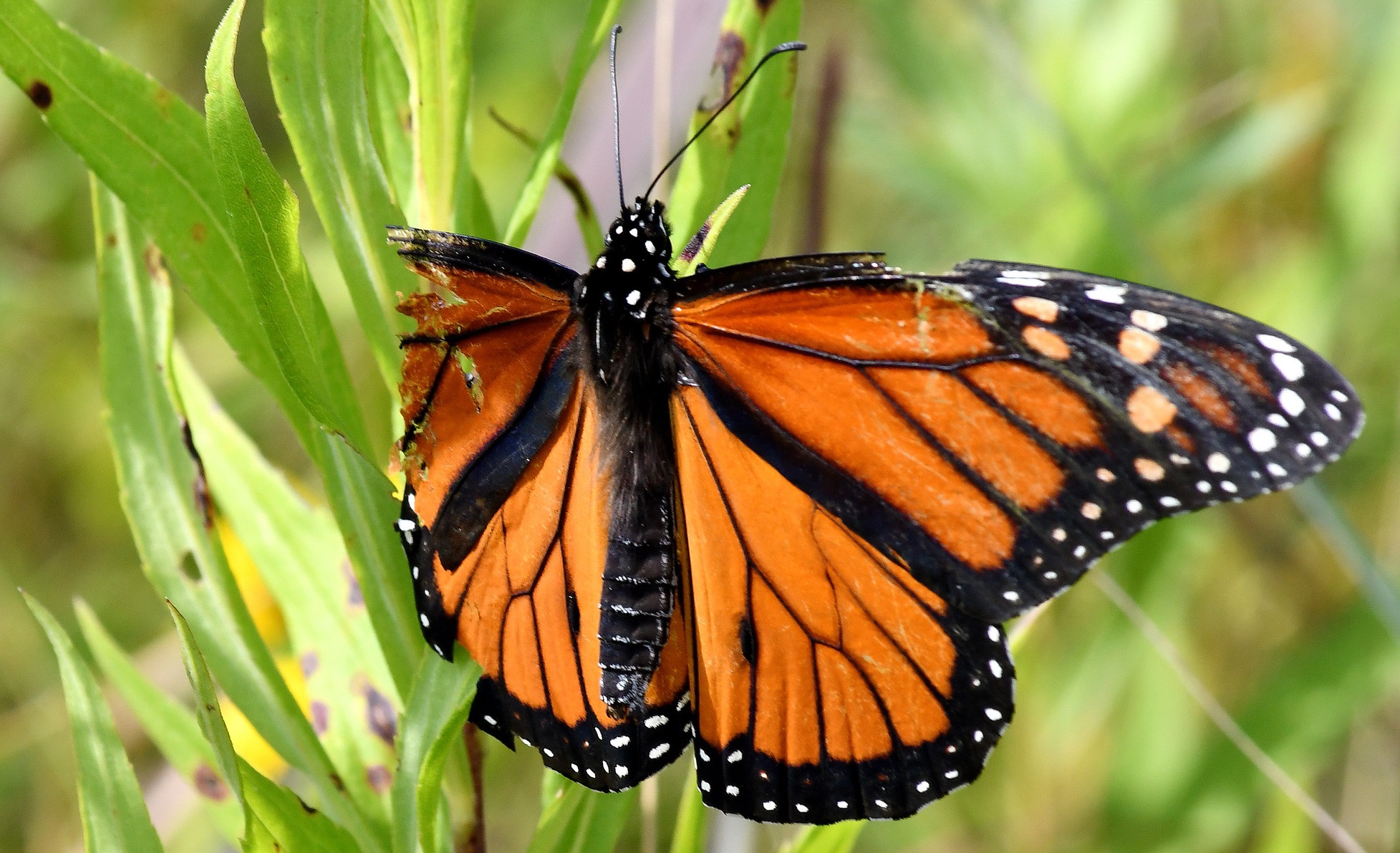
Butterfly wings do not grow back after they have been damaged. Once a butterfly emerges from its chrysalis, its wings are fully formed and consist of non-living tissue, similar to human fingernails or hair. While butterflies can often survive and even fly with minor tears or missing scales, they lack the biological mechanism to regenerate lost wing membrane or structural veins.
The Biological Reality of Butterfly Wing Structure
To understand why butterfly wings cannot regenerate, one must look at the biological makeup of the insect's final life stage. Butterflies are holometabolous insects, meaning they undergo a complete metamorphosis: egg, larva (caterpillar), pupa (chrysalis), and imago (adult). The adult stage is the final reproductive phase of their life cycle. During this stage, the butterfly’s primary focus is mating and dispersing eggs, not growth or cellular repair.
The wings themselves are composed of layers of a protein called chitin, which is the same material that forms the rest of the insect's exoskeleton. These layers are extremely thin and are supported by a network of hollow veins. When a butterfly first emerges from the chrysalis, these veins are filled with hemolymph (insect blood), which creates the pressure necessary to expand the wings. Once the wings reach their full size and dry, the hemolymph mostly recedes or ceases to flow through the smaller structures, and the chitin hardens.
Because the wing tissue is no longer "alive" in the sense of having active, dividing cells or a robust circulatory system, there is no way for the body to transport nutrients or building materials to a site of injury. Consequently, a tear in the wing remains a tear for the remainder of the butterfly's life. This is a stark contrast to the larval stage, where a caterpillar may be able to heal some minor cuticle damage through successive molts.
How Wing Damage Affects Survival and Flight
The impact of wing damage depends heavily on the location and extent of the injury. Butterflies are remarkably resilient, and many individuals in the wild are observed flying with significant portions of their wings missing. However, the wings are not merely aesthetic; they are precision instruments required for thermoregulation, predator evasion, and finding mates.
Flight Mechanics and Symmetry
Butterfly flight is a complex aerodynamic process involving various flapping patterns, such as the "clap and fling." If a piece of the wing is missing, it creates an aerodynamic imbalance. If the damage is to the "leading edge" (the front part of the forewing), the butterfly’s ability to generate lift and thrust is severely compromised. If the damage is to the "trailing edge" (the back part of the wings), the butterfly may still be able to fly, though it will have to exert more energy to stay aloft.
Scaling and Thermoregulation
Butterfly wings are covered in thousands of tiny, overlapping scales. These scales give the wings their color and patterns, but they also serve a functional purpose. They help the butterfly regulate its body temperature by absorbing or reflecting sunlight. If a butterfly loses a large patch of scales due to handling or environmental friction, its ability to warm up its flight muscles in the morning may be delayed, making it more vulnerable to predators.
Predator Evasion
The patterns on a butterfly’s wings often serve as camouflage (crypsis) or as warning signals to predators (aposematism). Large tears can disrupt these patterns, making the butterfly more visible to birds or lizards. Furthermore, damaged wings often produce a distinct "fluttering" sound or erratic movement that can attract the attention of predators who recognize the insect as weakened and easy prey.
Common Causes of Wing Damage in 2026
As of 2026, environmental factors continue to be the primary cause of wing degradation. While natural wear and tear are expected, certain modern pressures have exacerbated the frequency of wing injuries in lepidoptera populations.
- Predatory Strikes: Birds and dragonflies are the most common natural causes of wing loss. A "beak mark" is a common sight—a triangular chunk missing from the wing where a bird attempted to grab the butterfly mid-flight.
- Environmental Friction: High winds, heavy rains, and dense, thorny vegetation can physically tear the delicate chitinous membrane. In urban environments, collisions with vehicles and glass surfaces are frequent.
- Pathogens and Parasites: One of the most significant threats to species like the Monarch butterfly is the protozoan parasite Ophryocystis elektroscirrha (OE). Butterflies heavily infected with OE often emerge from their chrysalis with severely deformed or "crumpled" wings that never fully expand. These wings are not technically "damaged" by an outside force, but they are non-functional from birth.
- Improper Handling: Human curiosity often leads to wing damage. The oils on human skin can rub off the microscopic scales, and the pressure required to hold a butterfly can easily snap the delicate wing veins.
Assessing Damage: Survival Probability Table
If you find a butterfly with damaged wings, use the following table to understand its chances of survival and whether intervention is possible.
| Damage Type | Severity | Impact on Flight | Survival Prognosis | Recommended Action |
|---|---|---|---|---|
| Minor Tearing | Low | Negligible | High | Release in a safe, floral area. |
| Loss of Scales | Low | Minimal | High | Avoid further handling; ensure sun access. |
| Trailing Edge Loss | Moderate | Increased energy cost | Moderate | Provide high-sugar nectar sources. |
| Leading Edge Break | High | Severely impaired | Low | Consider wing repair (patching). |
| Crumpled/Unexpanded | Critical | Flightless | Very Low | Hand-rearing or euthanasia. |
| Symmetrical Loss | Moderate | Balanced but heavy | Moderate | Monitor for predator presence. |
The Art of Butterfly Wing Repair (Butterfly Surgery)
While wings do not grow back naturally, it is possible to repair them through a process often referred to as "butterfly surgery." This technique was popularized by conservationists and hobbyists to save individuals that would otherwise perish.
Materials Required
To perform a repair, one needs a "donor wing" (from a butterfly that has recently passed away), cardstock or thin parchment, contact cement (or a specialized non-toxic adhesive), and tweezers. It is vital to use an adhesive that dries quickly and does not emit fumes that could overwhelm the insect's respiratory system (spiracles).
The Repair Process
- Immobilization: The butterfly is typically placed in a "pressing" device or held gently with the wings flattened. Some practitioners lightly chill the butterfly in a refrigerator for a few minutes to slow its metabolism and reduce movement.
- Trimming: The damaged area of the wing is trimmed to create a clean edge for the patch to bond to.
- Patching: A corresponding piece of a donor wing is cut to size. If a donor wing is unavailable, a piece of lightweight cardstock can be used, though it lacks the aerodynamic properties of real chitin.
- Adhesion: A very small amount of adhesive is applied to the overlap. It is critical that the veins of the patch align as closely as possible with the existing veins to maintain structural integrity.
- Splinting: In cases of a snapped vein, a tiny sliver of a toothpick or a strand of stiff hair may be used as a "splint" to provide vertical support.
This process does not hurt the butterfly, as there are no nerve endings in the wing membrane. However, it requires a steady hand and extreme precision. A successful repair can return a flightless butterfly to the air, allowing it to complete its life cycle.
Caring for a Flightless Butterfly
In cases where the damage is too severe for repair—such as when the wing is missing at the base or the butterfly is too weak—the best course of action is providing "hospice" care. A flightless butterfly can still live a relatively comfortable life if its basic needs are met.
Housing: Use a mesh enclosure that allows the butterfly to climb. Since it cannot fly, it needs to be able to reach its food by walking. Ensure there are no sharp edges or rough surfaces that could cause further damage.
Feeding: Since the butterfly cannot forage, you must provide a consistent nectar source. A solution of one part plain white sugar to four parts water is standard. You can offer this on a saturated sponge or a bottle cap. To encourage feeding, you may need to gently unroll the butterfly’s proboscis with a toothpick and dip the tip into the solution.
Hydration and Environment: Keep the enclosure in a room with natural light so the butterfly can maintain its circadian rhythm. Mist the enclosure lightly with water to maintain humidity, which prevents the remaining wing structures from becoming overly brittle.
Frequently Asked Questions
Does it hurt a butterfly when its wing is torn?
No, a butterfly does not feel pain in its wings. The wing membrane and veins are made of chitin and do not contain nerves. However, the butterfly may experience stress from the loss of mobility or the physical struggle associated with the injury.
Can a butterfly fly with half a wing?
It depends on which half is missing. If the butterfly has lost the outer half of one wing (the trailing edge), it can often compensate by flapping faster or at a different angle. If the inner half (near the body) or the leading edge is gone, flight is usually impossible because the wing cannot generate the necessary "scoop" of air.
How long can a butterfly live with damaged wings?
A butterfly's lifespan is already quite short—typically two to four weeks for most species. With wing damage, this can be shortened significantly in the wild due to predation. However, in a protected environment with hand-feeding, a damaged butterfly can live out its full natural lifespan.
Should I pull off a hanging piece of a butterfly wing?
If a piece of the wing is dangling and clearly hindering the butterfly's movement or causing it to trip while walking, you can carefully trim it off using sharp, sterilized scissors. Because the wing has no nerves, this is similar to trimming a broken fingernail.
Supporting Lepidoptera in Your Local Ecosystem
The best way to address butterfly wing damage is to prevent it by fostering healthy, resilient populations. As we move through 2026, the focus of lepidoptera conservation has shifted toward "habitat connectivity." By planting native milkweed and nectar sources, you provide "refueling stations" that allow butterflies to fly shorter distances between safe zones, reducing the likelihood of exhaustion-related accidents.
Avoid using pesticides, which can weaken the chitinous structures of developing larvae, leading to more fragile wings in adults. If you find a damaged butterfly, the most impactful action you can take is to provide it with a safe, predator-free space and a high-energy food source. While we cannot make their wings grow back, we can ensure that their remaining days are spent in a manner that supports the continuation of their species.