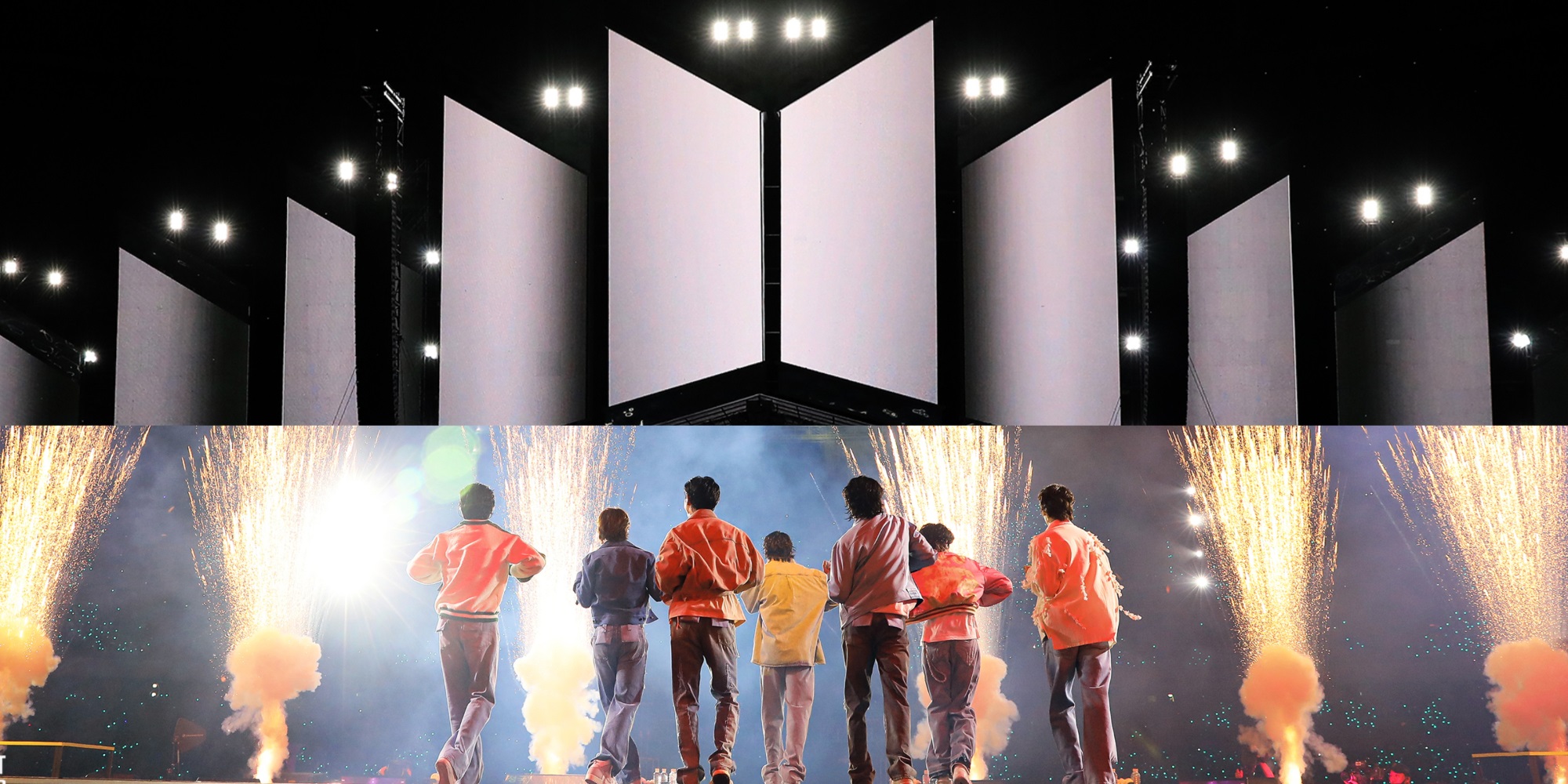
The acronym BTS primarily stands for Bangtan Sonyeondan (Bulletproof Boy Scouts) in the context of the global South Korean music group. In professional media production, it denotes Behind The Scenes footage. In telecommunications, it refers to a Base Transceiver Station, which is a critical piece of hardware in mobile networks.
The meaning of BTS varies significantly depending on the industry, ranging from pop culture and linguistics to high-level networking and manufacturing. Because the acronym is so pervasive, understanding its context is essential for clear communication. In 2026, the term remains one of the most searched acronyms globally due to the overlapping influence of the music group and the increasing technical literacy required in the digital age.
The Global Phenomenon: BTS as Bangtan Sonyeondan
In the world of music and entertainment, BTS is the official name of the South Korean boy band that debuted in 2013 under Big Hit Entertainment (now HYBE). The acronym is derived from the Korean phrase Bangtan Sonyeondan (방탄소년단), which literally translates to "Bulletproof Boy Scouts."
The conceptual origin of the name was deeply rooted in social advocacy. According to the group’s members and their label, "Bangtan" refers to being resistant to bullets—specifically the "bullets" of societal expectations, stereotypes, and criticisms directed at youth. The name was intended to symbolize the group’s mission to protect the values and dreams of their generation.
The 2017 Rebranding: "Beyond The Scene"
As the group achieved unprecedented international success, their management introduced an additional meaning for the acronym in July 2017. While "Bangtan Sonyeondan" remained the original Korean name, the brand identity was expanded to include Beyond The Scene.
This rebranding was a strategic move to appeal to a broader, English-speaking global audience. It symbolized the group moving forward, transcending the boundaries of their current reality, and opening new doors. For fans (known as ARMY), the dual meaning represents both the group’s protective origins and their limitless future potential. By 2026, this rebranding is fully integrated into the group's legacy, representing their transition from a K-pop act to a global cultural institution.
Behind The Scenes: The Media and Marketing Standard
In the film, television, and social media industries, BTS is the universal shorthand for Behind The Scenes. This refers to any content, footage, or photography that documents the production process of a project.
Historically, BTS content was reserved for "Special Features" on DVDs or blooper reels. However, in the current 2026 digital landscape, BTS content has become a primary marketing asset. Content creators, influencers, and major film studios use "making-of" clips to build authenticity and engagement with their audience.
The Value of BTS Content in 2026
- Humanization of Brands: Showing the "messy" or hard-working reality behind a polished final product helps brands connect emotionally with consumers.
- Educational Purpose: Aspiring filmmakers and photographers use BTS videos to study lighting setups, camera movements, and directorial techniques.
- Monetization: Exclusive BTS footage is frequently used as a tiered reward on subscription platforms like Patreon or specialized fan-engagement apps.
Technical Context: Base Transceiver Station (Telecommunications)
For engineers and telecommunications professionals, BTS stands for Base Transceiver Station. This is a specific piece of equipment that facilitates wireless communication between a user's mobile device (UE) and a network.
The BTS is the part of the network that communicates directly with mobile phones via radio waves. It consists of transceivers, power amplifiers, combiners, duplexers, and antennas. In the hierarchy of mobile networking, the BTS is managed by a Base Station Controller (BSC).
BTS in the Era of 5G-Advanced and 6G
As of 2026, the role of the BTS has evolved with the rollout of 5G-Advanced and early research into 6G. Modern base stations are no longer just massive towers; they include "Small Cells" and "Distributed Antenna Systems" (DAS) that provide high-density coverage in urban environments. The transition toward Open RAN (Open Radio Access Network) has also changed how BTS hardware and software interact, allowing for more vendor flexibility and energy efficiency in network management.
Secondary Meanings Across Various Industries
While music, media, and tech dominate the search intent for "BTS," the acronym appears in several other specialized fields.
Retail and Education: Back To School
In the retail industry, particularly during the months of July, August, and September, BTS stands for Back To School. This is a major commercial period focused on the sale of stationery, electronics, and apparel. Retailers often use "BTS Sales" as a core part of their third-quarter financial strategy.
Government and Logistics: Bureau of Transportation Statistics
In the United States, the BTS is the Bureau of Transportation Statistics. It is a component of the Department of Transportation (DOT) and serves as the preeminent source for objective data on commercial aviation, freight movement, and passenger travel. Policymakers and logistics companies rely on this BTS for data-driven decision-making.
Medicine: British Thoracic Society
In the medical community, especially within the United Kingdom, BTS refers to the British Thoracic Society. This professional body is dedicated to improving the care of people with respiratory diseases. They are known for publishing influential clinical guidelines on asthma, pneumonia, and sleep apnea.
Manufacturing: Build To Stock
In supply chain management, BTS stands for Build To Stock. This is a production strategy where goods are manufactured based on demand forecasts rather than specific customer orders. It is the opposite of BTO (Build To Order).
Comparison of BTS Acronym Meanings
| Industry | Full Meaning | Primary Usage | Target Audience |
|---|---|---|---|
| Music / K-pop | Bangtan Sonyeondan | Global music group identity | Music fans, ARMY |
| Film / Media | Behind The Scenes | Production/Making-of content | Creators, Marketers |
| Telecommunications | Base Transceiver Station | Network hardware infrastructure | Engineers, IT Pros |
| Commerce | Back To School | Seasonal marketing campaigns | Students, Parents |
| Logistics | Bureau of Transportation Stats | Data collection and reporting | Policy Analysts |
| Healthcare | British Thoracic Society | Respiratory medical standards | Doctors, Nurses |
Why the Context of BTS Matters in 2026
The convergence of these meanings can lead to significant confusion in digital communication. For example, a social media post tagged #BTS might be intended to show a "Behind The Scenes" look at a tech company's new "Base Transceiver Station," but it will likely be discovered by millions of music fans searching for the latest updates on the band.
SEO and Digital Clarity
For businesses and creators, specifying the context of "BTS" is a matter of search engine optimization (SEO) and user experience.
- For Music: Keywords should include the members' names (RM, Jin, Suga, J-Hope, Jimin, V, Jungkook).
- For Media: Use terms like "the making of," "production diary," or "on-set footage."
- For Tech: Use "telecom," "network infrastructure," or "GSM/LTE/5G" to ensure the correct audience is reached.
Social Media Etiquette
In 2026, platform algorithms have become more sophisticated at identifying context. However, users are still encouraged to use secondary tags. If you are posting about the band, using #BTSArmy helps narrow the field. If you are a civil engineer posting about a tower, using #TelecomBTS prevents your post from being buried in music-related content.
What is the original Korean name of BTS?
The original name is Bangtan Sonyeondan, which translates to "Bulletproof Boy Scouts." It was chosen to represent the group's desire to deflect the social "bullets" of prejudice and pressure aimed at young people.
Does BTS mean "Behind The Scenes" in the music industry?
While the acronym is used for "Behind The Scenes" content of the group, the group's name itself is a separate entity. In film and music video production, a "BTS video" of a BTS (the band) shoot is a common, if confusingly named, occurrence.
What are the components of a Base Transceiver Station?
A standard BTS in telecommunications includes a Transceiver (TRX) for sending and receiving signals, a Power Amplifier to boost signal strength, a Combiner to feed multiple signals into one antenna, and the Antenna itself.
Why did BTS add "Beyond The Scene" to their name?
In 2017, the group added "Beyond The Scene" as a secondary English-language meaning to represent growth and a "limitless" future. This helped the group's branding resonate more effectively with international audiences who may not have understood the Korean "Bangtan" reference.
Is the Bureau of Transportation Statistics related to the band?
No. The Bureau of Transportation Statistics is a United States government agency. There is no affiliation between the government bureau and the South Korean musical group, despite sharing the same acronym.
Recommendation for Correct Usage
When using the acronym BTS, always establish the context in the first paragraph of your communication. If you are writing a technical report, define it as Base Transceiver Station (BTS) upon the first mention. If you are marketing a film, use the phrase "Behind The Scenes (BTS)" to avoid being confused with pop culture content. For those referring to the music group, the acronym is now so globally recognized that it often stands alone, though using the group’s full name or secondary meaning "Beyond The Scene" can provide additional clarity for formal biographies or academic papers.