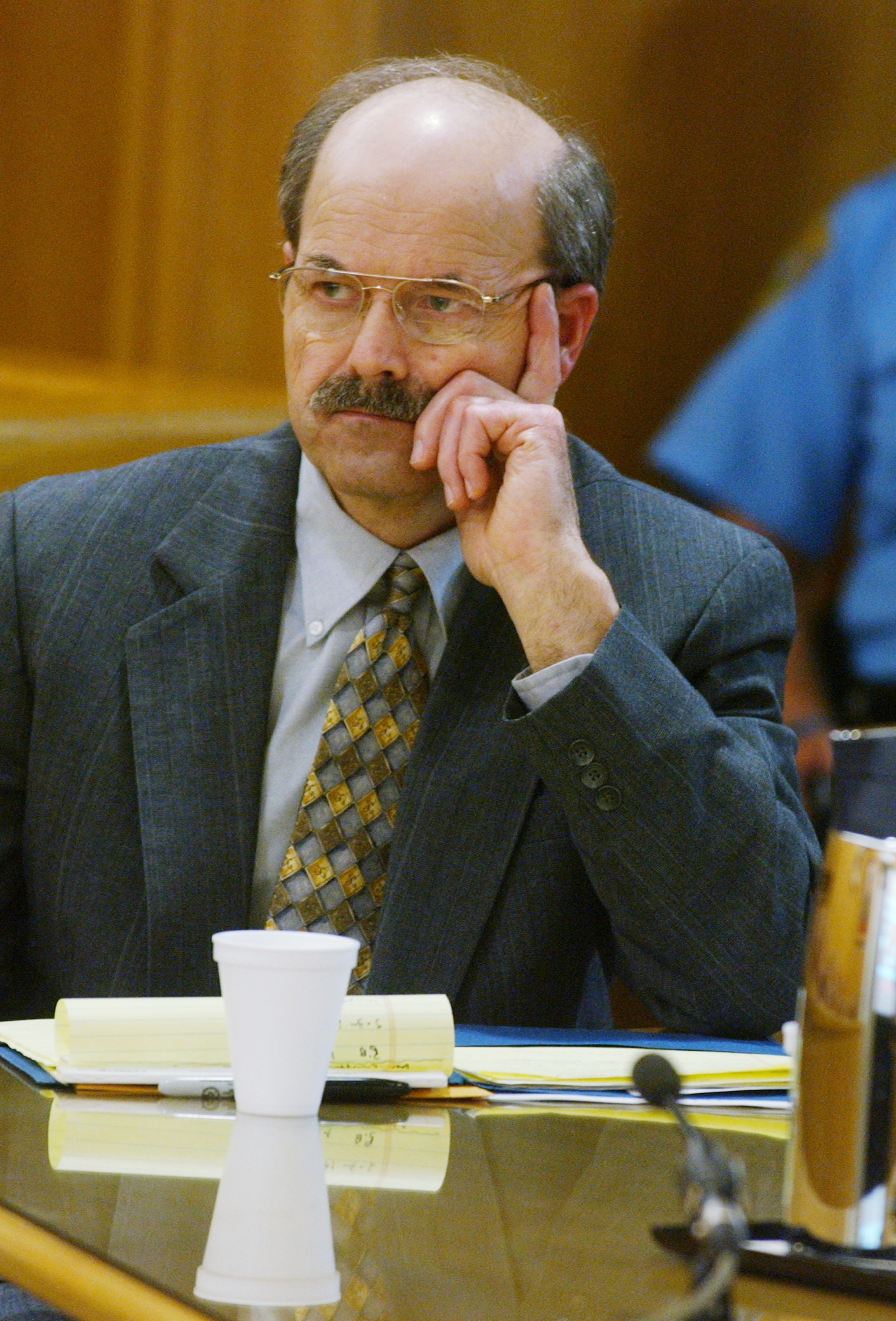
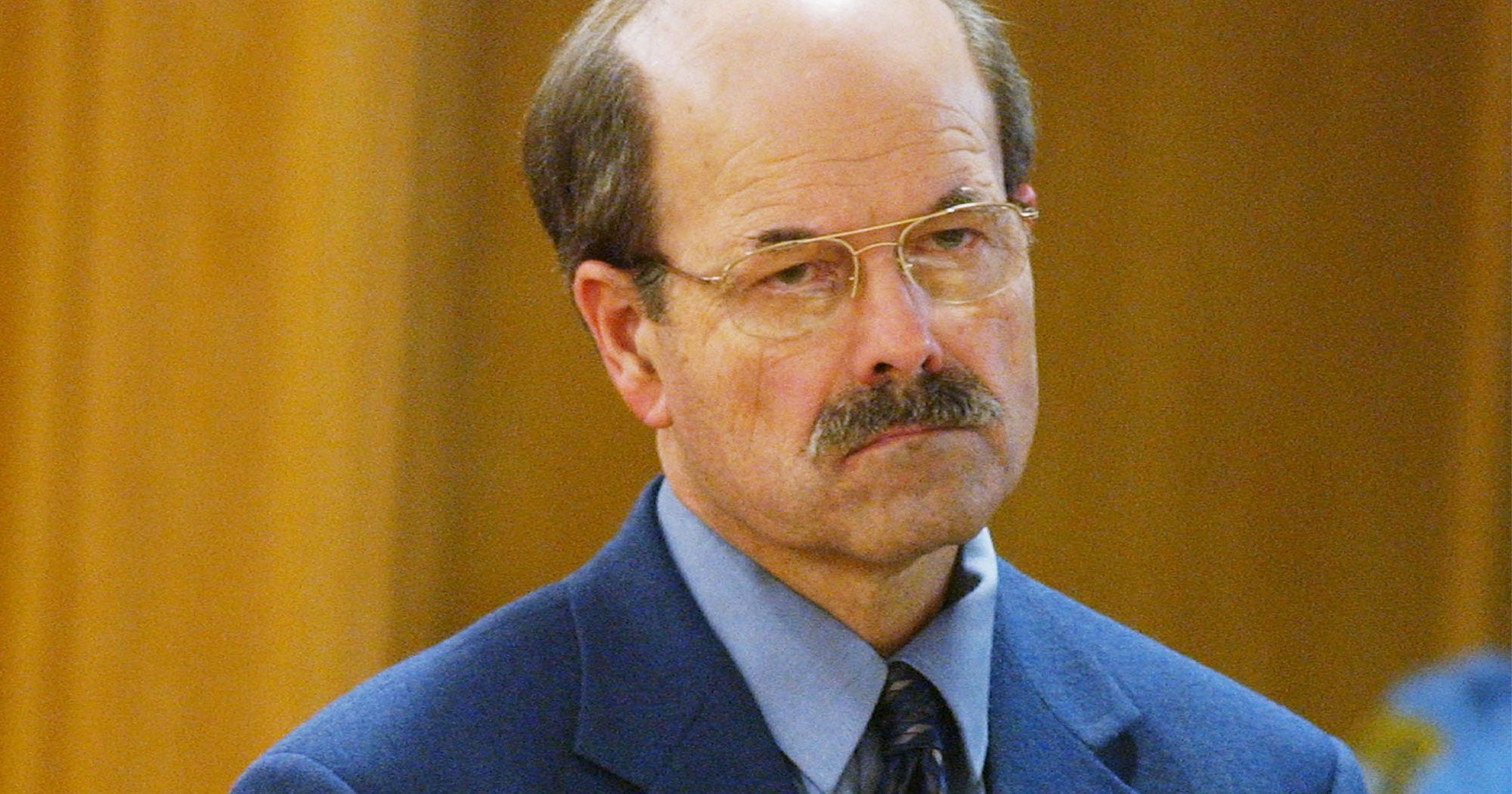
Note: This article examines the true crime history, law enforcement archiving practices, and public fascination surrounding the case of Dennis Rader, known as the BTK serial killer, without displaying graphic imagery.
The digital archive of true crime history contains few cases as meticulously documented and publicly scrutinized as that of Dennis Rader, the Wichita, Kansas serial killer who terrorized Sedgwick County from 1974 to 1991. As public curiosity persists into 2026, searches for btk killer photos remain high among true crime researchers, historians, and students of forensic science. Understanding how law enforcement captured, processed, and eventually archived the visual evidence of this case provides vital insight into the evolution of modern criminal investigations and digital forensics.
The Evolution of Crime Scene Photography and Evidence Archiving
When Rader began his string of murders under the moniker BTK (Bind, Torture, Kill), crime scene photography relied entirely on 35mm film cameras, physical polaroids, and manual cataloging. Investigators in Wichita faced unprecedented challenges preserving trace evidence while documenting gruesome scenes across multiple decades.
By the time Rader was captured in February 2005, forensic photography had transitioned into high-resolution digital imaging. The transition from analog to digital evidence management completely revolutionized how police departments handled case files. In modern archives, every piece of visual evidence is tagged with strict metadata, chain-of-custody hashes, and secure cloud backups.
To understand the scope of documentation involved in the Rader investigation, consider the following breakdown of evidence types preserved by law enforcement agencies:
| Evidence Category | Capture Method (1974–1991) | Modern Archival Standard (2026) | Forensic Value |
|---|---|---|---|
| Crime Scene Photos | 35mm Film & Polaroids | 4K Digital & 360-Degree LiDAR Scans | Preserving spatial relationships and micro-evidence |
| Suspect Correspondence | Physical Letters & Floppy Disks | High-Resolution Macro Scanning & DNA Swabbing | Extracting latent prints, touch DNA, and digital metadata |
| Autopsy Documentation | Traditional Medical Photography | Digital Radiography & 3D Photogrammetry | Establishing exact cause and mechanism of death |
| Surveillance Imagery | Analog CCTV Tape | AI-Enhanced Digital Video Processing | Identifying suspect movements and timeline verification |
Digital Forensics: How a Floppy Disk Led to the Arrest
The turning point in the BTK investigation did not stem from traditional crime scene photos, but rather from a digital file sent by Rader himself in early 2005. Believing that law enforcement could not trace a digital disk, Rader mailed a purple Memorex 1.44MB floppy disk to KSAS-TV in Wichita.
Forensic examiners at the Federal Bureau of Investigation (FBI) analyzed the metadata embedded within a Microsoft Word document stored on the disk. They discovered a deleted file containing the words "Christ Lutheran Church" and the author name "Dennis." This crucial digital breadcrumb led investigators straight to Rader, who served as president of the church congregation council.
This case serves as a foundational milestone in cyber forensics, demonstrating how unintended digital footprints can override physical concealment efforts. Today, cyber forensics units routinely use advanced carving software to recover deleted metadata from seized media.
Ethical Boundaries of Publishing Crime Scene and Suspect Imagery
The public demand for historical crime imagery raises profound ethical questions for media outlets, true crime content creators, and digital archivists. Publishing or viewing graphic crime scene photos can retraumatize victim families and sensationalize horrific violence.
Law enforcement agencies and public records custodians balance transparency with victim privacy through strict legal frameworks. Under Kansas open records laws, certain investigative records remain shielded from public release, particularly those depicting explicit violence or compromising victim dignity.
Responsible Archiving Standards Respecting Victim Memory: Reputable historical and journalistic platforms refuse to host exploitative imagery, focusing instead on investigative methodology, court transcripts, and forensic science breakthroughs. Complying with Legal Mandates: Law enforcement agencies carefully redact sensitive visual data before releasing files to public archives or educational institutions.
Comparative Impact of the BTK Case on Modern Investigative Techniques
The investigation, capture, and prosecution of Dennis Rader fundamentally changed how law enforcement agencies approach serial predators. The following comparison highlights the stark differences between investigative capabilities during his active years and contemporary standards in 2026.
- Communication Tracking: In the 1970s and 1980s, police relied on public appeals, postal tracking, and manual handwriting analysis. Today, advanced digital geofencing, cell tower triangulation, and real-time metadata analysis track communications instantly.
- DNA Phenotyping: Investigators in the 20th century lacked familial DNA databases and rapid touch-DNA extraction techniques. Modern forensic labs routinely utilize genealogical databases and advanced phenotyping to generate suspect profiles from microscopic trace evidence.
- Public Information Sharing: Early updates relied on local newspapers and evening broadcasts. Contemporary investigations utilize encrypted tip lines, social media campaigns, and secure digital portals for crowdsourced evidence submission.
Frequently Asked Questions About the BTK Case and Evidence
What are btk killer photos primarily used for today?
Authentic visual evidence from the case is restricted to law enforcement training facilities, forensic science textbooks, and official court records rather than general public consumption. These materials help criminal justice students understand crime scene preservation, trace evidence collection, and investigative sequencing.
How was Dennis Rader eventually caught?
Rader was captured after sending a floppy disk to a local television station in 2005; forensic examiners recovered deleted metadata that pointed directly to his church and his personal name. This digital oversight abruptly ended his decades-long evasion of law enforcement.
Are original crime scene photos from the BTK case publicly available?
No, graphic crime scene photos are legally restricted and protected by privacy laws to prevent the exploitation of victims and their surviving families. Only redacted documents, court exhibits, and non-graphic archival photos are accessible through official legal channels.
What role did the media play in communicating with the killer?
During his active years, Rader frequently used local media outlets, including newspapers and television stations, to send taunting letters, poems, and packages detailing his crimes. This direct communication eventually provided the crucial technical opening law enforcement needed to identify him.
How has forensic technology advanced since the BTK investigation?
Modern investigations benefit from high-throughput DNA sequencing, familial database searches, advanced digital forensics, and AI-driven pattern recognition tools that drastically shorten the time required to identify suspects.
Where can someone study the forensics of the BTK case safely and ethically?
Academic institutions, accredited true crime journalism platforms, and official law enforcement museums offer ethical retrospectives focused on the investigative breakthroughs, legal precedents, and forensic science lessons derived from the case.
Securing Investigative Integrity Through Advanced Forensics
The enduring public interest in the Dennis Rader case underscores the importance of rigorous forensic standards and ethical digital archiving. As investigative technologies continue to evolve, the lessons learned from the BTK investigation remain foundational for law enforcement professionals worldwide. To explore further into forensic history, consult peer-reviewed criminal justice journals, verified court transcripts, and accredited law enforcement training manuals.