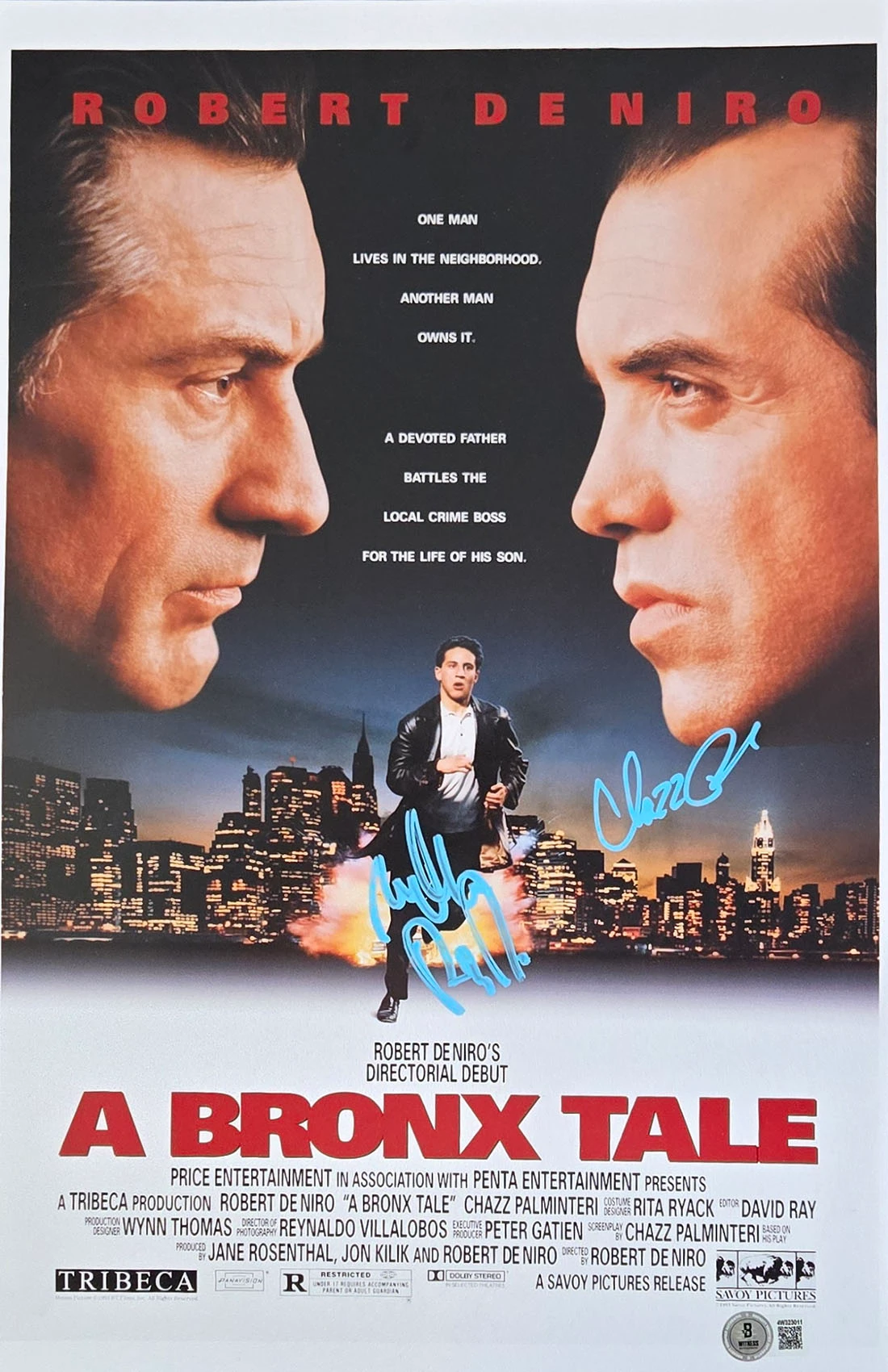
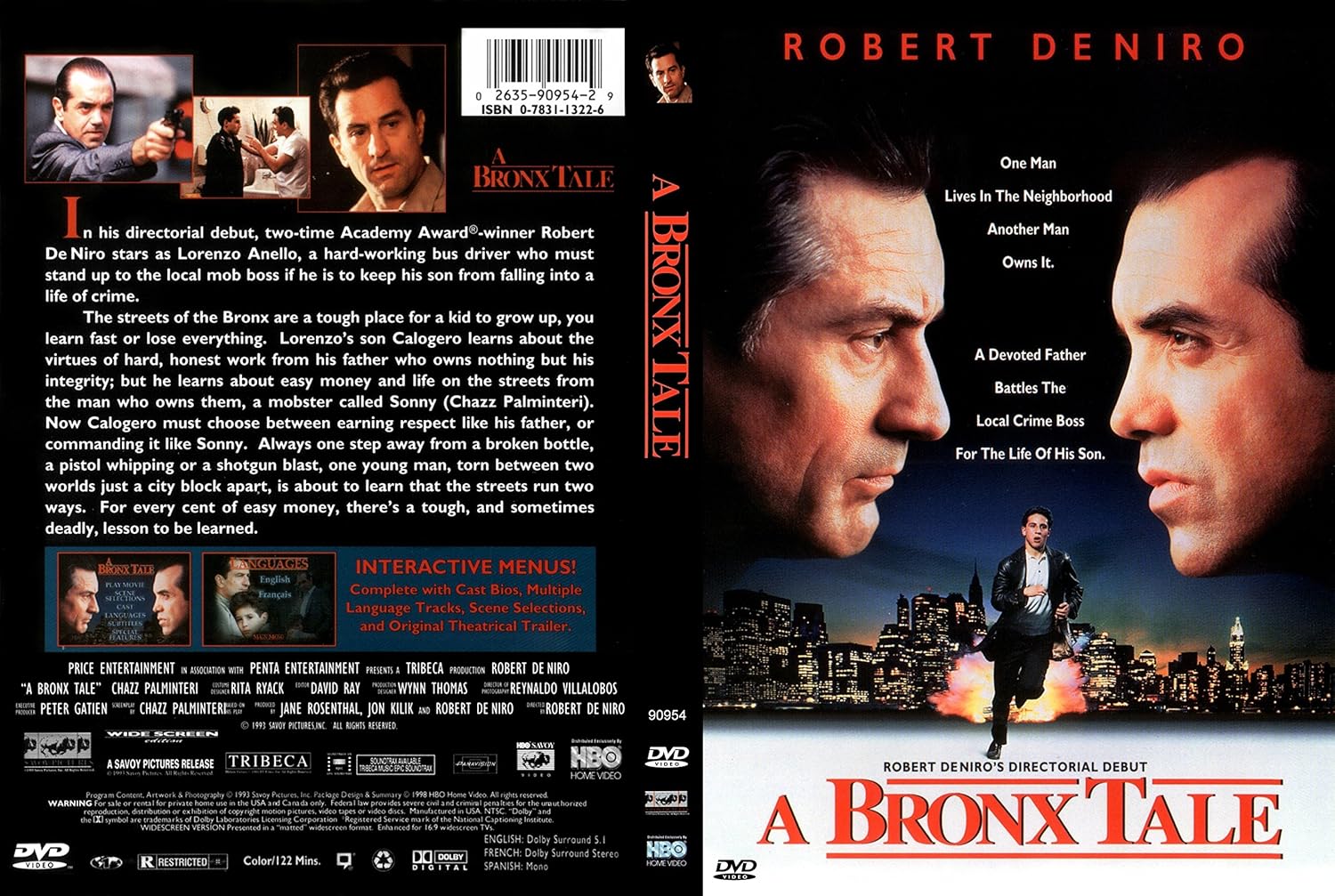
Lillo Brancato Jr.’s life serves as a haunting, real-world mirror to the themes of his breakout film, A Bronx Tale. Once a rising star mentored by Robert De Niro, Brancato’s descent into addiction and his involvement in a fatal 2005 shooting transformed him into a living symbol of "wasted talent." By 2026, his story remains a powerful case study in redemption, accountability, and the consequences of one's choices.
The Discovery: From Beach Boy to Hollywood Royalty
The lore of Lillo Brancato begins on the beaches of New York in 1992. Then a 15-year-old from Yonkers, Brancato was discovered by a casting director while swimming at Jones Beach. His uncanny resemblance to a young Robert De Niro and his ability to mimic Joe Pesci made him the perfect fit for the role of Calogero "C" Anello in De Niro’s directorial debut, A Bronx Tale.
The film, based on Chazz Palminteri’s one-man show, was a critical success. Brancato’s performance was hailed for its naturalism, capturing the struggle of a young man caught between the honest, hardworking life of his father (played by De Niro) and the seductive, violent world of a local mob boss, Sonny (played by Palminteri). At the time, Brancato was viewed as the next great Italian-American actor, a successor to the lineage of Pacino and De Niro.
Following A Bronx Tale, Brancato secured roles in major productions like Renaissance Man (1994) and Crimson Tide (1995). He even joined the cast of the legendary HBO series The Sopranos in 2000, playing Matt Bevilaqua, a young, wannabe mobster. Paradoxically, the roles he played—characters obsessed with the "tough guy" lifestyle—began to bleed into his personal reality.
The Lore of A Bronx Tale and "Wasted Talent"
The most famous line from A Bronx Tale is spoken by Lorenzo Anello (De Niro): "The saddest thing in life is wasted talent, and the choices you make will shape your life forever." This line has become the central lore surrounding Brancato’s life. In the film, the quote serves as a warning to Calogero to avoid the pitfalls of the criminal underworld. In Brancato’s real life, it became a tragic prophecy.
For years, the "wasted talent" mantra has been used by fans, critics, and even his former co-stars to describe Brancato's trajectory. Chazz Palminteri has been particularly vocal, stating in multiple interviews that while he wishes Brancato well in his recovery, he maintains a distance because of the gravity of the 2005 incident. This rift between the creators of the film and its star adds a layer of somber irony to the movie's enduring legacy. The film was meant to be a lesson for the character, yet the actor playing him failed to heed the very advice his character was given.
The Downward Spiral: Addiction and the 2005 Tragedy
Brancato’s fall from grace was fueled by a severe addiction to heroin and crack cocaine, which began during the height of his fame. By the early 2000s, his drug use had become unmanageable, leading to erratic behavior and a decline in professional opportunities. The spiral culminated in a life-altering tragedy on the night of December 10, 2005.
Brancato and an accomplice, Steven Armento, attempted to break into a house in the Pelham Bay section of the Bronx to obtain drugs. The house belonged to a friend of Brancato’s who had previously supplied him with substances. During the attempted burglary, an off-duty NYPD officer named Daniel Enchautegui, who lived next door, heard the commotion and intervened. A gunfight ensued between Armento and Enchautegui. Both men were hit; Officer Enchautegui was killed, and Brancato and Armento were seriously wounded.
While Armento was convicted of first-degree murder and sentenced to life without parole, the jury found that Brancato was unarmed and did not know Armento had a gun. Consequently, Brancato was acquitted of the murder charge but convicted of attempted first-degree burglary. He was sentenced to ten years in prison. This event permanently altered his legacy, moving it from the realm of cinema history into the dark archives of New York crime.
Comparing the Film’s Fiction to Brancato’s Reality
The parallels between A Bronx Tale and Brancato’s life are so striking that they are often used in acting classes and criminology lectures to discuss the "art imitating life" phenomenon. The following table compares the character arc of Calogero Anello with the actual life path of Lillo Brancato.
| Feature | Calogero "C" Anello (The Character) | Lillo Brancato Jr. (The Actor) |
|---|---|---|
| Pivotal Influence | Caught between an honest father and a mob mentor. | Caught between Hollywood success and street-level drug culture. |
| The Warning | Told that "wasted talent" is the saddest thing in life. | Became the primary example of the "wasted talent" warning. |
| Criminal Involvement | Narrowly avoids a violent fate when Sonny pulls him from a car. | Fully participated in a burglary that led to a fatal shootout. |
| Consequences | Learns his lesson and chooses a path of integrity. | Served 8 years in prison and lost his prime acting years. |
| Mentor Relationship | Remains loved and protected by his mentors. | Publicly distanced and denounced by mentors De Niro and Palminteri. |
| Ultimate Outcome | A story of growth and survival. | A story of tragedy, incarceration, and late-stage redemption. |
Life Lessons from the Cell: Brancato's Transformation
During his incarceration, Brancato underwent a significant shift in perspective. He has often cited November 18, 2006, as the day he last used drugs, marking the beginning of a sobriety journey that he has maintained through 2026. Prison provided the "rock bottom" necessary for him to confront the reality of his choices.
The primary life lesson Brancato shares in his speaking engagements today is the concept of absolute accountability. For years after the shooting, Brancato faced intense public scrutiny and the wrath of the NYPD, who largely viewed him as responsible for the death of their brother-in-arms, regardless of the legal verdict. Brancato eventually stopped making excuses for his presence at the scene and began focusing on the fact that his addiction led him to that driveway.
Another lesson is the fragility of second chances. Brancato was paroled in 2013 and has spent the last decade-plus trying to rebuild a career in an industry that is often unforgiving of violent associations. His experience teaches that while redemption is possible, the "stain" of certain actions never fully disappears. He often warns young actors and athletes that a single night of poor judgment can outweigh a lifetime of talent.
The Legacy in 2026: Acting, Advocacy, and Accountability
As of 2026, Lillo Brancato occupies a unique space in the cultural landscape. He has returned to acting, primarily in independent films and character roles that often lean into his gritty, New York persona. However, his most significant work is arguably his advocacy. He frequently speaks at schools, recovery centers, and youth programs about the dangers of drug abuse and the reality of the "tough guy" lifestyle.
His legacy is now a dual one. To some, he remains a pariah—a man whose actions led to the death of a hero. To others, he is a success story of the American prison system's potential for rehabilitation. He has lived long enough to see his "wasted talent" become "reclaimed talent," though he acknowledges that he can never truly compensate for the loss of Officer Enchautegui.
Brancato’s life serves as a reminder that the themes explored in A Bronx Tale are not just cinematic tropes but real-world forces. The struggle for identity, the weight of mentorship, and the definitive nature of our choices are universal. By 2026, the lore of Lillo Brancato is no longer just about a movie; it is a cautionary tale about the high cost of ignoring the "Sonny" and "Lorenzo" voices in our own lives.
FAQ
Why did Robert De Niro and Chazz Palminteri stop talking to Lillo Brancato?
Following the 2005 shooting that killed NYPD Officer Daniel Enchautegui, both De Niro and Palminteri distanced themselves from Brancato. Palminteri has stated that the tragedy was the ultimate example of the "wasted talent" warning in their film. While they have acknowledged his right to a second chance, they have chosen not to maintain a personal or professional relationship with him out of respect for the fallen officer's family.
How long did Lillo Brancato serve in prison?
Brancato was sentenced to 10 years in prison in late 2008 (with credit for time served since 2005). He was released on parole in December 2013. Since his release, he has remained active in the film industry and the recovery community, maintaining his sobriety for nearly two decades as of 2026.
Was Lillo Brancato ever a member of the Mafia?
No. While Brancato frequently played mob-related characters in A Bronx Tale and The Sopranos, he was never an actual member of organized crime. His criminal involvement was tied to drug addiction and a botched burglary, rather than the structured activities of the Mafia.
What is Lillo Brancato's message to youth today?
Brancato focuses on the reality that "tough guys" in movies often have stunt doubles and scripted endings, but real-life crime has permanent consequences. He emphasizes that addiction is a progressive disease that strips away everything—talent, family, and freedom—and that the most "tough" thing a person can do is seek help and stay sober.
How does the NYPD feel about Lillo Brancato in 2026?
The relationship remains extremely strained. Various police unions and organizations have historically boycotted his projects and criticized his attempts at a comeback. While Brancato has expressed remorse, many in the law enforcement community feel that his presence at the scene makes him morally, if not legally, responsible for the death of Officer Enchautegui.
Prioritizing Accountability in Your Own Journey
To apply the lessons of the A Bronx Tale legacy to your own life, focus on the "Lorenzo" principle: integrity over convenience. Brancato’s story shows that talent is merely a starting point; it is the daily maintenance of character that prevents a legacy from crumbling.
If you or someone you know is struggling with the same "wasted talent" trajectory that Brancato experienced, the first step is removing the influence of substances or toxic environments. Accountability involves acknowledging mistakes without letting them define your future potential for good. For those looking to support rehabilitation, the lesson is one of balance—offering grace for the change while never forgetting the weight of the past.