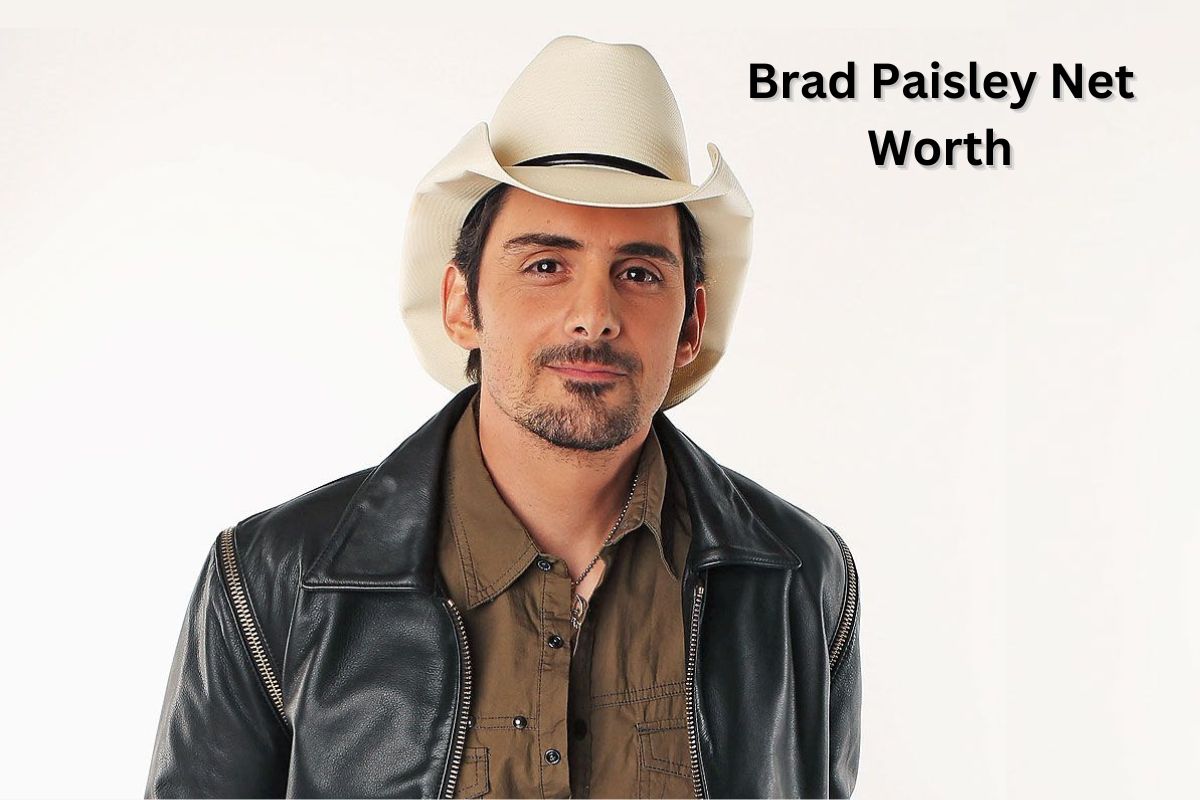
As of 2026, Brad Termini’s estimated net worth is positioned between $75 million and $125 million. This valuation is primarily anchored in his role as the co-founder and CEO of Zephyr, a high-profile real estate development firm, alongside significant equity in the burgeoning New York State cannabis infrastructure and various private equity investments.
Brad Termini has emerged as a formidable figure in both the West Coast real estate market and the East Coast industrial sector. By leveraging a background rooted in Buffalo’s development legacy and scaling operations in Southern California, Termini has built a financial profile characterized by high-value tangible assets and strategic pivots into emerging markets. This profile examines the components of his wealth, his business trajectory, and the latest estimates of his financial standing in 2026.
The Foundation of Wealth: Zephyr and Real Estate Development
The cornerstone of Brad Termini’s financial success is Zephyr, the real estate development company he co-founded in 2008. Launching a development firm at the height of the global financial crisis was a contrarian move that allowed Termini and his partners to acquire distressed assets and land at significant discounts.
Since its inception, Zephyr has managed a portfolio exceeding $1 billion in total development value. The firm’s specialty lies in luxury residential projects, mixed-use developments, and hospitality assets, primarily located in San Diego and Orange County, California.
Key Real Estate Asset Classes
- Luxury Multi-Family Residential: Zephyr’s flagship projects, such as The Park in San Diego’s Bankers Hill, represent the high-end of his portfolio. These developments often feature high price-per-square-foot valuations, contributing significantly to the firm's management fees and Termini’s personal equity.
- Mixed-Use Urban Infill: By focusing on densification in Southern California, Termini’s firm has capitalized on the chronic housing shortage. These projects often include long-term commercial leases that provide steady cash flow, augmenting the more volatile gains from residential sales.
- Hospitality and Land Entitlement: Termini has a documented history of navigating complex entitlement processes—converting raw or underutilized land into "shovel-ready" projects. The value added during the entitlement phase often results in a 3x to 5x return on initial land investment before construction even begins.
The Strategic Pivot: The Buffalo Cannabis Hub
In recent years, a significant portion of Termini’s financial energy and capital has shifted back to his roots in Buffalo, New York. His involvement in the Great Lakes Cannabis Company (and related Zephyr-branded cannabis ventures) represents a massive diversification effort.
Termini spearheaded a proposal for a $200 million cannabis production and distribution hub located at the Lakeside Commerce Park in Buffalo. As of 2026, this facility serves as a critical node in the New York state-regulated cannabis supply chain. The financial implications of this venture include:
- Real Estate Ownership: Ownership of the physical industrial campus, which spans over 70 acres.
- Operational Equity: Direct stakes in the cultivation, processing, and distribution licenses, which have soared in value as the New York market matured.
- Economic Incentives: The project has utilized various tax abatements and state-level incentives, improving the project's internal rate of return (IRR).
Analyzing the 2026 Financial Profile
To understand Brad Termini’s net worth, one must look past liquid cash and evaluate the "enterprise value" of his holdings. His wealth is not sitting in a traditional savings account but is instead distributed across various illiquid and semi-liquid vehicles.
Asset Distribution Estimate
- Real Estate Equity (Zephyr Holdings): Estimated at $45M – $60M. This includes his share of carried interest in ongoing funds and direct ownership in completed assets.
- Cannabis Infrastructure & Licensing: Estimated at $20M – $40M. Given the high barrier to entry and the scale of the Buffalo campus, this sector represents the fastest-growing segment of his profile.
- Private Equity & Liquidity: Estimated at $10M – $25M. This includes personal residences, high-end vehicle collections, and diversified market investments intended to provide a cushion against real estate cycles.
Financial Performance Indicators (2020–2026)
| Metric | Estimated Value/Status | Impact on Net Worth |
|---|---|---|
| Total Development Volume | Over $1.1 Billion | Primary driver of historical wealth growth. |
| Cannabis Hub Investment | $200 Million Total Project Value | High-risk, high-reward pivot into NY market. |
| Asset Liquidity | Moderate-Low | Most wealth is tied to long-term development cycles. |
| Debt-to-Equity Ratio | Estimated 60/40 | Typical for large-scale commercial developers. |
| Market Concentration | CA Real Estate / NY Cannabis | Diversified geographically but industry-focused. |
The Influence of the Termini Family Legacy
Brad Termini’s financial journey is often discussed in the context of the Termini family’s influence in Buffalo, New York. While Brad built his primary wealth independently through Zephyr in California, he is part of a lineage synonymous with urban revitalization.
His father, John Termini, and the broader family have been instrumental in the redevelopment of Buffalo's historic districts. This background provided Brad with more than just capital; it provided a "developer’s blueprint." Understanding how to work with municipal governments, secure public-private partnerships, and identify undervalued urban cores are skills that have directly translated into his multi-million dollar net worth.
In 2026, this legacy remains relevant as Termini continues to bridge the gap between California capital and Western New York industrial potential. His ability to move between these two disparate markets allows him to arbitrage opportunities that more localized developers might miss.
Challenges to Net Worth and Market Risks
No financial profile is without risk, particularly for a developer operating in two of the most regulated industries in the United States: real estate and cannabis.
- Interest Rate Volatility: As a developer, Termini is sensitive to the cost of capital. High interest rates between 2023 and 2025 slowed the pace of new "ground-up" developments, forcing a shift toward managing existing assets rather than starting new ones.
- Cannabis Market Maturation: The New York cannabis market faced significant early hurdles, including illicit competition and slow licensing rollouts. Termini’s $200 million bet on the Buffalo hub relies on the continued expansion of legal retail outlets to absorb production capacity.
- California Regulatory Climate: Increasing costs of construction and stringent environmental regulations in California have compressed margins for luxury developments. Termini has mitigated this by selecting "A-plus" locations where demand remains price-inelastic.
Business Philosophy and Investment Style
Brad Termini is often described as a "visionary" developer rather than a mere builder. His investment style is characterized by a "buy and hold" mentality for core assets while flipping entitled land to generate immediate cash flow for new ventures.
He has publicly advocated for community-centric development, often speaking on the importance of job creation in the Rust Belt. From a financial perspective, this approach is strategic: projects that promise high job counts often receive more favorable zoning and tax treatments, which directly increases the project's bottom-line profitability and, by extension, Termini’s personal equity.
Professional Advice Limitation
Note: The financial estimates provided in this profile are based on public project valuations, real estate market trends, and industry benchmarks as of 2026. Because Brad Termini operates primarily through private entities, exact tax filings and liquid balances are not public record. This analysis should be used for informational purposes and not as a basis for personal investment decisions.
Frequently Asked Questions
What is the primary source of Brad Termini's wealth?
The primary source of his wealth is the co-founding and leadership of Zephyr, a real estate development firm. Since 2008, the company has completed or initiated over $1 billion in projects, generating significant management fees and equity gains for Termini.
How much did the Buffalo cannabis project cost?
The project, aimed at creating a major cannabis cultivation and manufacturing hub in Buffalo, NY, had an estimated total cost of approximately $200 million. This investment was funded through a combination of private equity, debt financing, and economic development incentives.
Is Brad Termini related to Rocco Termini?
Yes, Brad is part of the prominent Termini family in Buffalo. While Rocco Termini is a well-known developer famous for revitalizing Buffalo's downtown and historic buildings, Brad has carved out a distinct and largely separate path with his California-based firm, Zephyr, though they share the family's hallmark focus on redevelopment.
How does the 2026 real estate market affect his net worth?
In 2026, the real estate market is characterized by a stabilization of interest rates and a continued premium on luxury urban housing. Because Termini's portfolio is concentrated in high-demand coastal California areas, his net worth has remained resilient despite the broader economic fluctuations seen in earlier years.
Does Brad Termini own any other businesses?
Beyond Zephyr and his cannabis ventures, Termini is involved in various private equity investments. He often acts as a silent partner or lead investor in startups related to construction technology and sustainable building materials, which complement his core real estate business.
Summary of Next Actions for Investors and Analysts
For those tracking the financial impact of urban developers like Brad Termini, the next 12 to 24 months will be telling. The key metric to watch will be the operational throughput of the Great Lakes Cannabis campus. If the facility reaches full capacity in 2027, Termini’s net worth could see a substantial upward revision as the "cannabis premium" is fully realized in his equity valuation.
Furthermore, observers should monitor Zephyr’s shift toward "PropTech" integration in their California developments. As luxury buyers increasingly demand smart-home and carbon-neutral features, developers who successfully integrate these technologies will command higher margins, further solidifying Termini’s position as a leader in the high-end development space.