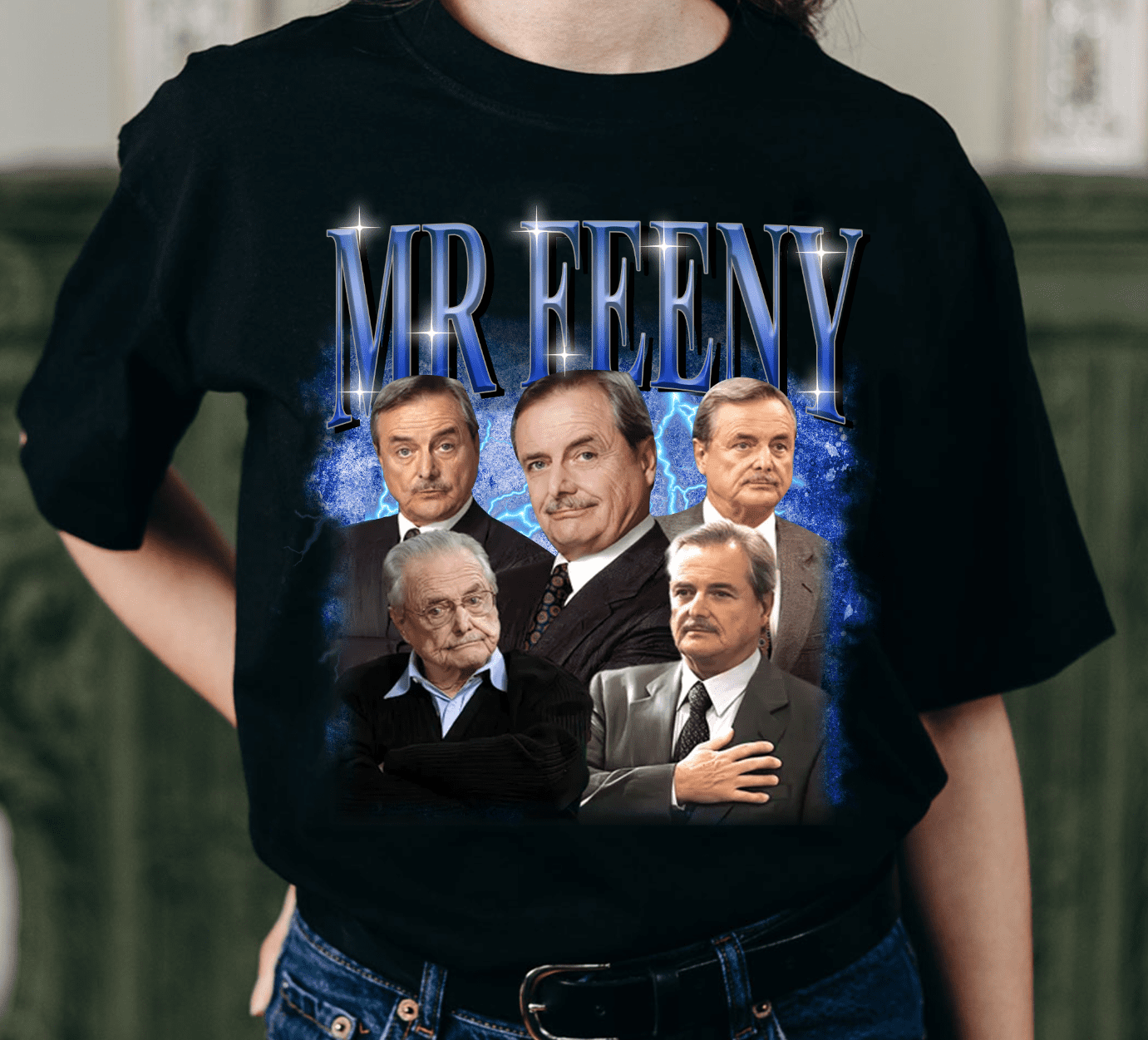
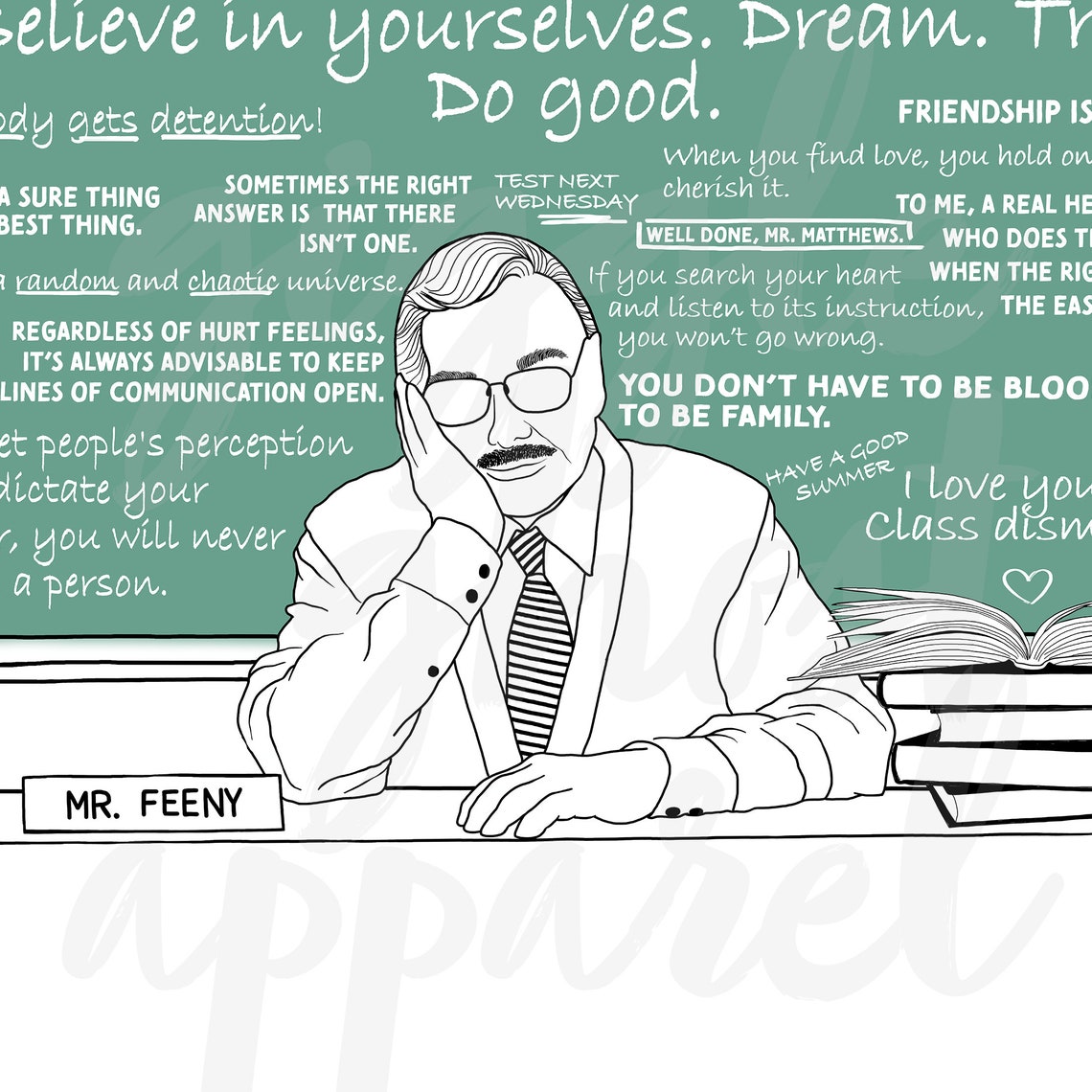
The character of George Feeny, portrayed by William Daniels on Boy Meets World, remains a cornerstone of television history because he transcended the "stern teacher" archetype to become a surrogate patriarch and moral compass for an entire generation. His legacy is defined by the profound philosophical depth he brought to a family sitcom, emphasizing that education is not merely the acquisition of facts, but the development of a person’s character and integrity.
The Evolution of the Mentor: From Neighbor to North Star
When Boy Meets World premiered in 1993, George Feeny was introduced as the quintessential foil to the young, energetic Cory Matthews. He was the neighbor over the garden fence and the principal in the hallway—a dual presence that symbolized the inescapable nature of authority and learning. However, as the series progressed through the 1990s and into the early 2000s, the character underwent a sophisticated transformation that mirrors the journey of adolescence itself.
In the early seasons, Feeny represented the "enemy" of childhood freedom. He was the one assigning detention and demanding academic excellence. Yet, the brilliance of the character’s writing, coupled with William Daniels' nuanced performance, slowly revealed that Feeny’s strictness was a manifestation of deep-seated care. He didn't just want his students to pass tests; he wanted them to survive the complexities of the world. By the time the characters reached college in the later seasons, Feeny had transitioned from an adversary to a confidant.
This evolution is significant because it validated the experiences of the audience. As viewers grew up, their own perceptions of authority often shifted from resentment to appreciation. George Feeny became the personification of that realization, cementing his place as one of the most influential fictional educators in media history.
The Philosophical Foundation: "Do Good" vs. "Do Well"
Perhaps the most enduring aspect of Mr. Feeny’s legacy is his specific moral philosophy. In a famous exchange with Topanga Lawrence, he corrected her use of the phrase "doing well" to "doing good." This wasn't merely a grammar lesson; it was a life lesson that defined the show’s ethical core.
For Mr. Feeny, "doing well" referred to personal success, wealth, and status. "Doing good," however, referred to the impact one has on the world and the service one provides to others. This distinction has resonated for decades, particularly as the "BMW" generation entered adulthood. In a world increasingly focused on individual achievement, the Feeny philosophy advocates for community and altruism.
Key Tenets of the Feeny Pedagogy
- Accountability: Feeny never allowed Cory, Shawn, or Eric to escape the consequences of their actions. He believed that shielding a young person from failure was a disservice to their growth.
- Intellectual Curiosity: He prioritized the why over the what. Whether teaching Shakespeare or American history, he connected the curriculum to the personal struggles of his students.
- Consistency: Regardless of the chaos in the students' lives—particularly in Shawn Hunter’s tumultuous home life—Feeny was the one constant, immovable object.
- The Socratic Method: He rarely gave direct answers. Instead, he used guided questions to lead his students to their own moral conclusions, a technique that fostered independent thinking.
Impact on Individual Characters: A Case Study in Mentorship
Mr. Feeny’s impact is best measured through the trajectories of the three core characters he mentored: Cory Matthews, Shawn Hunter, and Eric Matthews.
Cory Matthews: The Everyman’s Conscience
Cory was the primary recipient of Feeny’s wisdom. While Cory often sought the easy way out, Feeny acted as his external conscience. The relationship was built on a mutual, albeit often unspoken, respect. Feeny saw Cory’s potential to be a leader and a good man, and he pushed him to live up to that potential even when Cory was content with mediocrity.
Shawn Hunter: The Anchor for the Drifter
For Shawn, Feeny was more than a teacher; he was a stabilizer. Coming from a broken home and facing constant abandonment, Shawn viewed the world with cynicism. Feeny provided the boundaries that Shawn’s parents did not. By believing in Shawn’s intellect when no one else did, Feeny effectively saved Shawn from becoming a statistic of the foster care system or the cycle of poverty.
Eric Matthews: The Mentor to the "Fool"
The relationship between Feeny and Eric is often remembered for its comedic value—specifically the "Feeny Call"—but it was arguably the most touching. Eric, who struggled with traditional academics and feelings of inadequacy compared to his brother, found a champion in Feeny. Feeny recognized Eric’s immense emotional intelligence and kindness, guiding him toward a path of self-worth that wasn't tied to a GPA.
The Cultural Phenomenon: The "Feeny Call" and Memetic Legacy
In 2026, the "Feeny Call" remains one of the most recognizable catchphrases in television history. What started as a comedic quirk by Will Friedle (Eric Matthews) became a symbol of the longing for guidance. The high-pitched, drawn-out "Fee-hee-heeney!" represents a call for help, a search for wisdom, and the deep bond between the characters.
The legacy of this call has extended into the digital age. It has been used in countless memes, social media tributes, and even in academic discussions regarding the "mentor" trope in storytelling. It serves as a shorthand for the idea that everyone, no matter how old they get, still needs a Mr. Feeny in their corner.
| Aspect of Legacy | Influence on Audience | Cultural Significance |
|---|---|---|
| The Final Lesson | Taught the value of "doing good" over "doing well." | A foundational moral code for Millennials. |
| The Feeny Call | Created a sense of community and shared nostalgia. | A permanent fixture in the pop culture lexicon. |
| The Teacher Archetype | Set a high bar for how educators are portrayed on screen. | Influenced subsequent shows like Ted Lasso and Abbott Elementary. |
| Girl Meets World Return | Provided closure and continuity for multiple generations. | Solidified the character's status as a lifelong mentor. |
The "Girl Meets World" Resurgence and 2026 Status
When the sequel series Girl Meets World premiered, the return of William Daniels as Mr. Feeny was a pivotal moment. Even in his brief appearances, the character’s presence commanded a level of respect that bridged the gap between the original fans and a new, younger audience. In these episodes, Feeny was no longer the active principal but a retired sage, appearing in visions or as a guest to provide the ultimate stamp of approval on the next generation’s growth.
As of 2026, the portrayal of George Feeny is viewed through an even more appreciative lens. In an era where "comfort TV" has become a vital part of mental wellness, Boy Meets World is frequently cited as a top-tier example, largely due to the grounding influence of Mr. Feeny. William Daniels, now approaching his centennial year, is celebrated not just for his acting, but for providing a blueprint of what a dignified, compassionate, and firm mentor looks like.
FAQs About Mr. Feeny’s Character and Impact
Why did Mr. Feeny follow the students from middle school to college?
While narratively convenient for a television show, the creators explained this as a testament to Feeny’s dedication and his own career progression. He moved from teacher to principal to college professor because he felt his "job" with that specific group of students wasn't finished until they were ready to face the world as adults.
What was the significance of the final scene in the classroom?
The series finale, "Goodbye, Mr. Feeny," concludes with the four main characters visiting Feeny in his classroom one last time. His final line, "I love you all. Class dismissed," was a rare emotional breakthrough for the character. It signaled that the formal education was over, but the bond of love and the lessons taught would be permanent.
How did William Daniels influence the character's development?
William Daniels famously insisted that the character be treated with respect. He did not want Feeny to be a "buffoon" or a typical sit-com teacher who was the butt of the joke. This demand for dignity ensured that when Feeny spoke, the audience—and the characters—listened.
Is the "Feeny Call" improvised?
Will Friedle has stated in various interviews and podcasts that the specific delivery of the "Feeny Call" began as an improvisation that the writers eventually leaned into. It became a way to show Eric’s eccentricity and his desperate, endearing need for Feeny’s approval.
What is the most famous Mr. Feeny quote?
"Believe in yourselves. Dream. Try. Do good." This succinct piece of advice from the series finale encapsulates his entire philosophy. It encourages personal ambition ("Dream") and effort ("Try"), but prioritizes ethical living ("Do good") above all else.
Applying the "Feeny Way" to Modern Mentorship
The legacy of George Feeny is not just meant to be admired; it is meant to be implemented. For those in leadership, teaching, or parenting roles in 2026, the "Feeny Way" offers several practical applications. First, prioritize the individual over the curriculum; recognize that every "student" has a different background and different needs. Second, maintain high standards; people often rise to the level of expectation placed upon them. Finally, understand that true mentorship is a lifelong commitment.
To honor the impact of this character, one should look for opportunities to be the "Feeny" in someone else’s life—the person who offers a steady hand, a sharp mind, and the occasional difficult truth, all delivered with the underlying message: I expect more from you because I know what you are capable of.