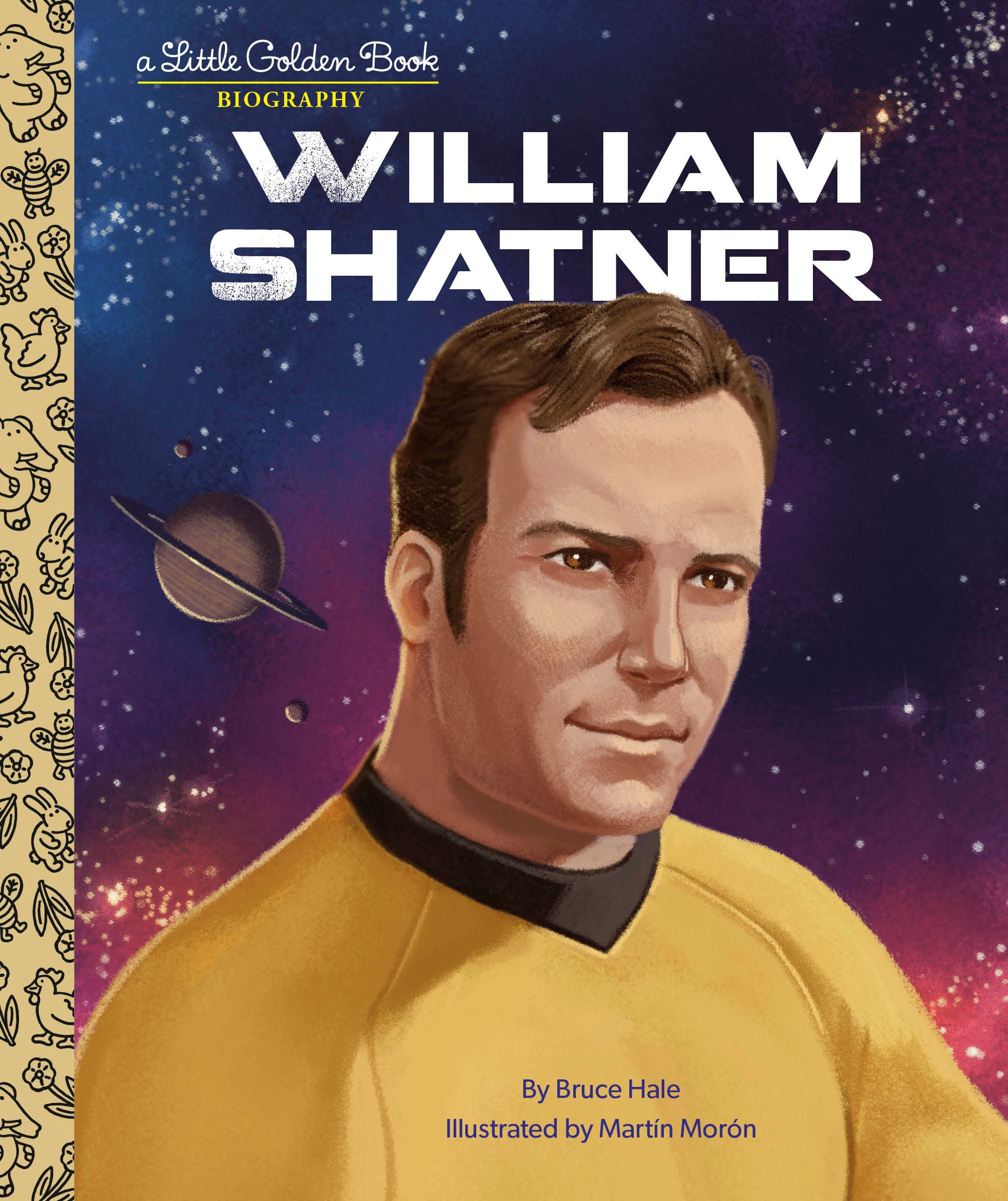
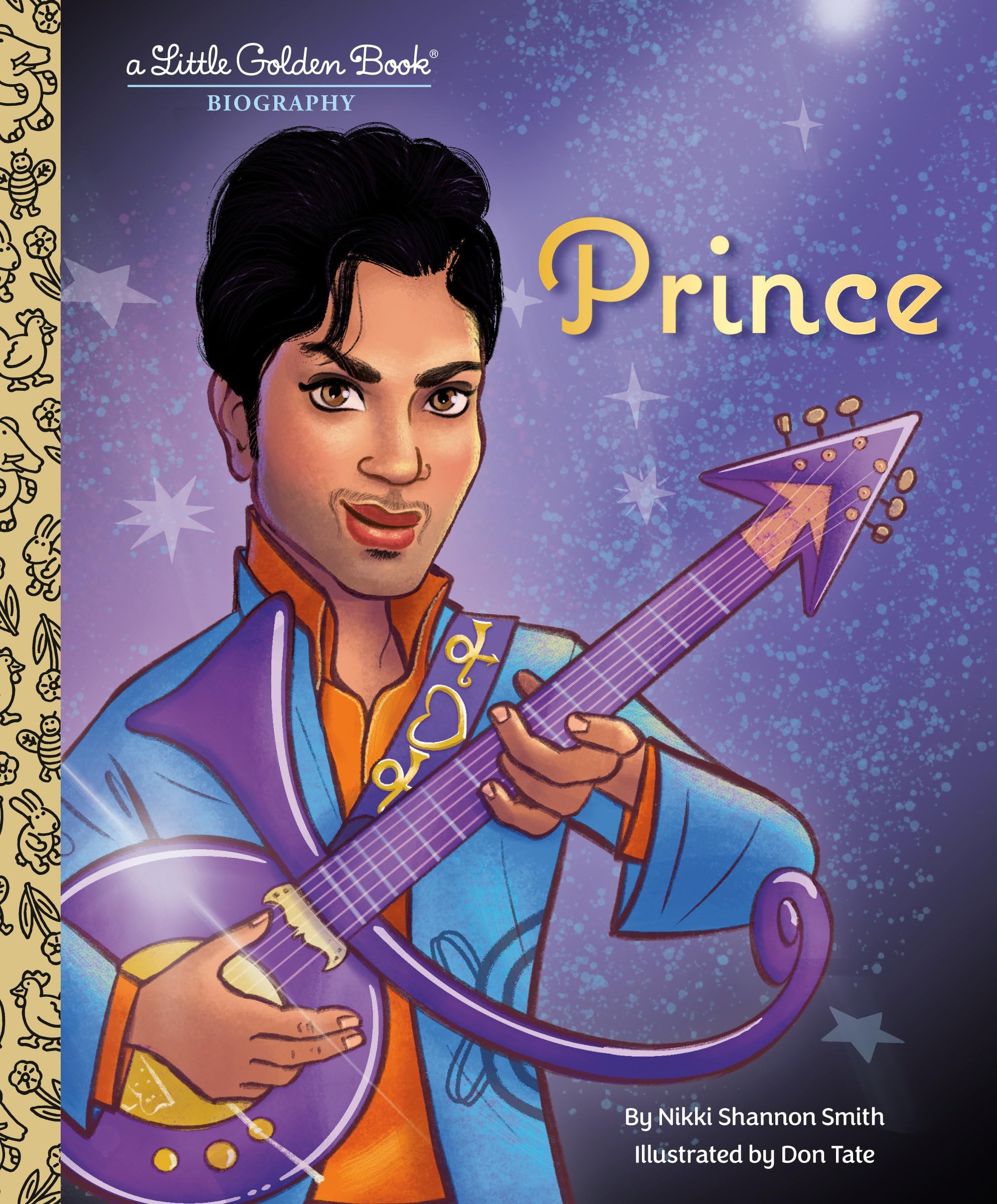
Biography books are non-fiction works that document the life story of an individual, written by someone else. They provide a comprehensive account of a subject’s experiences, achievements, and impact, utilizing primary and secondary sources to ensure factual accuracy and historical context for readers seeking knowledge, historical insight, or personal inspiration.
In the landscape of 2026, biography books remain a cornerstone of the literary market, bridging the gap between academic history and narrative storytelling. While the digital age has transformed how we consume information, the long-form biography provides a depth of analysis and a synthesis of evidence that short-form media cannot replicate. To understand the genre, one must look beyond simple dates and facts and examine the methodology, ethical considerations, and various sub-genres that define modern life writing.
Distinguishing Between Biography, Autobiography, and Memoir
One of the most frequent points of confusion for readers is the distinction between a biography and its sister genres, the autobiography and the memoir. While all three fall under the umbrella of "life writing," their perspectives and goals differ significantly.
A biography is a detailed description of a person's life written by another person. It is an objective (or at least externally researched) account that relies on interviews, letters, diaries, and public records. The biographer acts as a curator and analyst, placing the subject’s life within a broader historical or social framework.
An autobiography is written by the subject themselves. It typically covers their entire life up to the point of writing and is often driven by a desire to set the record straight or leave a legacy. While it offers unparalleled internal insight, it is inherently subjective and may be influenced by the subject's desire to present themselves in a specific light.
A memoir is also written by the subject, but it focuses on a specific period, theme, or event rather than an entire lifetime. Memoirs are often more concerned with emotional truth and personal reflection than with chronological completeness. In 2026, the memoir market continues to thrive, particularly among figures whose specific experiences—such as surviving a crisis or navigating a unique career path—resonate with niche audiences.
| Feature | Biography | Autobiography | Memoir |
|---|---|---|---|
| Author | A third-party researcher/writer | The subject of the book | The subject of the book |
| Scope | Entire life (usually) | Entire life | Specific theme or period |
| Source Material | Documents, interviews, archives | Memory, personal journals | Memory, emotional journey |
| Perspective | External and analytical | Internal and chronological | Internal and reflective |
| Primary Goal | Historical record/analysis | Self-documented legacy | Personal narrative/thematic truth |
The Essential Taxonomy of Modern Biographies
Not all biography books are created equal. Depending on the author's level of access and their intended tone, biographies generally fall into one of four categories. Understanding these categories is essential for readers who want to manage their expectations regarding the book's objectivity and depth.
Authorized Biographies
An authorized biography is written with the cooperation of the subject or their estate. This provides the author with exclusive access to private papers, family members, and personal archives that would otherwise be off-limits. The benefit is a wealth of "insider" information. However, the downside is a potential lack of critical distance; the subject often has the right to review the manuscript, which can lead to the suppression of controversial details.
Unauthorized Biographies
Written without the subject's permission, unauthorized biographies are often investigative in nature. These authors must rely on public records, "off-the-record" interviews, and secondary sources. While they lack the subject's direct input, they are often more critical and willing to explore the "darker" sides of a person’s life. The Pulitzer Prize for Biography frequently recognizes works that maintain high scholarly standards regardless of authorization.
Definitive Biographies
A "definitive" biography is a massive, multi-volume or highly exhaustive work that aims to be the final word on a subject. These books are usually the result of decades of research. A classic example is Robert Caro’s multi-volume series on Lyndon B. Johnson. As of 2026, these works are highly prized by historians for their granular detail and exhaustive bibliographies.
Interpretive or Critical Biographies
These works do not just recount facts; they attempt to explain why a person acted the way they did. They often focus on the psychological motivations of the subject or analyze their life through a specific lens, such as their impact on a particular industry or social movement. These are common in the arts and sciences, where the subject’s work is as important as their personal life.
Methodology: How High-Quality Biographies are Constructed
The creation of a biography book is a rigorous process that combines the skills of a historian, a journalist, and a novelist. In 2026, biographers have access to more digital archives than ever before, but the core principles of the craft remain unchanged.
Phase One: Archival Research. The biographer begins by scouring libraries and national archives. The Library of Congress and the British Library serve as primary hubs for researchers seeking original manuscripts, correspondence, and government records. This phase is about establishing a factual timeline.
Phase Two: The Interview Process. For subjects who are still living or who have living associates, interviews are crucial. A biographer might interview hundreds of people—friends, enemies, colleagues, and family members—to get a 360-degree view of the subject. The challenge here is "triangulation": comparing different people's accounts of the same event to find the most likely truth.
Phase Three: Synthesis and Narrative Building. A list of facts is not a book. The biographer must find the "narrative arc" of the subject's life. This involves identifying the pivotal moments of change, the core conflicts, and the ultimate legacy. The goal is to make the subject feel like a living, breathing human being while maintaining the integrity of the historical record.
Key Sub-Genres and Trends in 2026
The popularity of different types of biographies often reflects the cultural anxieties and interests of the era. In 2026, several sub-genres have seen significant growth.
- Scientific and Technological Biographies: As climate change and artificial intelligence dominate global discourse, readers are increasingly drawn to the lives of scientists and innovators. These books explain complex theories through the lens of human struggle and discovery.
- Political Biographies: In an era of global political shifts, biographers are revisiting past leaders to find lessons for the present. There is a strong focus on "power dynamics"—how individuals acquire, use, and lose political influence.
- Micro-Biographies and "Ordinary Lives": A growing trend in 2026 involves biographies of people who were not famous in their time but whose lives illuminate a specific historical moment. This "history from below" approach uses a single life to explain a larger social phenomenon, such as the migrant experience or the life of a specific factory worker during the Industrial Revolution.
- Literary Biographies: These remain a staple for book lovers, focusing on the lives of authors and how their personal traumas or triumphs shaped their famous works.
Critical Evaluation: How to Spot a High-Quality Biography
With thousands of biographies published every year, readers must be discerning. A poorly researched biography can spread misinformation and "hagiography" (the idealization of a subject). When selecting a book, consider the following criteria:
- The Bibliography and Citations: A reputable biography will have an extensive "Notes" or "Bibliography" section. If an author makes a bold claim about a subject's private thoughts or actions without citing a source (like a diary entry or a witness), it should be viewed with skepticism.
- The Author’s Background: Is the author a trained historian, a seasoned journalist, or an expert in the subject's field? While anyone can write a biography, those with professional research training often produce more reliable work.
- Tone and Balance: Beware of books that are either purely celebratory or purely venomous. A high-quality biography acknowledges the subject's flaws and failures as well as their successes. The aim should be understanding, not judgment.
- Primary vs. Secondary Sources: Does the author rely on original documents (primary) or just summarize what other books have already said (secondary)? The best biographies bring new information to light.
Why Biographies Matter in the 21st Century
The enduring appeal of biography books lies in our fundamental human desire for connection and understanding. By reading about another person’s life, we engage in a form of "radical empathy." We see how others navigated moral dilemmas, survived failures, and managed the pressures of their time.
Furthermore, biographies serve as a vital check on history. They remind us that history is not just a series of abstract movements or statistics; it is the result of individual choices, personalities, and accidents. In 2026, as society grapples with rapid change, the biography offers a sense of continuity. It shows us that while technology and politics evolve, the core elements of the human experience—ambition, love, grief, and the search for meaning—remain constant across the centuries.
FAQ
What is the difference between a biography and a hagiography?
A biography is a balanced, evidence-based account of a person's life, including both their virtues and their flaws. A hagiography is a biography that idealizes its subject, often treating them as a saint-like figure and ignoring any negative aspects of their character or actions. Hagiographies were common in religious contexts but are now used as a critical term for any overly flattering portrayal.
How do I know if a biography is "authorized"?
Usually, the author will state in the introduction or the acknowledgments whether they had the cooperation of the subject or the subject's estate. If the book features never-before-seen family photos or quotes from private diaries provided by the family, it is likely an authorized work.
Are biography books 100% true?
While biographers strive for factual accuracy, every biography is an interpretation. The author chooses which facts to include and how to frame them. Furthermore, sources (like old letters or memories) can be biased or incorrect. Therefore, a biography is a "truthful representation" based on available evidence, rather than an absolute, objective truth.
Can a biography be written about someone who is still alive?
Yes, these are known as "contemporary biographies." They are common for political leaders, celebrities, and business icons. The challenge for these books is that the subject's story is still being written, and their ultimate legacy may not be clear for many years.
How long does it typically take to write a biography book?
The timeframe varies wildly, but a serious, research-heavy biography usually takes between three and ten years to complete. This accounts for the time needed to visit multiple archives, conduct interviews, and cross-reference thousands of pages of documentation.
Recommended Next Actions
If you are looking to dive into the world of biography books, your next step should be to identify a field of interest—whether it’s history, science, or the arts—and consult a reputable source for "best of" lists. Organizations like the National Book Critics Circle provide annual awards for biography that are excellent starting points for high-quality reading. When you find a book that interests you, always check the "Notes" section first; a robust set of citations is the hallmark of a biography worth your time.