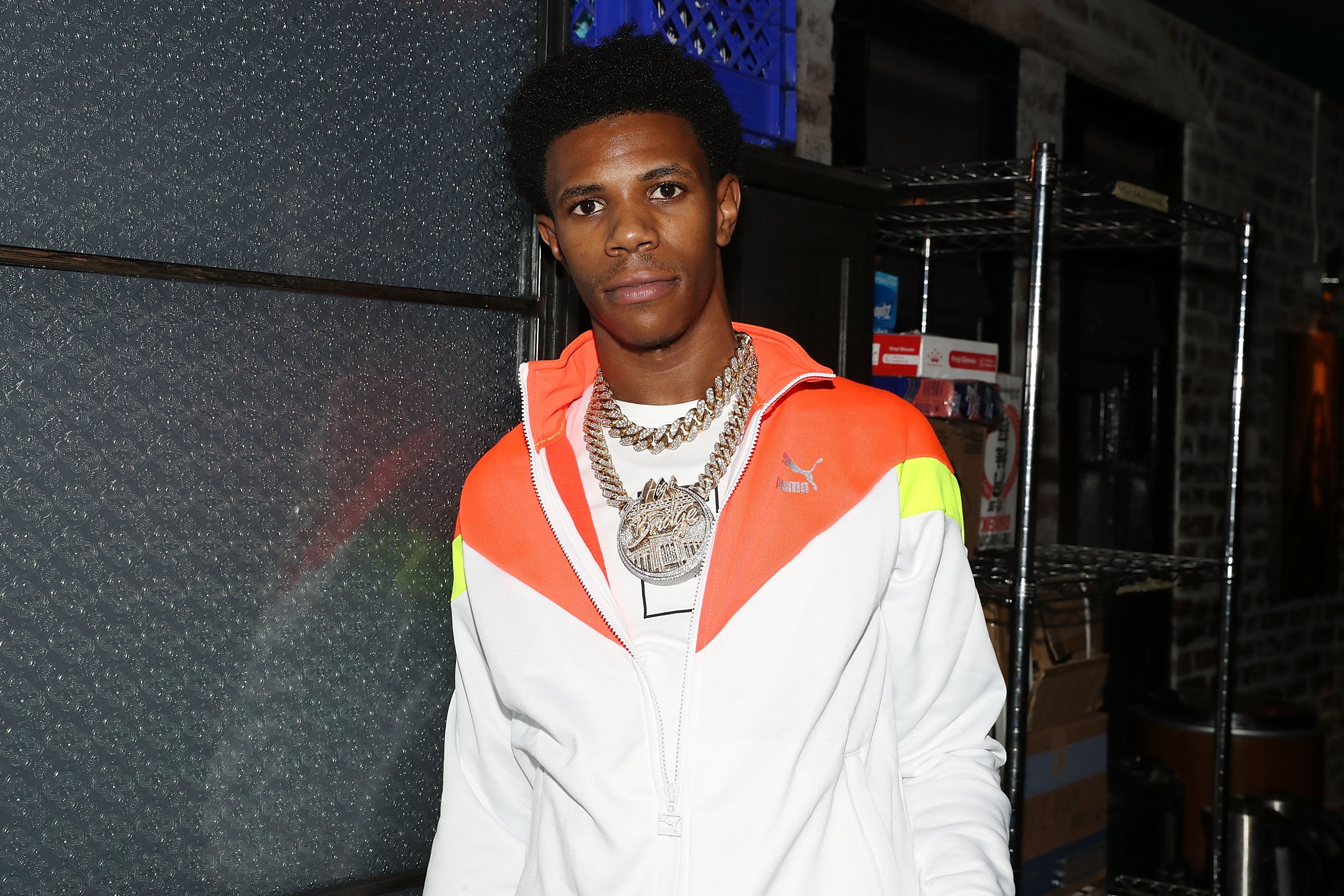
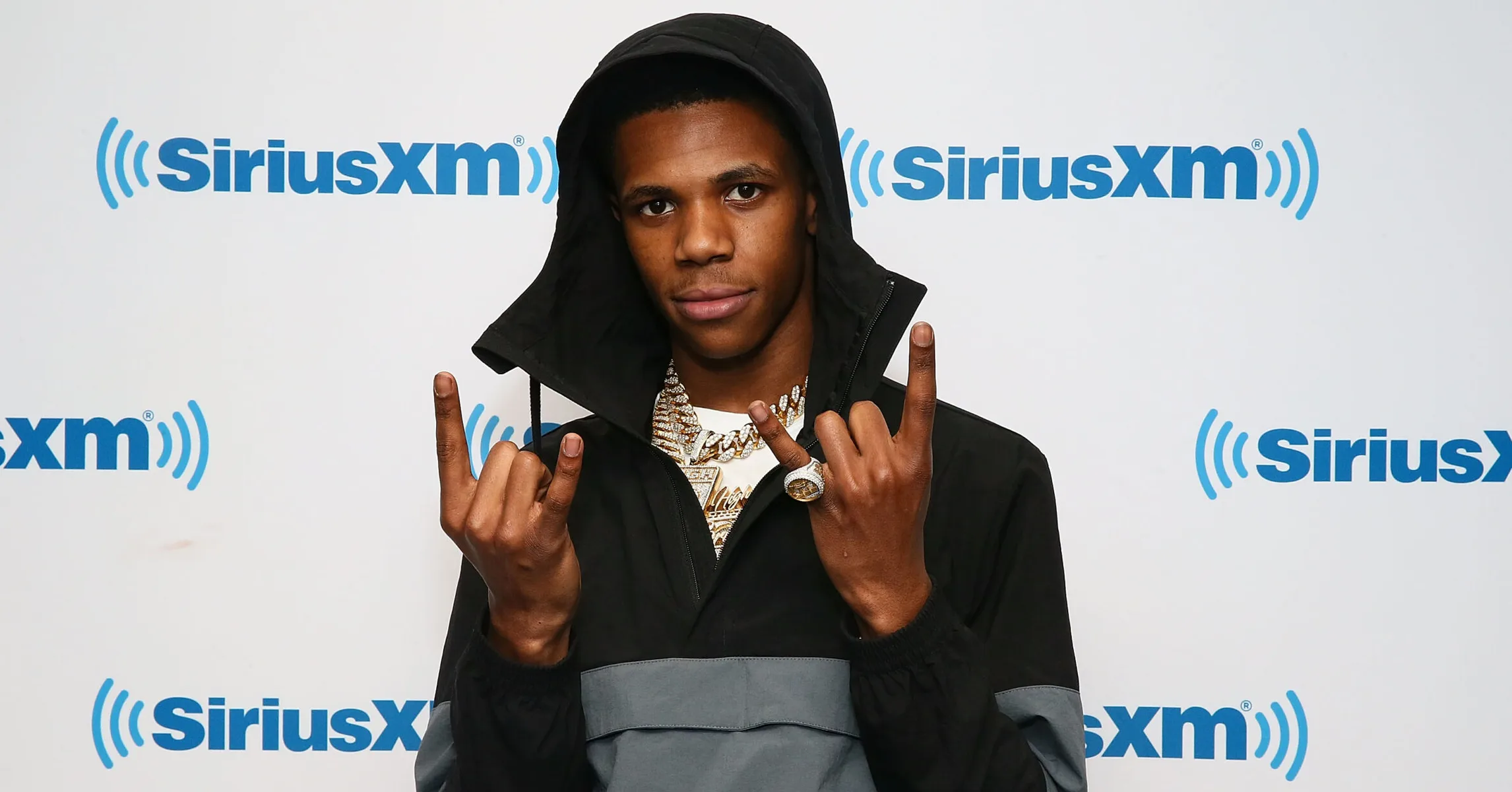
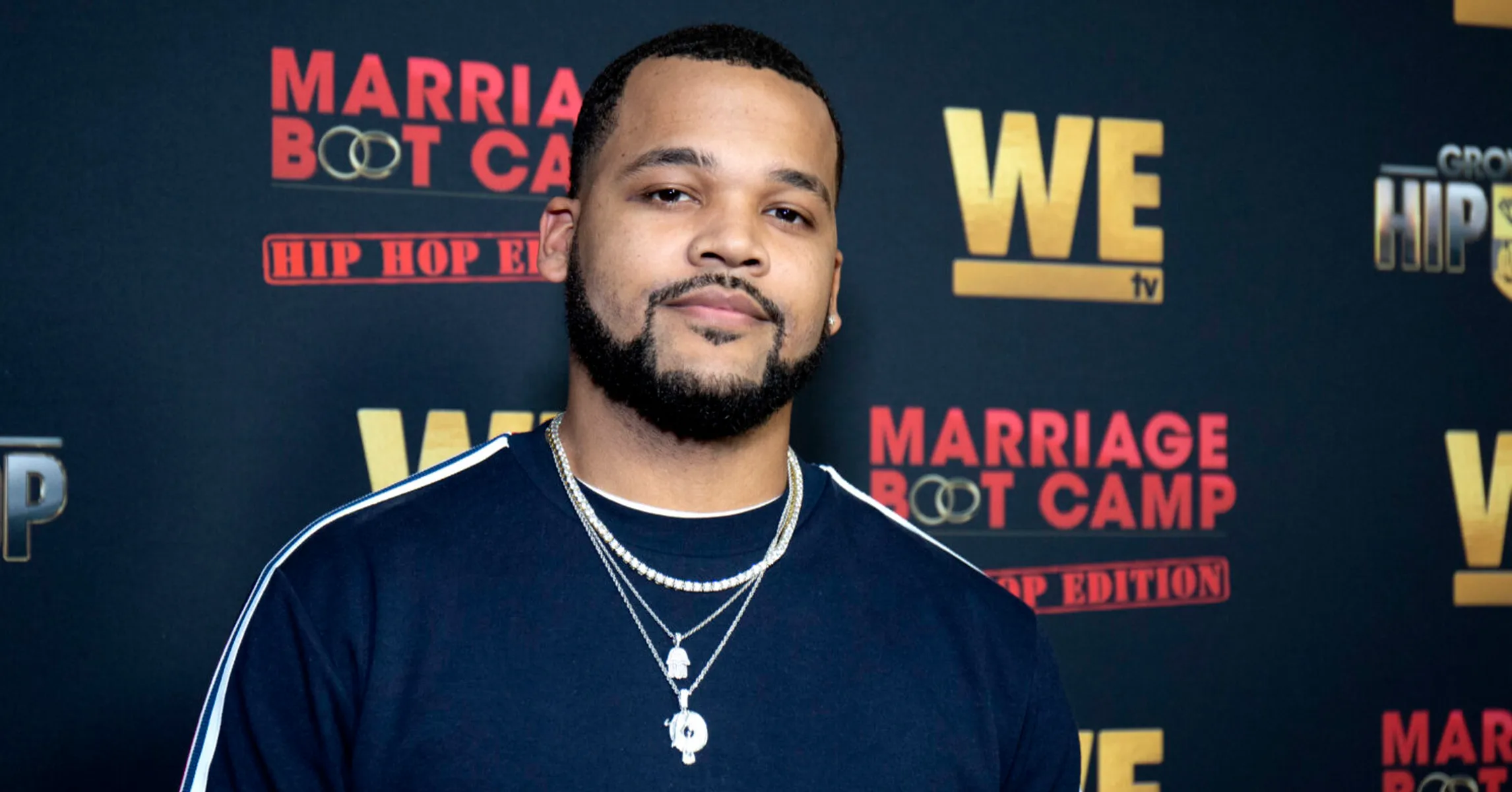
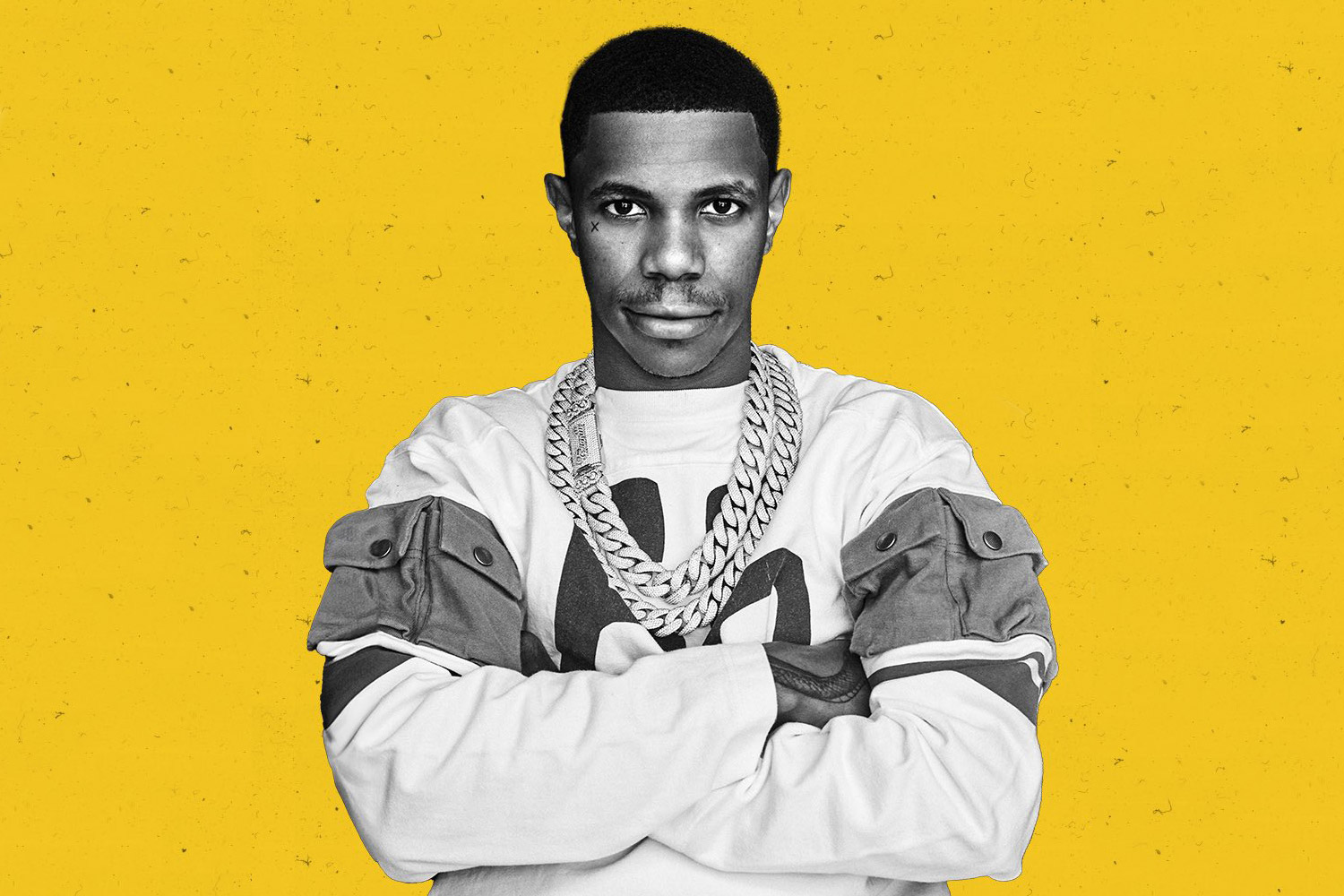
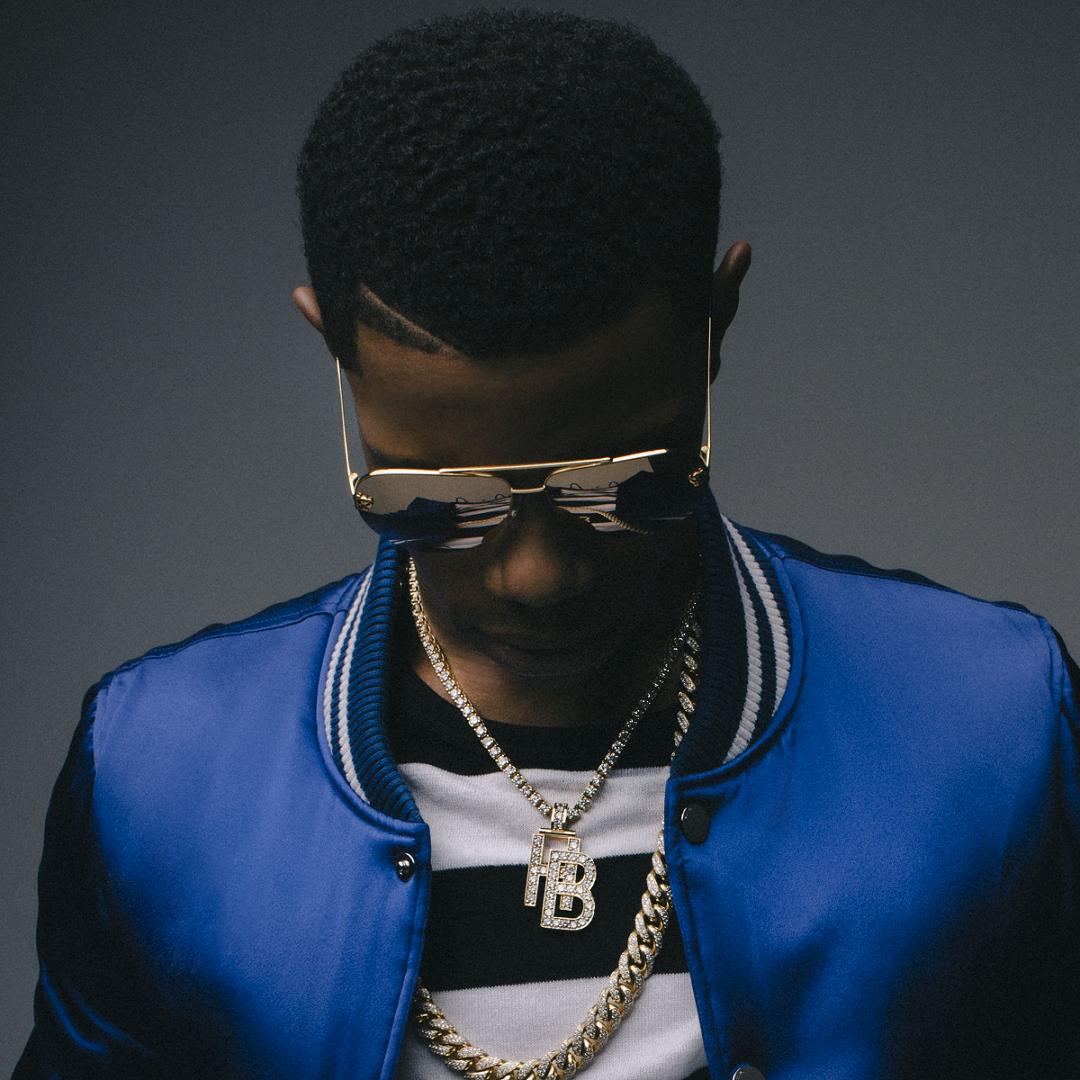
As of 2026, A Boogie Wit Da Hoodie has reached a projected net worth of approximately $20 million to $25 million, fueled by a decade of consistent streaming dominance and the growth of Highbridge the Label. Simultaneously, Aminé’s rise in hip hop reflects a successful shift from a viral breakout star to a critically acclaimed alternative powerhouse and fashion icon.
The Financial Empire of A Boogie Wit Da Hoodie in 2026
Artist J. Dubose, better known as A Boogie Wit Da Hoodie, has spent the last several years solidifying his position as a cornerstone of New York’s melodic rap scene. Unlike many of his peers who experienced rapid peaks followed by commercial declines, A Boogie’s financial trajectory has been characterized by steady, incremental growth. By 2026, his net worth reflects not just his music sales, but a diversified portfolio of business ventures and smart catalog management.
The primary engine behind his wealth is his immense streaming presence. A Boogie was an early adopter of the "melodic trap" sound that became the industry standard in the late 2010s. Albums like Hoodie SZN and Artist 2.0 continue to generate millions of streams monthly, even years after their release. In the modern music economy, this "long-tail" revenue from a deep catalog is often more valuable than a single chart-topping hit. Industry analysts estimate that his catalog alone accounts for a significant portion of his valuation, especially as older masters increase in value within the private equity music market.
Beyond individual performance, his role as a co-founder of Highbridge the Label has been pivotal. Alongside Don Q and executives Quincy "QP" Acheampong and Sambou "Bubba" Camara, A Boogie helped build an independent ecosystem that eventually partnered with Atlantic Records. This partnership allowed him to retain a higher degree of ownership and creative control than a standard major-label artist. By 2026, Highbridge has expanded its roster, further contributing to A Boogie’s bottom line through executive producer credits and label dividends.
Analyzing Aminé’s Rise: From Viral Hit to Cultural Mainstay
While A Boogie conquered the streets and the charts of New York, Aminé (Adam Aminé Daniel) took a drastically different path to the top. His rise is often cited by industry experts as a masterclass in artist branding and creative autonomy. Aminé first burst onto the scene in 2016 with the 6x Platinum single "Caroline," but it was his refusal to be pigeonholed as a "one-hit wonder" that defined his subsequent career.
Aminé’s ascent was characterized by a deliberate departure from the prevailing "tough" aesthetics of hip hop. He leaned into a colorful, quirky, and highly visual style that resonated with a global, digitally native audience. His 2020 project Limbo and his 2023 collaboration with producer Kaytranada, titled Kaytraminé, were instrumental in transitioning him from a pop-rapper to a respected alternative artist. By 2026, Aminé is no longer just a rapper; he is a curator of culture, frequently seen at the intersection of high fashion, independent film, and experimental music.
His rise was also bolstered by his prowess as a director. Aminé has directed many of his own music videos, which allowed him to maintain a consistent visual language that brands find highly attractive. This creative control has led to lucrative partnerships with companies like New Balance, where he has released signature colorways that sell out instantly. This "multihyphenate" approach—combining music, fashion, and film—has given him a level of career stability that is rare in the volatile hip hop landscape.
Revenue Streams: Comparing Two Successful Business Models
The financial success of both A Boogie and Aminé illustrates two different but equally effective paths in the 2026 music industry. A Boogie relies heavily on the "volume" model—high-frequency streaming, consistent touring in major urban markets, and label ownership. His wealth is deeply tied to the infrastructure of traditional hip hop success.
In contrast, Aminé utilizes a "niche-to-global" model. While his streaming numbers may not always match A Boogie’s raw totals, his "per-fan" revenue is exceptionally high. This is due to premium merchandise sales, high-value brand endorsements, and a touring circuit that includes major international festivals and boutique venues. Aminé’s audience is often willing to pay a premium for limited-edition physical media and apparel, which provides higher profit margins than streaming alone.
| Financial Indicator | A Boogie Wit Da Hoodie (2026) | Aminé (2026) |
|---|---|---|
| Estimated Net Worth | $20M – $25M | $12M – $18M |
| Primary Revenue Source | Streaming Royalties & Label Ownership | Brand Partnerships & Live Performance |
| Catalog Strength | High (Multi-Platinum Albums) | Moderate to High (Cult Classics) |
| Business Ventures | Highbridge the Label, Real Estate | Fashion Design, Creative Direction |
| Touring Profile | Arena & Large Theater Headliner | Global Festival & Mid-to-Large Venue Headliner |
The Impact of Highbridge the Label on A Boogie’s Net Worth
One cannot discuss A Boogie’s financial standing without looking at the institutional power of Highbridge the Label. In 2026, the label operates as a well-oiled machine. By developing new talent and leveraging A Boogie’s influence, the label has become a significant asset. Label ownership is one of the most effective ways for an artist to transcend the "employee" status of a recording contract and become a "business owner."
This ownership structure allows A Boogie to claim a percentage of the earnings of other artists on the roster. Furthermore, the label’s ability to negotiate distribution deals and publishing rights ensures that a larger share of every dollar earned stays within the Highbridge ecosystem. For A Boogie, this means his net worth is less dependent on his personal output and more on the collective success of his brand. This move into the executive suite is a common theme among hip hop's wealthiest figures, and A Boogie has executed it with precision.
Creative Autonomy and Aminé’s Portfolio Growth
Aminé’s financial growth in 2026 is largely a result of his intellectual property (IP). By directing his own content and maintaining a distinct aesthetic, he has created a "brand world" that is highly defensible. In an era where AI-generated music and social media trends can make artists feel interchangeable, Aminé’s specific personality and visual flair serve as a protective moat around his business.
His venture into the fashion world has been particularly successful. His collaboration with New Balance wasn't just a simple endorsement; it involved deep design input, which allowed him to command a higher equity stake in the products. Additionally, his foray into acting and voiceover work has opened new revenue streams that are not tied to the rigors of the music touring cycle. This diversification makes his net worth more resilient to shifts in the music industry's economy.
Navigating the 2026 Hip Hop Economy
Both artists have had to navigate a rapidly changing economic landscape. By 2026, the role of social media in driving revenue has shifted from mere promotion to direct-to-consumer sales. A Boogie has mastered the art of using viral snippets to drive listeners to streaming platforms, while Aminé has focused on building a dedicated community through exclusive "drops" and interactive experiences.
The 2026 environment also places a high premium on "legacy" content. For A Boogie, this means his early hits like "Drowning" and "Look Back at It" have become "staple" tracks that appear on thousands of curated playlists daily. For Aminé, it means his music is frequently licensed for film, television, and commercials, providing a steady stream of sync royalties. These passive income sources are the bedrock of their respective net worths, allowing them to remain wealthy even during periods of relative public inactivity.
Frequently Asked Questions
What is A Boogie Wit Da Hoodie's estimated net worth in 2026?
A Boogie Wit Da Hoodie's net worth is estimated to be between $20 million and $25 million in 2026. This figure is based on his extensive streaming catalog, his ownership stake in Highbridge the Label, and successful worldwide tours.
How did Aminé achieve his "rise" in the hip hop industry?
Aminé rose to fame with the viral success of "Caroline" in 2016, but he sustained his career by pivoting toward an alternative, creative-driven aesthetic. His success is attributed to his unique visual branding, self-directed music videos, and high-profile collaborations with producers like Kaytranada.
Is Highbridge the Label still active in 2026?
Yes, Highbridge the Label remains a significant force in 2026. It continues to develop New York-based talent and maintain its strategic partnership with major distributors, contributing significantly to the net worth of its founders, including A Boogie Wit Da Hoodie.
Does Aminé have any major business ventures outside of music?
Aminé has significant business interests in the fashion industry, most notably his long-term partnership and signature footwear lines with New Balance. He also earns substantial income from creative direction and film-related projects.
How do A Boogie and Aminé compare in terms of streaming numbers?
A Boogie generally maintains higher raw streaming numbers due to his dominance in the melodic trap genre and his frequent placement on major hip hop playlists. Aminé, while still very successful, focuses on a "boutique" audience that prioritizes album depth and creative concepts over singles-driven volume.
Strategic Recommendations for Emerging Artists
For artists looking to emulate the success of A Boogie or Aminé in the current climate, the priority should be on ownership and differentiation. A Boogie’s path demonstrates the power of owning a label and a catalog, while Aminé’s path highlights the importance of creating a unique, multi-platform brand that goes beyond just the audio. In 2026, the most successful artists are those who view themselves as CEOs of a multimedia entity rather than just performers. Diversifying revenue streams into fashion, real estate, and digital IP is no longer optional; it is a requirement for long-term financial stability in the entertainment industry.