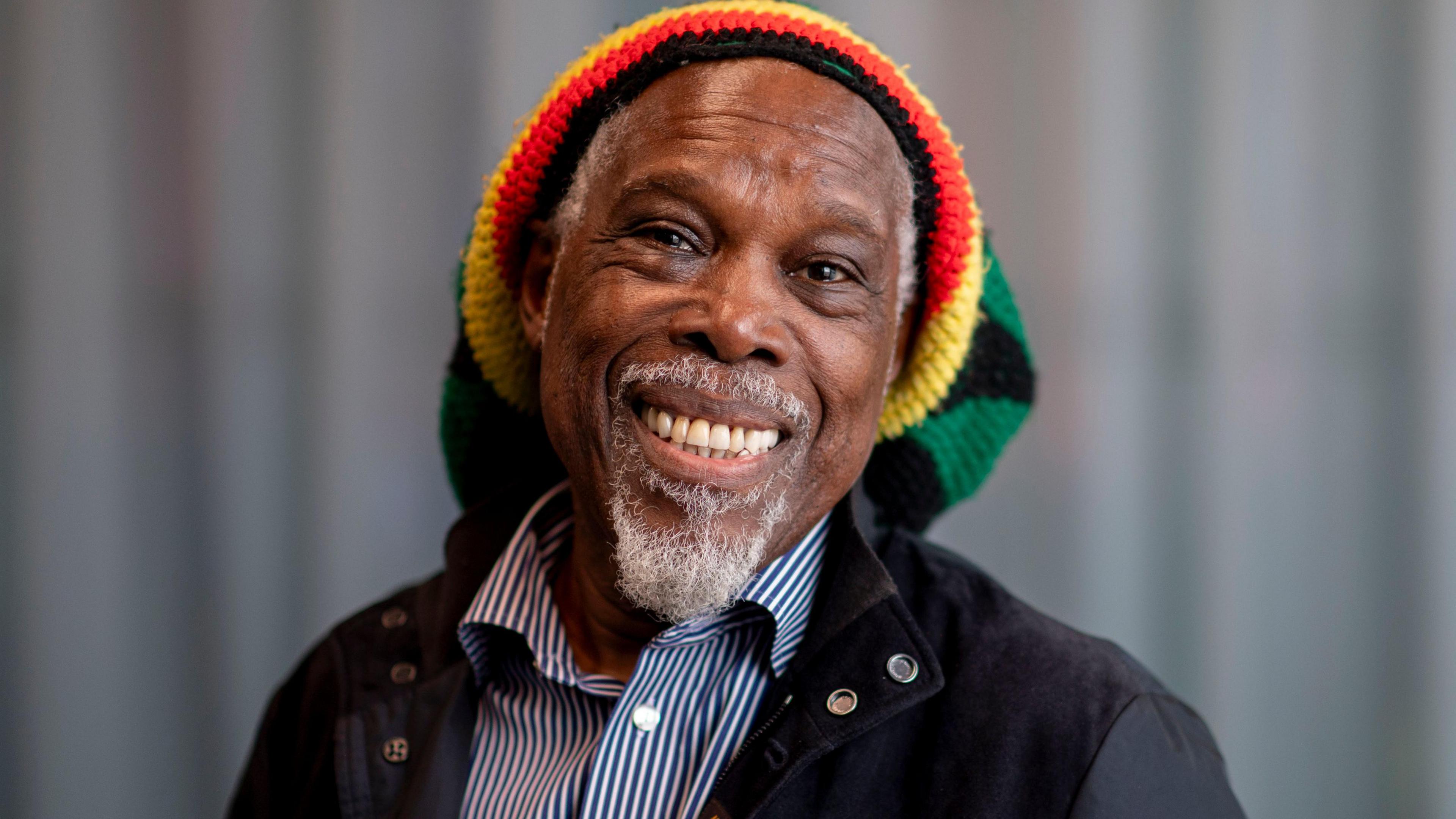
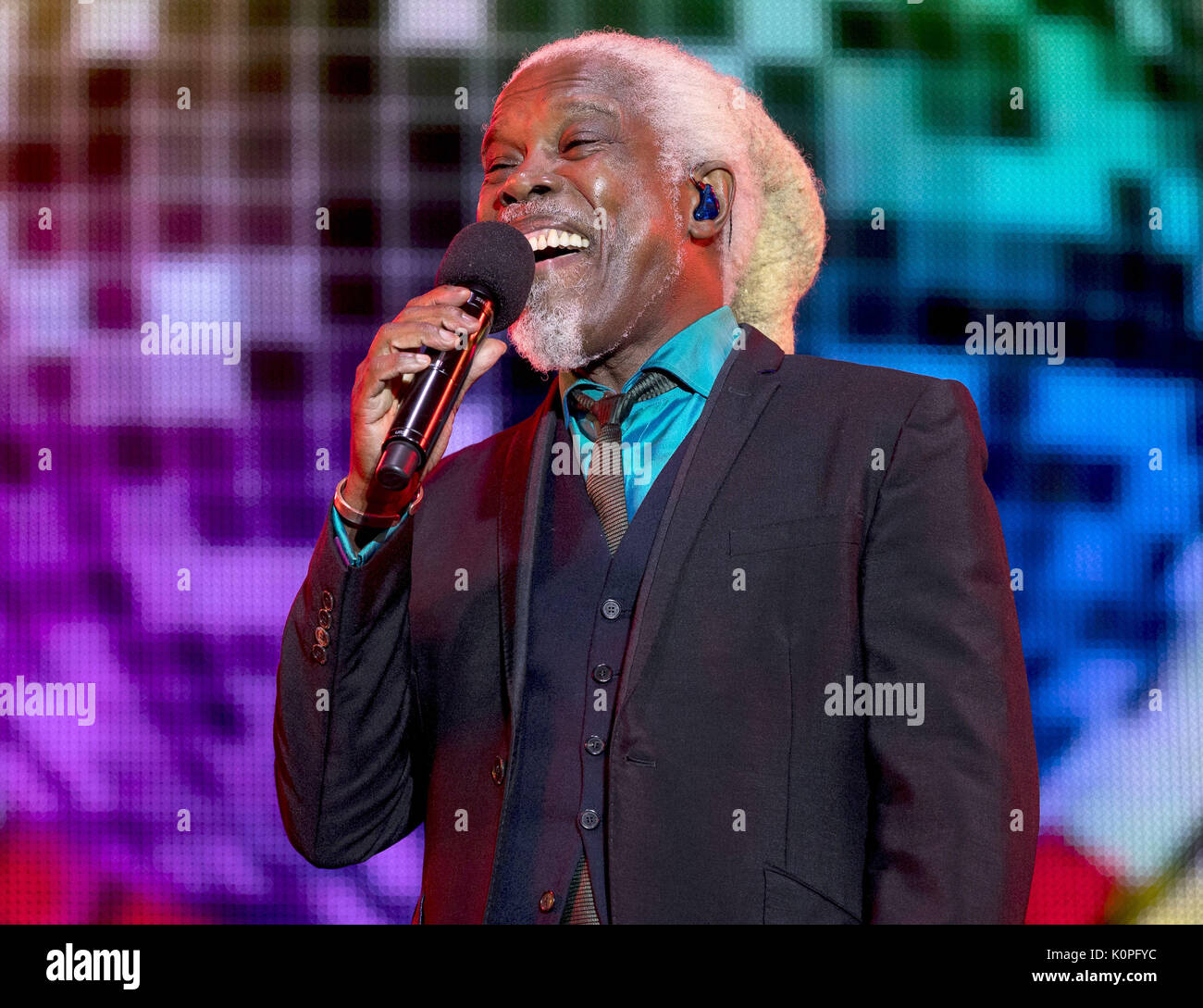
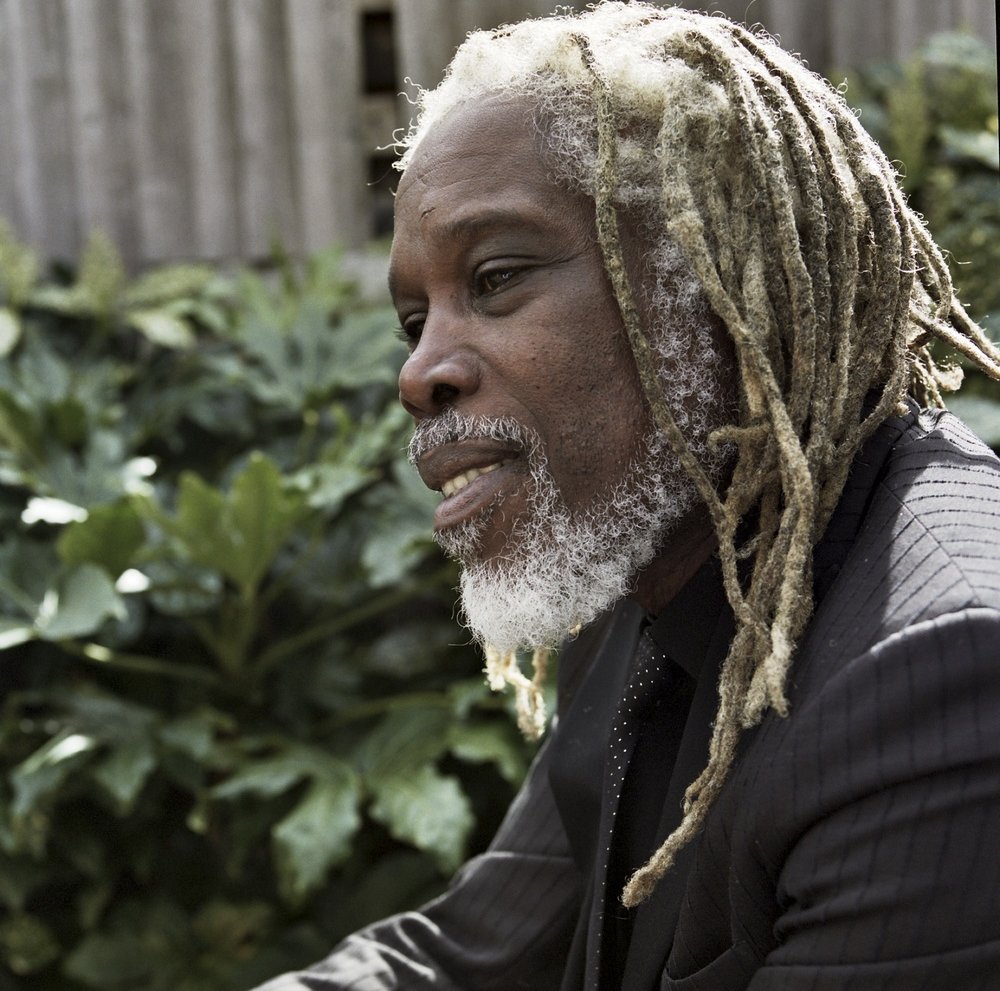
Billy Ocean is a Trinidadian-British recording artist who became the most successful British R&B singer-songwriter of the mid-1980s. With chart-topping hits like "Caribbean Queen" and "Suddenly," he secured international stardom, winning a Grammy Award and selling over 30 million records globally while seamlessly bridging the gaps between soul, pop, and reggae.
Early Foundations: From Trinidad to the London Club Scene
Born Leslie Sebastian Charles on January 21, 1950, in Fyzabad, Trinidad and Tobago, the artist who would become Billy Ocean moved to Romford, Essex, at the age of ten. This transition was pivotal, as it exposed him to the burgeoning London music scene of the 1960s. His father, a musician himself, encouraged Leslie’s vocal talents, but the path to stardom was not immediate.
During his teenage years, Ocean worked as a tailor in London’s famous Savile Row, a period he often cites as influential for his disciplined work ethic and sense of style. He spent his nights performing in various London clubs, honing a vocal style that blended the Caribbean rhythms of his youth with the soulful influences of American artists like Otis Redding and Sam Cooke. His early recordings under the name Les Charles saw moderate success, but it was the adoption of the stage name "Billy Ocean"—inspired by the Ocean Estate in Stepney where he was living—that marked the beginning of his professional ascent.
In 1976, he released "Love Really Hurts Without You," which peaked at number two on the UK Singles Chart and broke into the US Billboard Hot 100. This track showcased his ability to deliver Motown-inspired pop-soul with a distinctly British polish. While he continued to release music throughout the late 1970s and early 1980s, including the hit "L.O.D. (Love on Delivery)," the massive global success that would define his career was still on the horizon.
The 1980s Zenith: Dominating the Global Pop Charts
The mid-1980s transformed Billy Ocean from a successful UK soul singer into a global superstar. This era began in earnest with the 1984 release of the album Suddenly. The lead single, "Caribbean Queen (No More Love on the Run)," became a cultural phenomenon. Interestingly, the song was recorded with different titles for different markets—"African Queen" and "European Queen"—to maximize its regional appeal, though it was "Caribbean Queen" that ultimately conquered the world.
The track's success was driven by its innovative production, featuring a driving bassline and a catchy saxophone hook, which earned Ocean the Grammy Award for Best Male R&B Vocal Performance in 1985. This win was historic, making him the first British-based artist to win in that specific category. The Suddenly album also produced the title track, a lush ballad that demonstrated Ocean's versatility and range, solidifying his status as a "crooner" for the modern age.
Following Suddenly, the 1986 album Love Zone continued the momentum. It featured the massive hit "When the Going Gets Tough, the Tough Get Going," which served as the theme song for the film The Jewel of the Nile. The music video, featuring the film's stars Michael Douglas, Kathleen Turner, and Danny DeVito as backup singers, became an MTV staple. His string of hits continued with "Get Outta My Dreams, Get Into My Car" from the 1988 album Tear Down These Walls, which reached number one in both the US and the UK.
Analyzing the "Ocean Sound": Production and Songwriting Synergy
Billy Ocean's success was not merely a result of his vocal talent; it was the product of a sophisticated synergy between songwriting and production. During his peak years at Jive Records, Ocean worked closely with producers like Keith Diamond and Mutt Lange. Lange, known for his work with rock legends like AC/DC and Def Leppard, brought a high-gloss, rhythmic precision to Ocean's R&B tracks.
The Role of Synthesizers and Drum Programming
The "Ocean Sound" was characterized by the early use of advanced synthesizers and drum machines (such as the LinnDrum and Roland TR-808), which provided a crisp, danceable foundation. However, unlike many of his contemporaries who relied solely on electronic sounds, Ocean’s tracks often integrated live horns and guitar licks that added an organic soulfulness. This hybrid approach allowed his music to play equally well on R&B stations and mainstream pop radio.
Songwriting Themes
Ocean’s lyrics typically focused on universal themes of love, perseverance, and optimism. His songwriting avoided the overly gritty realism of some R&B genres, opting instead for a polished, aspirational quality. This "feel-good" factor made his music particularly resilient, allowing it to transcend cultural and linguistic barriers.
Significant Milestones and Major Awards
Throughout his career, Billy Ocean has been recognized by the industry for both his commercial impact and his musical craftsmanship. His longevity is a testament to the quality of his catalog.
| Year | Achievement/Award | Significance |
|---|---|---|
| 1985 | Grammy Award | Best Male R&B Vocal Performance for "Caribbean Queen" |
| 1987 | BRIT Award | Best British Male Artist |
| 1988 | Billboard #1 | "Get Outta My Dreams, Get Into My Car" reaches the top of the US charts |
| 2010 | MOBO Lifetime Achievement | Recognition for his contribution to music of Black origin |
| 2011 | Honorary Doctorate | Awarded by the University of Westminster for services to music |
| 2020 | Ivor Novello Award | PRS for Music Special International Award |
| 2020 | MBE Appointment | Appointed Member of the Order of the British Empire for services to music |
These accolades reflect a career that has not only produced hits but has also earned the respect of peers and academic institutions. His MBE, awarded in the 2020 New Year Honours, was a particularly significant moment, acknowledging his role as a cultural ambassador for British music.
The Hiatus and the Resurgence: A Career of Resilience
By the early 1990s, after nearly two decades of constant recording and touring, Billy Ocean made the conscious decision to step away from the limelight. This hiatus was primarily driven by a desire to spend time with his family and a commitment to his Rastafarian faith. During this period, he focused on raising his children and remained largely out of the public eye, though his music continued to be a staple on "oldies" and "classic hits" radio stations.
His return to the music industry in the mid-2000s was met with significant enthusiasm. He began touring again, finding that a new generation of fans had discovered his music through film soundtracks and digital streaming platforms. In 2009, he released Because I Love You, his first album of new material in over 15 years.
The most significant chapter of his later career came in 2020 with the release of One World. The album was a return to form, blending his signature soulful pop with contemporary production. It was recorded partly at Abbey Road Studios and reflected a more mature, reflective Ocean. The lead single, "All Over the World," addressed global unity, a theme that resonated strongly during the early 2020s.
Billy Ocean’s Standing in 2026: An Enduring Cultural Force
As of 2026, Billy Ocean remains a vital and active figure in the music world. At 76, his voice retains much of the power and clarity that first made him famous in the 1970s. His career in 2026 is defined by a balance of live performances at major festivals and a focus on mentoring younger artists within the British soul and R&B scene.
The streaming era has been particularly kind to Ocean's legacy. His top tracks consistently garner millions of monthly plays, and his influence can be heard in the works of contemporary artists who favor the "retro-soul" and "synth-pop" aesthetics. In 2026, many music critics point to Ocean as the blueprint for the modern "crossover" artist—one who can navigate multiple genres without losing their core identity.
His presence on the 2026 touring circuit often includes "Legacy Tours," where he performs his greatest hits alongside a full band, frequently including horn sections that replicate the lush sound of his 1980s records. These shows are noted for their high energy and multigenerational audiences, proving that the appeal of a well-crafted pop song is timeless.
FAQ: Common Questions About Billy Ocean
What is Billy Ocean's real name?
Billy Ocean was born Leslie Sebastian Charles. He adopted the stage name Billy Ocean in the mid-1970s, choosing "Ocean" because it felt vast and international, matching his musical ambitions.
How many number one hits did Billy Ocean have?
In the United States, Billy Ocean had three number-one hits on the Billboard Hot 100: "Caribbean Queen (No More Love on the Run)," "There’ll Be Sad Songs (To Make You Cry)," and "Get Outta My Dreams, Get Into My Car." In the UK, he reached number one with "When the Going Gets Tough, the Tough Get Going."
Is Billy Ocean still performing in 2026?
Yes, Billy Ocean continues to perform live as of 2026. He is a frequent headliner at major European and North American soul and 80s-themed festivals, and he maintains a consistent schedule of solo concert dates where he performs his extensive catalog of hits.
What was Billy Ocean's role in the movie "The Jewel of the Nile"?
While Billy Ocean did not act in the film, he recorded the main theme song, "When the Going Gets Tough, the Tough Get Going." The song’s music video is famous for featuring the film's lead actors—Michael Douglas, Kathleen Turner, and Danny DeVito—as his backup singers, though they did not actually perform on the studio recording.
Has Billy Ocean ever won a Grammy?
Yes, Billy Ocean won a Grammy Award in 1985 for Best Male R&B Vocal Performance for his hit "Caribbean Queen." He was the first British artist to win this prestigious award in the R&B category, highlighting his significant impact on the American music scene.
Exploring the Billy Ocean Catalog
For listeners looking to experience the depth of Billy Ocean’s work, a chronological approach is highly recommended. Start with the "Love Really Hurts Without You" single (1976) to understand his early soul roots. From there, the essential listening is the Suddenly (1984) album, which represents the pinnacle of 80s R&B production.
To appreciate his technical range, listen to his ballads, particularly "Suddenly" and "There'll Be Sad Songs (To Make You Cry)." These tracks highlight his control and emotional delivery, which are often overshadowed by his high-tempo dance hits. Finally, his 2020 album One World provides a modern context to his journey, showing how his Caribbean heritage and his life in the UK have merged into a singular, unified musical voice. In 2026, as music consumption continues to evolve, Billy Ocean’s discography stands as a masterclass in pop-soul longevity.