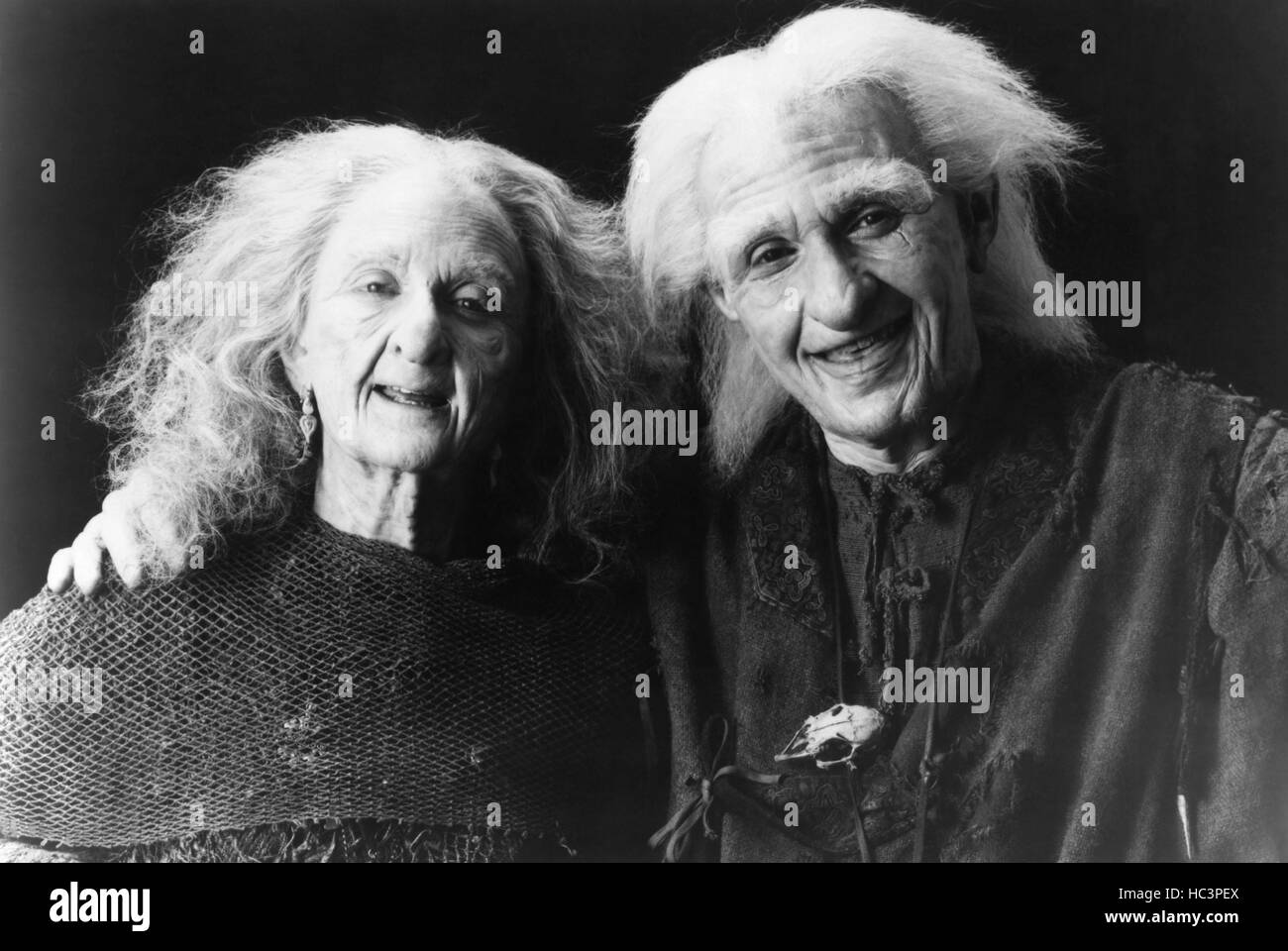
Billy Crystal’s performance as Miracle Max in The Princess Bride remains one of the most celebrated comedic cameos in cinema history. Known for his relentless improvisation and legendary chemistry with Carol Kane, Crystal’s presence on set created iconic outtakes and caused physical strain for cast members struggling to remain in character.
The Creation of Miracle Max: Preparation and Prosthetics
When Rob Reiner approached his friend Billy Crystal to play the "mostly dead" healer, Miracle Max, the character was intended to be a brief but memorable bridge in the film’s third act. However, Crystal, alongside Carol Kane as his wife Valerie, transformed the role into a masterclass in character acting. As we look back in 2026, nearly four decades since the film’s release, the technical effort required to create these characters remains a testament to the era's practical effects.
The transformation into Miracle Max was an arduous process. Crystal and Kane underwent over ten hours of prosthetic application for each day of filming. The makeup, designed by Peter Montagna, utilized layered foam latex appliances to create the weathered, ancient appearance of the couple. This grueling preparation meant that Crystal was often in character long before the cameras rolled, using the time to workshop the "old Jewish couple" dynamic he and Kane developed. They spent weeks together before filming, creating a deep back-story for Max and Valerie that informed their constant bickering. This history wasn't just for flavor; it allowed them to react instinctively to one another, which is why their scenes feel so lived-in and authentic.
The makeup was so restrictive that Crystal could only consume liquids through a straw during the shoot. This physical discomfort likely contributed to the manic, high-energy performance seen on screen. By the time the "mostly dead" Westley (Cary Elwes) was brought into Max's hovel, Crystal was primed to unleash a torrent of comedic energy that the rest of the cast was entirely unprepared for.
The Legendary Improvisations of Billy Crystal
While William Goldman’s script provided a brilliant foundation, Rob Reiner gave Billy Crystal complete creative freedom to improvise during the three days he spent on set. Crystal arrived with pages of notes and medieval-themed jokes, many of which focused on the mundane frustrations of a marriage that had lasted hundreds of years.
The most famous improvised moment is arguably the "Have fun storming the castle" line, which Crystal delivered with a perfect blend of cynicism and weary affection. However, it was the insults and non-sequiturs directed at Valerie and Inigo Montoya that truly defined the outtakes. For three days, Crystal never performed the same take twice. He would cycle through different "miracles" he had performed, different reasons why Max had been fired by Prince Humperdinck, and various complaints about the quality of mutton.
The sheer volume of material meant that the editors had an embarrassment of riches. Many of the outtakes featured Crystal breaking into contemporary 1980s references disguised in a medieval dialect—a technique he would later perfect in his stand-up specials. Because he stayed in character between takes, the "performance" was essentially a 72-hour marathon of comedic invention. This atmosphere of constant spontaneity is what gave the scene its lightning-in-a-bottle feel, but it also made the job of his co-stars nearly impossible.
The Physical Toll: How the Cast Suffered for the Comedy
The comedic genius of the Miracle Max scenes had a literal physical impact on the cast and crew. The most famous victim of Crystal's improvisation was Mandy Patinkin, who played Inigo Montoya. Patinkin was tasked with standing still while Crystal launched into a barrage of jokes. To keep from laughing and ruining the take, Patinkin had to flex every muscle in his body, eventually resulting in a bruised rib from the internal pressure of suppressed laughter.
Cary Elwes, who played the "mostly dead" Westley, faced a different challenge. As he was supposed to be a corpse-like figure on the table, any movement would ruin the shot. Elwes has since recounted in his memoir, As You Wish, that he was shaking so violently with suppressed laughter that the production had to replace him with a dummy for several of the over-the-shoulder shots. The vibration of his body was visible through the costumes, making it impossible to use the real actor for certain angles.
Even the director, Rob Reiner, found it impossible to maintain professional decorum. Reiner is known for his loud, boisterous laugh, which frequently bled into the audio tracks of early takes. Eventually, Reiner had to leave the immediate vicinity of the set. He moved to a different room, watching the scene on a monitor and biting on a piece of cloth to muffle his laughter. This separation of director and actors was rare for Reiner but necessary to capture a clean audio take of Crystal’s performance.
Behind-the-Scenes Technical Specifications and Facts
The production of the Miracle Max scenes was a intersection of high-concept makeup and low-budget ingenuity. Below is a breakdown of the key technical facts surrounding Billy Crystal's involvement in the film.
| Feature | Detail | Impact on Production |
|---|---|---|
| Makeup Duration | 10+ hours per session | Required actors to arrive at 2:00 AM for a standard shoot day. |
| Filming Window | 3 Days | The entire "hovel" sequence was captured in a very tight timeframe. |
| Prosthetic Material | Foam Latex | Restricted facial movement, forcing Crystal to act primarily with his eyes and voice. |
| Improvisation Ratio | Approximately 60-70% | The majority of the dialogue in the final cut was not in the original script. |
| Cast Injuries | Bruised ribs (Mandy Patinkin) | Highlighted the extreme difficulty of maintaining "straight man" roles against Crystal. |
| Director's Location | Outside the room | Rob Reiner had to monitor via video to avoid ruining audio with his laughter. |
The Enduring Legacy of the "Mostly Dead" Scene
In the landscape of 2026, The Princess Bride is often cited as the quintessential "perfect" screenplay. However, the Miracle Max scene stands out as a departure from the film’s established rhythm. It introduces a vaudevillian element that shouldn't work within the high-fantasy setting, yet it becomes the emotional and comedic heart of the final act.
The outtakes, many of which have been released in various "Anniversary Edition" Blu-rays and digital archives over the years, show a version of the movie that could have been much more absurdist. Crystal’s ability to weave together the pathos of a man who lost his "magic" with the humor of a disgruntled employee created a character that resonated far beyond the screen. The scene serves as a crucial turning point—not just because it brings Westley back to life, but because it injects a sense of hope and levity exactly when the stakes are highest.
The chemistry between Crystal and Kane was so potent that for decades, fans campaigned for a spin-off featuring Max and Valerie. While that never materialized, the duo’s performance remains a benchmark for what can be achieved when a director trusts their actors to explore a character’s boundaries.
Frequently Asked Questions
Did Billy Crystal write his own lines for The Princess Bride?
While William Goldman wrote the script, Billy Crystal improvised a significant portion of his dialogue. Rob Reiner encouraged Crystal to treat the script as a suggestion, leading to the creation of iconic lines regarding "mostly dead" vs. "all dead" and the various insults directed at the other characters. Crystal brought several pages of his own jokes and character notes to the set, which formed the basis for his improvisations.
Why did Rob Reiner have to leave the set during Billy Crystal’s scenes?
Rob Reiner is a notorious "laugher" on set. Because Billy Crystal was being so consistently funny and unpredictable, Reiner’s laughter was frequently caught on the microphones, ruining the takes. To ensure they could get a clean recording of Crystal’s performance, Reiner moved to a separate room with a video monitor, where he could laugh freely without affecting the audio.
Is it true that Mandy Patinkin bruised a rib while filming with Billy Crystal?
Yes, Mandy Patinkin has confirmed in numerous interviews that he bruised a rib from the physical strain of holding back laughter. Because his character, Inigo Montoya, had to remain serious and focused, Patinkin had to exert tremendous physical pressure on his core to keep from breaking character during Crystal’s three-day improvisational marathon.
How long did the makeup take for Miracle Max?
The makeup process for both Billy Crystal and Carol Kane took upwards of ten hours each day. This involved applying multiple pieces of foam latex, hand-painting skin textures, and applying individual hairs for the eyebrows and beard. Because of this, the actors often had to start their day in the makeup chair in the middle of the night to be ready for morning filming.
Where can I watch the official outtakes of Billy Crystal in The Princess Bride?
The most comprehensive collection of outtakes can be found on the Criterion Collection release of The Princess Bride and the various "30th Anniversary" and subsequent digital "Vault" editions available as of 2026. These releases often include the "As You Wish" documentary, which features specific segments dedicated to the Miracle Max filming sessions and behind-the-scenes footage of Crystal’s improvisation.
How to Explore More Princess Bride History
For those looking to dive deeper into the production of this classic, the best next step is to read Cary Elwes’ memoir, As You Wish: Inconceivable Tales from the Making of The Princess Bride. It provides the most detailed first-hand account of the atmosphere on set during the Miracle Max scenes. Additionally, searching for the "Miracle Max Outtakes" on verified archival film sites will provide a glimpse into the hours of footage that didn't make the final cut, offering a masterclass in comedic timing and character development.
As the film approaches its 40th anniversary in 2027, many specialty theaters are planning retrospective screenings that include never-before-seen digital restorations of these legendary outtakes. Checking local listings for these "Anniversary Experience" events is highly recommended for any enthusiast of 1980s cinema and practical effects history.