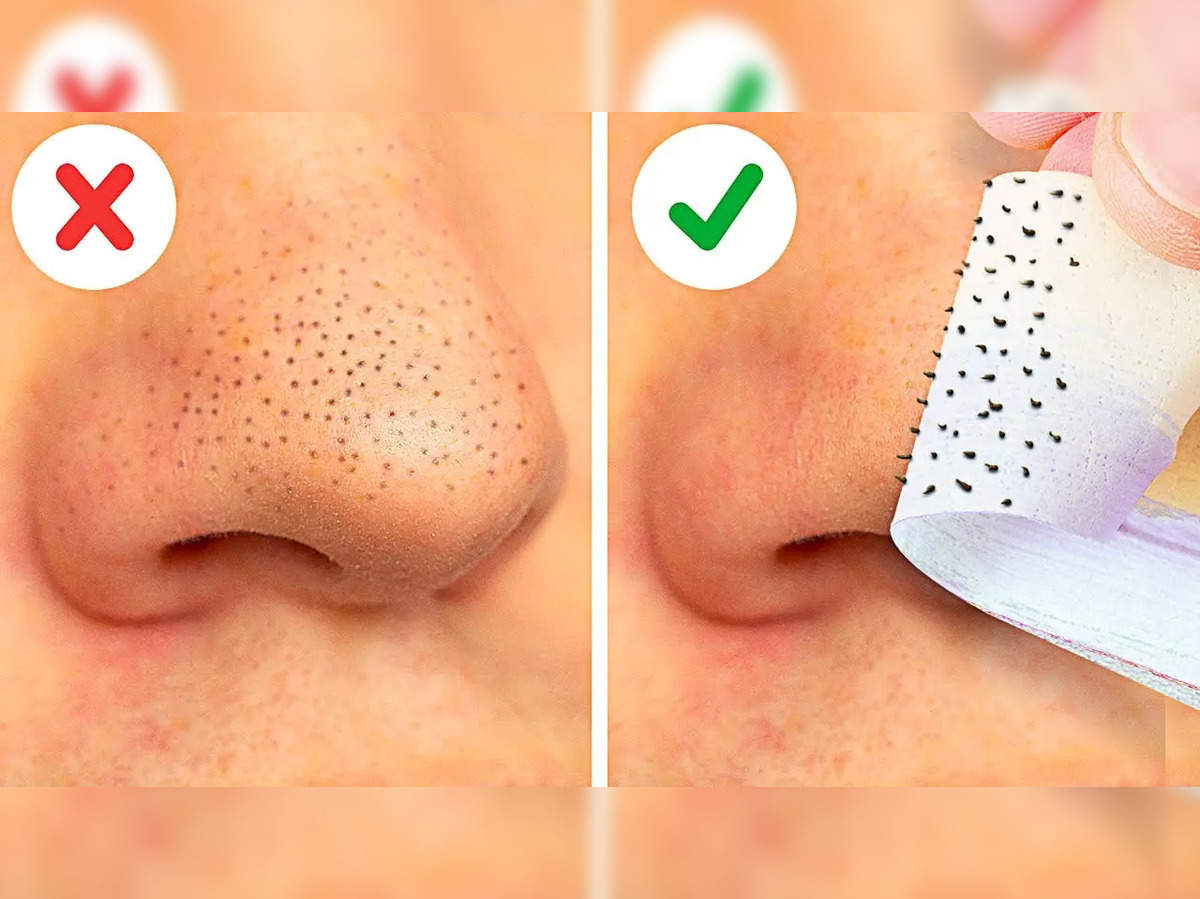
Large blackheads on the back, clinically referred to as macro-comedones, represent more than just a cosmetic nuisance; they are a complex dermatological condition involving follicular hyperkeratosis and excessive sebum production. Because the skin on the back is significantly thicker than the skin on the face and possesses a higher density of large sebaceous glands, blackheads in this region can grow to substantial sizes, often becoming deeply embedded within the dermal layers. In 2026, the approach to treating "bacne" and localized comedonal clusters has shifted toward a combination of advanced topical retinoids, microbiome-balancing cleansers, and professional-grade mechanical extraction.
Understanding the anatomy of a back blackhead is the first step toward effective clearance. Unlike whiteheads (closed comedones), blackheads are open pores where the trapped sebum and dead skin cells have oxidized upon exposure to oxygen, resulting in the characteristic dark appearance. On the back, these can sometimes evolve into "dilated pores of Winer," which are essentially giant solitary comedones that require specific clinical intervention to ensure the pore wall does not permanently stretch.
The Pathophysiology of Macro-Comedones on the Back
The development of large blackheads on the back is governed by several physiological factors that are unique to the torso’s integumentary system. The back remains one of the most difficult areas to treat due to accessibility and the sheer depth of the follicular units.
- Follicular Hyperkeratosis: This is the process where the skin cells lining the hair follicle do not shed properly. Instead, they stick together, creating a "plug" (micro-comedone) that eventually enlarges.
- Sebum Overproduction: Hormonal fluctuations (specifically androgens) signal the sebaceous glands to produce more oil. On the back, these glands are particularly active, leading to a higher volume of material trapped behind the keratin plug.
- The Role of C. acnes and the Microbiome: While blackheads are generally non-inflammatory, the presence of Cutibacterium acnes can lead to secondary inflammation if the blackhead is squeezed improperly, turning a simple comedone into a painful cyst or nodule.
- Acne Mechanica: In 2026, we see a high prevalence of back blackheads caused by friction. Physical pressure from backpacks, gym equipment, and non-breathable synthetic fabrics triggers the skin to thicken and pores to clog.
2026 Professional Extraction vs. At-Home Risks
One of the most common mistakes individuals make is attempting to "pop" large blackheads on their own. Given the thickness of the skin on the back, the pressure required to evacuate a deep-seated blackhead often causes the follicular wall to rupture downward into the dermis rather than upward through the pore. This leads to "acne scarring" and potential systemic infection.
Clinical Extraction Methods
Dermatologists and licensed medical estheticians in 2026 utilize specialized tools to safely remove macro-comedones. The use of a Schamberg extractor or a lancet-assisted vacuum allows for the complete evacuation of the sebaceous plug without damaging the surrounding tissue.
Risks of DIY Extraction
- Post-Inflammatory Hyperpigmentation (PIH): Dark spots that can last for years.
- Ice Pick and Boxcar Scarring: Permanent indentations in the skin.
- Secondary Infection: Introduction of Staphylococcal bacteria into the open pore.
Top-Tier Topical Treatments for Back Congestion in 2026
The 2026 dermatological landscape has seen the rise of "encapsulated delivery systems" that allow active ingredients to penetrate the thick skin of the back more effectively without causing the irritation seen with older formulations.
The Gold Standard: Retinoids and Keratolytics
Fourth-Generation Retinoids Products containing Trifarotene or Tazarotene are now the first line of defense for back comedones. These molecules specifically target the retinoic acid receptors found in the skin, regulating cell turnover and preventing the initial formation of the keratin plug.
High-Potency Beta-Hydroxy Acids (BHA) Salicylic acid remains a staple, but 2026 formulations often use a 3% to 5% concentration for the back, compared to the 2% maximum typically recommended for the face. As a lipid-soluble acid, it dissolves the "glue" holding the sebum and dead cells together inside the pore.
Benzoyl Peroxide Short-Contact Therapy To manage the microbial environment without bleaching clothes, 10% Benzoyl Peroxide washes are used for 2-3 minutes in the shower and then rinsed thoroughly. This kills bacteria and provides a mild keratolytic effect.
Comparing Treatment Modalities for Large Back Blackheads
The following table outlines the most effective interventions available in 2026, categorized by their mechanism of action and expected recovery time.
| Treatment Type | Primary Active Agent / Method | Ideal Candidate | Estimated Recovery | Effectiveness for Large Comedones |
|---|---|---|---|---|
| Topical Retinoids | Tazarotene / Adapalene 0.3% | Chronic, widespread blackheads | 4-8 weeks (purging phase) | High (Prevention & Treatment) |
| Chemical Peels | 30% Salicylic / Glycolic Acid | Superficial, numerous blackheads | 3-5 days (peeling) | Moderate |
| Manual Extraction | Clinical Comedone Extractor | Large, singular macro-comedones | 24-48 hours (redness) | Very High (Instant) |
| Hydradermabrasion | Vacuum + Salicylic Infusion | Congested skin, oily types | None | Moderate/High |
| Laser Therapy | 1550nm Non-Ablative Laser | Stubborn, recurring comedones | 2-3 days (bronzing) | High (Long-term) |
Prevention Strategies: Lifestyle and Hygiene Adjustments
To prevent the recurrence of big blackheads on the back, one must address the environmental factors that contribute to pore blockage. In 2026, we emphasize "Dermal Hygiene Protocols" for athletes and individuals with active lifestyles.
- Immediate Post-Perspiration Cleansing: Sebum and sweat can solidify quickly. Showering within 10 minutes of exercise using a pH-balanced, medicated wash is critical.
- Exfoliation Frequency: Use a long-handled silicone back scrubber. Unlike loofahs, silicone does not harbor bacteria and provides a gentle physical exfoliation that complements chemical treatments.
- Dietary Factors: While 2026 research confirms that diet is not the primary cause of blackheads, high-glycemic index foods can spike insulin, which in turn increases androgen production and sebum flow.
- Fabric Selection: Transition to moisture-wicking, silver-infused antimicrobial fabrics. These 2026 textiles reduce the bacterial load on the skin surface and minimize friction.
When to See a Board-Certified Dermatologist
While many small blackheads can be managed with over-the-counter (OTC) 2026 formulations, certain "big blackheads" require professional diagnosis. A common look-alike is the "Epidermoid Cyst," which has a central punctum that looks like a blackhead but is actually a sac beneath the skin. Attempting to squeeze a cyst will lead to a significant inflammatory response.
You should seek professional help if:
- The blackhead is larger than 5mm in diameter.
- The area is painful, warm to the touch, or persistently red.
- Home treatments have failed after 12 weeks of consistent use.
- There is evidence of scarring (depressed or raised scars).
Frequently Asked Questions
Why are the blackheads on my back so much bigger than those on my face? The pores on your back are associated with larger sebaceous glands and the skin is significantly thicker, allowing more debris to accumulate before it reaches the surface. Because the back is often covered by clothing, the material is pressed deeper into the follicle, where it can expand undisturbed for months.
Can I use a vacuum pore extractor at home for back blackheads? Professional vacuum systems used in 2026 clinics are regulated and have controlled suction levels; however, consumer-grade vacuum extractors often cause "hickies," bruising, and capillary damage without actually removing the deep-seated plug. It is safer to stick to chemical exfoliants or see a professional for manual extraction.
Does stress cause big blackheads on the back? Stress triggers the release of cortisol, which is linked to increased oil production. While stress doesn't directly "create" a blackhead, it provides the excess sebum that acts as the raw material for a clog to form, especially in the high-density oil zones of the upper back.
Are these large blackheads a sign of poor hygiene? Absolutely not. Blackheads are primarily a result of hormones, genetics, and skin cell behavior. Even individuals who shower twice daily can develop macro-comedones if their skin has a genetic predisposition to follicular hyperkeratosis.
What is the best 2026 ingredient for stubborn back blackheads? Encapsulated Salicylic Acid is currently the top-performing ingredient. The encapsulation allows the acid to bypass the surface tension of the skin and release slowly within the pore, providing 24-hour exfoliation without the irritation typically associated with high-acid concentrations.
Expert Insight for Long-Term Clearance
As we navigate the dermatological advancements of 2026, it is clear that the most successful patients are those who combine "patience with potency." The skin on the back takes longer to heal and regenerate than facial skin. A regimen consisting of a 5% Salicylic acid wash in the morning and a Tazarotene cream at night will yield significant results, but only if followed for a minimum of three months. If you are dealing with a singular, extremely large blackhead, do not wait for it to resolve on its own; professional intervention is the only way to ensure the pore is cleared without leaving a permanent "dilated pore" or scar.
If you are ready to address your back congestion, begin with a medicated wash and schedule a consultation with a dermatologist for a professional "back facial" or extraction session to reset your skin’s health.