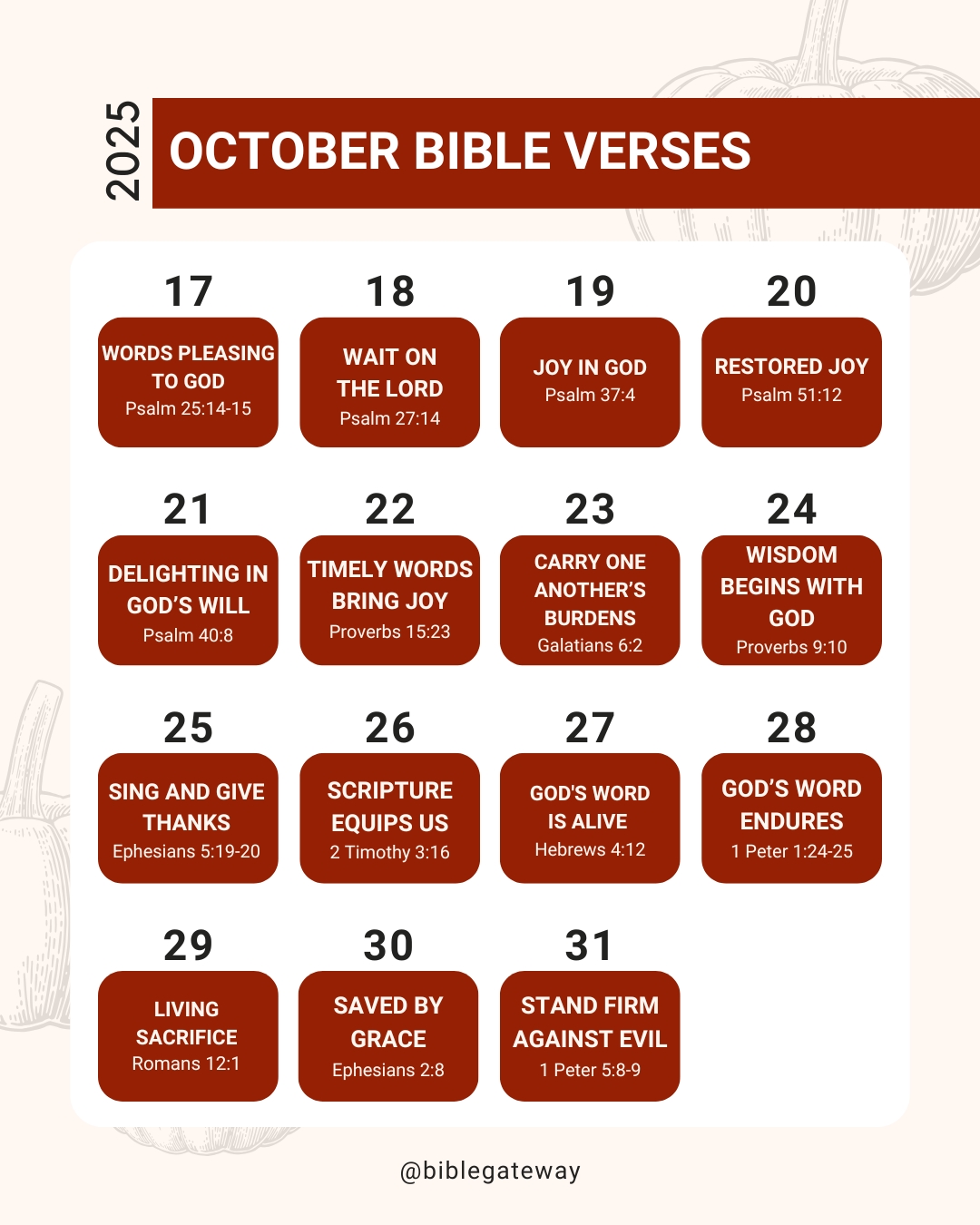
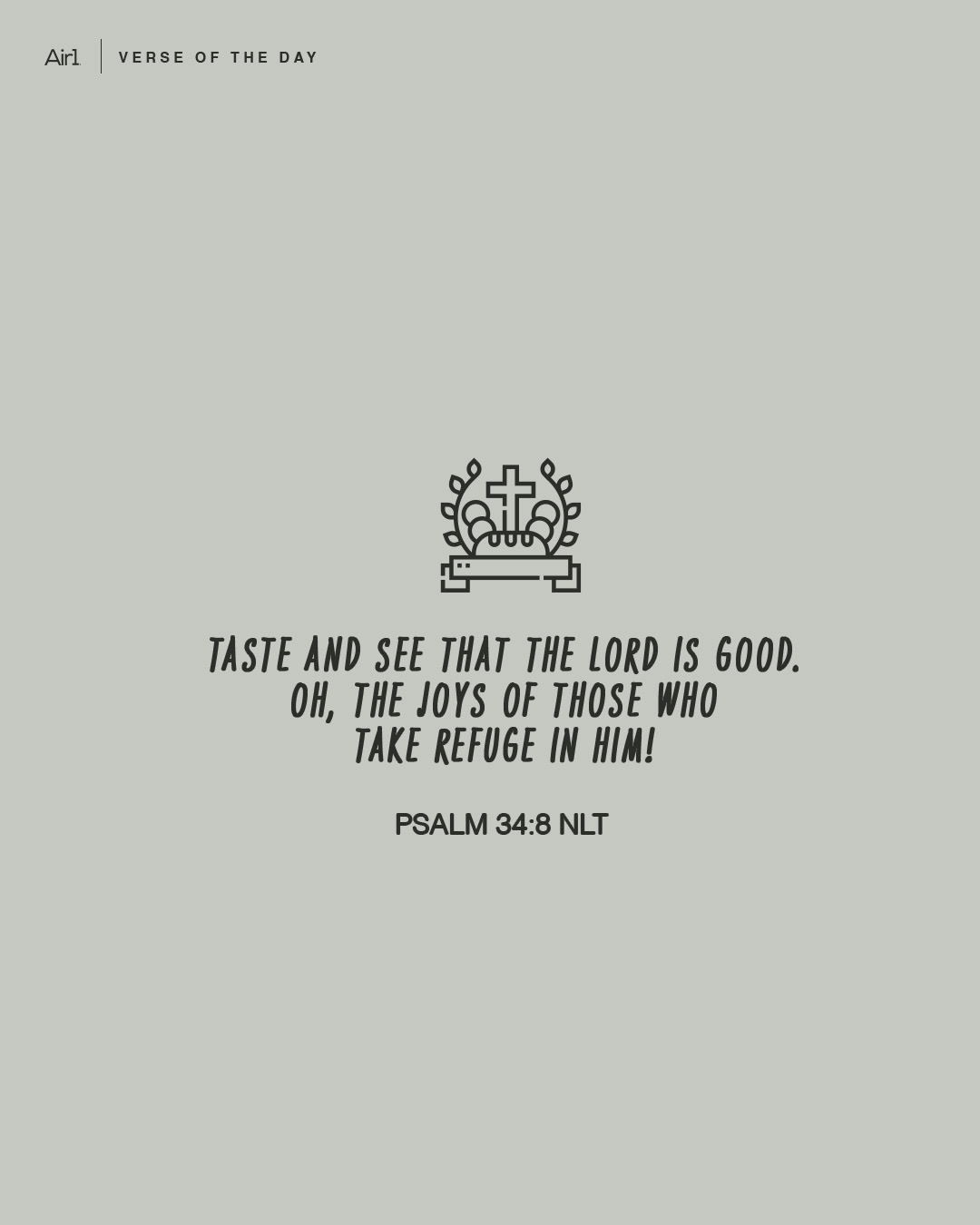
Digital theology and online scriptural engagement have transformed how millions interact with sacred texts. Among the digital landscape's most popular daily touchpoints is the Bible Gateway Verse of the Day feature. In 2026, navigating this digital devotional tool requires an understanding of text-critical methodologies, translation philosophies, application programming interfaces, and user experience paradigms. Users do not merely read a random line of text; they interact with a meticulously curated database designed to serve diverse theological traditions, academic researchers, and everyday seekers.
Understanding the Mechanics of Modern Daily Scripture Distribution
The modern digital ecosystem relies on complex content delivery systems to surface daily scriptures across web browsers, mobile applications, email newsletters, and widget integrations. When examining how platforms curate daily verses, several technical and editorial factors emerge. Algorithms and human editors collaborate to ensure the chosen texts resonate with the liturgical calendar, seasonal shifts, global events, and canonical balance.
- Editorial Selection Committees: Editorial teams often align daily verses with historical Christian calendars, such as Advent, Lent, and Ordinary Time, while also acknowledging secular rhythms like New Year reflections or harvest seasons.
- Database Indexing: Verses are mapped against multiple metadata tags, including theme, emotion, book of the Bible, and theological motif, allowing developers to pull targeted selections via API endpoints.
- Multi-Translation Matrix: The underlying infrastructure supports simultaneous rendering across dozens of recognized English and international translations, accommodating distinct linguistic preferences.
For technical users, developers, and ministry leaders who integrate these feeds into church websites or custom apps, understanding the rate limits, JSON structures, and syndication rights of digital scripture providers is essential for seamless operation in 2026.
Comparative Analysis of Major Bible Reading and Verse Delivery Platforms
While many platforms offer a daily verse, the user experience, translation availability, and analytical depth vary significantly. The table below compares the Verse of the Day ecosystem across leading digital Bible providers in 2026.
| Platform Name | Primary Translation Range | API Availability | Offline Accessibility | Key Differentiating Feature |
|---|---|---|---|---|
| Bible Gateway | 200+ versions in 70+ languages | Restricted/Partner-based | Requires active internet or app cache | Extensive cross-referencing tools and parallel reading views |
| YouVersion (Bible.com) | 2,000+ versions in 1,500+ languages | Robust developer ecosystem | Full offline download capability for select texts | Massive global community, video devotionals, and reading plans |
| Blue Letter Bible | Primarily historic texts (KJV, NKJV, ESV) | Limited | Moderate cache support | Integrated lexicon, strong's concordance, and morphological tagging |
| Bible Study Tools | Standard popular versions (NIV, NLT, ESV) | Commercial licensing | Limited | Deep commentary libraries and historical dictionary integration |
Evaluating these platforms helps scholars, students, and casual readers select the environment that best matches their daily devotional and exegetical needs.
The Hermeneutical Challenge of Out-of-Context Reading
A primary critique raised by biblical scholars regarding any daily verse feature is the risk of proof-texting—extracting a verse from its literary, historical, and canonical context to derive meaning. Reading a single verse without examining the surrounding pericope can lead to misinterpretation.
Maintaining Contextual Integrity Readers must actively combat the tendency to treat daily verses as fortune cookies or magical pronouncements. Every isolated line belongs to a larger narrative arc within its specific biblical book, whether prophetic, epistolary, narrative, or apocalyptic.
To bridge the gap between bite-sized digital consumption and rigorous biblical scholarship, users should practice contextual expansion:
- Identify the Immediate Pericope: Read the three verses preceding and following the highlighted text.
- Determine Authorship and Audience: Consider who wrote the text, to whom it was originally addressed, and the historical circumstances of that community.
- Examine Genre Constraints: Recognize whether the text is poetry in Psalms, legal code in Leviticus, apocalyptic imagery in Revelation, or historical narrative in Kings.
- Cross-Reference Canonical Themes: Look at how the broader testament treats the specific concept or vocabulary word used in the verse.
Leveraging Daily Scripture for Academic and Devotional Growth
Integrating the daily verse into a rigorous study routine requires moving beyond passive reading into active engagement. In 2026, digital platforms offer sophisticated tools that enable users to transition from a surface-level glance to deep linguistic study.
When a verse appears in your feed, utilize original language tools if available. Examining the Hebrew, Aramaic, or Greek roots of key terms prevents modern cultural assumptions from overriding ancient semantic ranges. For instance, understanding the distinction between agape, phileo, and eros when encountering a New Testament text about love transforms a simple inspirational quote into a rigorous ethical mandate.
Furthermore, journaling platforms integrated into modern scripture apps allow users to track recurring themes over months and years. Reviewing past daily verses reveals patterns in personal spiritual development and scriptural illumination.
Pros and Cons of Digital Daily Verse Subscriptions
Evaluating whether to rely on automated daily verse feeds involves weighing convenience against depth.
Pros:
- Consistent Habit Formation: Gentle daily reminders encourage regular engagement with scripture.
- Linguistic Exposure: Encountering diverse translations prompts deeper lexical study.
- Accessibility: Instant access to texts across mobile and desktop devices without carrying physical volumes.
- Global Connectivity: Shared daily readings foster community discussions across geographical boundaries.
Cons:
- Fragmentation Risk: Short snippets discourage sustained, narrative-driven reading habits.
- Decontextualization: Stripping verses from their chapters increases the likelihood of hermeneutical errors.
- Commercialization: Some digital platforms intersperse devotionals with promotional materials or theological biases.
- Notification Fatigue: Excessive digital alerts can desensitize users to the sacred weight of the text.
Step-by-Step Guide to Customizing Your Daily Scripture Feed
To maximize the spiritual and intellectual benefit of daily verse features, users should configure their digital environments intentionally. Follow this workflow to optimize your daily engagement:
- Select a Trusted Platform: Choose a provider whose translation library and editorial philosophy align with your theological or academic framework.
- Choose Your Translation Wisely: Opt for a dynamic equivalence translation (like NLT) for devotional flow, or a formal equivalence translation (like ESV or NASB) for analytical precision.
- Configure Notification Timing: Set delivery times that coincide with quiet moments, such as early morning reflection or evening review, avoiding times of high distraction.
- Establish a Context Routine: Never read the daily verse in isolation; commit to opening the parent chapter and reading at least one paragraph before moving on with your day.
- Record Insights: Maintain a dedicated digital or physical journal to log questions, definitions, and applications arising from the daily text.
Frequently Asked Questions About Daily Scripture Features
How are verses chosen for daily delivery?
Daily verses are typically selected by editorial boards or automated algorithms based on liturgical calendars, thematic relevance, seasonal holidays, or popular search trends. These selections balance inspirational themes with foundational theological doctrines.
Can I change the Bible translation used for my daily verse?
Yes, most major digital scripture platforms allow users to customize their default translation settings, ensuring daily verses appear in preferred versions such as the NIV, ESV, KJV, or NLT.
Is reading a single verse enough for daily spiritual health?
While a single verse provides a helpful focal point for meditation, theologians and pastors recommend pairing daily verse notifications with longer, chapter-by-chapter reading plans to maintain proper biblical context.
How can I integrate daily verse feeds into my church website or app?
Developers can utilize official application programming interfaces provided by major bible networks or embed approved widget codes to syndicate daily scripture directly onto external digital properties.
Are digital daily verse services free to use?
Most foundational daily verse emails, widgets, and basic app features are provided free of charge, though some platforms offer premium subscriptions for advanced commentaries, offline maps, and specialized study libraries.
Conclusion and Strategic Next Steps
Engaging with the Bible Gateway Verse of the Day or similar digital scripture tools in 2026 offers a powerful intersection of technology and ancient text. By combining the convenience of digital delivery with rigorous contextual study, users can avoid the pitfalls of isolated proof-texting while cultivating a resilient daily habit. Begin today by auditing your current digital scripture intake, selecting a translation that matches your study goals, and committing to read the full context behind every daily verse you encounter.