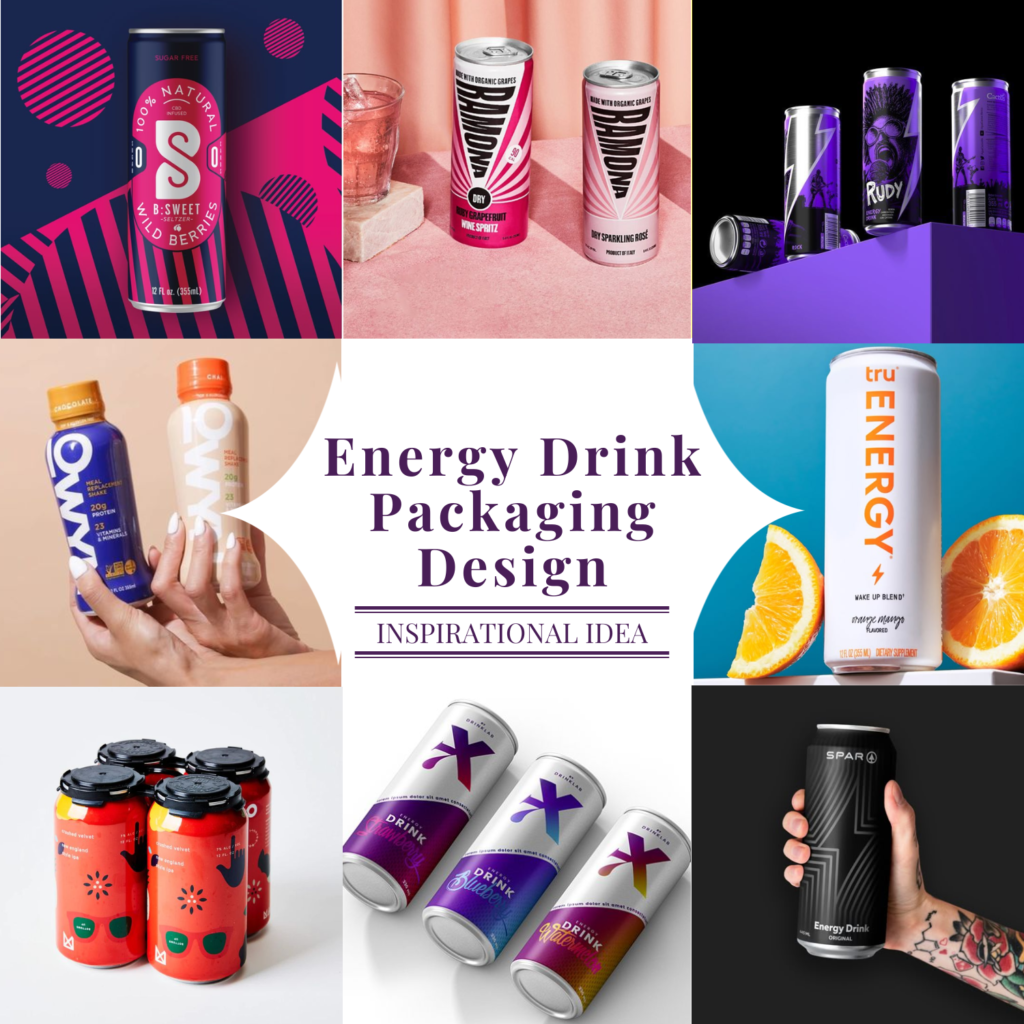
Beverage packaging is the specialized technology used to enclose, protect, and market liquid products throughout the supply chain. In 2026, it serves a dual purpose: ensuring chemical stability and shelf-life while meeting stringent environmental mandates for circularity. Effective packaging balances material integrity, consumer convenience, and regulatory compliance regarding recycled content and carbon footprint.
The Essential Functions of Beverage Packaging
Beverage packaging is far more than a simple container; it is a complex engineering solution designed to maintain the integrity of a liquid product from the moment of filling until the point of consumption. In the current 2026 landscape, these functions are categorized into three primary domains: protection, communication, and utility.
Containment and Chemical Protection The primary role of any beverage container is to prevent leakage and protect the contents from external contaminants. This includes microbial protection, which is vital for perishable goods like dairy or plant-based milks. Furthermore, packaging must act as a barrier against environmental factors. For instance, carbonated soft drinks require high CO2 barrier properties to prevent "flatness," while light-sensitive beverages like beer or certain juices require UV-resistant materials (such as amber glass or opaque plastics) to prevent oxidation and flavor degradation.
Safety and Tamper Evidence In 2026, consumer safety remains paramount. Packaging must include tamper-evident features—such as breakable rings on plastic caps or vacuum-seal buttons on glass jars—that provide visible proof if a product has been opened. Additionally, material safety is scrutinized; modern packaging must be free from harmful migrants like certain phthalates or PFAS (per- and polyfluoroalkyl substances), adhering to the latest updates from global health authorities.
Marketing and Information The package is the "silent salesman" on the retail shelf. It carries essential branding elements but also serves as a legal document. By 2026, labeling requirements have expanded to include detailed nutritional data, allergen warnings, and increasingly, digital triggers like QR codes that provide consumers with transparency regarding the product’s origin and the packaging’s recyclability.
Comparative Analysis of Packaging Materials
Selecting the right material is a strategic decision that affects costs, logistics, and the consumer experience. The four dominant materials in the beverage industry—Aluminum, PET, Glass, and Liquid Paperboard—each offer distinct technical advantages and limitations.
| Material | Primary Use Case | Recyclability Rate (2026 Avg.) | UV Barrier | Weight Profile |
|---|---|---|---|---|
| Aluminum | Carbonated drinks, Craft Beer | Very High (>70%) | Absolute | Ultralight |
| PET (Plastic) | Water, Soda, Sports Drinks | Moderate (Closed-loop) | Variable | Lightweight |
| Glass | Spirits, Wine, Premium Soda | High | High (if tinted) | Heavy |
| Aseptic Carton | Milk, Juice, Broths | Improving | High | Medium |
Aluminum: The Circularity Leader
Aluminum cans have become the gold standard for many brands in 2026 due to their "infinite" recyclability. Unlike plastic, aluminum does not degrade in quality during the recycling process. From a technical standpoint, cans offer a 100% barrier against light and oxygen, which significantly extends the shelf life of sensitive beverages. Their lightweight nature also reduces transportation-related carbon emissions compared to heavier alternatives.
PET and rPET: The Utility Standard
Polyethylene Terephthalate (PET) remains the most common material for bottled water and soft drinks due to its shatterproof nature and transparency. However, the industry in 2026 is defined by the transition to rPET (recycled PET). Many jurisdictions now mandate a minimum of 30% to 50% recycled content in plastic bottles. While PET is highly functional, it faces challenges with gas permeability over long periods, making it less suitable for high-end aging of products compared to glass.
Glass: The Premium Inert Barrier
Glass is favored for premium products because it is chemically inert, meaning it does not react with the contents or impart any "plastic" taste. This is critical for the spirits and wine industries. The main drawbacks in 2026 remain its fragility and high carbon footprint during production and transport due to its weight. To combat this, many manufacturers are employing "light-weighting" techniques to reduce the amount of glass used per bottle without sacrificing structural integrity.
Sustainability and the Circular Economy in 2026
Sustainability is no longer an optional "green" initiative; it is a core business requirement. Beverage packaging in 2026 is heavily influenced by the principles of the circular economy, which aims to eliminate waste and keep materials in use indefinitely.
Extended Producer Responsibility (EPR) Legislative frameworks, such as the EU Packaging and Packaging Waste Regulation (PPWR), have forced manufacturers to take financial responsibility for the entire lifecycle of their packaging. This has led to a surge in Deposit Return Schemes (DRS), where consumers pay a small deposit that is refunded when the container is returned for recycling. These systems have significantly boosted the purity of recycling streams, especially for PET and Aluminum.
Design for Recyclability Brands are moving away from "multi-material" packaging that is difficult to separate. In 2026, we see a decline in plastic-sleeved cans and a move toward tethered caps—caps that remain attached to the bottle after opening. This design innovation ensures that the cap enters the recycling stream along with the bottle rather than becoming litter or microplastic pollution.
Biodegradable and Compostable Alternatives While still a niche market, bio-based plastics (like PLA or PEF) and paper-based bottles with thin bio-barriers are gaining traction. However, their success in 2026 depends on the local availability of industrial composting facilities, as these materials often do not break down in standard home compost heaps or the open environment.
Technical Innovations in Smart Packaging
The integration of digital technology into beverage packaging has matured significantly by 2026. This "Smart Packaging" provides value to both the consumer and the manufacturer through enhanced data and interaction.
- NFC and Active QR Codes: Near-Field Communication (NFC) chips embedded in labels allow premium spirit brands to prevent counterfeiting and provide consumers with "storytelling" content via their smartphones.
- Time-Temperature Indicators (TTI): These are labels that change color if a beverage (like a cold-brew coffee or a probiotic drink) has been exposed to temperatures that could compromise its safety or flavor.
- Oxygen Scavengers: Active packaging components are now more frequently integrated into the lining of caps to chemically absorb residual oxygen in the headspace of the bottle, further extending shelf life without the need for additional preservatives.
Regulatory Compliance and Food Safety
Navigating the legal landscape of beverage packaging requires strict adherence to regional and international standards. In 2026, the focus has shifted toward chemical transparency and the elimination of "forever chemicals."
Manufacturers must ensure that all food-contact materials (FCM) are compliant with regulations such as the FDA’s Food Contact Substances program in the United States or the European Food Safety Authority (EFSA) guidelines. A critical development in 2026 is the mandatory reporting of the "Carbon Intensity" of packaging. Large producers must now provide data on the CO2e (carbon dioxide equivalent) generated per unit of packaging, influencing which materials are selected during the procurement phase.
Furthermore, labeling laws have become more stringent. In many regions, the "Recyclability Score" must be clearly displayed, informing the consumer exactly how to dispose of the item. This prevents "greenwashing" by holding brands accountable for the actual end-of-life viability of their containers.
Strategic Selection: Choosing the Right Packaging
For a beverage brand, selecting packaging involves a multi-variable calculation. The decision-making process typically follows these steps:
- Product Compatibility: Does the liquid require a high oxygen barrier? Is it carbonated? This dictates whether PET, glass, or aluminum is the baseline requirement.
- Distribution Channel: Will the product be shipped long distances via e-commerce? If so, weight and durability (favoring aluminum or cartons) are more important than the premium feel of glass.
- Target Audience: Is the consumer looking for luxury (glass) or convenience and portability (slim-line aluminum cans or PET)?
- Cost vs. Sustainability: While rPET and bio-plastics may be more expensive than virgin materials, the potential "plastic taxes" or EPR fees for non-sustainable options often make the eco-friendly choice more cost-effective in the long run.
Common Mistakes in Beverage Packaging
One of the most frequent errors is "over-packaging"—using more material than necessary for the product's protection. This not only increases costs but also negatively impacts the brand's sustainability rating. Another common mistake is choosing aesthetically pleasing colors or finishes that make a container unrecyclable (for example, certain dark-colored PET bottles that optical sorters in recycling plants cannot identify).
FAQ
What is the most sustainable beverage packaging in 2026?
There is no single "most sustainable" option, as it depends on the recycling infrastructure of the region. However, aluminum cans generally lead in circularity due to their high recycling rate and the fact that they can be recycled indefinitely without loss of quality. For local distribution, reusable and refillable glass bottle systems often have the lowest overall carbon footprint.
How does beverage packaging affect shelf life?
Packaging affects shelf life by controlling the ingress of oxygen and the egress of CO2. Glass and aluminum provide the strongest barriers, making them ideal for long-term storage. PET is slightly permeable over time, which is why bottled water or soda in plastic typically has a shorter "best by" date than the same product in a can or glass bottle.
Are plastic bottles being banned in 2026?
Plastic bottles are not banned globally, but they are under heavy regulation. In 2026, many countries have moved toward banning single-use plastics that cannot be easily recycled, and they have implemented high "virgin plastic taxes." The industry has responded by pivoting to 100% rPET and improving collection systems like Deposit Return Schemes.
What are "tethered caps" and why are they mandatory?
Tethered caps are designed to remain attached to the bottle after they are unscrewed. This was mandated by regulations like the EU Single-Use Plastics Directive to ensure that caps—which are often lost in nature or discarded separately—are collected and processed through the same recycling stream as the bottle.
How do smart labels help beverage brands?
Smart labels, such as those with QR codes or NFC, allow brands to track their inventory more accurately and engage directly with consumers. They can provide proof of authenticity for expensive spirits, offer rewards programs, and provide detailed information about the product's environmental impact that wouldn't fit on a physical label.
Future-Proofing Your Packaging Strategy
To remain competitive in the 2026 beverage market, companies must prioritize circularity and data transparency. Brands should begin by auditing their current packaging portfolio to identify materials that are likely to face higher taxes or consumer backlash. Moving toward mono-material designs—where the bottle, label, and cap are made from the same material family—will simplify the recycling process and reduce EPR costs.
Furthermore, investing in "light-weighting" and logistics optimization will pay dividends as fuel costs and carbon taxes continue to fluctuate. The most successful brands will be those that view packaging not as a discarded byproduct, but as a valuable asset that can be recovered, recycled, and returned to the shelf in a continuous loop.