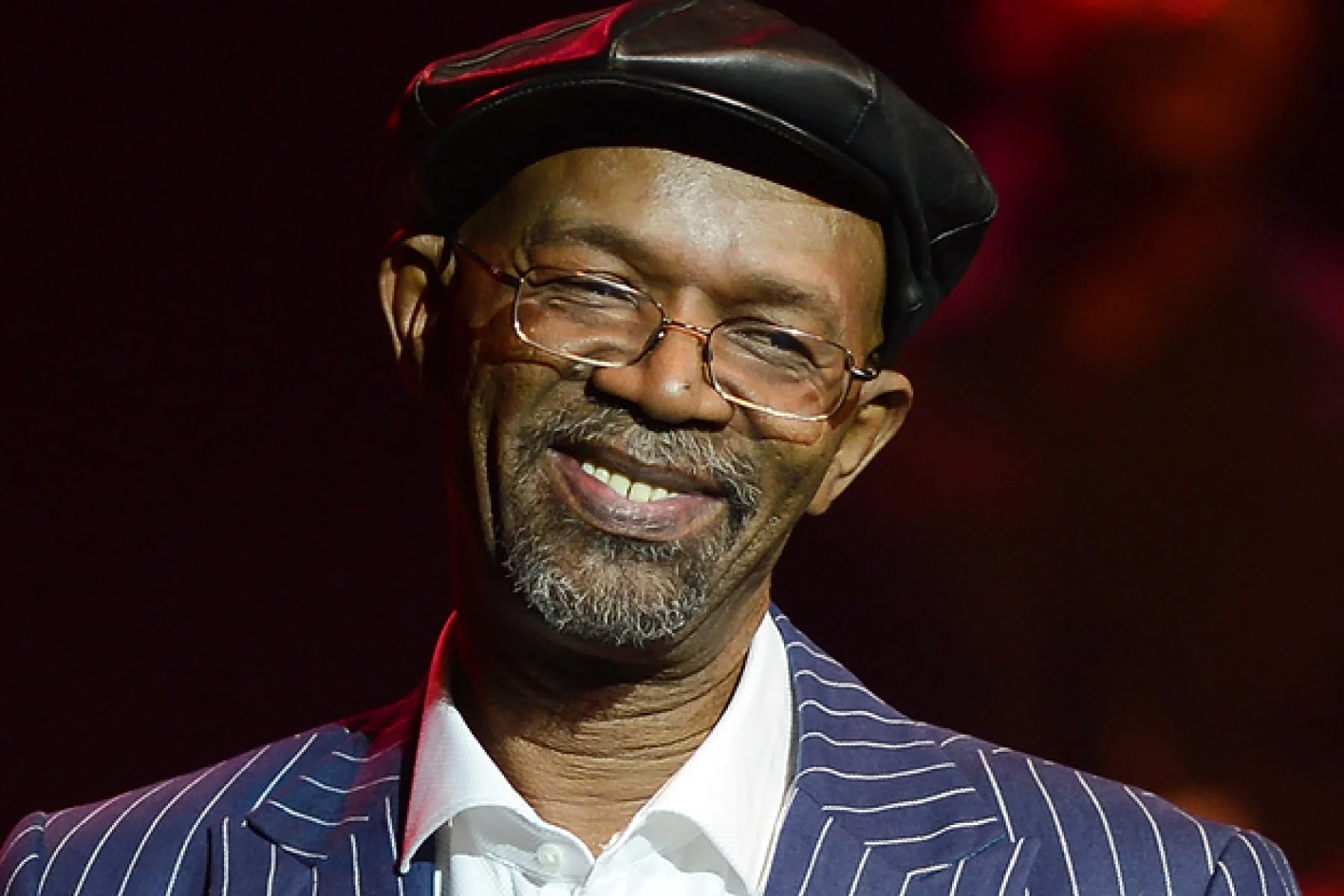
As of 2026, Beres Hammond’s net worth is estimated to be between $8 million and $12 million. This wealth is the result of a prolific five-decade career in reggae, significant revenue from his independent record label, Harmony House, and the strategic retention of his music publishing and master recording rights.
The Financial Landscape of a Reggae Legend in 2026
Beres Hammond, often referred to as the "Father of Lovers Rock," has built a financial portfolio that stands as a blueprint for independent artists in the Caribbean. Unlike many of his contemporaries who signed restrictive contracts in the 1970s and 80s, Hammond’s wealth is characterized by long-term asset appreciation rather than just upfront performance fees. By 2026, his estate encompasses diverse revenue streams including digital streaming royalties, physical media sales, international touring, and commercial real estate anchored by his recording facilities.
His valuation is bolstered by the enduring nature of his catalog. In the modern music economy, "classic" catalogs have become high-value assets for investment firms, but Hammond has largely maintained control over his most significant works. This control allows him to capture a higher percentage of every dollar generated by hits like "Tempted to Touch" and "Rockaway." His financial standing is not merely a reflection of past success but an active, growing enterprise managed under his own corporate umbrella.
The stability of his net worth in 2026 also reflects a disciplined approach to lifestyle and business. While many celebrities experience high "burn rates," Hammond is known for a grounded lifestyle in Jamaica, reinvesting much of his capital into the local music infrastructure. This reinvestment has provided him with a dual-layer of financial security: the liquid income from his artistry and the equity of his business operations.
Strategic Career Evolution: From Soul to Global Reggae Icon
The career of Hugh Beresford Hammond is a masterclass in artistic pivot and persistence. Born in Annotto Bay, Saint Mary, Jamaica, his early influences were not limited to local mento or ska but included American soul giants like Otis Redding and Sam Cooke. This foundation in soul music allowed him to develop a distinctive "gravelly-sweet" vocal style that would eventually define the "Lovers Rock" subgenre of reggae.
His professional journey began in earnest in the 1970s as the lead singer for the group Zap Pow. During this era, Hammond honed his ability to merge complex horn arrangements with soulful melodies. However, it was his transition to a solo career that truly unlocked his earning potential. His 1976 debut album, Soul Reggae, was a critical success, but the real commercial breakthrough came in the 1980s when he began collaborating with top-tier producers like Willie Lindo and later, Donovan Germain of Penthouse Records.
The 1990s marked the "Golden Age" of Beres Hammond. During this decade, he produced a string of hits that remain staples of Caribbean radio and international reggae festivals to this day. This period was crucial for his financial trajectory; he moved from being a hired vocalist to a primary songwriter and producer. By establishing his own creative voice, he ensured that he would receive the lion's share of songwriter royalties, which form the backbone of his current 2026 valuation.
Harmony House: The Engine of Hammond’s Business Interests
The most significant business interest in Beres Hammond's portfolio is Harmony House Records. Established in the early 1990s, Harmony House is more than just a label; it is a fully integrated music production facility located in Kingston, Jamaica. This investment allowed Hammond to bypass the "middleman" structure that often drains the earnings of reggae artists.
By owning his studio, Hammond significantly reduced his production overhead. While other artists were paying hourly rates to major studios, Hammond could experiment and record at his own pace, eventually producing not only his own music but also tracks for other rising stars. This business model transformed him from an artist into a mogul. The Harmony House brand is synonymous with high-fidelity production, a rarity in the early days of dancehall-leaning reggae.
Beyond production, Harmony House serves as the primary vehicle for his business dealings, including:
- Distribution Agreements: Negotiating directly with international distributors like VP Records to ensure his music reaches global markets while retaining ownership.
- Merchandising: Controlling the quality and branding of Beres Hammond apparel and physical media.
- Talent Development: Providing a platform for younger artists, which occasionally results in production credits and administrative fees for the label.
In 2026, the Harmony House catalog is one of the most respected in the industry. As legacy acts become more valuable for "sync licensing" (placing music in movies, commercials, and TV shows), Hammond’s control over Harmony House allows him to negotiate lucrative deals without needing approval from external major labels.
Family Life and the Preservation of the Hammond Legacy
Beres Hammond is notoriously private regarding his personal and family life, a trait that has served to protect his brand from the volatility often associated with celebrity gossip. He is a father to several children who, while largely staying out of the tabloid spotlight, have been integral to his support system and business operations.
One of his sons, Theon Hammond, has followed in his father’s footsteps in the music industry, often assisting with production and the management of the Harmony House brand. This family involvement is a strategic move often seen in successful Jamaican dynasties (such as the Marleys or the Morgans), where the management of the estate is kept within a trusted inner circle. This minimizes the risk of financial mismanagement and ensures that the artist’s vision remains uncompromised.
The Hammond family structure is built on a foundation of "quiet strength." In 2026, the family focuses on philanthropy and supporting the arts in Jamaica through the Beres Hammond foundation efforts, though these are often conducted without fanfare. By keeping his family life private, Hammond has managed to maintain a level of mystique that keeps the focus entirely on his music, which in turn maintains the high demand for his live performances.
Revenue Streams and the Value of Intellectual Property
To understand a net worth of $8M–$12M in the context of a 2026 music market, one must look at the specific mechanics of Hammond’s revenue. Reggae music has a unique longevity; unlike pop hits that may fade after six months, Hammond’s music is "evergreen."
| Revenue Stream | Description | Estimated Impact on Net Worth |
|---|---|---|
| Streaming Royalties | Earnings from platforms like Spotify and Apple Music, where he has millions of monthly listeners. | High (consistent monthly cash flow) |
| Live Performances | Headlining festivals like Sumfest, Rebel Salute, and international tours in the US, UK, and Europe. | Very High (primary source of liquid capital) |
| Publishing Rights | Ownership of the lyrics and melodies of over 300 songs. | High (long-term equity) |
| Harmony House Studio | Rental income and production fees from external artists using the facility. | Moderate (covers operational overhead) |
| Masters Ownership | Control over the actual sound recordings, allowing for licensing in film and media. | High (significant asset value) |
The value of Hammond’s intellectual property (IP) has surged by 2026. As streaming algorithms favor soulful, melodic music that appeals to multiple generations, Hammond’s tracks are frequently included in "Best of Reggae" or "Chill Vibes" playlists. These placements generate passive income that requires no active touring. Furthermore, his "Order of Jamaica" (conferred in 2013) and other national honors have solidified his status as a cultural ambassador, which increases the "booking premium" he can command for international appearances.
Industry Impact and the "Beres Hammond Effect"
Hammond’s business success has had a profound impact on the Jamaican music industry. He proved that an artist could be soulful and soft in an era dominated by "slackness" and aggressive dancehall, and still achieve massive financial success. This is often referred to as the "Beres Hammond Effect"—the realization that quality production and timeless themes of love and social commentary have a longer "shelf life" than trendy sounds.
From a technical perspective, Hammond’s insistence on live instrumentation in his recordings (even when digital riddims were the norm) has made his music more adaptable for 2026's high-fidelity audio formats. This foresight ensures that his music does not sound dated, allowing it to be sold and resold to new audiences. His business interests have always been aligned with his artistic integrity, a rare feat that has paid off in significant financial stability.
Frequently Asked Questions
What is Beres Hammond's primary source of wealth?
While music sales were his foundation, his primary source of wealth in 2026 is his ownership of the Harmony House record label and the associated publishing rights. This allows him to keep a significantly higher percentage of his earnings than artists signed to major international labels. Additionally, his consistent ability to sell out large venues worldwide provides substantial "touring capital."
Does Beres Hammond own his master recordings?
Yes, a significant portion of Beres Hammond’s most successful work, especially those produced under the Harmony House label, is owned by him. This is a critical factor in his multimillion-dollar net worth, as it gives him full control over how his music is licensed and distributed, preventing third parties from siphoning off his royalties.
How has Beres Hammond's net worth changed over the last decade?
Hammond’s net worth has seen steady growth. While the physical sale of CDs declined, the rise of global streaming and the increased valuation of legacy music catalogs have more than compensated for that loss. His brand has also transitioned into the "icon" phase of a career, where his presence alone adds value to any event or project he is associated with.
Is the Hammond family involved in his business interests?
Yes, several members of his family, including his son Theon, have been involved in the operational and creative aspects of Harmony House. This ensures that the business remains a family legacy and that his financial interests are protected by those most invested in his long-term success.
Where does Beres Hammond live?
Beres Hammond maintains a primary residence in Jamaica, where he is also close to his recording studio, Harmony House. He is known for living a relatively modest and private life compared to international pop stars, which has contributed to his financial longevity.
Navigating the Future of the Hammond Estate
For fans and investors looking at the career of Beres Hammond in 2026, the key takeaway is the importance of ownership and brand consistency. Hammond has never chased trends; instead, he built a sound that he owned entirely. For those following in his footsteps, the "Beres Hammond model" suggests that investing in one's own infrastructure—such as a personal studio and an independent label—is the most reliable path to long-term wealth in the music industry.
As he continues to influence the reggae landscape, his business interests are likely to expand further into digital assets and perhaps even curated "Lovers Rock" lifestyle brands. However, the core of his wealth will always remain his voice and the timeless songs that have become the soundtrack to millions of lives across the globe. To follow his journey, one should look to official Harmony House announcements for new releases or rare live appearances, which remain the hallmark of his enduring career.