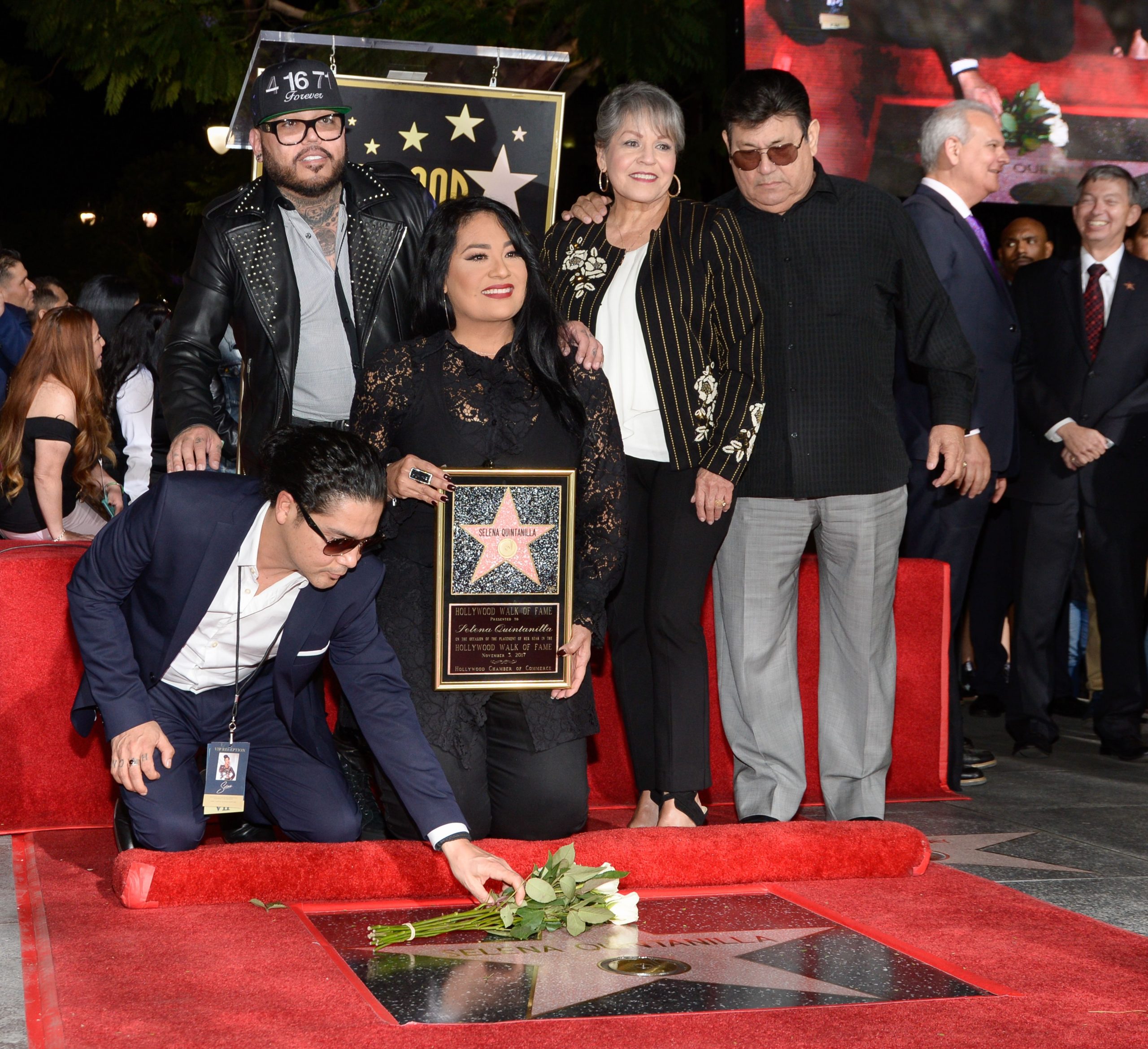
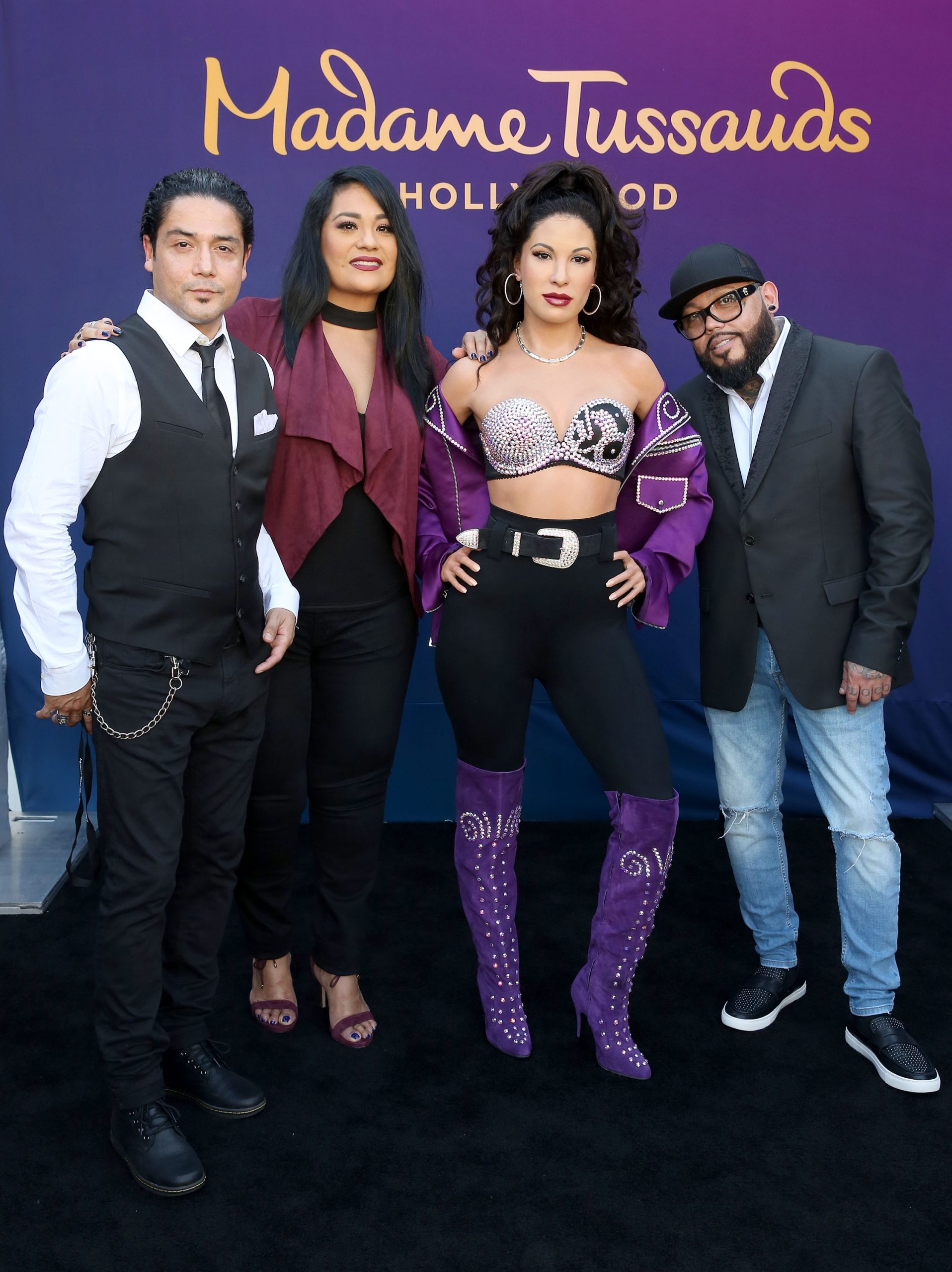
A.B. Quintanilla is an American musician, producer, and songwriter best known as the visionary behind the sound of his sister, Selena. As of 2026, he remains a pivotal figure in Latin music, maintaining a net worth estimated at $5 million through continued royalties, production credits, and his leadership of the Kumbia Kings and Kumbia All Starz.
Early Life and the Foundations of Los Dinos
Abraham Isaac Quintanilla III, known professionally as A.B. Quintanilla, was born on December 13, 1963, in Toppenish, Washington. However, his story is inextricably linked to Corpus Christi, Texas, where his father, Abraham Quintanilla Jr., relocated the family to pursue a dream of musical success that had eluded his own band, Los Dinos, in the 1950s.
Growing up in a household where music was both a passion and a discipline, A.B. was taught to play the bass guitar by his father. While his sister Selena possessed the vocal talent and his sister Suzette handled the drums, A.B. became the technical engine of the family unit. The early 1980s were a period of intense struggle for the Quintanilla family. Following the closure of their family restaurant, Papa Gayo's, during the Texas oil recession, the band—Selena y Los Dinos—became the family’s primary source of income.
During these formative years, A.B. was not merely a performer; he was a student of arrangement. He spent countless hours deconstructing R&B, pop, and traditional Mexican cumbia records to create a hybrid sound that would eventually define the Tejano music explosion of the 1990s. His ability to blend synthesizers and contemporary pop hooks with traditional accordion-led cumbia was the catalyst for the band's transition from local wedding performers to international superstars.
The Architect of Selena's Global Success
A.B. Quintanilla’s most significant career contribution was his role as the primary songwriter and producer for Selena. While Selena was the face of the movement, A.B. was the architect of her discography. He penned and produced many of her most iconic hits, including "Como la Flor," "Amor Prohibido," and "Bidi Bidi Bom Bom."
His production style was revolutionary for the Tejano genre. At a time when the genre was dominated by male-led groups and traditional ranchera rhythms, A.B. introduced a polished, radio-friendly "Tejano-Pop" sound. This innovation allowed Selena to cross over into the Latin pop charts and eventually prepare for an English-language debut.
The tragic death of Selena in 1995 halted the band’s trajectory, but it did not end A.B.’s career. He was instrumental in finishing the Dreaming of You album, which became one of the fastest-selling albums in history. The royalties from these productions, which continue to generate massive streaming numbers in 2026, form the bedrock of his long-term financial stability.
The Kumbia Kings Era and Musical Innovation
Following the hiatus that succeeded his sister's death, A.B. re-emerged in 1999 with a new project: A.B. Quintanilla y Los Kumbia Kings. This group represented a massive shift in the Latin music landscape. By blending traditional cumbia with hip-hop, R&B, and reggae, the Kumbia Kings appealed to a younger, urban demographic of Mexican-Americans and Latin Americans.
The success of the Kumbia Kings was astronomical. Albums like Shhh! and 4 sold millions of copies and earned numerous awards, including Latin Grammys. However, the group was also defined by internal volatility. A.B.’s management style and disagreements over financial distribution led to a highly publicized split with key members, including Cruz Martínez and Chris Pérez.
Despite the legal battles and lineup changes, the Kumbia Kings era solidified A.B. as a hitmaker in his own right, independent of the "Selena" brand. He proved that his ear for "what's next" in Latin music was not a fluke. He followed this with the formation of the Kumbia All Starz in 2006, continuing the fusion trend and producing hits like "Chiquilla" and "Parece Que No."
A.B. Quintanilla Career Milestone Summary
The following table outlines the pivotal eras of A.B. Quintanilla’s career and his primary roles within each.
| Period | Project/Group | Primary Roles | Key Achievements |
|---|---|---|---|
| 1981–1995 | Selena y Los Dinos | Bassist, Producer, Songwriter | Developed the "Tejano-Pop" sound; Produced "Amor Prohibido." |
| 1999–2006 | Kumbia Kings | Founder, Producer, Bassist | Blended Cumbia with Urban genres; Multi-platinum sales. |
| 2006–2015 | Kumbia All Starz | Founder, Lead Songwriter | Sustained "Cumbia-Pop" popularity; International tours. |
| 2016–2022 | Electro Kumbia | Producer, Musician | Explored electronic fusions and digital-first releases. |
| 2023–2026 | Legacy & Production | Producer, Consultant | Supervised remastered releases and new talent development. |
Net Worth Breakdown and Financial Evolution
As of 2026, A.B. Quintanilla’s net worth is estimated to be approximately $5 million. This figure is the result of a diverse stream of income, though it has fluctuated over the decades due to legal settlements and personal financial challenges.
1. Songwriting and Publishing Royalties
The most consistent portion of A.B.'s wealth comes from his extensive catalog of songs. As the writer of Selena's greatest hits, he receives a significant percentage of performance and mechanical royalties. In the 2020s, the resurgence of interest in Selena—driven by the Netflix series and various documentaries—spiked streaming numbers on platforms like Spotify and Apple Music, ensuring a steady passive income.
2. Touring and Live Performance
Even in 2026, A.B. remains active on the touring circuit. Whether performing with a reformed Kumbia All Starz or appearing at major Latin music festivals, live performances remain a lucrative revenue stream. His legacy status allows him to command significant appearance fees at festivals celebrating Tejano and Cumbia music.
3. Production and Talent Scouting
Beyond his own groups, A.B. has produced for artists like Thalía, Verónica Castro, and Cristian Castro. His production fees and "points" on these records add to his overall valuation. He has also shifted toward consulting for younger artists who wish to emulate the cross-genre success he pioneered.
4. Legal and Financial Challenges
It is important to note that A.B.'s net worth has faced downward pressure at various points. Legal disputes over child support in 2017 and 2018 led to brief periods of incarceration and significant legal fees. Furthermore, the dissolution of the Kumbia Kings involved complex settlements that redistributed some of the group's earnings. However, by 2026, he has largely stabilized his financial situation through disciplined catalog management.
Technical Contributions to the "Quintanilla Sound"
A.B. Quintanilla is often cited as a pioneer of the "Cumbia-Pop" fusion. To understand his career, one must look at his technical approach to music production.
He was one of the first in the Tejano scene to heavily utilize the Yamaha DX7 and later, sophisticated digital sampling, to create bass lines that were more rhythmic than melodic. This gave the music a "bounce" that was missing from traditional regional Mexican music. In his work with the Kumbia Kings, he pioneered the use of "urban percussion"—layering traditional congas and timbales with synthesized 808 drum patterns. This specific technical innovation bridged the gap between the rural sounds of South Texas and the urban sounds of Monterrey and Los Angeles.
Recent Projects and Current Status in 2026
Entering 2026, A.B. Quintanilla has focused more on the preservation of the Quintanilla legacy while occasionally releasing new experimental tracks. He has been involved in the technical remastering of early Selena y Los Dinos recordings, using AI-assisted audio separation to bring modern clarity to tapes recorded in the 1980s.
He also remains a vocal advocate for the recognition of Tejano music as a distinct and evolving genre. While he no longer dominates the charts as he did in the early 2000s, his influence is visible in the work of modern Latin artists who blend regional Mexican music with trap and pop—a path A.B. cleared decades ago.
Frequently Asked Questions
What is A.B. Quintanilla’s main source of income in 2026?
His primary income is derived from music publishing and songwriting royalties. Because he wrote many of the most played Latin songs of the last 40 years, every radio play, stream, and sync license (use in movies or commercials) generates revenue. Additionally, live performances and his role as a producer for emerging artists contribute to his annual earnings.
How many Grammy Awards has A.B. Quintanilla won?
A.B. Quintanilla has won several Latin Grammy Awards, most notably with the Kumbia Kings and Kumbia All Starz. While he was a key part of Selena’s Grammy-winning work, his personal accolades for his own groups cemented his status as a standalone producer and bandleader.
Why did the Kumbia Kings break up?
The Kumbia Kings disbanded primarily due to internal financial disputes and creative differences between A.B. Quintanilla and co-founder Cruz Martínez. The split resulted in two separate entities: A.B. formed the Kumbia All Starz, while Cruz Martínez continued with Los Super Reyes. The legal fallout lasted several years and significantly impacted the branding of both groups.
Did A.B. Quintanilla write "Como la Flor"?
Yes, A.B. Quintanilla co-wrote "Como la Flor" along with Pete Astudillo. The song is widely considered the "signature" song of Selena y Los Dinos and remains one of the highest-earning tracks in the Quintanilla publishing catalog due to its evergreen popularity and frequent covers by other artists.
What is A.B. Quintanilla's relationship with Chris Pérez today?
As of 2026, A.B. and Chris Pérez (Selena’s widower) have experienced various periods of tension and reconciliation. While they had legal disagreements in the past regarding the rights to Selena’s image and legacy, they have occasionally reunited for tribute events and have publicly expressed mutual respect for their shared history during the peak of Los Dinos.
Professional Perspective on Managing a Musical Legacy
For those looking to understand the career longevity of A.B. Quintanilla, the key takeaway is the importance of intellectual property management. A.B.’s career serves as a masterclass in how a producer can sustain a multi-decade career by creating a distinct "sound" and retaining the rights to their compositions.
Aspiring musicians and producers should observe how A.B. diversified his brand. He did not remain stagnant after the loss of his sister; he pivoted to a new genre (Cumbia-Urban fusion) and built a new audience. His ability to reinvent his image while maintaining his core role as a bassist and producer is what allowed him to navigate the volatile shifts in the Latin music market over forty years. In 2026, his story is less about the fame of the past and more about the enduring value of a well-curated musical catalog.