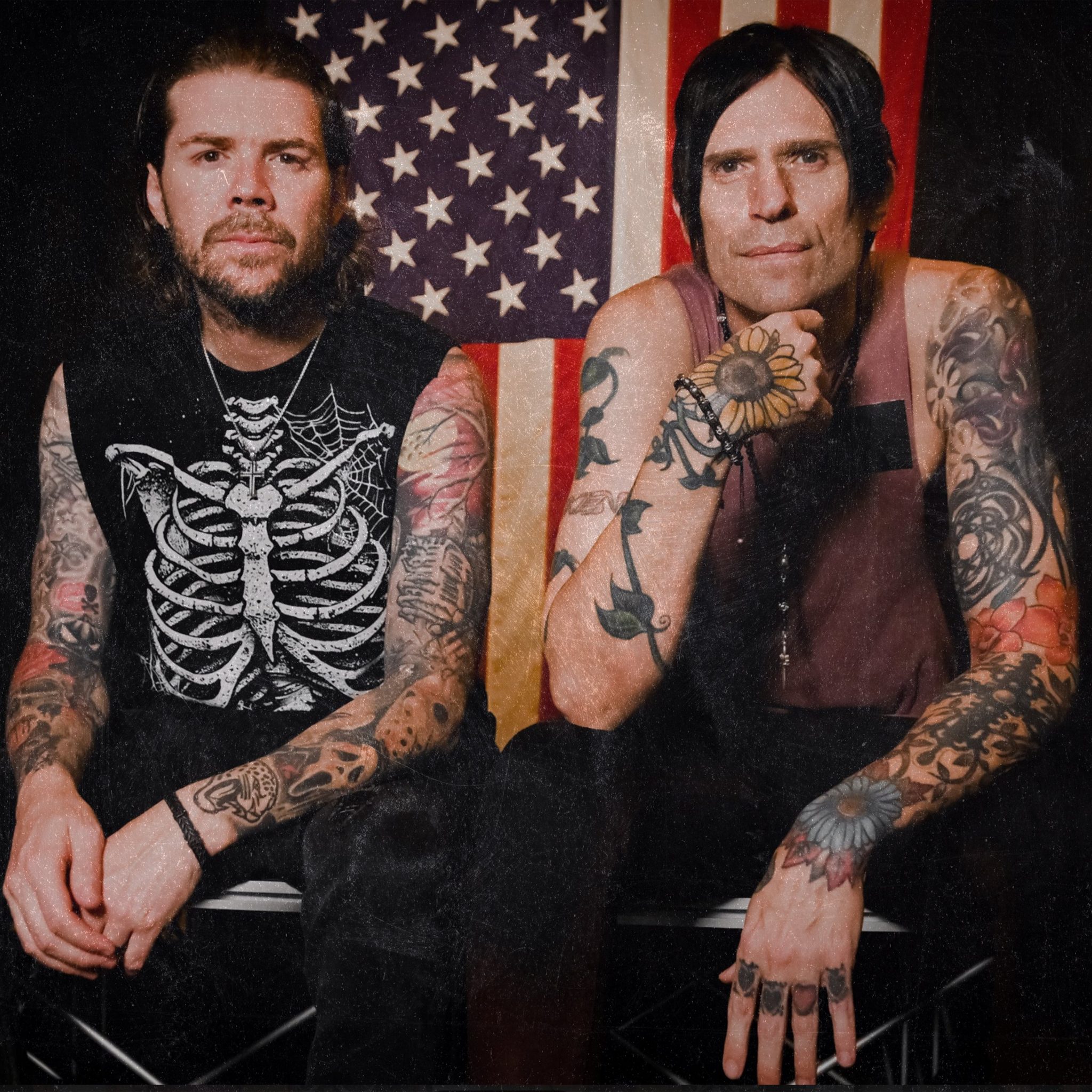
Austin John Winkler left Hinder in 2013 primarily to focus on his health and ongoing struggle with substance abuse. Following multiple stints in rehabilitation, the band chose to continue touring with guest vocalists to maintain their career momentum, eventually resulting in a permanent split and Winkler pursuing a solo path.
The departure of Austin John Winkler from Hinder marked the end of an era for one of the most successful post-grunge bands of the mid-2000s. Known for his distinctive raspy vocals and high-energy stage presence, Winkler was the face of the band during their meteoric rise to fame. However, the same rock-and-roll lifestyle that fueled their image eventually became a personal crisis for the lead singer, leading to a fracture that the original lineup could not repair. As we look back from 2026, the transition remains a pivotal moment in modern rock history.
The Rise of Hinder and the Pressure of Global Success
To understand why Austin John Winkler left Hinder, one must first look at the intense pressure the band faced following the release of their multi-platinum debut album, Extreme Behavior (2005). The massive success of the single "Lips of an Angel" propelled the Oklahoma-based quintet into a grueling cycle of international tours, media appearances, and the constant demand for new hits.
For Winkler, who was in his early twenties at the time, the transition from a local musician to a global rock star was jarring. The band's image was built on the "bad boy" rock aesthetic—partying, late nights, and excess. While this resonated with their audience, the reality of maintaining that lifestyle while performing 200 nights a year took a significant toll on Winkler’s physical and mental well-being. By the time the band released All American Nightmare in 2010, internal tensions regarding Winkler’s reliability and health were already beginning to surface behind the scenes.
The 2013 Departure: A Timeline of Events
The split did not happen overnight; it was the culmination of several years of instability. In the summer of 2013, Hinder was scheduled to tour in support of their fourth studio album, Welcome to the Freakshow. However, it was announced that Winkler would be taking a leave of absence to enter a rehabilitation facility.
During this period, the band recruited guest vocalists, including Jared Weeks from Saving Abel, to fulfill their touring obligations. While the band initially framed this as a temporary measure, the professional gap between Winkler and the rest of the members—Cody Hanson, Joe Garvey, Mark King, and Mike Rodden—continued to widen.
On November 20, 2013, the official announcement was made: Hinder and Austin John Winkler were parting ways permanently. The band expressed their support for his recovery but emphasized the need to move forward for the sake of the crew and the other members' livelihoods. This decision was driven by the reality that the music industry in the 2010s required constant activity to remain solvent, and the band could no longer afford to wait for Winkler’s health to stabilize.
The Primary Catalyst: Substance Abuse and Recovery
The central reason for the separation was Winkler’s battle with addiction. In various interviews conducted years after the split, Winkler has been candid about the depth of his struggles. The environment of a touring rock band often acts as an enabler for those prone to substance abuse, and Winkler found it increasingly difficult to separate his stage persona from his personal life.
His 2013 stint in rehab was not his first attempt at getting sober, but it was the one that coincided with a critical juncture for the band’s business operations. The "creative differences" often cited in rock band breakups were, in this case, a euphemism for a fundamental inability to work together due to the singer's unpredictable health status.
For the remaining members, the decision to part ways was described as "heartbreaking but necessary." They faced the difficult choice of either disbanding entirely or finding a new voice to keep the Hinder brand alive. They eventually chose the latter, leading to a search for a replacement that would take several years to fully solidify.
Professional Divergence: How the Band Moved On
Following Winkler's exit, Hinder faced the daunting task of replacing a vocalist whose voice was synonymous with their biggest hits. They initially experimented with Nolan Neal before eventually settling on Marshal Dutton in 2015. Dutton was already a collaborator with the band, having worked on production and songwriting for years, which made the transition smoother from a creative standpoint.
The musical direction of the band shifted slightly after Winkler’s departure. While the "classic" Hinder sound was rooted in the raw, raspy delivery of Winkler, the albums featuring Dutton, such as When the Smoke Clears (2015) and The Reign (2017), leaned into a more polished, alternative rock production. This shift was polarizing for the fanbase; many long-time listeners struggled to accept a Hinder without Winkler, while others appreciated the band's continued evolution and stability.
| Feature | The Austin John Winkler Era (2001–2013) | The Post-Austin Era (2014–Present) |
|---|---|---|
| Primary Vocalist | Austin John Winkler | Marshal Dutton |
| Defining Album | Extreme Behavior (2005) | When the Smoke Clears (2015) |
| Vocal Style | Raspy, gritty, post-grunge | Melodic, polished, consistent |
| Commercial Peak | Triple-Platinum status | Independent and niche success |
| Touring Consistency | Highly volatile due to health issues | Stable and consistent |
Austin John Winkler’s Solo Career and Health Journey
After leaving Hinder, Austin John Winkler took a significant break from the public eye to focus on his sobriety. He eventually returned to music as a solo artist, releasing the EP Love Sick Radio in 2016. This project allowed him to explore different musical styles, including influences from pop and electronic music, which differed from the hard rock constraints of Hinder.
However, his journey has not been without its setbacks. In 2022, news surfaced that Winkler had suffered a major health scare involving kidney and liver failure, which reportedly left him in the ICU for a period. This news deeply concerned the rock community and served as a reminder of the long-term physical toll that addiction can take.
By 2026, Winkler has transitioned into a more stable phase of his life, occasionally releasing singles and engaging with fans through social media. He has often spoken about the "weight being lifted" after leaving the high-pressure environment of a major-label rock band, though he remains grateful for the legacy he built with Hinder.
The Legacy of the Original Lineup
Despite the success Hinder has had in the years since the split, the original lineup consisting of Winkler and the founding members remains the definitive version of the band for most enthusiasts. The chemistry between Winkler’s unique voice and Cody Hanson’s songwriting created a string of hits—"Get Stoned," "Better Than Me," and "Without You"—that defined the sound of 2000s active rock.
The departure serves as a cautionary tale within the music industry regarding the importance of mental health and the dangers of the "excess" culture that is often celebrated in rock music. It also highlights the difficult business decisions that bands must make when a member’s personal struggles begin to jeopardize the collective’s future. For Hinder, the split was a matter of survival; for Winkler, it was ultimately a matter of life and death.
Who replaced Austin John Winkler in Hinder?
Marshal Dutton officially became the lead singer of Hinder in 2015. Before Dutton took the permanent spot, the band briefly worked with Nolan Neal and used guest vocalists like Jared Weeks for immediate touring needs following Winkler's 2013 departure. Dutton had a pre-existing relationship with the band as a producer and songwriter, which helped him integrate into the group more effectively than a total stranger would have.
Is Austin John Winkler still making music?
Yes, Austin John Winkler continues to release music as a solo artist under the name "Austin John." His solo work often moves away from the traditional post-grunge sound of Hinder, incorporating more diverse influences. While his output has been less frequent than during his time with Hinder, he remains active in the studio and occasionally performs live, depending on his health and personal schedule.
Did Hinder fire Austin or did he quit?
The departure is generally described as a mutual decision born out of necessity. While Winkler needed to leave to prioritize his health and rehabilitation, the band also reached a point where they could no longer sustain their career while waiting for him to return. In interviews, band members have suggested that the professional relationship had become untenable due to the singer's reliability issues at the time.
Why didn't Hinder wait for Austin to finish rehab?
Hinder was a functioning business with a full touring crew and multiple members whose livelihoods depended on the band's activity. By 2013, Winkler had entered rehab multiple times, and the band felt that they could not continue to put their careers on hold indefinitely. The decision to move on was made to ensure the band's brand remained relevant and that they could fulfill their contractual obligations to promoters and labels.
Will Austin John Winkler ever rejoin Hinder?
As of 2026, there have been no official plans for a reunion. While both parties have expressed mutual respect in recent years and some of the animosity has faded, the band has moved in a different musical direction with Marshal Dutton. Fans frequently speculate about a reunion tour, but Winkler’s focus remains on his health and solo creative pursuits, while Hinder continues to tour with their current lineup.
Following the Music and Supporting Artists
For fans of the original Hinder sound, the best way to support the legacy is to continue streaming the classic albums while following the current paths of both the band and the former lead singer. Austin John Winkler’s solo journey is a testament to the difficulty of recovery, and following his official social media channels provides the most accurate updates on his health and new music.
If you are interested in the evolution of the band, listening to the albums When the Smoke Clears and The Reign provides insight into how the remaining members processed the split and found a new identity. Understanding the reasons behind the departure allows listeners to appreciate the music within the context of the human struggles that created it, reminding us that behind every hit song is a complex story of triumph and trial.