WSB-TV, locally recognized as Channel 2, represents the dominant ABC-affiliated television station serving the Atlanta metropolitan area and the broader North Georgia region. Owned by Cox Media Group, this station has maintained its position as a primary source for local news, emergency weather tracking, and national network programming throughout 2026. This guide provides technical specifications for signal reception, digital streaming options, and critical information for viewers seeking reliable broadcast access.
Technical Specifications for Over-the-Air (OTA) Reception in 2026
As of 2026, WSB-TV broadcasts on physical channel 32, though it retains its virtual channel mapping as 2.1 via PSIP (Program and System Information Protocol) technology. For viewers relying on antenna hardware to maintain high-definition signal integrity, specific environmental factors within the Atlanta metro area must be considered.
The transition to ATSC 3.0 (NextGen TV) has become the standard for broadcast infrastructure in major markets like Atlanta. To ensure optimal reception in 2026, households must ensure their hardware is compatible with these standards.
- Digital Signal Stability: Due to the rolling topography of North Georgia, signal multipath interference is common. Use of a directional UHF-capable antenna is recommended for suburban residents, while urban dwellers in high-density areas like Midtown or Buckhead may require amplification to overcome building attenuation.
- Antenna Positioning: Optimal reception is achieved by orienting the antenna toward the broadcast towers located in the northeast section of the metro area.
- Hardware Compatibility: Modern smart TVs manufactured in 2026 feature integrated NextGen tuners. For legacy hardware, an external ATSC 3.0 converter box is required to decode the current broadcast stream without significant data loss.
Digital Distribution and Streaming Ecosystems
In 2026, WSB-TV has moved beyond traditional linear broadcast to adopt a multi-platform distribution model. The shift reflects changing viewer habits, prioritizing on-demand access and live streaming for mobile users.
The official station application serves as the primary gateway for content, integrating live local news feeds with on-demand clips. For cord-cutters, the station is accessible through major virtual Multichannel Video Programming Distributors (vMVPDs).
Verified Streaming Provider Compatibility Table
| Service Provider | Network Status | Subscription Requirement | Resolution Capability |
|---|---|---|---|
| WSB-TV App | Authorized | Free / Ad-Supported | Up to 1080p |
| YouTube TV | Full Affiliate | Monthly Plan | 1080p HDR |
| Hulu + Live TV | Full Affiliate | Monthly Plan | 1080p |
| DirecTV Stream | Full Affiliate | Monthly Plan | 4K Upscaled |
| Local News Plus | Authorized | Free | 720p |
Operational Continuity Note Viewers should verify their IP-based location services when accessing local channels via national streaming platforms. If your device location is inaccurately reported as outside the Atlanta Designated Market Area (DMA), your access to the live WSB-TV feed will be restricted due to regional broadcasting rights agreements active throughout 2026.
Navigating Emergency Weather Coverage
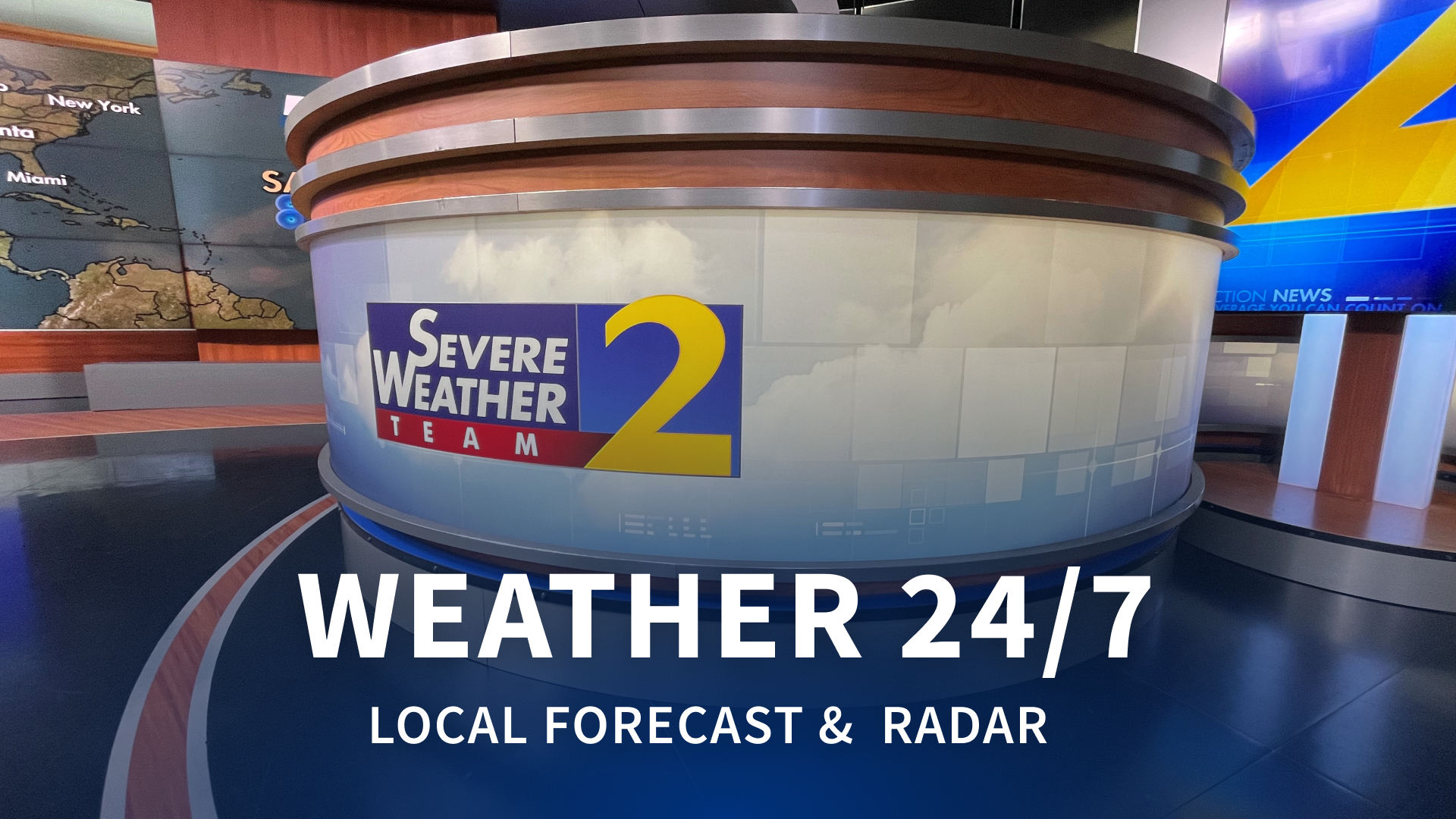
WSB-TV remains the primary local institution for Severe Weather Team 2 alerts. In 2026, the station’s integration of high-resolution NEXRAD radar data and hyper-local storm tracking remains a critical resource for North Georgia residents.
During severe weather events, the station often utilizes a secondary sub-channel, typically 2.2, for continuous coverage if the primary channel is engaged in pre-scheduled network content. To maintain safety, homeowners are advised to:
- Program the station’s dedicated weather app, which provides push alerts mapped to specific zip codes.
- Enable the Emergency Alert System (EAS) features on all mobile devices to receive automatic broadcast interruptions during life-threatening weather developments.
- Ensure that smart home hubs are configured to recognize local broadcast signals during internet outages.
Strategic Comparison: Broadcast vs. Digital Streaming
Deciding between traditional antenna reception and digital streaming involves trade-offs between signal reliability and content convenience.
- Antenna (OTA): Provides the highest bit rate for raw video transmission, ensuring a crisp image free from the compression artifacts often found in lower-bandwidth streaming services. It is the most reliable method during fiber or cable internet outages.
- Streaming (OTT): Offers the convenience of DVR functionality, cross-device compatibility, and the ability to view content outside of the home environment. However, it is susceptible to network latency and bandwidth throttling by local ISPs.
Frequently Asked Questions
How can I watch Channel 2 in Atlanta if I do not have cable?
You can access WSB-TV through an over-the-air digital antenna or via major streaming services like YouTube TV or Hulu + Live TV. The official WSB-TV app also offers free access to live local news and weather updates.
What is the difference between physical channel 32 and virtual channel 2?
The physical channel 32 is the actual radio frequency used to transmit the digital signal, while virtual channel 2 is the station's branding and PSIP mapping that your television recognizes to maintain consumer recognition.
Why is my local news feed blocked on my streaming service?
This usually occurs due to a regional "blackout" where your device’s IP address suggests you are outside the Atlanta viewing area. Update your location settings or consult your provider’s help desk to verify your local market eligibility.
Does WSB-TV still broadcast original content in 4K?
In 2026, most local news broadcasts are produced in 1080p. While ATSC 3.0 supports 4K, station infrastructure currently focuses on HDR-enhanced 1080p to maintain the best balance between visual quality and signal bandwidth during complex weather reporting.
Is the WSB-TV weather app free to use?
Yes, the station provides a comprehensive weather application at no cost to the user, funded primarily through advertising and integrated sponsorships.
Authoritative Guidance on Signal Troubleshooting
For residents experiencing pixelation or "tiling" during broadcasts, start by auditing your coaxial cabling. In 2026, high-shielding RG6 cables are required to prevent signal ingress from cellular 5G interference, which has increased in urban areas. If signal strength remains low, consider relocating your antenna to a higher position, preferably in an attic space or near an exterior wall facing the broadcast source. Never use multiple splitters on a single antenna line, as each connection results in signal loss that can render the feed unwatchable.
For continuous updates on programming schedules or emergency broadcast alerts, the station maintains a robust digital presence. Residents are encouraged to follow official social media channels to receive real-time notifications regarding any potential signal maintenance or scheduled transmitter downtime.