The public perception of Ashley Olsen in 2024 remains anchored in her successful transition from a globally recognized child star to a highly respected figure in the high-fashion industry. While interest in her early career images persists, the current narrative focuses heavily on her creative contributions as a co-founder of The Row, reflecting a shift toward professional privacy, understated aesthetics, and the deliberate separation of her public identity from the intrusive celebrity culture of the early 2000s.
The Evolution of Public Perception
Public interest in Ashley Olsen has undergone a profound metamorphosis over the last two decades. Rising to fame alongside her twin sister, Mary-Kate, during the late 1980s and 1990s, Ashley was initially defined by mass-market entertainment products and a highly commodified image. By 2024, however, this perception has been almost entirely eclipsed by her role as a designer and businesswoman.
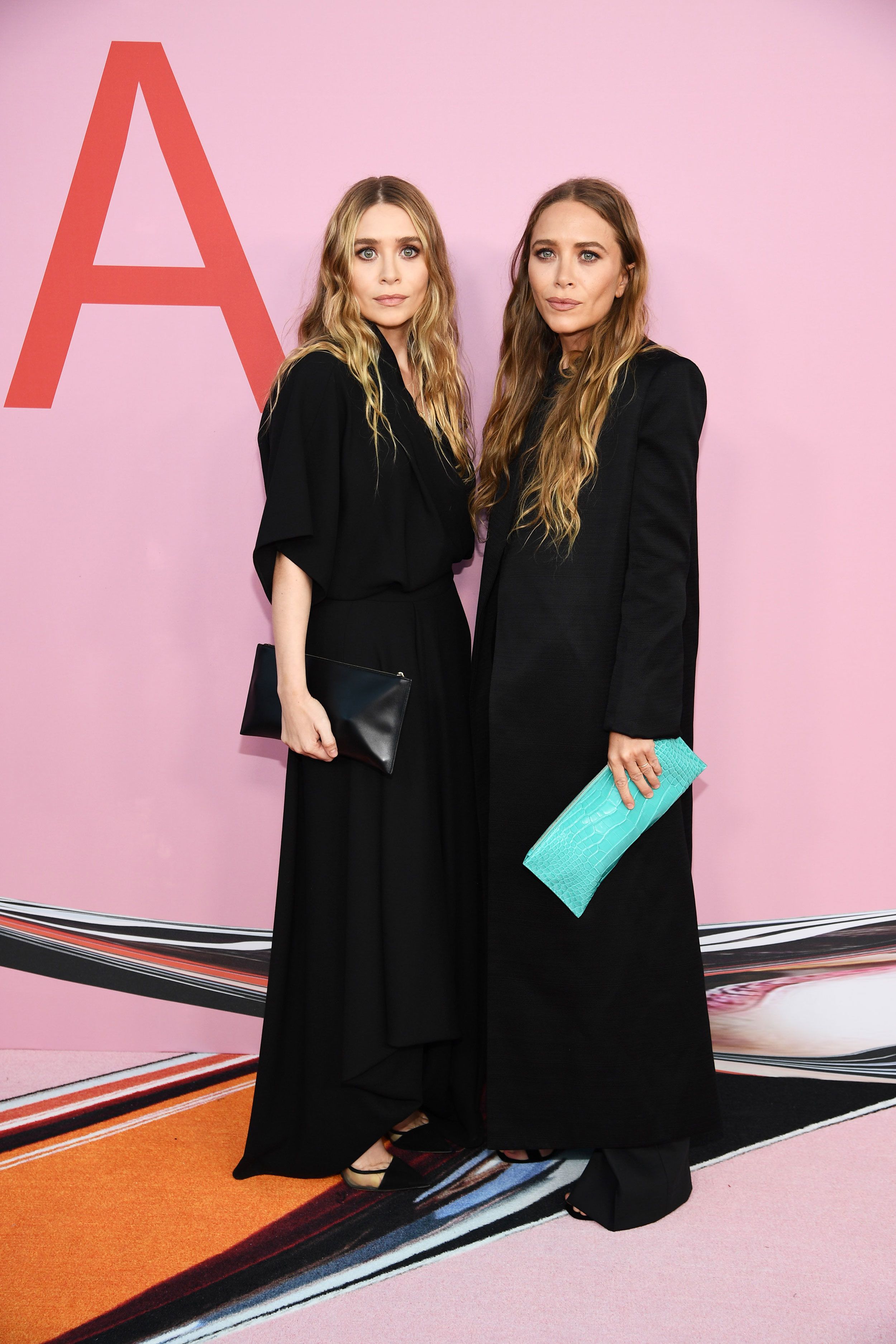
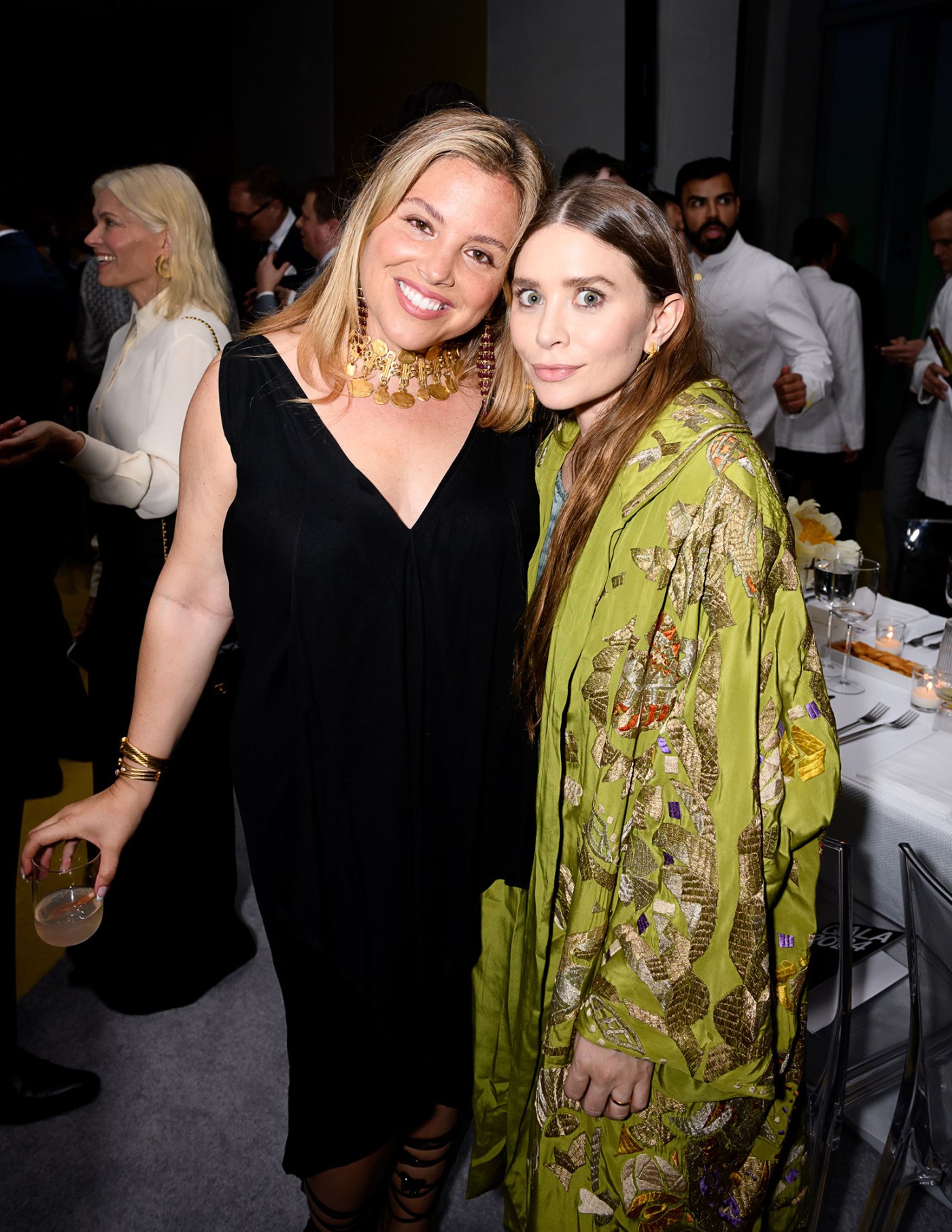
For modern observers, the name Ashley Olsen is synonymous with "quiet luxury." Her public appearances are infrequent and meticulously curated, a strategy that has garnered significant respect within fashion circles. This shift has fundamentally altered how the public consumes imagery of her. Where she was once subject to the relentless paparazzi culture of the early 2000s, her current media presence is dominated by editorial portraits or industry event photography. The desire for "sexy" or candid imagery, often driven by nostalgia for the tabloid era, now exists in direct conflict with her established identity as a serious, private fashion executive.
Navigating the Digital Archive
The internet serves as a permanent repository for the media of the past, creating a tension between the digital footprint of a celebrity’s youth and their current professional standing. In 2024, the search volume for images of Ashley Olsen remains bifurcated. A portion of the audience continues to engage with retrospective collections—images from her acting career or early 2000s red-carpet appearances.
This behavior is common among audiences engaging with "pop culture archaeology." The challenge for public figures like Ashley Olsen is that these historical images often appear alongside contemporary content in search engine results. However, the qualitative difference in these images is stark. The 2024 perception is built on a "less is more" philosophy. The public has largely learned to compartmentalize these eras, recognizing the difference between the manufactured images of a teen star and the autonomous, creative professional seen today.
The Row and Professional Identity
A critical factor in the stabilization of Ashley Olsen’s public perception is the sustained success of her luxury fashion brand, The Row, which she co-founded in 2006. In 2024, the brand continues to be a benchmark for quality and minimalism. By prioritizing the garment over the personality, Olsen has effectively redirected the spotlight.
This professional pivot has effectively functioned as a barrier against the type of objectification common in entertainment media. Because she rarely grants interviews and maintains a low profile on social media, the primary way the public interacts with her image is through the lens of her work. When she does appear in public, the commentary is almost exclusively focused on her personal style—characterized by oversized silhouettes, neutral palettes, and high-quality fabrics—rather than the exploitative framing that characterized early celebrity journalism.
Media Consumption Trends
The way media outlets cover Ashley Olsen has also matured. Major fashion publications have largely moved away from the invasive questioning and "lifestyle" speculation that defined early 2000s tabloids. Instead, coverage now mirrors the tone of the fashion industry itself: analytical, focused on aesthetics, and respectful of the subject's boundaries.
| Type of Media | Focus of 2024 Coverage | Engagement Style |
|---|---|---|
| Fashion Editorial | Design aesthetics, business growth | Professional/Critical |
| Tabloid Retrospectives | Nostalgia, "Then vs. Now" | Speculative/Visual |
| Social Media/Archives | Early career, personal style | Fan-driven/Curatorial |
| Business News | Brand valuation, retail strategy | Institutional |
The Impact of Private Branding
The decision to cultivate an aura of mystery has been a highly effective strategy for the Olsen sisters. In an era where digital oversharing is the norm, their absence has become a form of branding. By limiting access to her private life, Ashley Olsen has ensured that the "images" of her that exist in 2024 are those she has participated in creating. This control over her own visual output has rendered older, unauthorized images increasingly irrelevant to the current discourse.
Frequently Asked Questions
Why does public interest in Ashley Olsen's early images persist?
The persistence of interest in early imagery is largely driven by generational nostalgia. For many, Ashley Olsen remains a cultural touchstone of the late 1990s and early 2000s. Digital platforms and social media algorithms often resurface this content, as it generates high engagement through shared memory and collective pop-culture interest.
How has Ashley Olsen maintained her privacy in a digital-first era?
Ashley Olsen has maintained privacy by strictly limiting her interactions with traditional media and abstaining from personal social media presence. By focusing her public engagements solely on professional fashion milestones and rarely commenting on her personal life, she has successfully removed herself from the daily cycle of celebrity gossip.
Is the "quiet luxury" aesthetic associated with Ashley Olsen intentional?
Yes, the aesthetic is a deliberate extension of her brand identity. The style, which emphasizes neutral colors, high-end materials, and loose-fitting, sophisticated tailoring, aligns with the ethos of her company. It serves as a visual language that communicates professional maturity and distances her from the "teen idol" aesthetic of her past.
Does the search for "sexy images" impact her professional reputation?
The search for such imagery is a standard behavior for celebrity-focused audiences but holds little weight in professional circles. In 2024, the fashion industry and business community base their perception of Ashley Olsen on the financial and critical success of The Row. Her professional track record is sufficiently established that outdated or superficial search trends have no measurable impact on her career.
What is the primary difference in how Ashley Olsen is perceived compared to other former child stars?
The key difference is the nature of her transition. While many child stars remain within the acting industry, which keeps them tethered to the public's perception of their younger selves, Olsen exited acting entirely to build a career in a different field. This career pivot forced the public and media to re-evaluate her through a new, professional lens rather than the lens of a former child star.
Next Steps for Followers and Researchers
For those interested in the evolution of Ashley Olsen's public image, the most accurate sources remain the archival sections of established fashion publications such as Vogue, The Business of Fashion, and WWD. These outlets provide the necessary context for her work as a creative director. To understand the shift in her public persona, focusing on industry interviews from the last five years provides a far more comprehensive view than relying on search results for generic or historical photography. If you are conducting research, prioritize these professional archives to track her trajectory from child actor to luxury fashion icon.