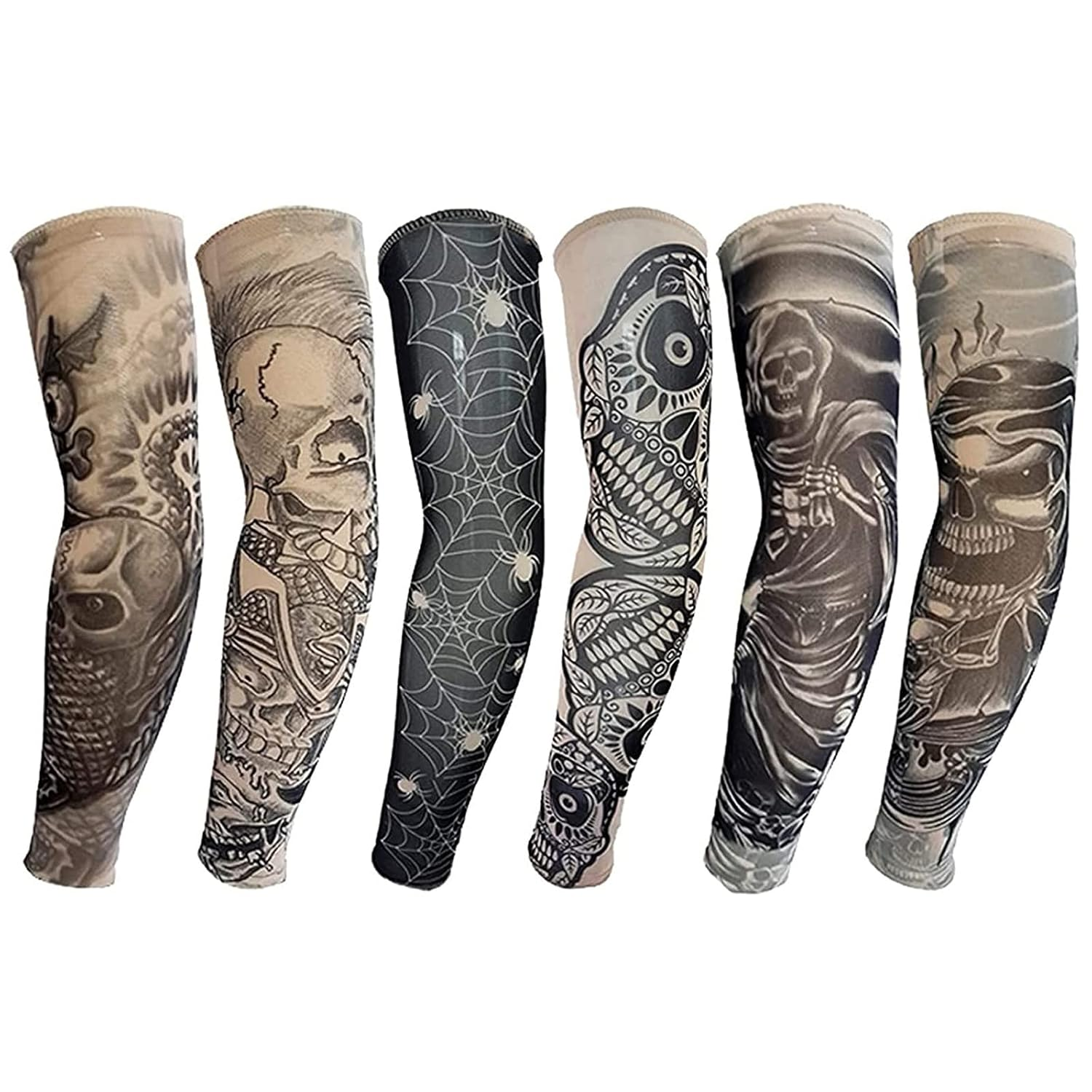
Arm tattoo coverups have evolved into a sophisticated blend of technical artistry, laser technology, and strategic design planning. Whether looking to obscure an impulsive design from the past or update body art to match a professional aesthetic, navigating an arm tattoo coverup requires a firm understanding of pigment physics, skin anatomy, and tattoo composition. This guide addresses the modern realities of transforming or obscuring ink on the arm, balancing artistic vision with clinical reality for optimal results in 2026.
Understanding the Anatomy and Canvas of the Arm
The arm presents a unique anatomical landscape for tattoo modification. Skin thickness, elasticity, and exposure to ultraviolet (UV) radiation vary significantly across different zones, such as the inner bicep, outer shoulder, forearm, and wrist.
When evaluating an arm for a coverup, professional artists and technicians analyze several structural factors:
- Skin Texture and Scarring: Previous heavy-handed tattooing or laser sessions can create scar tissue (fibrosis), which absorbs new ink unpredictably and resists pigment retention.
- Sun Exposure: Arms are frequently exposed to sunlight, causing natural ink fading, skin thickening, and melanin shifts that influence how new colors settle.
- Curvature and Movement: The dynamic movement of the elbow joint, biceps, and forearm muscles means a coverup design must maintain its visual integrity when the arm flexes or extends.
- Existing Pigment Saturation: Black and dark grey inks from previous tattoos sit deep in the dermis, requiring either heavy masking techniques or preparatory removal.
Strategic Approaches to Arm Tattoo Coverups
Approaching an arm tattoo coverup in 2026 involves more than simply tattooing over old lines. Modern practitioners utilize a multi-disciplinary approach to achieve seamless results.
The Pure Coverup Method
This traditional technique relies entirely on the artist's ability to incorporate old lines and dark areas into a new, larger, and more complex design. The new tattoo must be significantly darker and busier than the original. Elements like dark florals, intricate Japanese sleeves, biomechanical patterns, or heavy textures work best.
Combination Therapy: Laser Priming and Coverup
For individuals with dense, highly saturated blackwork or stubborn dark pigments, a hybrid approach is standard industry practice. Undergoing 2 to 4 sessions of targeted PicoSecond or Q-switched laser removal breaks down the darkest anchor points of the old tattoo. Once the skin heals and the pigment lightens, the artist has a much wider palette and structural freedom to apply a vibrant or detailed new design without being forced into a heavy, dark coverup.
Blast-Over Tattoos
A rising trend in modern body art is the American Traditional "blast-over." Instead of hiding the old tattoo entirely, the artist tattoos bold, heavy-lined black work directly over the faded piece. The old tattoo remains visible underneath like a ghostly shadow, creating a layered, textured aesthetic that embraces rather than erases history.
Technical Comparison of Arm Modification Methods
Choosing the right path depends on timeline, budget, pain tolerance, and aesthetic goals. The following breakdown compares the primary methods available for arm tattoo modification.
| Modification Method | Average Session Count | Healing Time | Best Suited For | Key Limitation |
|---|---|---|---|---|
| Traditional Coverup | 1 to 3 sessions | 2 to 4 weeks | Faded, smaller, or lighter-toned tattoos | Requires a much larger, darker final design |
| Laser Fading + Coverup | 3 to 6 total sessions | 6 to 12 months total | Dense blackwork, dark tribal, or muddy color tattoos | Higher overall cost and extended timeline |
| Blast-Over Tattoo | 1 session | 2 to 3 weeks | Collectors wanting an edgy, distressed, layered look | Not suitable if you want the old tattoo completely gone |
| Full Laser Removal | 8 to 15 sessions | 12 to 24 months | Complete skin clearance with no new ink | Expensive, lengthy process with potential hypopigmentation |
Step-by-Step Guide to Planning Your Arm Coverup
Executing a successful arm tattoo coverup requires careful preparation and collaboration with an experienced professional.
- Initial Consultation and Assessment: Schedule a consultation with an artist specializing in coverups or a licensed laser technician. Bring clear, well-lit photos of your current arm tattoo in natural light.
- Determine the Scope and Scale: Accept that the new coverup must be 150% to 200% the size of the original piece to properly distract the eye and accommodate camouflage mechanics.
- Select High-Contrast Motifs: Choose subjects that feature naturally dark areas, heavy textures, and intricate focal points. Good examples include animal fur, scale patterns, dark botanical elements, or abstract geometric compositions.
- Pre-Treatment Laser Sessions (Optional): If recommended, complete a round of laser fading to break up dense outlines or solid black fill. Allow at least 6 to 8 weeks for the skin to fully recover before tattooing.
- Stencil Placement and Flow: Work with your artist to map the stencil onto your arm while considering muscle movement and natural body contours. Ensure the darkest parts of the old tattoo align with the darkest parts of the new design.
- Post-Procedure Aftercare: Follow strict hygiene and moisturizing protocols during the healing phase to ensure maximum ink retention and prevent scarring.
Pros and Cons of Arm Tattoo Coverups
Advantages
- Transformation: Reclaims skin confidence by turning a regretted or dated tattoo into a piece of art you are proud to display.
- Time Efficiency: Compared to full laser removal, a direct coverup or combination method yields a finished piece much faster.
- Design Evolution: Allows you to transition your style as your personal aesthetic matures over time.
Disadvantages
- Size Constraints: You are rarely able to get a smaller tattoo; coverups almost always require scaling up.
- Color Limitations: Dark pigments dominate; obtaining bright pastels or light yellows over dark ink without laser priming is nearly impossible.
- Predictability Challenges: Healing can occasionally reveal unexpected undertones from the old tattoo if not executed with expert technical precision.
Expert Insight for 2026: Modern tattooing equipment and advanced cartridge configurations allow artists to pack pigment more efficiently with less trauma to the dermis. If you attempted a coverup a decade ago and were turned away, consult with a contemporary specialist. Advances in hybrid needle groupings and color theory have expanded what is possible on scarred or heavily inked arm tissue.
Frequently Asked Questions
Can any arm tattoo be successfully covered up?
Most arm tattoos can be successfully covered or transformed, provided you are open to a larger, darker, or more detailed design. Extremely dense, heavily scarred, or deeply saturated black tribal tattoos may require a few sessions of laser fading first to achieve a clean result.
Will the old tattoo show through the new coverup over time?
If planned and executed correctly by a skilled professional, the old tattoo should remain completely hidden beneath the new design. However, poor color choices or failing to account for ink migration can cause old lines to bleed through as the skin ages.
How much larger does a coverup tattoo need to be?
As a general rule of thumb, a coverup tattoo needs to be at least twice the size of the original piece. This extra real estate allows the artist to use negative space, complex backgrounds, and strategic shading to trick the eye away from the old ink.
Is laser removal necessary before getting a coverup?
Laser removal is not always mandatory, but it is highly recommended if your current tattoo is very dark, occupies a tight space, or features heavy black lines that you want to replace with a lighter color palette.
How long should I wait after getting a laser session before tattooing over it?
Most dermatologists and professional tattoo artists recommend waiting a minimum of 6 to 8 weeks after your final laser session to allow the lymphatic system to clear fragmented ink and the skin architecture to fully heal.
What colors work best for hiding old ink?
Dark, rich, and saturated tones such as black, charcoal grey, deep forest green, navy blue, dark crimson, and rich plum work exceptionally well for masking unwanted pigments.
Next Steps for Your Transformation
Begin your arm tattoo coverup journey by researching portfolio work from artists who explicitly specialize in camouflage and rework projects. Schedule consultations, discuss realistic expectations regarding size and color theory, and commit to proper aftercare to ensure your new body art looks pristine for years to come.