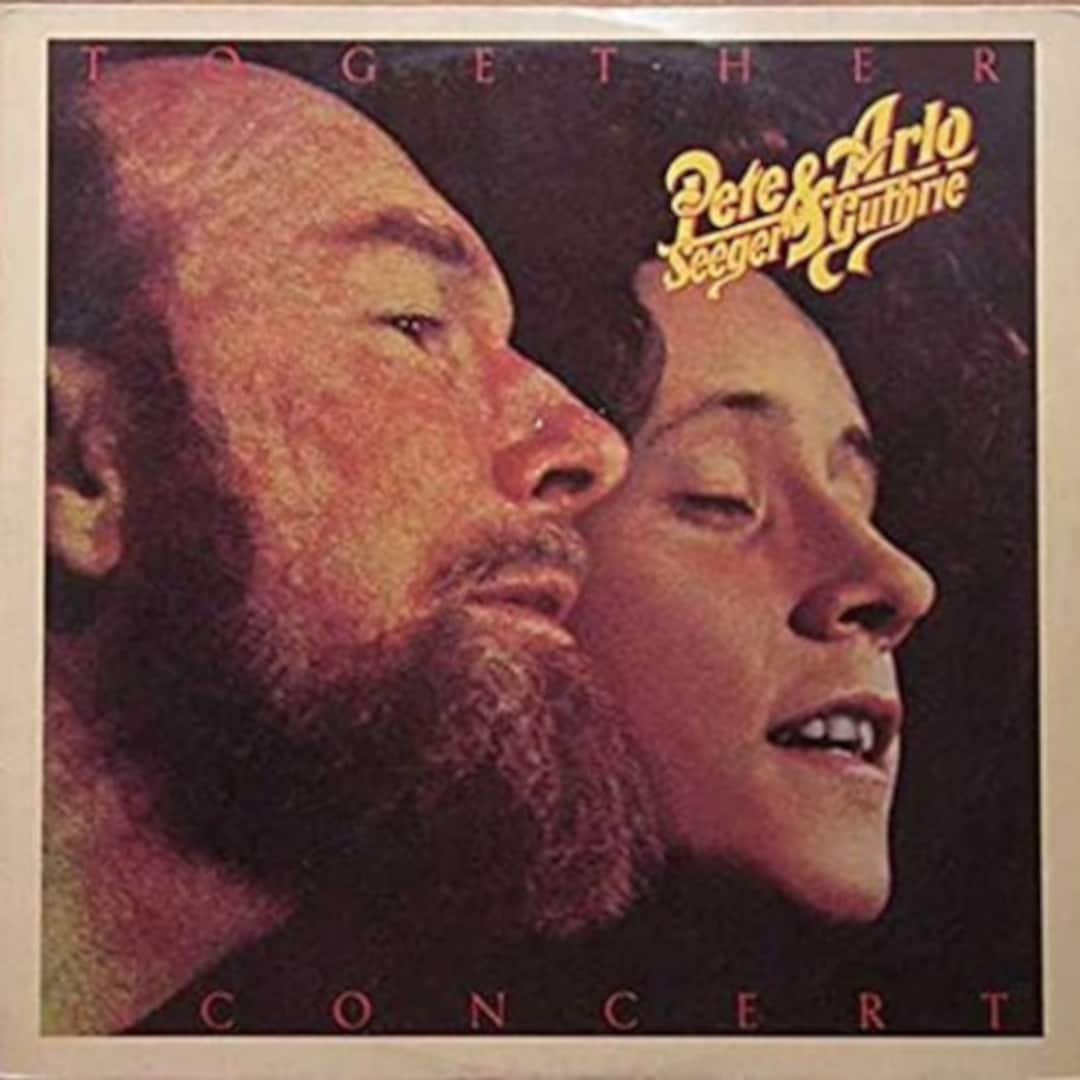
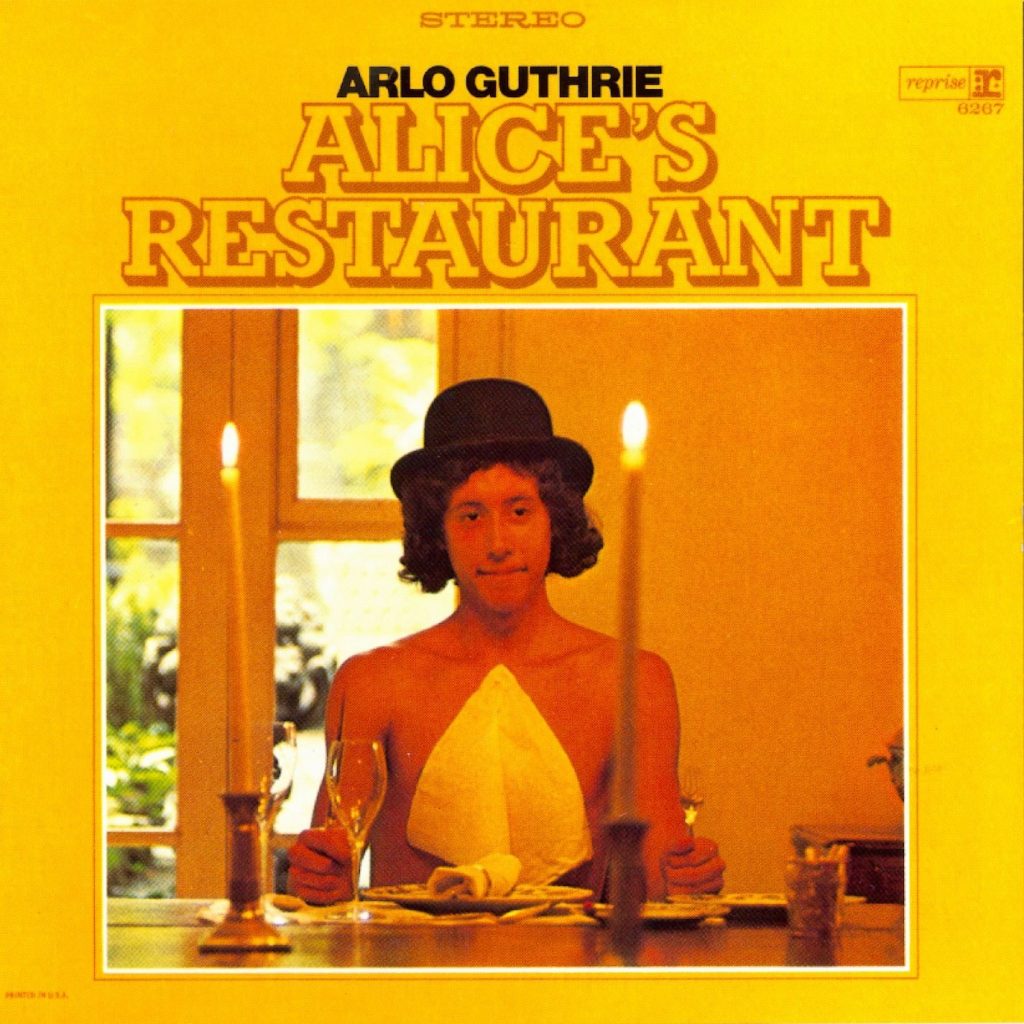
Arlo Guthrie remains a living and active figure in the American folk tradition as of 2026. The search queries surrounding his "cause of death" are factually incorrect, likely stemming from confusion regarding the passing of his father, Woody Guthrie, or his late wife, Jackie Guthrie. His legacy is defined by a multi-decade career in music and a distinct, conservative approach to financial self-sufficiency within the arts.
Clarifying the Status of Arlo Guthrie
In the landscape of public discourse, rumors regarding the death of prominent cultural icons often circulate through social media and misinformed search trends. It is important to confirm that, as of 2026, Arlo Guthrie is alive. The confusion often arises from the conflation of Arlo’s life with that of his legendary father, Woody Guthrie, who passed away in 1967 after a long battle with Huntington’s disease. Additionally, the passing of Arlo's wife, Jackie Guthrie, in 2012, was a significant event that was widely covered in music journalism, which may contribute to algorithmic associations with the term "death" linked to the Guthrie family name.
Arlo Guthrie has largely retreated from the rigorous demands of constant touring in his later years, choosing instead to focus on personal creative projects and the maintenance of the Guthrie family archives. Understanding this distinction is vital for researchers and fans alike who look to distinguish between historical milestones in the Guthrie family history and the ongoing life of the artist.
The Musical Legacy: From "Alice’s Restaurant" to Today
Arlo Guthrie’s primary contribution to American music lies in his role as a storyteller and a bridge between the radical folk movement of the 1960s and the more introspective singer-songwriter era that followed. His 1967 debut, "Alice’s Restaurant Massacree," remains a cornerstone of counter-cultural satire. Unlike many of his contemporaries who relied heavily on studio production, Guthrie’s work was defined by the rambling, conversational style of his live performances.
His legacy is not merely one of hit songs but of the preservation of the American folk idiom. By maintaining a consistent touring schedule for over five decades—often performing alongside his own children—he turned the "folk singer" identity into a multigenerational family business. This approach solidified his status as an independent artist who controlled his output and distribution long before the digital era made self-publishing the industry standard.
Financial Independence and the Folk Model
The financial trajectory of Arlo Guthrie is an outlier in the entertainment industry. While many musicians of the 1960s and 1970s fell victim to predatory record deals, poor royalty management, or extreme lifestyle inflation, Guthrie famously maintained a degree of professional autonomy.
Principles of Sustainability
Guthrie’s approach to financial longevity can be categorized into several key tenets that mirror conservative asset management:
- Ownership of Intellectual Property: By securing rights to his most famous works, Guthrie ensured a steady stream of passive income through licensing and performance rights.
- Diversification of Venue: Rather than relying solely on large-scale concert bookings, he frequently played intimate venues and community centers, which often offered lower overheads and more loyal, consistent ticket revenue.
- Estate Conservation: The management of the Woody Guthrie archives represents a major financial and cultural undertaking. By institutionalizing his father’s legacy, Arlo ensured that the family name remained a revenue-generating entity through publishing, historical licensing, and public exhibitions.
Comparative Financial Models in Folk Music
The table below illustrates the contrast between the traditional "star" model and the "independent artisan" model adopted by figures like Arlo Guthrie.
| Financial Metric | Traditional Star Model | Independent Artisan (Guthrie) |
|---|---|---|
| Revenue Stream | Large-scale tours, label advances | Catalog royalties, intimate venue tours |
| Asset Strategy | High spending, external management | Property ownership, internal archives |
| Risk Profile | High exposure to industry trends | Low exposure, loyal niche audience |
| Independence | Contract-bound to record labels | Self-managed production/distribution |
The Guthrie Family Archives: An Asset of Significant Value
The financial footprint of the Guthrie name is perhaps most visibly managed through the Woody Guthrie Foundation and Archives. When assessing the "legacy" of a musician, one must consider not only the artistic influence but the hard assets they leave behind. The archives hold thousands of unpublished lyrics, personal writings, and memorabilia that hold immense cultural and monetary value.
Arlo’s role in preserving these items has acted as a hedge against the ephemeral nature of pop stardom. By centralizing the management of these assets, the family has prevented the fragmentation of the collection, ensuring that the legacy remains a cohesive, valuable brand. This represents a sophisticated approach to estate planning that many artists in the 20th century failed to implement.
Common Misconceptions Regarding Celebrity Estate Planning
A recurring theme in the lives of aging musicians is the question of financial stability versus artistic output. Fans often wonder if the transition into retirement is financially viable for artists who were never global pop icons. In the case of Arlo Guthrie, the "myth of the starving artist" is effectively countered by his prudent management of his touring career and his catalog.
Many artists of the folk genre transitioned to teaching or small-business ownership. Guthrie, however, leveraged his fame into a self-sustaining ecosystem. It is a common mistake to assume that a lack of mainstream media presence in 2026 equates to a lack of financial health. For many legacy artists, the transition away from the spotlight is a deliberate choice to focus on liquidating or managing assets rather than generating new revenue through high-risk activities.
Establishing Financial and Personal Stability
For readers analyzing the career of Arlo Guthrie, the lesson is one of steady growth rather than explosive, short-term accumulation. By maintaining a professional standard that was neither overly commercial nor completely exclusionary, he achieved a middle-ground stability that is rarely replicated in the music industry.
Steps to Managing Artistic Legacies
- Catalog Management: Ensure that copyright and performance rights are clearly documented and held in stable entities.
- Cultural Institutionalization: Partner with museums or universities to ensure the long-term viability and preservation of artistic materials.
- Revenue Stream Diversification: Do not rely on a single source of income; leverage archives, licensing, and occasional performances to create a balanced portfolio.
- Succession Planning: Work with legal and financial advisors to determine the transfer of intellectual property before the end of a career cycle.
Frequently Asked Questions
Is Arlo Guthrie currently active in the music industry?
As of 2026, Arlo Guthrie is retired from professional touring. He has shifted his focus away from the performance stage to prioritize his personal life and the management of his family’s historical and artistic contributions.
Did Arlo Guthrie experience financial difficulties during his career?
While public records do not indicate specific financial distress, like many artists, Guthrie navigated the changing landscape of the music industry. His transition toward self-management and the formalization of the Woody Guthrie archives suggests a strategic move toward long-term financial security rather than the reliance on record label stability.
What is the current value of the Guthrie family's musical legacy?
The value is primarily cultural rather than strictly liquid. The Woody Guthrie archives are considered a priceless collection of Americana. The financial value is realized through royalties, licensing, and the ongoing interest in the folk tradition, which remains a consistent, if niche, market segment.
Why is there confusion regarding Arlo Guthrie’s death?
The confusion stems from public interest in his father, Woody Guthrie, and the unfortunate passing of Arlo's wife, Jackie. Search algorithms often group these family members together, leading to high-frequency searches for terms that are historically associated with the family name but not the individual artist himself.
How has Arlo Guthrie influenced modern financial management for artists?
Guthrie is often cited as a case study in independence. By maintaining ownership of his work and keeping his overhead low, he demonstrated that a musician can enjoy a long, stable career without conforming to the high-risk, high-reward models typical of the major-label music industry.
Next Steps for Researchers and Fans
For those looking to learn more about the history and the financial structure of the Guthrie family, it is recommended to visit the official Woody Guthrie Center or review the public records maintained by the Woody Guthrie Foundation. These entities offer the most accurate data regarding his career, his discography, and the legal status of his work. Fans seeking the most up-to-date information regarding his current activities should monitor official, verified channels that focus on his archival work rather than tabloid-style news feeds that often rely on outdated or incorrect metadata.