Arkansas provides limited anonymity for lottery winners who claim high-tier prizes. Under state law, individuals who win a prize of $500,000 or more may elect to remain anonymous for exactly three years from the date the prize is claimed. For prizes below this threshold, winner information is generally considered public record.
The question of whether a lottery winner can stay hidden is more than just a matter of preference; for many, it is a significant security concern. In Arkansas, the balance between public transparency—ensuring the lottery is fair and not rigged—and the personal safety of the winner has led to specific legislative compromises. As of 2026, these regulations remain a critical framework for anyone holding a winning ticket in the Natural State.
The Legal Framework of Lottery Anonymity in Arkansas
The primary statute governing lottery privacy in the state is Arkansas Code § 23-115-404, which was significantly updated by Act 538 of 2021. Before this legislative change, the Arkansas Scholarship Lottery (ASL) was subject to the state's robust Freedom of Information Act (FOIA) laws, which generally mandated that the names of prize winners be made available to the public and the media upon request.
The 2021 amendment created a specific exemption for "major" winners. The legislative intent was to protect individuals from the sudden influx of "scammers, long-lost relatives, and aggressive financial solicitors" that often follow a high-profile win. However, the state legislature did not grant permanent anonymity. The three-year window is designed as a "cooling-off period," allowing the winner time to secure their finances and adjust to their new lifestyle before their identity becomes a matter of public record.
Key Provisions of Act 538
- Opt-in Requirement: Anonymity is not automatic. A winner must specifically request to remain anonymous when filing their claim.
- The $500,000 Floor: The privacy shield only applies to prizes of a half-million dollars or greater. This includes Powerball, Mega Millions, and local scratch-off games, provided the individual prize meets the amount.
- The Three-Year Expiration: Once 36 months have passed since the claim date, the winner’s name, city of residence, and prize amount become public information under FOIA.
- Marketing Restrictions: During the three-year period, the Arkansas Scholarship Lottery is prohibited from using the winner's name or likeness for promotional purposes without express written consent.
Why the $500,000 Threshold Matters
The $500,000 threshold creates a binary system for privacy in Arkansas. If you win $100,000 on a scratch-off, your name is technically public record from day one. While the Arkansas Scholarship Lottery may not issue a massive press release for every $1,000 winner, a journalist or a private citizen can file a FOIA request to obtain the list of winners for any prize amount.
For prizes below $500,000, the state argues that the public interest in verifying the legitimacy of the lottery outweighs the winner’s privacy. By seeing that "real people" win smaller and mid-tier prizes, the public maintains trust in the system. For the "life-changing" sums of $500,000 and up, the state acknowledges that the physical and financial risks to the individual are high enough to justify a temporary departure from total transparency.
What Happens After Three Years?
It is vital for winners to understand that Arkansas does not offer a "permanent" shield. In 2026, if you claim a $10 million jackpot, you can remain anonymous until 2029. On the third anniversary of your claim, the protection expires.
At that point, your information is moved from the protected files to the general public record files. This means:
- Media Access: News outlets that track lottery winners may file requests to see who won large sums three years prior.
- FOIA Requests: Any citizen can request the data.
- Lottery Transparency Reports: The ASL may include the name in historical winner databases on their official website.
The logic behind this "sunset clause" is that after three years, the "newness" of the win has faded. Most predatory actors have moved on to more recent winners, and the winner has likely established a legal and financial perimeter (such as trusts or security systems) to manage their wealth.
Comparing Arkansas to Other States
Lottery privacy laws vary wildly across the United States. To understand where Arkansas stands in 2026, it is helpful to compare it to neighboring states and national trends.
| State | Anonymity Status | Threshold / Conditions |
|---|---|---|
| Arkansas | Partial / Temporary | $500,000+ for 3 years only |
| Texas | Full (Optional) | $1 million+ can choose permanent anonymity |
| Missouri | Full (Optional) | Winners can choose to remain anonymous regardless of prize |
| Tennessee | No | Names are public record; some use of trusts allowed |
| Mississippi | Full (Optional) | Winners can choose to remain anonymous |
| Delaware | Full (Optional) | One of the most private states for winners |
As shown, Arkansas is more restrictive than Mississippi or Missouri but offers more protection than Tennessee. The "temporary" nature of Arkansas's law is somewhat unique, as most states either allow it permanently or not at all.
How to Claim a Prize Anonymously in Arkansas
If you are a winner of $500,000 or more in 2026, the claiming process requires careful steps to ensure your privacy window is activated correctly.
1. Secure the Ticket
Before doing anything else, sign the back of the ticket. In Arkansas, a lottery ticket is a "bearer instrument," meaning whoever holds it is the presumed owner. Signing it prevents someone else from claiming it if it is lost or stolen. Store it in a secure location, such as a bank safety deposit box.
2. Seek Legal and Financial Counsel
Do not rush to the lottery office. Contact a tax attorney and a certified financial planner. In Arkansas, you need to decide if you are claiming the prize as an individual or through a legal entity. While the name of the claimant is what goes on the record, using a trust can sometimes add a layer of complexity for those seeking to obscure their personal identity further, though the ASL still requires the disclosure of the natural persons behind the entity for tax purposes.
3. Contact the Arkansas Scholarship Lottery
Large prizes must be claimed at the ASL Claim Center in Little Rock. You should call ahead to schedule an appointment. This avoids a "walk-in" scenario where you might be spotted by the public or media.
4. Execute the Privacy Election
During the claim process, you will be presented with forms regarding publicity. You must explicitly state that you wish to invoke your right to anonymity under § 23-115-404. Ensure you receive copies of the documentation confirming that your information is suppressed for the three-year period.
The Role of Trusts and LLCs
A common question for Arkansas winners is whether they can bypass the three-year limit by claiming the prize through a Trust or an LLC.
While you can claim a prize as a legal entity, Arkansas law is designed to ensure transparency. The ASL requires the identification of all "beneficial owners" of a trust or members of an LLC to ensure the winner is not a lottery employee or otherwise ineligible. While the name of the trust (e.g., "The Blue Sky Trust") might be what is initially published after three years, the names of the individuals associated with that trust are often still reachable via FOIA if the request is specific enough.
Expert legal advice is required here, as the interplay between trust law and lottery FOIA exemptions is a nuanced area of Arkansas jurisprudence.
Practical Risks of Public Disclosure
The push for anonymity in Arkansas was driven by real-world consequences faced by past winners. When a name is published, the following risks increase:
- Financial Predation: Winners often receive hundreds of "investment opportunities" from unverified sources.
- Social Engineering: Scammers use the winner's name to target their family members, claiming the winner is in trouble and needs money.
- Personal Safety: In extreme cases, kidnapping or home invasions have occurred following massive lottery wins in the U.S.
- Harassment: Even well-meaning "charitable" requests can become overwhelming, with dozens of letters arriving daily at the winner's home.
By providing a three-year window, Arkansas allows winners to change their phone numbers, move houses if necessary, and set up the legal structures needed to handle these pressures.
Frequently Asked Questions
Can I claim my prize through a lawyer to stay anonymous?
In Arkansas, while a lawyer can represent you, the "claimant" must be the actual winner or a legal entity (like a trust). Even if a lawyer signs the paperwork, the state's three-year anonymity rule applies to the name of the person or entity receiving the funds. You cannot use a lawyer as a permanent shield to hide your identity from the ASL's records.
What information is released after the three-year period?
Typically, the Arkansas Scholarship Lottery will release the winner’s full name, the city and county of residence, the date the prize was claimed, the game played, and the total prize amount. The state generally does not release your social security number, home address, or phone number, as these are protected under other privacy laws.
Does the anonymity rule apply to Powerball and Mega Millions?
Yes. If you win a Powerball or Mega Millions jackpot with a ticket purchased in Arkansas, you are subject to Arkansas law. Since these jackpots almost always exceed $500,000, you are eligible for the three-year anonymity period.
Are there any fees for choosing to remain anonymous?
No, there is no state fee for electing anonymity. It is a legal right provided by the Arkansas Code for all winners who meet the $500,000 threshold. However, you may incur legal fees if you hire an attorney to help you navigate the claim process.
Can the lottery use my photo if I choose to stay anonymous?
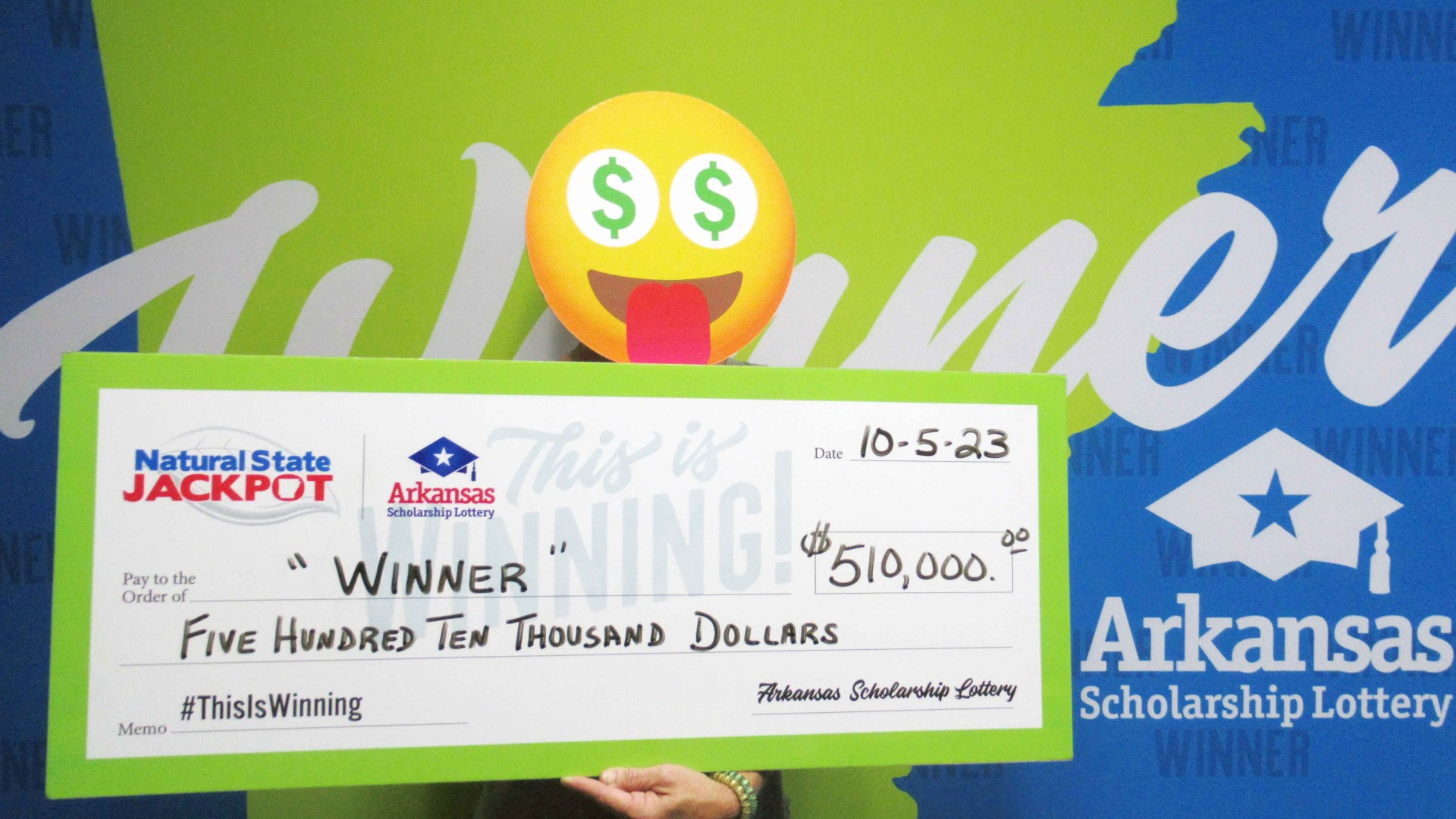
No. During the three-year period of anonymity, the ASL cannot use your photograph, likeness, or name for marketing purposes without your written consent. If you choose to stay anonymous, you should also decline to participate in the "giant check" photo ceremonies often associated with lottery wins.
Professional Advice and Next Steps
If you find yourself holding a winning ticket in 2026, your first priority should be silence. Avoid sharing the news on social media or with anyone outside of your immediate household until you have secured professional advice.
Recommendation for Winners:
- Document Everything: Take a photo of the front and back of the ticket and keep the physical copy in a fireproof safe.
- Assemble a Team: Hire a tax attorney and a reputable financial advisor who has experience with high-net-worth clients.
- Evaluate Residency: Because your name will be public in three years, some winners use that time to relocate or change their legal names, though this is an extreme measure.
- Understand Taxes: Arkansas lottery winnings are subject to both federal and state income taxes. In 2026, the ASL automatically withholds a portion of winnings for tax purposes, but your total liability may be higher depending on your tax bracket.
While Arkansas is not a "perfect" anonymous state for those seeking lifelong secrecy, the three-year protection period offers a vital buffer. By the time your name is available to the public, the initial "frenzy" of the win will have subsided, giving you the best chance at a secure and stable future.