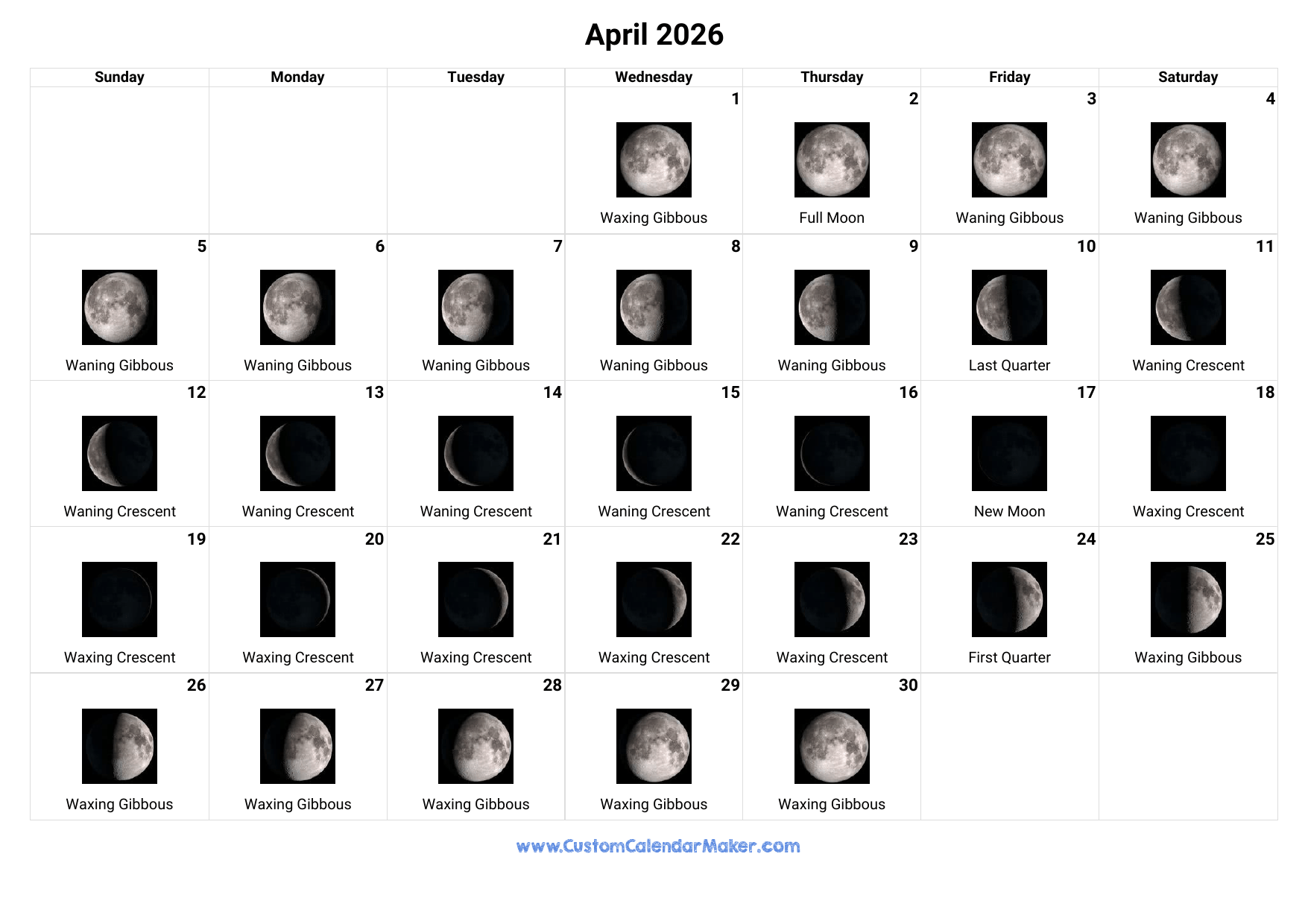
April 15 is the primary deadline for individual taxpayers in the United States to file their federal income tax returns (Form 1040) and pay any taxes owed for the preceding year. In 2026, because April 15 falls on a Wednesday and is not a holiday, it remains the standard date for submitting 2025 tax year documentation and settling liabilities with the Internal Revenue Service (IRS).
The Significance of April 15 in the Financial Calendar
For most Americans, April 15 is synonymous with "Tax Day." This date represents the conclusion of the annual tax filing season, which typically begins in late January. The IRS uses this deadline to ensure the timely collection of revenue necessary to fund federal operations, infrastructure, and social programs. While the date can occasionally shift to April 16 or 17 if the 15th falls on a weekend or a legal holiday (such as Emancipation Day in Washington, D.C.), the 2026 calendar places the deadline squarely on Wednesday, April 15.
Understanding the gravity of this date is essential for financial health. Failing to meet the April 15 requirements can result in significant financial penalties, interest accumulation on unpaid balances, and a loss of certain tax credits or refunds that expire after a specific window. For the 2026 cycle, taxpayers are reporting income earned and expenses incurred between January 1 and December 31, 2025.
Prerequisites for Meeting the April 15 Deadline
Successful filing by the April 15 deadline requires a systematic gathering of documentation throughout the first quarter of the year. Most employers and financial institutions are required to send out tax forms—such as W-2s and 1099s—by January 31, providing taxpayers with roughly ten weeks to prepare their returns.
Essential Documentation
To complete a federal return accurately, taxpayers should have the following items ready well before the mid-April cutoff:
- Income Statements: This includes W-2 forms for employees, 1099-NEC for independent contractors, 1099-INT for bank interest, and 1099-DIV for investment dividends.
- Adjustments to Income: Documentation for student loan interest, IRA contributions, and health savings account (HSA) contributions.
- Deduction Records: If itemizing rather than taking the standard deduction, taxpayers need records of mortgage interest (Form 1098), charitable donation receipts, and records of significant medical expenses or state and local taxes paid.
- Identification: Social Security numbers or Individual Taxpayer Identification Numbers (ITINs) for the filer, spouse, and all dependents.
Determining Filing Status
Your filing status—Single, Married Filing Jointly, Married Filing Separately, Head of Household, or Qualifying Surviving Spouse—is determined as of December 31 of the tax year. This status dictates your standard deduction amount and tax brackets, directly impacting the final figures submitted on April 15.
How the 2026 Calendar Affects Filing Requirements
In 2026, the absence of weekend conflicts or major holiday overlaps ensures a standard filing window. However, it is important to distinguish between federal and state requirements. While the IRS mandates a federal filing by April 15, 2026, most states align their income tax deadlines with the federal date.
Taxpayers in Massachusetts and Maine should be aware of Patriots' Day, which falls on Monday, April 20, 2026. While this holiday often grants these residents an extra day or two in years when April 15 falls on a Friday or weekend, in 2026, the Wednesday deadline for federal filing is unlikely to be affected by this regional holiday. Always verify with state-specific revenue departments for local variations.
The "Postmark Rule"
The IRS considers a return filed on time if it is addressed correctly, has sufficient postage, and is postmarked by the United States Postal Service (USPS) by midnight on April 15. For those filing electronically (e-filing), the "filing date" is the timestamp provided by the authorized provider when the return is transmitted. E-filing is highly recommended by the IRS to ensure immediate receipt and faster processing of refunds.
Filing an Extension: Form 4868
If a taxpayer cannot complete their return by the April 15 deadline, they can request an automatic six-month extension by filing IRS Form 4868. For the 2026 season, this extension moves the filing deadline from April 15 to October 15, 2026.
The Extension Misconception
A critical distinction must be made: An extension to file is not an extension to pay. Even if you receive an extension until October, any taxes owed for the 2025 tax year must still be estimated and paid by April 15, 2026. Failure to pay at least 90% of the total tax liability by the April deadline will result in interest charges and potential late-payment penalties, even with a valid filing extension.
How to Request an Extension
- Online: Use IRS Free File or other tax preparation software to submit Form 4868 electronically.
- Payment-Based Extension: If you make a full or partial payment through the IRS Direct Pay system or via credit/debit card and indicate the payment is for an extension, the IRS automatically grants the extension without requiring a separate Form 4868.
- Paper Filing: Mail a physical Form 4868 to the IRS, ensuring it is postmarked by April 15.
Payment Methods and Liability Management
The IRS provides several avenues for taxpayers to settle their balances by April 15. In 2026, digital payment options remain the fastest and most secure methods.
- IRS Direct Pay: A free service that allows taxpayers to pay directly from a checking or savings account.
- Electronic Federal Tax Payment System (EFTPS): Primarily used by businesses but available to individuals, requiring a pre-registration process.
- Credit or Debit Cards: Payments can be made via third-party processors, though these typically involve a convenience fee.
- Installment Agreements: For those who cannot pay in full by April 15, the IRS offers payment plans. It is better to file on time and apply for a plan than to avoid filing altogether, as the "failure-to-file" penalty is significantly higher than the "failure-to-pay" penalty.
Comparison of Filing Options for April 15
| Feature | Standard Filing (April 15) | Filing with Extension (Oct 15) | Late Filing (No Extension) |
|---|---|---|---|
| Return Due Date | April 15, 2026 | October 15, 2026 | April 15, 2026 |
| Payment Due Date | April 15, 2026 | April 15, 2026 | April 15, 2026 |
| Failure-to-File Penalty | None | None | 5% of unpaid tax per month |
| Failure-to-Pay Penalty | None | 0.5% per month (if <90% paid) | 0.5% of unpaid tax per month |
| Interest Charges | None | Applied to any unpaid balance | Applied to any unpaid balance |
Penalties and Consequences of Missing the Deadline
Missing the April 15 deadline without filing an extension triggers two primary types of penalties. The Failure-to-File Penalty is generally more severe, calculated at 5% of the unpaid taxes for each month or part of a month that a tax return is late. This penalty caps at 25% of the unpaid tax.
The Failure-to-Pay Penalty is 0.5% of the unpaid taxes for each month or part of a month the tax remains unpaid. If both penalties apply in the same month, the 5% failure-to-file penalty is reduced by the failure-to-pay penalty amount. Furthermore, the IRS charges interest on underpayments that fluctuates quarterly; this interest begins accruing on April 16 and continues until the balance is paid in full.
Refunds and the Three-Year Window
If you are owed a refund, there is no penalty for filing late. However, you generally must file your return within three years of the original deadline to claim that refund. For the 2025 tax year (due April 15, 2026), the window to claim a refund typically expires on April 15, 2029.
Special Exceptions to the April 15 Deadline
While April 15 is the standard for most, certain groups are granted automatic delays or special considerations under federal law.
Military Service and Combat Zones
Members of the military serving in a designated combat zone or a contingency operation are granted a deadline extension. This extension usually lasts for 180 days after the last day they were in the combat zone or hospitalized for injuries sustained there. This applies to filing, paying, and even responding to IRS inquiries.
Taxpayers Living Abroad
U.S. citizens and resident aliens living and working outside the United States and Puerto Rico are granted an automatic two-month extension to file and pay. In 2026, this moves their initial deadline to June 15. However, interest still accrues on any unpaid tax from the original April 15 deadline.
Disaster Area Relief
In the event of localized natural disasters (hurricanes, wildfires, floods), the IRS frequently issues tax relief that postpones the April 15 deadline for residents and business owners in affected counties. These updates are published on the IRS "Tax Relief in Disaster Situations" webpage.
IRS Direct File (New for 2026)
Following pilot programs in previous years, the IRS Direct File system is expected to be more widely available by the 2026 season. This allows eligible taxpayers with simple tax situations to file directly with the IRS for free, bypassing third-party software. The April 15 deadline applies equally to this platform.
FAQ: Common Questions About the April 15 Deadline
What happens if April 15 falls on a weekend?
If April 15 falls on a Saturday or Sunday, the filing deadline is moved to the next business day. Additionally, if the 15th coincides with a legal holiday in the District of Columbia, such as Emancipation Day, the deadline is pushed back. In 2026, April 15 is a Wednesday, so no such delay occurs.
Can I change my return after I file it on April 15?
Yes, you can file an amended return using Form 1040-X. Generally, you have three years from the date you filed your original return or two years from the date you paid the tax, whichever is later, to file an amendment to claim a credit or refund.
Is the state tax deadline always the same as April 15?
Most states with income tax align their deadlines with the federal date (April 15), but some exceptions exist. For example, some states have historically set their deadlines for late April or May. You must verify the specific deadline with your state's Department of Revenue.
Do I need to file a return if I don't owe any taxes?
You may still be required to file if your gross income exceeds certain thresholds based on your filing status and age. Even if you aren't required to file, doing so is often beneficial to claim refundable tax credits (like the Earned Income Tax Credit) or to get back federal income tax that was withheld from your pay.
What should I do if I can't pay the full amount by April 15?
You should still file your return or an extension by April 15. Pay as much as you can to minimize interest and penalties, and then apply for an IRS installment agreement or an "Offer in Compromise" to settle the remaining debt over time.
Recommended Next Actions for Taxpayers
To ensure a smooth filing process for the 2026 season, taxpayers should begin their preparations well before the April 15 cutoff.
- Consolidate Documents: By mid-February, ensure you have received all W-2s, 1099s, and 1098s. If any are missing, contact the issuer immediately.
- Assess Filing Method: Determine if you are eligible for IRS Free File or the Direct File program. These services can save significant costs for low-to-moderate-income filers.
- Schedule Payments: If you owe money, you can file early in February or March and schedule an electronic payment for the actual deadline of April 15, 2026. This allows you to complete the paperwork without losing liquidity before necessary.
- Consider an Extension Early: If you are waiting on complex documents (like K-1 forms from partnerships), don't wait until April 14 to file for an extension. Submit Form 4868 as soon as you realize the original deadline is unattainable.
By treating April 15 as a fixed point in a larger financial strategy—rather than a surprise hurdle—taxpayers can avoid the stress of last-minute filing and the unnecessary costs of penalties and interest.