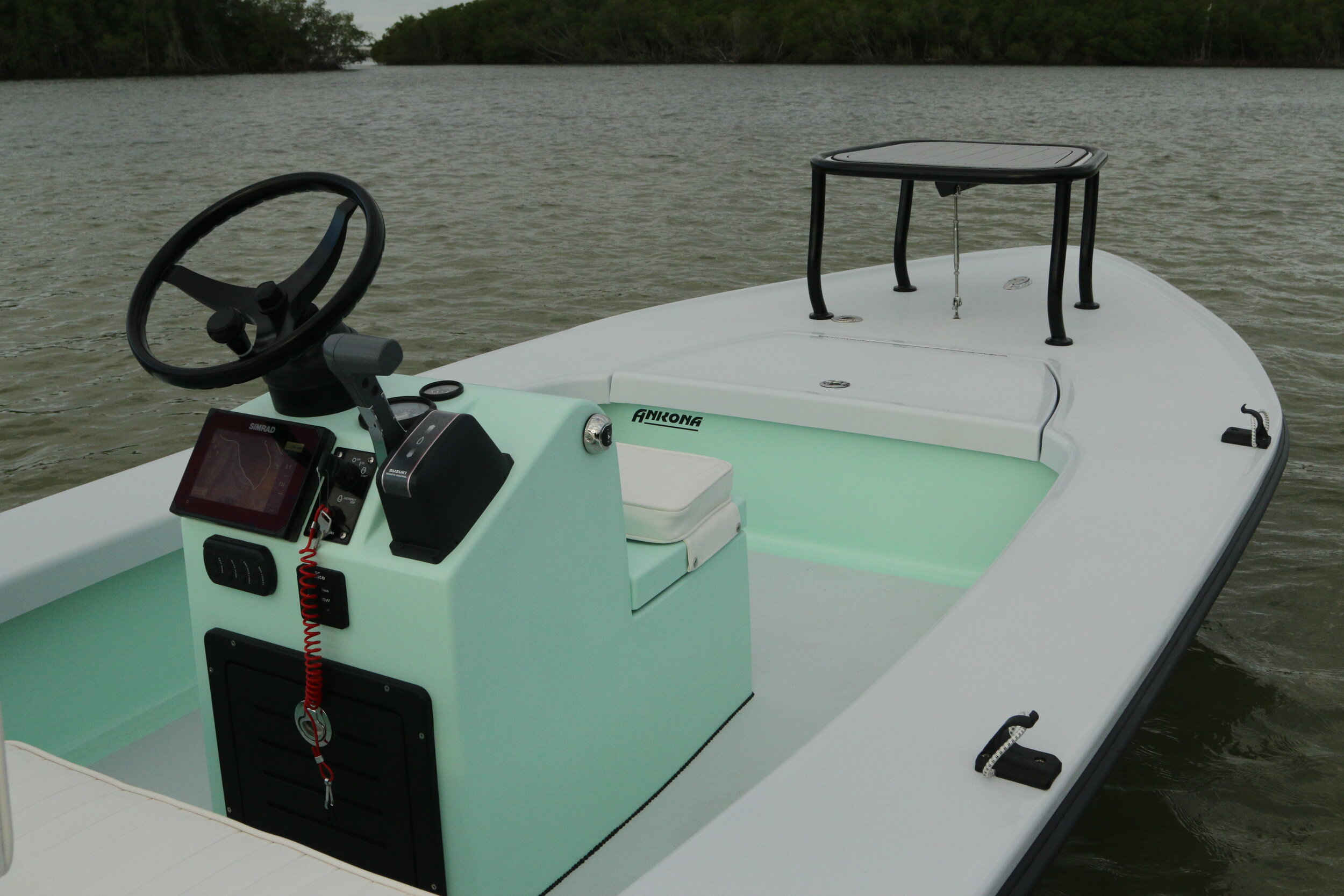
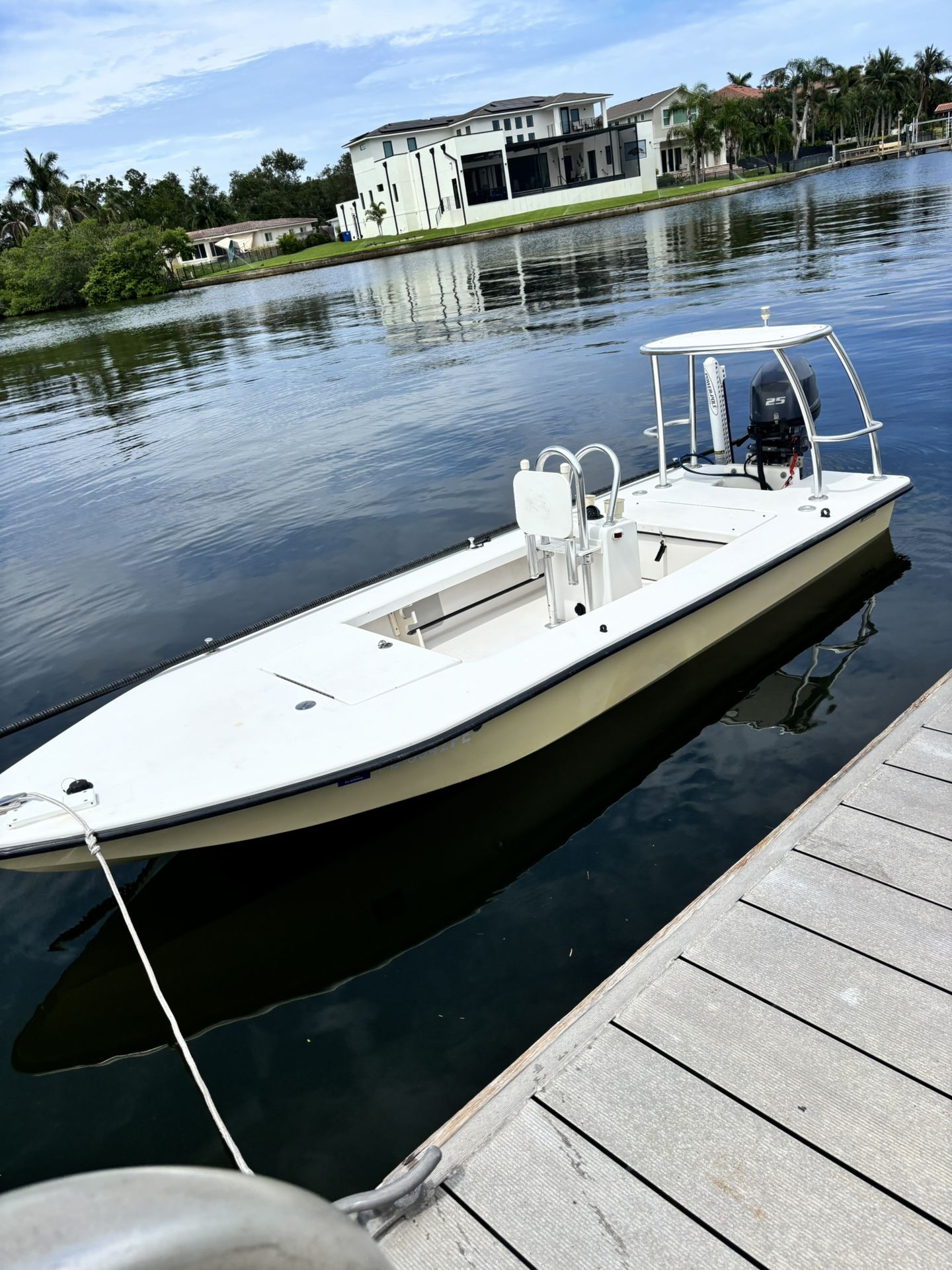
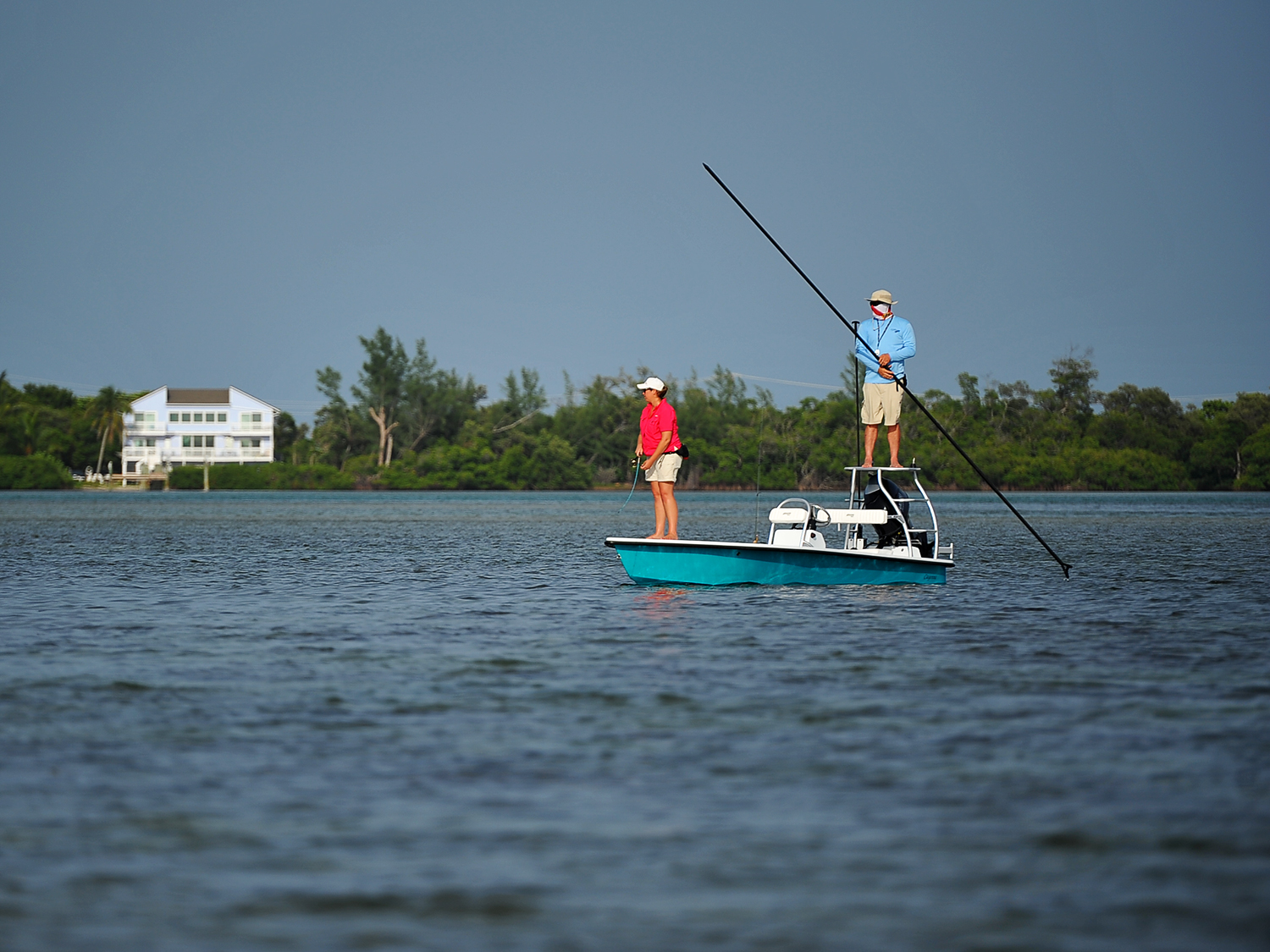
Ankona Boats has established itself as a cornerstone of the technical poling skiff market, catering specifically to anglers who demand surgical precision in shallow-water environments without the prohibitive "prestige" pricing of high-end boutique brands. In 2026, the Ankona lineup represents the pinnacle of value-engineered performance, utilizing advanced resin infusion techniques and hull geometries optimized for the micro-skiff and flats boat categories. Whether you are stalking bonefish in the Florida Keys or chasing redfish in the marshy backwaters of the Lowcountry, understanding the specific technical nuances of the Ankona fleet is essential for making an informed investment.
Ankona skiffs are manufactured in Fort Pierce, Florida, a region synonymous with saltwater fly fishing heritage. The brand operates under a direct-to-consumer model, which allows for a high degree of customization and direct communication between the owner and the builder. This guide analyzes the 2026 model specifications, construction methodologies, and real-world performance metrics to provide a comprehensive overview for the serious shallow-water strategist.
Technical Specifications and Model Comparison (2026 Fleet)
Selecting the right hull depends on the specific balance between draft requirements, stability, and "big water" capability. The 2026 Ankona lineup ranges from the ultralight Shadowcast series to the more substantial Caicos, each designed with a specific mission profile in mind.
| Model | Length | Beam | Draft (Actual Load) | Max Horsepower | Hull Weight (Dry) |
|---|---|---|---|---|---|
| Shadowcast 16 | 16' 4" | 56" | 4.5" - 5.5" | 30 HP | 325 lbs |
| Shadowcast 18 | 18' 0" | 60" | 5.0" - 6.0" | 40 HP | 380 lbs |
| Copperhead | 16' 4" | 70" | 6.0" - 7.5" | 60 HP | 450 lbs |
| Cayenne | 17' 0" | 78" | 7.0" - 8.5" | 90 HP | 600 lbs |
| Caicos | 18' 10" | 82" | 8.0" - 9.5" | 115 HP | 850 lbs |
Engineering and Construction Innovations for 2026
The 2026 Ankona models have moved entirely to vacuum-infused construction for their higher-end carbon and Innegra layup options. This process ensures an optimal resin-to-glass ratio, eliminating excess weight while maximizing structural rigidity. Unlike traditional hand-laid hulls, vacuum infusion results in a boat that is lighter, faster, and more fuel-efficient, which is critical when running small-displacement outboards.
The hull geometry of an Ankona skiff typically features a sharp entry to slice through chop, transitioning to a relatively flat transom to minimize draft. The "Shadowcast" series utilizes a narrow beam to facilitate effortless poling and tracking, while the "Copperhead" and "Cayenne" incorporate more significant spray rails and a wider footprint for increased lateral stability when walking the gunwales.
Material Science in 2026 Boat Building Ankona now offers specialized Carbon-Innegra hybrid layups. This specific weave provides the stiffness of carbon fiber for hull integrity and the impact resistance of Innegra. For the technical angler, this means a quieter hull that does not "slap" in a headwind and a boat that can withstand the occasional impact with oyster bars or limestone shelves without catastrophic delamination.
Comprehensive Analysis: Pros and Cons of the Ankona Platform
When evaluating an Ankona skiff against competitors like Hell's Bay or East Cape, one must consider the operational realities of a "value-technical" skiff.
Advantages of the 2026 Ankona Series
- Exceptional Poling Performance: The Shadowcast models are widely considered some of the easiest boats to pole in the industry. Their narrow beam and low profile mean they are less affected by windage, allowing a guide to maintain a stealthy approach even in breezy conditions.
- Direct Builder Access: Purchasing an Ankona involves a collaborative process. Owners can specify cockpit layouts, console styles (center, side, or tiller), and specialized storage for fly rods or lithium battery banks.
- Operating Efficiency: Due to their lightweight construction, these skiffs achieve impressive speeds with lower horsepower engines. This reduces both the initial purchase price and long-term fuel costs.
Limitations to Consider
- Dryness in Heavy Chop: While the Cayenne and Caicos handle open water well, the smaller Shadowcast models are specialized tools. In a significant crosswind or heavy chop, the low gunwales can lead to a damp ride for passengers.
- Lead Times: Due to the popularity of the brand and the labor-intensive nature of custom builds, lead times in 2026 can range from six to twelve months depending on the model and degree of customization.
- Finish Detail: While structurally superior, the aesthetic finish of an Ankona is often more "workboat" than "jewelry." They are built to be fished hard, with a focus on functionality over ornate trim.
The 2026 Customization Process: A Step-by-Step Guide
Commissioning a new skiff requires a clear understanding of your local fishery requirements. The following steps outline the typical procurement process for an Ankona in 2026.
- Hull Selection and Initial Deposit: Determine your primary fishing environment. If you spend 90% of your time in less than 8 inches of water, the Shadowcast or Copperhead are the primary candidates. Secure your build slot with a deposit.
- Layout Configuration: Work with the design team to choose between a tiller steer for maximum cockpit space or a center console for comfort. Modern 2026 builds often include integrated wiring for NMEA 2000 electronics and 36V lithium trolling motor systems.
- Power Selection: Most Ankona owners opt for Tohatsu, Suzuki, or Mercury outboards. In 2026, the Tohatsu 30HP and Mercury 60HP Command Thrust remain the most popular choices for weight-to-power optimization.
- Rigging and Marine Electronics: Finalize the installation of shallow-water anchors (such as Power-Pole spikes), GPS/Sonar units (Garmin or Simrad), and specialized lighting for night fishing in the mangroves.
- Sea Trial and Delivery: The final phase involves a sea trial at the Fort Pierce facility to ensure all systems are functioning to specification before the hull is trailered to its home port.
Regional Performance Benchmarks
Ankona skiffs are engineered for specific topographical challenges found in iconic American fisheries.
- The Florida Everglades (Flamingo): The Shadowcast 18 is the dominant choice here. Its ability to navigate the "No Motor Zones" and pole over shallow mudflats while carrying two anglers and a cooler makes it an unrivaled tool for the Glades.
- Texas Gulf Coast (Laguna Madre): The Copperhead is preferred for its ability to handle the larger bays and the "chop" of the Laguna while still accessing the back-lake redfish spots that require a 7-inch draft.
- The Carolinas: For anglers navigating the high-current sounds and creeks, the Cayenne provides the necessary bow lift and stability to handle moving water while remaining light enough to pole on the flood tides.
Frequently Asked Questions
What is the real-world draft of an Ankona Shadowcast 18?
The Shadowcast 18 typically drafts between 5 and 6 inches with a standard load of two anglers, 10 gallons of fuel, and a 25-30 HP outboard.
While the "dry" hull weight is very low, the displacement is distributed across an 18-foot waterline, allowing the boat to float higher than many 16-foot competitors. Total draft will vary based on the choice of a lithium vs. lead-acid battery and whether a poling platform or trolling motor is installed.
Can I run a 60 HP engine on an Ankona Copperhead?
Yes, the Copperhead is rated for up to 60 HP, which provides a top speed in the mid-to-high 30 mph range depending on the prop and load.
The 60 HP Mercury or Suzuki is the most common pairing for this hull in 2026. This configuration allows the boat to jump on plane quickly in shallow water (hole shot), which is critical for fishing tight backcountry spots.
How does Ankona compare to Salt Marsh Skiffs?
Ankona and Salt Marsh are sister companies; Ankona focuses on the technical, lower-profile poling skiffs, while Salt Marsh offers hulls with more deadrise and higher sides for rougher water.
In the 2026 market, Salt Marsh models like the Heron are designed for those who need more "all-around" capability, whereas Ankona remains the choice for the pure shallow-water specialist who prioritizes a stealthy footprint and ease of poling.
Does Ankona offer a warranty on their 2026 hulls?
Ankona provides a comprehensive 10-year structural hull warranty on all new builds, which is transferable to a second owner within a specific timeframe.
This warranty covers the structural integrity of the transom, stringer system, and hull-to-deck joint. It reflects the brand's confidence in their refined vacuum-infusion and bonding processes used in the 2026 production cycle.
What is the wait time for a custom Ankona skiff in 2026?
Currently, the average lead time for a custom Ankona build is approximately 8 to 10 months from the date of the initial deposit.
This timeline can fluctuate based on the availability of specific outboards and the complexity of the rigging. Prospective buyers are encouraged to secure build slots early in the season to ensure delivery before the peak spring fishing runs.
Conclusion and Final Considerations
Investing in an Ankona skiff in 2026 is a strategic decision for the angler who values technical performance and customization over brand-name markup. These boats are precision instruments designed for a specific style of fishing: the quiet, methodical stalk of wary fish in extremely thin water. By choosing the right model for your specific geography and utilizing the 2026 advancements in material science and electronics, an Ankona owner can access water that is simply unreachable for larger, heavier flats boats.
If you are ready to elevate your shallow-water game, contact the build team at Ankona to discuss your specific hull requirements and start the process of engineering your perfect technical poling skiff.