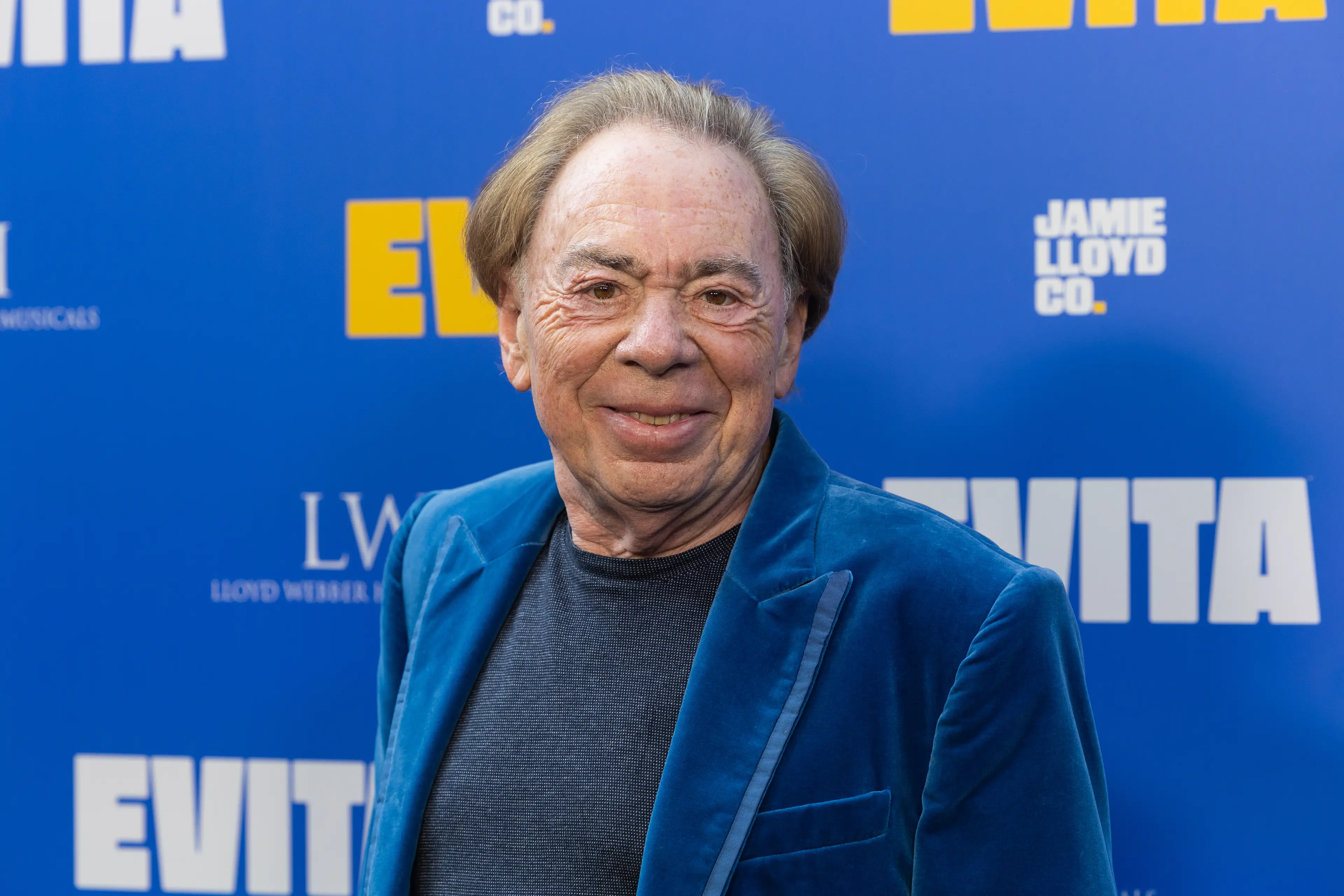
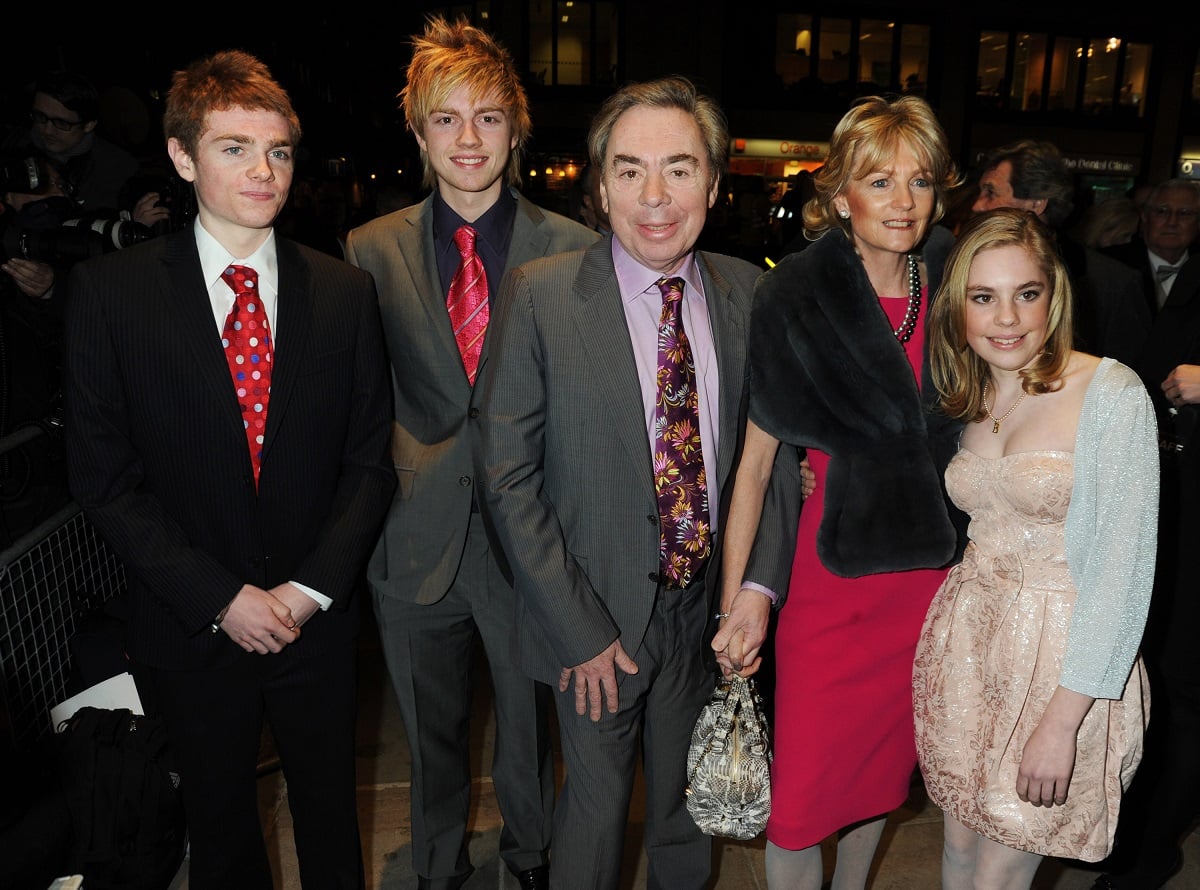
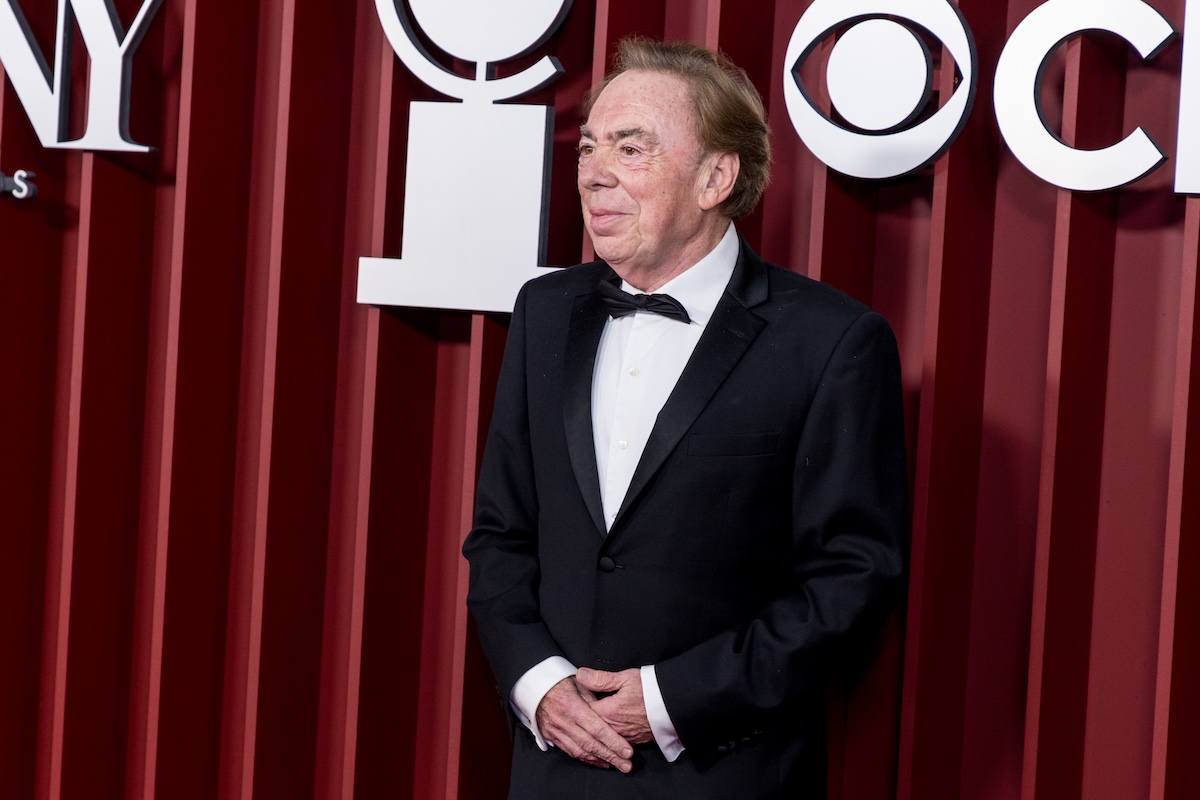
Lord Andrew Lloyd Webber possesses an estimated net worth exceeding £1.2 billion, built primarily through his pioneering work in musical theatre, prolific composition royalties, real estate holdings, and extensive theatre ownership and production ventures.
Understanding the Wealth Foundation of a Musical Theatre Icon
The financial profile of Andrew Lloyd Webber represents a unique intersection of creative genius, copyright ownership, and strategic corporate investment. Unlike traditional artists who rely solely on performance or one-off commission fees, Lloyd Webber secured long-term equity in his own creations. This strategy transformed his career from that of a successful composer into that of a major media mogul and theatrical impresario.
At the core of his financial empire is the control of his intellectual property. By retaining the rights to legendary scores such as The Phantom of the Opera, Cats, Evita, and Jesus Christ Superstar, he engineered a continuous, multi-decade revenue stream. Every international production, regional staging, school licensing agreement, and digital soundtrack stream generates sustained global royalties. This systematic approach to copyright protection forms the bedrock of his long-term financial stability and continuous wealth accumulation.
The Definitive Breakdown of Major Asset Categories
Evaluating a high-net-worth portfolio of this magnitude requires looking beyond a single lump-sum figure. Lloyd Webber’s fortune is diversified across tangible physical assets, corporate equity, and liquid intellectual property holdings.
The following table outlines the primary asset classes that contribute to his overall financial profile:
| Asset Category | Description & Primary Holdings | Estimated Financial Impact |
|---|---|---|
| Intellectual Property | Ownership of master recordings, publishing rights, and performance royalties for globally performed musicals. | Core driver of continuous passive income across international markets. |
| Theatrical Real Estate | Former ownership stakes in London's West End venues (such as the London Palladium and Her Majesty's Theatre) through LW Theatres. | Significant capital appreciation and operational revenue from live entertainment venues. |
| Production Companies | The Really Useful Group (RUG), managing global theatrical, film, and merchandising rights. | Corporate enterprise value generating multi-million-pound annual commercial returns. |
| Private Art & Estates | Extensive collections of Victorian and Pre-Raphaelite art, alongside historic countryside and urban properties. | Substantial tangible wealth and high-value non-liquid assets. |
The Role of The Really Useful Group (RUG) in Wealth Generation
Established in 1977, The Really Useful Group (RUG) serves as the primary commercial engine behind Lloyd Webber’s business empire. RUG operates as an international media and theatrical production company that manages the exploitation of his works across stage, screen, merchandising, and music publishing.
Through RUG, Lloyd Webber bypassed traditional studio and producer gatekeepers during the height of his creative output. By maintaining direct operational control, he maximized profit margins on blockbuster productions. Although he sold a majority stake in RUG to Universal Music Publishing Group in several phased transactions, the enduring value of the catalog continues to pay dividends. This corporate structuring allowed his compositions to function less like transient pop songs and more like institutional corporate assets with predictable valuation metrics.
West End Real Estate and Venue Ownership Strategy
Beyond composition and production, Lloyd Webber historically positioned himself as a landlord of historic cultural infrastructure. Through LW Theatres (formerly Really Useful Theatres), he acquired, restored, and operated several of London’s most prestigious West End stages.
Owning the physical venues in which his shows—and those of other creators—were performed created a powerful economic hedge. When ticket sales fluctuated, venue ownership ensured that a baseline of rental income, concessions revenue, and operational fees remained intact. While he consolidated and streamlined parts of his property portfolio over the decades, the strategic acquisition of prime West End real estate during periods of lower market valuation significantly boosted his long-term net worth.
Art Collecting as a Diversified Financial Asset
In addition to his theatrical and corporate holdings, Lloyd Webber is widely recognized as one of the world's premier collectors of Victorian and Pre-Raphaelite art. His passion for 19th-century painting has evolved into a sophisticated alternative asset class within his overall financial profile.
Over the years, he has strategically acquired museum-quality pieces by artists such as Dante Gabriel Rossetti, Edward Burne-Jones, and William Holman Hunt. While many collectors view art purely for aesthetic appreciation, astute acquisitions of historically significant pieces function as a reliable hedge against inflation and currency fluctuations. Periodically, portions of his collection have been auctioned or exhibited, realizing substantial capital gains that further reinforce his liquid capital reserves.
Philanthropy, Taxation, and Estate Planning Considerations
Managing a fortune exceeding £1.2 billion involves complex legal, tax, and philanthropic structures. As a life peer in the House of Lords (sitting as a Conservative), Lloyd Webber operates within the upper echelons of the British establishment, where estate planning and wealth preservation are subject to rigorous regulatory scrutiny.
His financial profile is also shaped by significant philanthropic endeavors, including the Andrew Lloyd Webber Foundation, which supports arts, culture, and heritage education across the United Kingdom. Charitable giving and structured foundations play an integral role in managing the tax liabilities associated with vast intellectual property portfolios and real estate holdings. These mechanisms ensure that his cultural legacy remains protected while optimizing the generational transfer and stewardship of his estate.
Frequently Asked Questions
What is the primary source of Andrew Lloyd Webber's wealth?
His wealth originates primarily from musical theatre royalties, particularly from global megahits like The Phantom of the Opera and Cats. Retaining intellectual property rights and owning theatrical production companies like The Really Useful Group allowed him to compound these earnings over decades.
Does Andrew Lloyd Webber still own London theatres?
Yes, his company LW Theatres owns and operates several prominent West End venues, including the London Palladium, Theatre Royal Drury Lane, and Her Majesty's Theatre. These properties provide a steady stream of venue-based revenue alongside his creative royalties.
How much are his copyrights and music publishing rights worth?
While exact valuations fluctuate based on market conditions, streaming metrics, and global touring schedules, his catalog of compositions is valued in the hundreds of millions of dollars. These rights generate consistent passive income from international theatrical licensing.
Is Andrew Lloyd Webber a billionaire?
Yes, financial tracking publications consistently estimate his net worth well above the £1.2 billion threshold. This status places him among the wealthiest figures in the global entertainment and arts industries.
How does his art collection impact his net worth?
His extensive collection of Victorian and Pre-Raphaelite art represents a major non-liquid asset class. These museum-quality acquisitions serve as a diversified store of wealth that appreciates independently of the entertainment sector.
Maximizing Creative Equity and Long-Term Asset Protection
For aspiring creators, entrepreneurs, and investors examining Lloyd Webber’s financial trajectory, the primary lesson centers on asset retention and structural diversification. Relying solely on upfront fees limits long-term financial growth; securing equity, retaining copyright ownership, and diversifying into tangible assets like real estate and fine art creates lasting financial resilience. Reviewing one's own portfolio structure against these principles highlights the value of building sustainable, income-generating intellectual and physical property rather than relying on short-term transactional income.