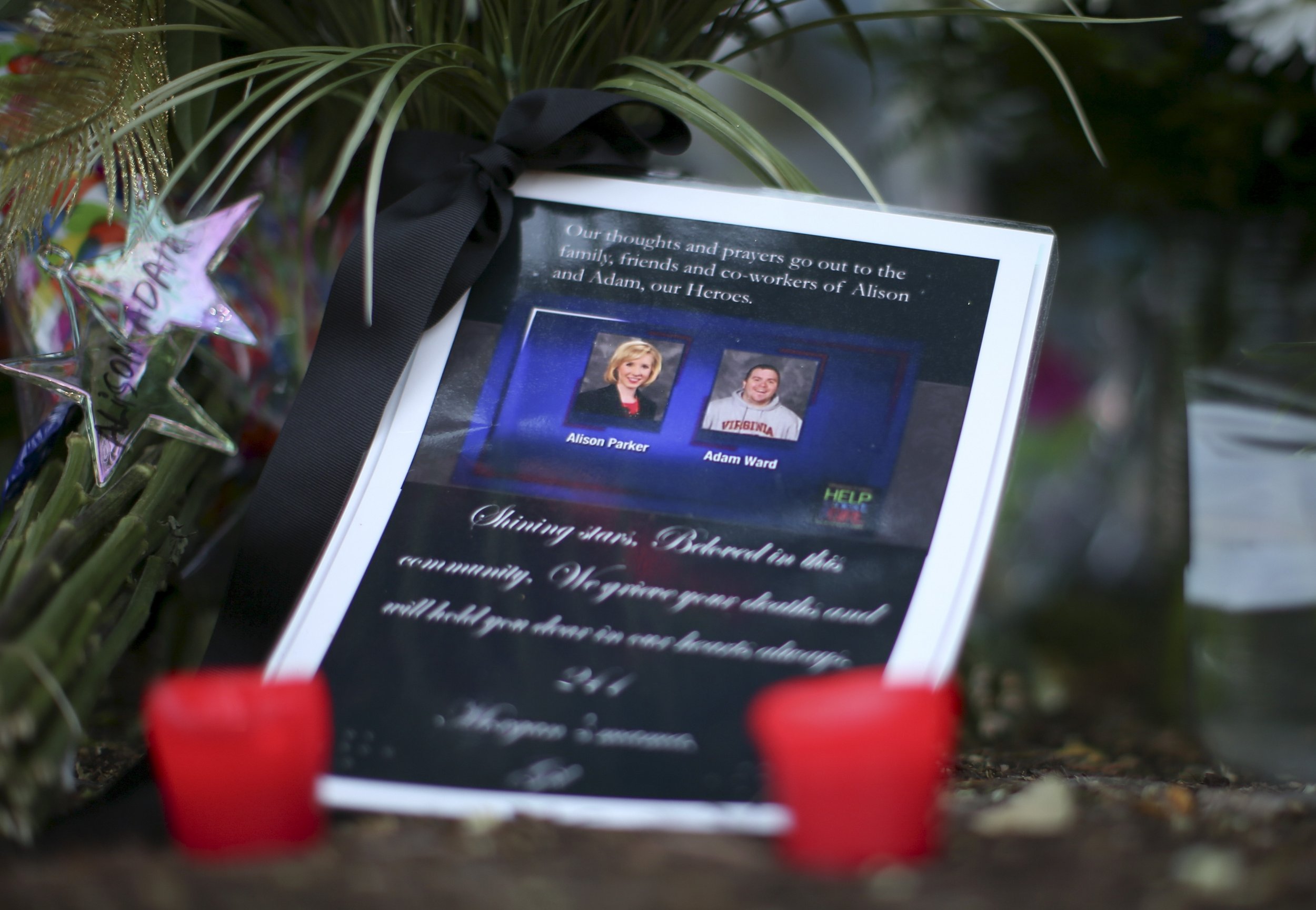
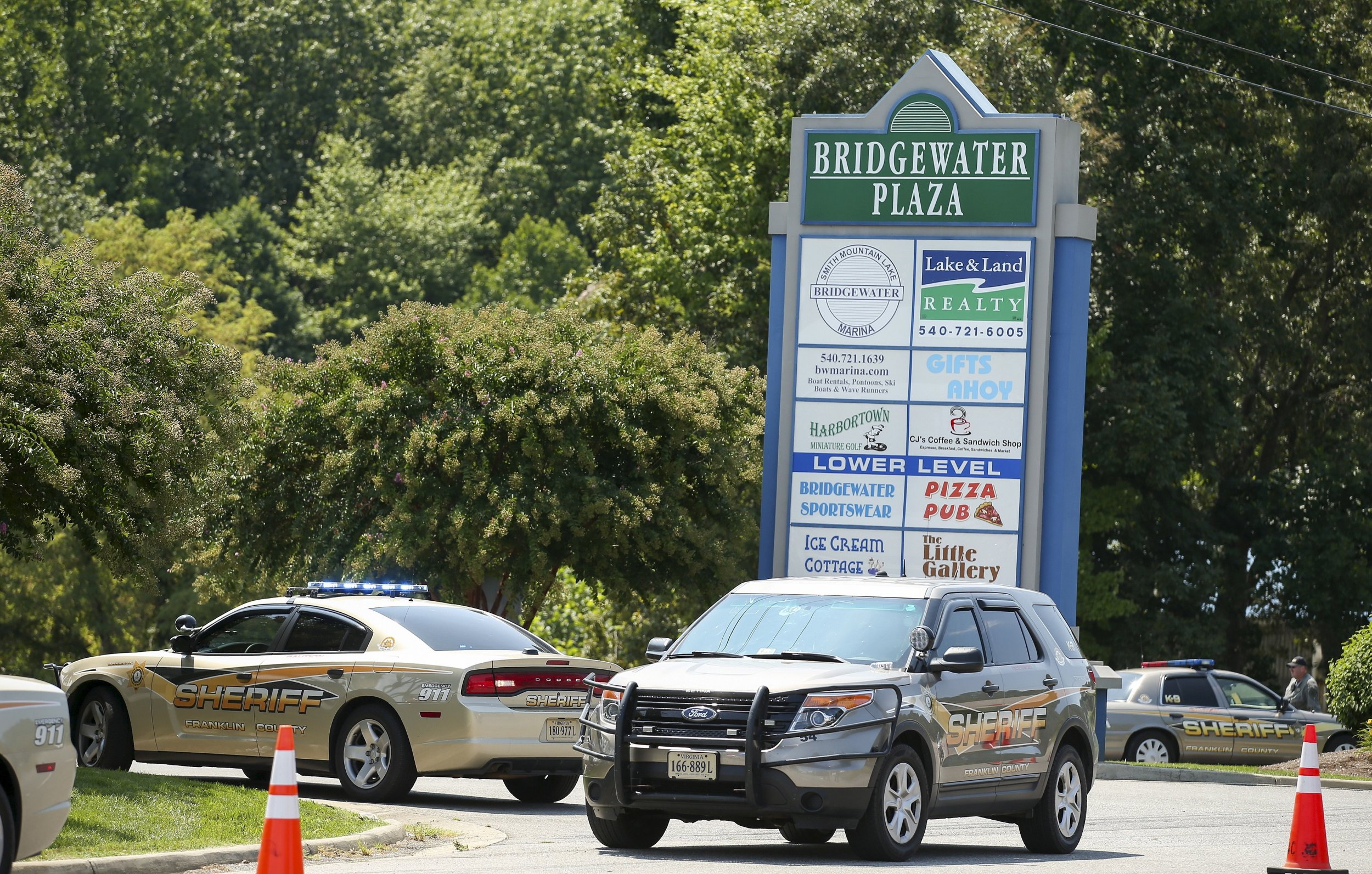
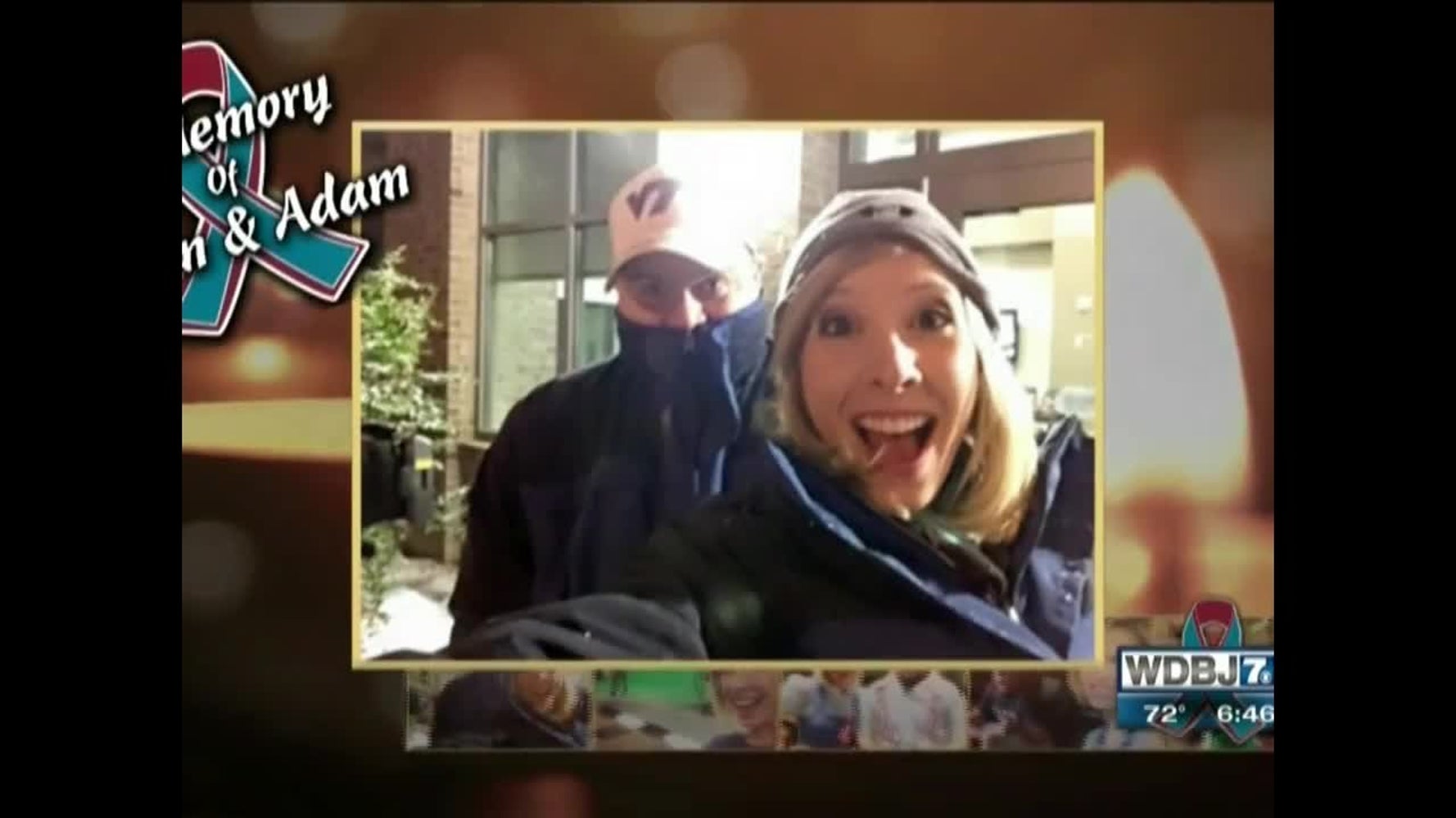
The names Allison Parker and Adam Ward remain synonymous with the tragic intersection of live broadcast journalism and senseless violence. Even as we enter 2026, over a decade after the events of August 26, 2015, in Moneta, Virginia, their legacy continues to influence the ethics, safety protocols, and mental health frameworks within the news industry. This article examines their professional contributions, the lasting impact on broadcast safety standards, and how media organizations have evolved their operational directives to protect field reporters and camera operators.
The Professional Profiles of Parker and Ward
Before the incident at Bridgewater Plaza, both Allison Parker and Adam Ward were rising stars in the regional news sector. Their work at WDBJ7 in Roanoke, Virginia, exemplified the dedication required of local news professionals who often operate as the primary information source for their communities.
Allison Parker was a reporter known for her infectious energy and commitment to human-interest stories. She approached her segments with a blend of journalistic rigor and empathy, qualities that made her a trusted voice in the Blue Ridge Mountains region. Adam Ward, a seasoned photojournalist, possessed the technical expertise to capture compelling narratives under the pressure of live broadcasting. His ability to frame the world through a lens defined the visual identity of WDBJ7 during his tenure.
The synergy between a reporter and a photojournalist is the backbone of local television. It requires seamless communication, situational awareness, and a shared understanding of the environment. Their partnership was representative of the thousands of news crews deployed daily across the United States to keep the public informed.
Industry Evolution: Safety Protocols in 2026
The tragedy fundamentally shifted the landscape for Field Operations and News Gathering (ENG). By 2026, the media industry has implemented rigorous standards to mitigate risks associated with live broadcasting, particularly when reporting from remote or high-visibility public spaces.
Media organizations have shifted away from the "get the story at all costs" mentality toward a "safety-first" operational framework. The current industry benchmarks, supported by guidelines from organizations like the Radio Television Digital News Association (RTDNA), prioritize the following components for field crews:
- Risk Assessments: Every live shot requires a pre-broadcast risk assessment, considering the location, time of day, and potential for public interference.
- Security Personnel: For high-profile or potentially contentious events, news stations now routinely deploy private security details to monitor the perimeter of the news crew.
- Situational Awareness Training: Reporters and photographers undergo mandatory de-escalation training and defensive training designed to identify signs of erratic behavior in bystanders.
- Technological Monitoring: Remote production systems in 2026 allow studios to monitor live video feeds with higher fidelity, enabling producers to spot anomalies or threats in the background of a shot before they escalate.
Comparison of Broadcast Safety Standards: Pre-2015 vs. 2026
The shift in professional culture is stark when comparing historical practices to the mandates enforced in 2026. The table below outlines the evolution of these critical safety pillars.
| Safety Pillar | Pre-2015 Standard | 2026 Industry Mandate |
|---|---|---|
| Security Presence | Rare; typically only for riots | Standard for most remote live shots |
| Risk Assessment | Informal/Verbal checks | Documented, mandatory digital logs |
| De-escalation Training | Minimal/Ad-hoc | Annual, certified professional training |
| Site Vetting | Producer-led brief checks | Multi-layered review of site security |
| Communication | Direct link to newsroom | Encrypted, real-time alert systems |
Impact on Mental Health and Peer Support
The loss of Parker and Ward sparked a necessary dialogue regarding the psychological toll of journalism. In 2026, the standard of care for newsroom employees is significantly more robust than it was previously. Many stations now provide:
- Mandatory Debriefings: Following traumatic events or difficult assignments, reporters and crew members are provided with structured psychological support.
- Access to Trauma Specialists: Most major media groups provide insurance-backed, 24/7 access to mental health professionals specializing in secondary trauma.
- Peer Support Networks: Journalists are encouraged to participate in support groups to process the unique pressures of the profession.
This focus acknowledges that the resilience required for news reporting is not infinite. Organizations now recognize that maintaining the health of their journalists is as vital as the quality of the broadcast itself.
Addressing Public Safety and Media Access
A recurring challenge in 2026 remains the delicate balance between the public's right to know and the safety of those documenting the news. While reporters have a protected role in documenting history, the rise of heightened political tensions and social instability has necessitated a more cautious approach to public reporting.
Journalists today are instructed to prioritize their physical safety over the capture of footage if a situation becomes volatile. The focus has shifted toward "distance reporting" in hazardous scenarios, using long-range lenses and remote setups that remove the need for personnel to be positioned in high-risk zones.
Frequently Asked Questions regarding Newsroom Safety
What specific safety measures are currently standard for live news segments in 2026? Most news organizations now require formal risk assessments, the use of security personnel in public spaces, and mandatory situational awareness training for all field employees to prevent interference or targeted violence.
How has the industry changed its approach to documenting sensitive incidents? Journalists are now encouraged to utilize remote technology and distance-based reporting techniques, prioritizing the physical well-being of the camera crew over the immediate capture of proximity footage.
Do news organizations provide mental health support for journalists exposed to trauma? Yes, leading media outlets in 2026 have integrated mandatory mental health debriefings and long-term access to trauma-informed counselors into their standard benefits packages.
What is the role of the RTDNA in current broadcast standards? The RTDNA continues to act as a primary body for defining the ethical and safety standards for electronic news, providing a framework that prevents the normalization of dangerous working conditions for journalists.
How can the public support the safety of local news crews? The public is encouraged to maintain safe distances from active news production sites and follow the instructions of security or police, allowing journalists to perform their public interest duties without obstruction.
Honoring the Legacy
The legacy of Allison Parker and Adam Ward is preserved through the heightened awareness of the inherent risks faced by those who keep society informed. Their memory serves as a constant reminder that journalism is a service performed by real people, and the protection of those individuals must remain the highest priority for the media industry. As we look at the practices of 2026, we see a more vigilant, prepared, and supportive professional environment—one that stands as a tribute to their dedicated service to the community of Roanoke and the broader journalistic profession.
Organizations must remain vigilant, constantly auditing their safety protocols and listening to their field teams to ensure that the tragic loss of life experienced in 2015 is never repeated. By investing in better equipment, smarter security, and stronger mental health support, the industry honors the contributions that Parker and Ward made to the field they loved.