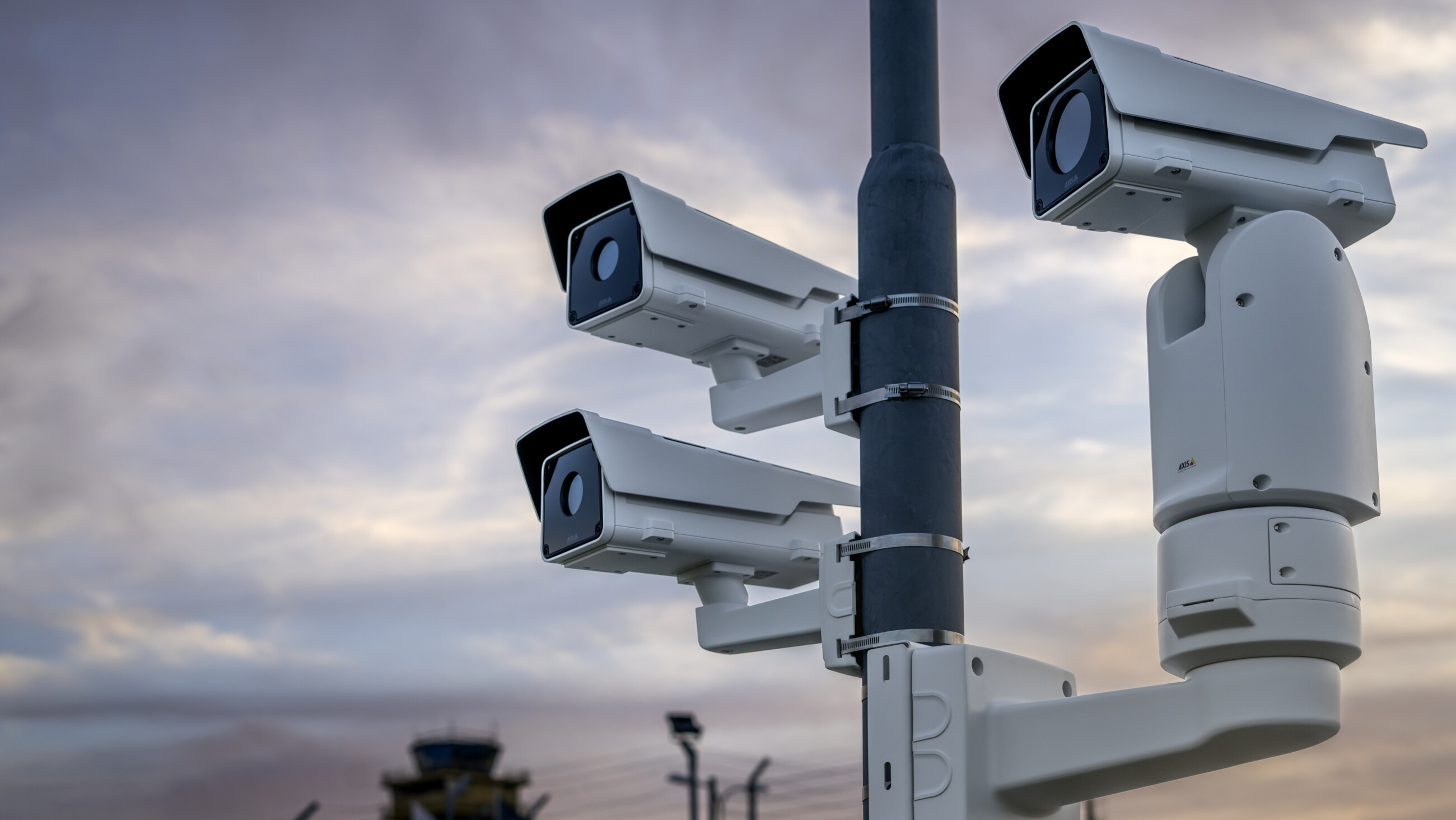
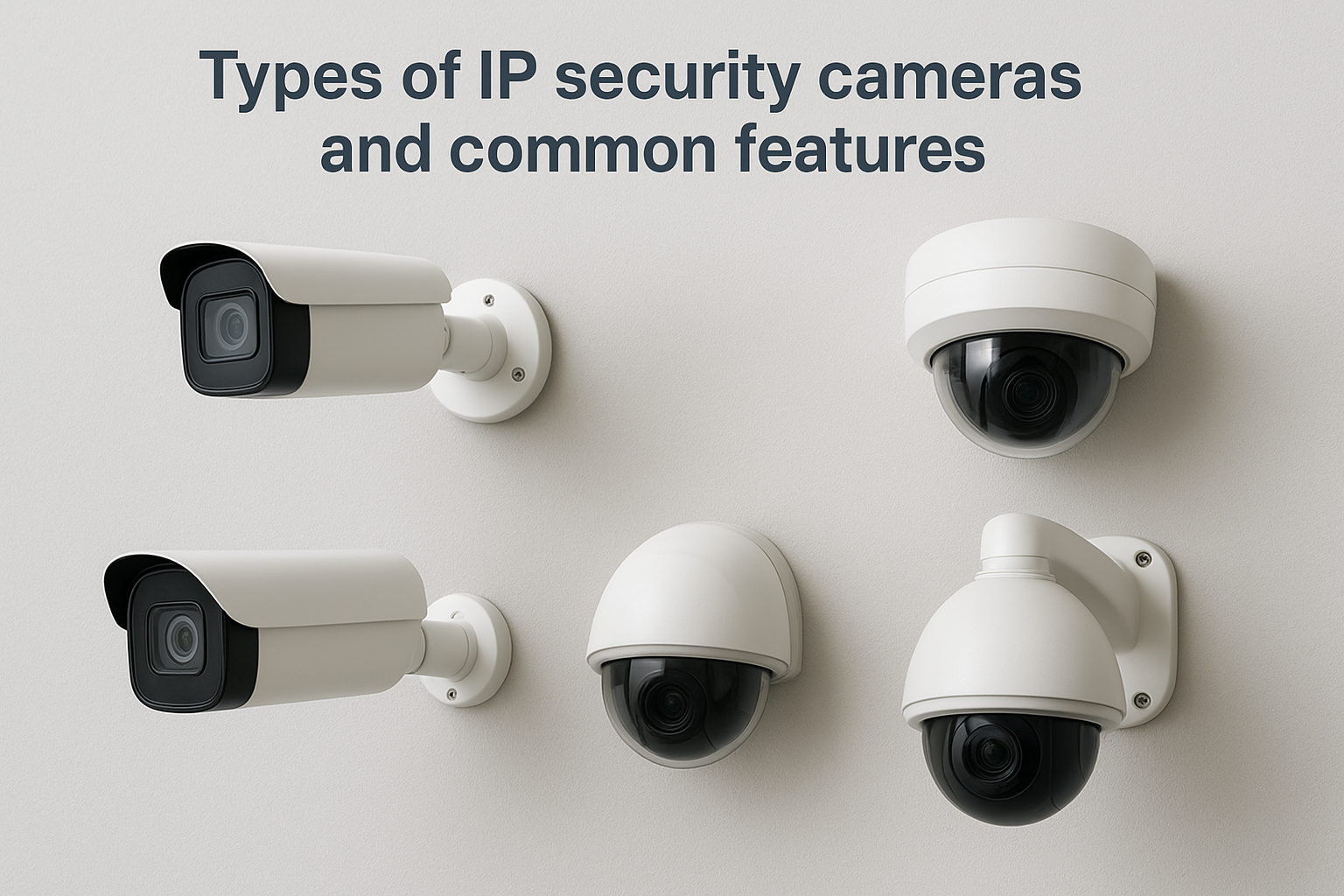
A light camera is an optical imaging device designed to capture visible or structured light and convert photon energy into sharp digital signals or recorded visual media. Operating across applications from home security floodlights to computational light-field sensors, light cameras work by focusing incoming light through optical lenses onto photosensitive semiconductor sensors, enabling real-time detection, surveillance, and high-fidelity image capture.
Understanding Light Camera Technology: How Optical Capture Works
At its fundamental level, camera technology relies on the manipulation and measurement of electromagnetic radiation within the visible light spectrum—typically wavelengths ranging from roughly 380 to 750 nanometers. When ambient or artificial light reflects off an object, it travels through the optical assembly of a camera, where precision-ground glass or plastic elements bend and focus the photons onto a focal plane.
At the focal plane sits a solid-state image sensor, most commonly a Complementary Metal-Oxide-Semiconductor (CMOS) or Charge-Coupled Device (CCD) sensor. This sensor is composed of millions of microscopic photosites (pixels). Utilizing the photoelectric effect, each photosite converts striking photons into an electrical charge proportional to the intensity of the light received.
- Incoming Light Rays
- Optical Lens Assembly
- Bayer Filter Array
- CMOS Sensor Photodiodes
- Analog-to-Digital Converter (ADC)
- Image Signal Processor (ISP)
- Digital File Output
To capture color rather than simple grayscale values, image sensors are covered with a color filter array—most frequently a Bayer filter pattern consisting of 50% green, 25% red, and 25% blue filters. The raw electrical charges generated at each photodiode are amplified and passed to an Analog-to-Digital Converter (ADC), which converts the variable voltage signals into binary digital data.
Finally, an integrated Image Signal Processor (ISP) demosaics the color array, applies white balance corrections, adjusts dynamic range, reduces digital noise, and outputs a standardized image or video stream.
Exposure control in light cameras depends on three interconnected parameters, historically known as the exposure triangle:
- Aperture: The physical opening inside the lens (measured in f-stops) that controls the volume of light reaching the sensor while defining the image's depth of field.
- Shutter Speed: The duration (expressed in fractions of a second) for which the electronic sensor or mechanical shutter exposes the photodiodes to light, governing motion blur and frame rate.
- ISO Sensitivity: The degree of electronic gain applied to the signal coming off the sensor photosites, brightening dark scenes at the expense of potential digital noise.
Major Types of Light Cameras and Their Primary Purposes
Depending on their intended deployment—whether home security, professional media creation, scientific analysis, or municipal traffic control—light cameras vary significantly in design, optical layout, and internal signal processing.
1. Integrated Security Light Cameras (Floodlight & Light Bulb Cameras)
Integrated security light cameras combine active illumination—such as high-output light-emitting diode (LED) arrays or screw-in light bulb housings—with an integrated wide-angle IP surveillance camera.
- Purpose: These units provide perimeter illumination while capturing high-definition video of driveways, doorways, and residential property boundaries.
- Mechanism: Passive Infrared (PIR) sensors or computer-vision motion algorithms monitor ambient heat signatures or pixel changes. When motion is detected, the unit triggers the onboard LED floodlight while simultaneously activating video recording and sending real-time alerts to connected network monitoring software.
2. Visible-Light Optical Cameras (DSLR, Mirrorless, and Action Cameras)
Standard visible-light optical cameras are general-purpose image capture systems optimized for human visual perception.
- Purpose: Used extensively in photojournalism, commercial videography, studio production, and personal recreation.
- Mechanism: These devices utilize broad-spectrum optical elements paired with full-frame, APS-C, or Micro Four Thirds sensors. They capture rich detail, accurate color fidelity, and wide dynamic range by fine-tuning optical focus, aperture diaphragms, and precise mechanical or electronic shutters.
3. Light-Field (Plenoptic) Cameras
Unlike conventional cameras that record only the intensity and color of light hitting each pixel, light-field (or plenoptic) cameras capture the intensity, color, and directional vector of incoming light rays.
- Purpose: Applied in specialized 3D depth mapping, industrial quality control, microscopic imaging, and post-capture digital refocusing.
- Mechanism: Light-field cameras insert a micro-lens array directly in front of the main image sensor. Each micro-lens divides incoming light rays into individual sub-images based on their angle of entry. Advanced computational algorithms then reconstruct three-dimensional spatial maps, allowing operators to change the point of focus or depth of field digitally after the image has been recorded.
4. Traffic Light and Red-Light Enforcement Cameras
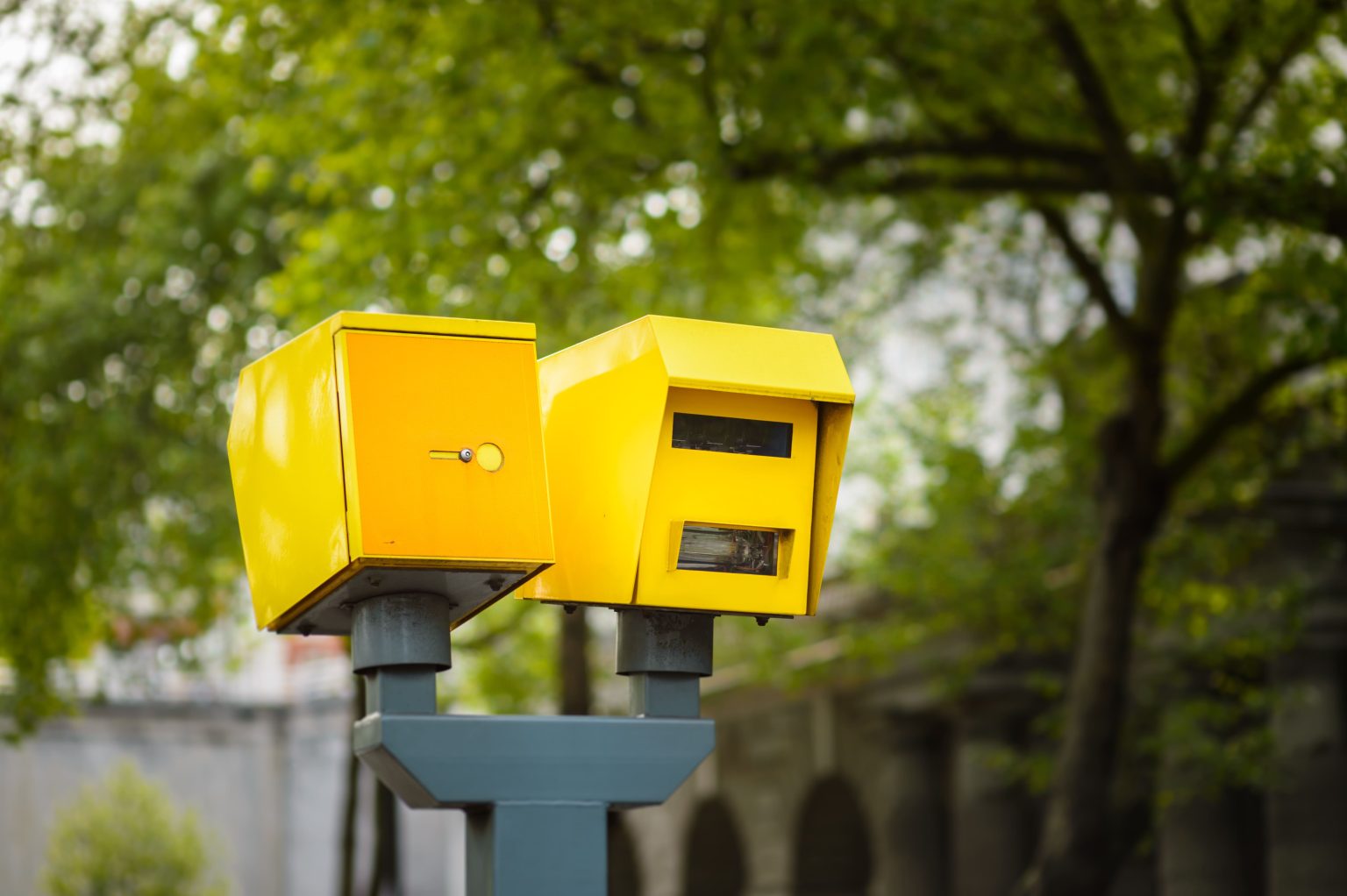
Traffic light cameras are high-speed industrial optical enforcement systems deployed at roadways and signalized intersections.
- Purpose: Municipal traffic monitoring, automated red-light violation recording, and speed enforcement.
- Mechanism: Interfaced directly with traffic signal controllers and embedded road sensors (such as inductive loops or radar sensors), these cameras trigger multi-frame high-resolution bursts or video clips when a vehicle enters an intersection after a signal turns red. Integrated high-power strobe lights or infrared flash banks illuminate vehicle license plates clearly regardless of ambient daylight or weather conditions.
5. Structured Light and Multi-Spectral Cameras
Structured light cameras project known patterns of visible or near-infrared light grids onto physical objects to calculate spatial contours.
- Purpose: Biometric facial recognition systems, 3D body scanning, robotic bin-picking, and biomedical diagnostic imaging.
- Mechanism: An active projector casts a projected light grid onto a target. As the geometric grid deforms over three-dimensional contours, one or more offset optical camera sensors calculate depth displacements using triangulation algorithms to build high-density 3D spatial meshes.
Technical Specifications Across Light Camera Categories
Selecting or evaluating a light camera requires understanding how physical design parameters translate to functional performance. The following matrix compares the core engineering characteristics of the primary light camera types:
| Camera Category | Primary Spectrum / Sensor Type | Core Purpose | Typical Illumination Output | Key Technical Advantage |
|---|---|---|---|---|
| Security Floodlight Camera | Visible Light & Infrared CMOS (1/2.7" to 1/2.8") | Residential surveillance, deterrence, and yard lighting | Integrated LEDs (1,500 to 3,000 Lumens) | Dual-function active light deterrence with automated PIR motion triggers |
| Mirrorless / Optical Camera | Visible Spectrum Full-Frame or APS-C CMOS | Professional imaging, cinema, and photography | External flash / ambient daylight | High dynamic range (>14 stops), interchangeable glass optics |
| Light-Field (Plenoptic) Camera | Multi-lens micro-array on high-res CMOS | 3D visual reconstruction, post-capture focal adjustment | Ambient laboratory or industrial lighting | Captures directional ray vectors for dynamic digital refocusing |
| Traffic Enforcement Camera | High-speed Global Shutter CMOS Sensor | Municipal traffic monitoring and citation logging | Xenon strobe or high-power IR light banks | Synchronized sensor speed to capture high-velocity movement cleanly |
| Structured Light 3D Camera | Near-Infrared or Monochromatic Visible CMOS | Spatial modeling, biometric security, robotics | Patterned grid projector (Infrared/Laser) | High-precision millimeter sub-surface depth and geometry mapping |
Detailed Step-by-Step Mechanism: How Light Cameras Capture and Process Scenes
Understanding the operational workflow of a modern light camera system highlights how hardware components and software processing engines work together in milliseconds.
- Step 1: Photonic Collection
- Step 2: Optical Filtering
- Step 3: Photoelectric Conversion
- Step 4: ISP Processing
Step 1: Photonic Collection and Refraction
The camera's outer lens glass collects light rays reflecting off the target scene. As light transitions through air to glass elements, refraction bends the incoming rays. Multi-coated lens surfaces minimize spherical aberration, chromatic fringing, and internal reflection flare, focusing a crisp inverted optical image onto the sensor surface.
Step 2: Optical Filtering and Color Separation
Before photons reach the silicon photodiodes, they pass through an Optical Low-Pass Filter (OLPF) to prevent moiré pattern distortion, along with an IR-cut filter that blocks invisible thermal wavelengths (unless night-vision mode is engaged). The light then moves through a color filter matrix (such as the Bayer array), isolating red, green, and blue photon wavelengths for dedicated pixel sites.
Step 3: Photoelectric Conversion and Signal Amplification
Photons penetrate the silicon layer of each photodiode, releasing valence electrons via the photoelectric effect. Accumulated negative charges generate an analog voltage. In CMOS sensors, individual pixel amplifiers convert this charge to voltage right at the site, which is then digitized by high-speed analog-to-digital converters into binary values (typically 8-bit to 14-bit depth per color channel).
Step 4: Image Signal Processing (ISP) and Output Encoding
The raw binary stream reaches the camera's internal Image Signal Processor (ISP). The ISP performs complex computational calculations:
- Demosaicing: Interpolates color values across adjacent red, green, and blue pixels to generate full-color RGB data.
- Noise Reduction & Tone Mapping: Applies spatial and temporal algorithms to suppress noise in dark regions while balancing light highlight regions.
- Encoding & Output: Compress the final rasterized frames into H.264/H.265 streams for security transmission, RAW sensor data files for professional editing, or JPEG formats for immediate playback.
Deployment Considerations, Setup, and Maintenance
Installing or operating light camera systems—particularly outdoor security floodlights or industrial imaging units—requires attention to mounting physics, lighting constraints, and optical maintenance.
Lens Positioning and Angle Selection
Positioning determines both field of view and lighting efficiency. For outdoor security light cameras, mount units between 8 and 10 feet (2.4 to 3.0 meters) above the ground angled downward at approximately 30 degrees. This placement maximizes the range of Passive Infrared (PIR) heat sensors while keeping the camera lens high enough to prevent physical tampering.
Avoid facing light cameras directly toward reflective surfaces like metallic siding or direct sunlight paths, as extreme backlighting overwhelms the sensor's dynamic range, causing target washout.
CAMERA MOUNTING TIPS
- Ideal Height: 8 to 10 feet (2.4 - 3.0 meters) above ground
- Downward Angle: Approximately 30 degrees
- Avoid Direct Rays: Prevent sun reflection and strong highlights
- Clear Path: Keep lenses free from trees, gutters, and overhangs
Power Infrastructure and Light Lumens
Integrated security light cameras require robust electrical current due to high-output LED arrays. While standard battery-powered cameras operate on minimal voltage, floodlight camera systems usually require hardwired 100V–240V AC connections to power 1,500 to 3,000-lumen light arrays reliably.
When choosing brightness levels, ensure the output illuminance matches the field of view:
- 1,000 to 1,500 Lumens: Suitable for small patios, side walkways, and narrow entryways.
- 2,000 to 3,000+ Lumens: Recommended for wide driveways, open backyards, and commercial building fronts.
Troubleshooting Common Operational Issues
- Lens Flare and Image Washout: If nighttime video appears hazy or fully white when LEDs activate, clean environmental residue off the outer lens glass using microfiber cloths and optical cleaner. Inspect the casing hood to ensure the light array output does not bounce directly into the front glass edge.
- False Motion Alerts from Integrated Lights: Sudden illumination shifts can trick basic pixel-matching motion algorithms into recording false events. Upgrade camera settings to use combined PIR thermal detection and AI-based human/vehicle detection rather than simple optical frame changes.
- Infrared Glare at Night: If an integrated light camera relies on IR night vision LEDs, check for spider webs, dust accumulation, or nearby walls that reflect IR light straight back into the optic sensor, triggering auto-exposure software to darken the surrounding scene.
Frequently Asked Questions
What is the difference between a floodlight security camera and a light bulb camera?
A floodlight security camera is a larger, hardwired outdoor enclosure featuring high-output light panels (1,500–3,000+ lumens) designed for broad illuminated area coverage. A light bulb camera is a compact unit designed to screw directly into a standard light socket (E26/E27), offering lower illumination output (typically 300–800 lumens) intended primarily for ambient porch lighting and basic doorway monitoring.
How does a light-field (plenoptic) camera refocus photos after capture?
Light-field cameras place a specialized array of micro-lenses between the main camera lens and the optical sensor. This array records both the intensity of light rays and their precise physical direction. Dedicated computational software uses this directional ray dataset to recalculate how light would converge at different focal distances, letting users change focus points virtually after taking the photo.
Why do security light cameras switch to infrared mode in low light?
When ambient lighting drops below the sensitivity threshold of the camera sensor photosites, visible color recording introduces extreme digital noise and visual blur. Switching to infrared (IR) light mode engages secondary IR LEDs that illuminate the area with long-wavelength light visible to the sensor, producing sharp, high-contrast monochrome images in total darkness.
Can bright direct lighting damage a camera's image sensor?
Extended exposure to concentrated direct light sources—such as intense industrial lasers or high-magnification direct sunlight focused through telephoto glass optics—can permanently damage silicon photodiodes and destroy sensor color filters. Standard ambient daylight or typical home LED light output will not damage modern CMOS sensors under normal auto-shutter operating conditions.
How do traffic light cameras distinguish between speeding cars and red-light violations?
Traffic light cameras connect to physical trigger loops installed beneath the road surface or real-time radar modules integrated into the signal housing. Red-light cameras activate their optical recording frames only when a vehicle crosses the stop line induction loop after the signal controller has switched to a solid red light phase. Speed enforcement cameras use continuous radar tracking to calculate vehicle velocity prior to firing high-speed bursts.
Selecting and Deployment Guidance for Light Camera Systems
To choose and deploy the ideal light camera configuration for your specific application, follow these implementation steps:
- Define Primary Intent: Determine whether your application requires environmental illumination deterrence (security floodlights), precision image capture (mirrorless/optical), advanced 3D spatial recording (structured light/plenoptic), or high-velocity event recording (traffic/enforcement systems).
- Evaluate Environmental Lighting Requirements: Assess your environment's ambient light levels. If installing an outdoor security light camera, select an LED output rating matching your area's scale—1,500 lumens for small side yards or up to 3,000 lumens for expansive driveways. Ensure the IP weather resistance rating is IP65 or higher for outdoor exposure.
- Verify Sensor and Lens Specifications: Match sensor resolution (minimum 1080p, ideally 4K for detailed monitoring) with an adequate dynamic range rating. Wide dynamic range (WDR) processing is essential for scenes with severe shadow and light contrasts.
- Optimize Network and Power Hardware: Hardwire high-output lighting units to stable mains power, ensuring adequate Wi-Fi 6 signal strength or PoE (Power over Ethernet) data connectivity at the installation point to prevent frame drops during real-time video transmission.