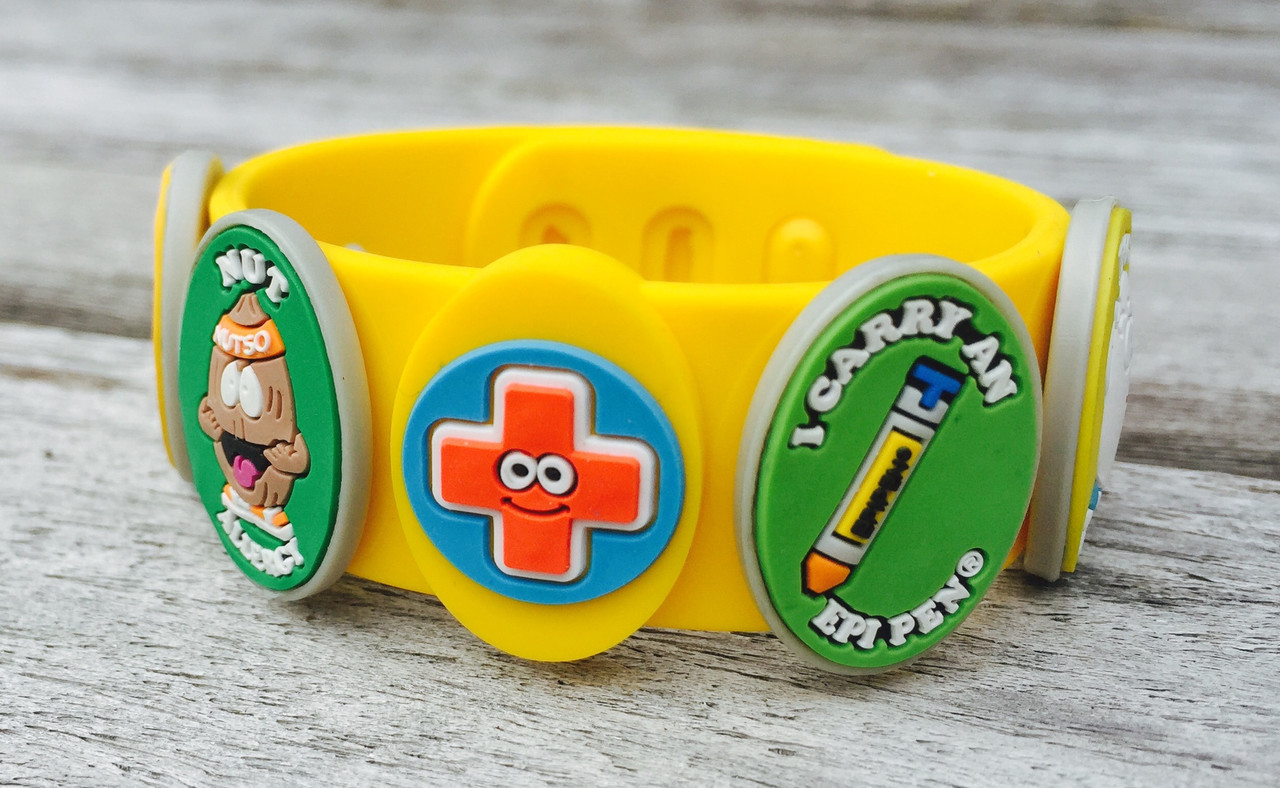
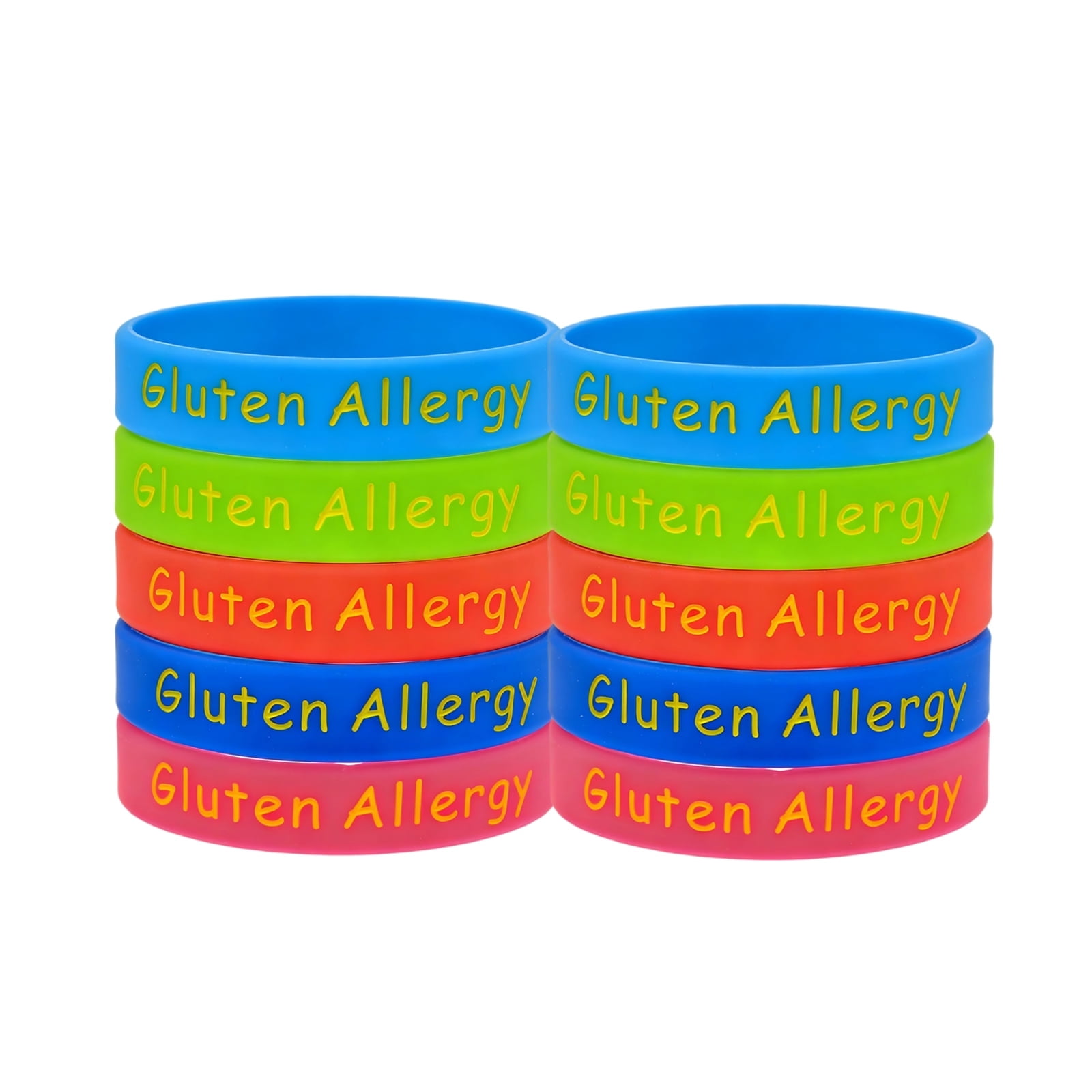
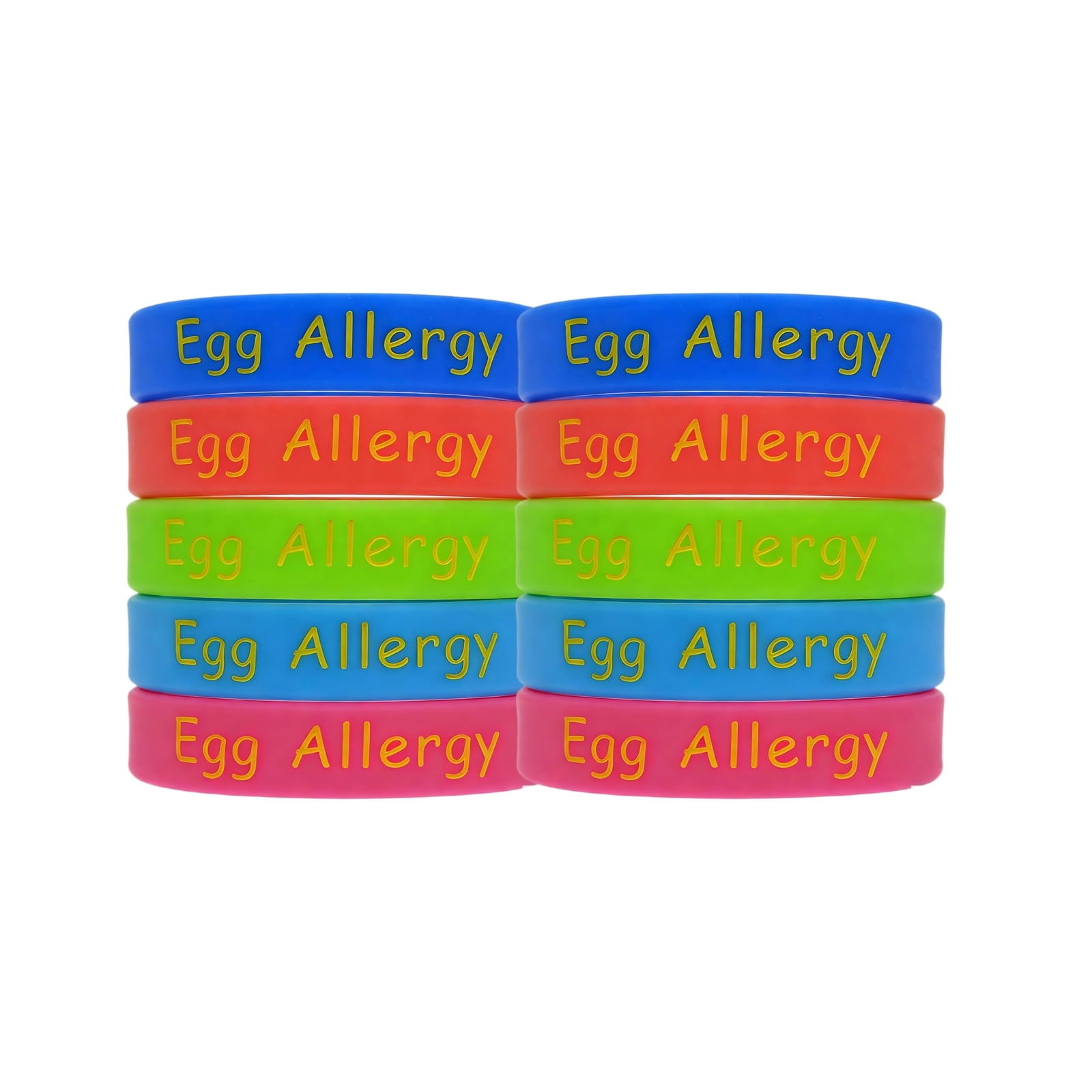
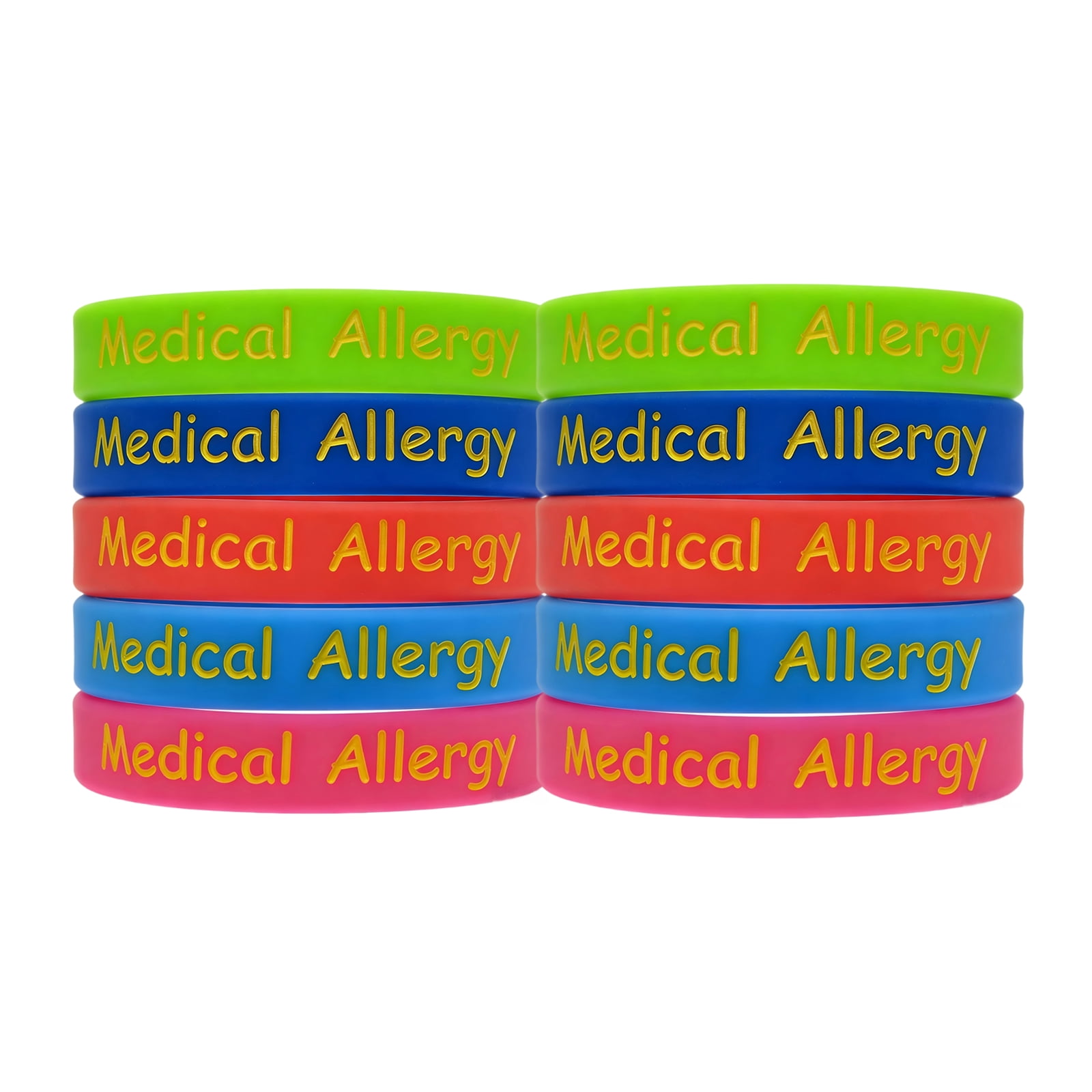
A kids allergy bracelet is a specialized medical identification wristband designed to instantly inform teachers, caregivers, and emergency medical personnel about a child’s severe allergies or health conditions. By displaying critical details such as food or drug triggers and emergency contact numbers, these bracelets reduce treatment delays during anaphylactic events and lower the risk of accidental exposure in school or daycare environments.
Medical Disclaimer: This article is for informational purposes only and does not substitute for professional medical advice, diagnosis, or treatment. Always consult a board-certified pediatrician or allergist to develop an individualized allergy action plan for your child.
What Is a Kids Allergy Bracelet and Why Is It Necessary?
A pediatric medical identification bracelet serves as a continuous safety signal for children living with food, environmental, insect, or medication allergies. Unlike adults, young children often lack the verbal ability, self-awareness, or emotional composure to explain their medical status during a severe allergic reaction. When symptoms of anaphylaxis occur—such as airway constriction, hives, swelling, or sudden drops in blood pressure—first responders and bystanders need immediate access to medical facts.
In group settings like schools, summer camps, sports leagues, and daycare facilities, staff members manage dozens of children simultaneously. A bright, clearly marked allergy bracelet acts as a visual prompt before meals, snacks, or medical emergencies occur. According to data maintained by Food Allergy Research & Education (FARE), roughly 1 in 13 children in the United States lives with food allergies, making clear identification a vital component of school safety protocols.
Beyond identifying food items like peanuts, tree nuts, milk, eggs, wheat, soy, fish, and shellfish, medical alert wristbands can highlight risks associated with insect stings, latex sensitivities, or medications such as penicillin. By wearing an alert tag, a child carries their essential medical status directly on their wrist, ensuring that proper care protocols—such as administering an epinephrine auto-injector—are initiated without unnecessary delay.
Core Safety Benefits of Allergy ID Bracelets for Children
Medical identification wristbands offer several direct safety and operational benefits for families managing pediatric allergies:
- Rapid Emergency Identification: In an emergency, first responders are trained to check a patient's wrists and neck for medical alert symbols. Immediate identification ensures emergency medical technicians (EMTs) administer epinephrine quickly rather than misdiagnosing symptoms as standard asthma attacks or panic responses.
- Prevention of Accidental Exposure: Colorful or character-themed bracelets remind teachers, lunchroom monitors, and playdate hosts not to share food or introduce potential triggers.
- Empowerment and Self-Advocacy: Wearing a dedicated medical bracelet helps children recognize their condition without fear. Over time, it encourages them to take ownership of their health by learning to show their wristband to adult supervisors when offered unfamiliar food.
- Location of Emergency Medications: Custom engraving allows parents to specify where emergency medication is stored, using brief directives such as "EpiPen in Front Backpack Pocket" or "Asthma Inhaler in Nurse Office."
- Peace of Mind for Parents: Sending a child with severe allergies to school or field trips introduces anxiety. A visible ID bracelet reassures parents that caregivers have immediate access to health instructions even if phone contact is briefly delayed.
Types of Kids Allergy Bracelets: Materials and Designs
Selecting the right type of medical ID depends on your child's age, sensory preferences, activity level, and daily routine. Medical alert jewelry has evolved from basic metal tags into diverse styles tailored for toddlers, young children, and style-conscious pre-teens.
- Pediatric Allergy Bracelets
- Silicone & Rubber
- High durability
- Great for swimming
- Fabric & Velcro
- Soft, adjustable
- Ideal for toddlers
- Metal & Steel
- Classic, durable
- Long-term wear
- Smart / QR & NFC
- High data volume
- Requires smartphone
- Silicone & Rubber
1. Silicone and Rubber Wristbands
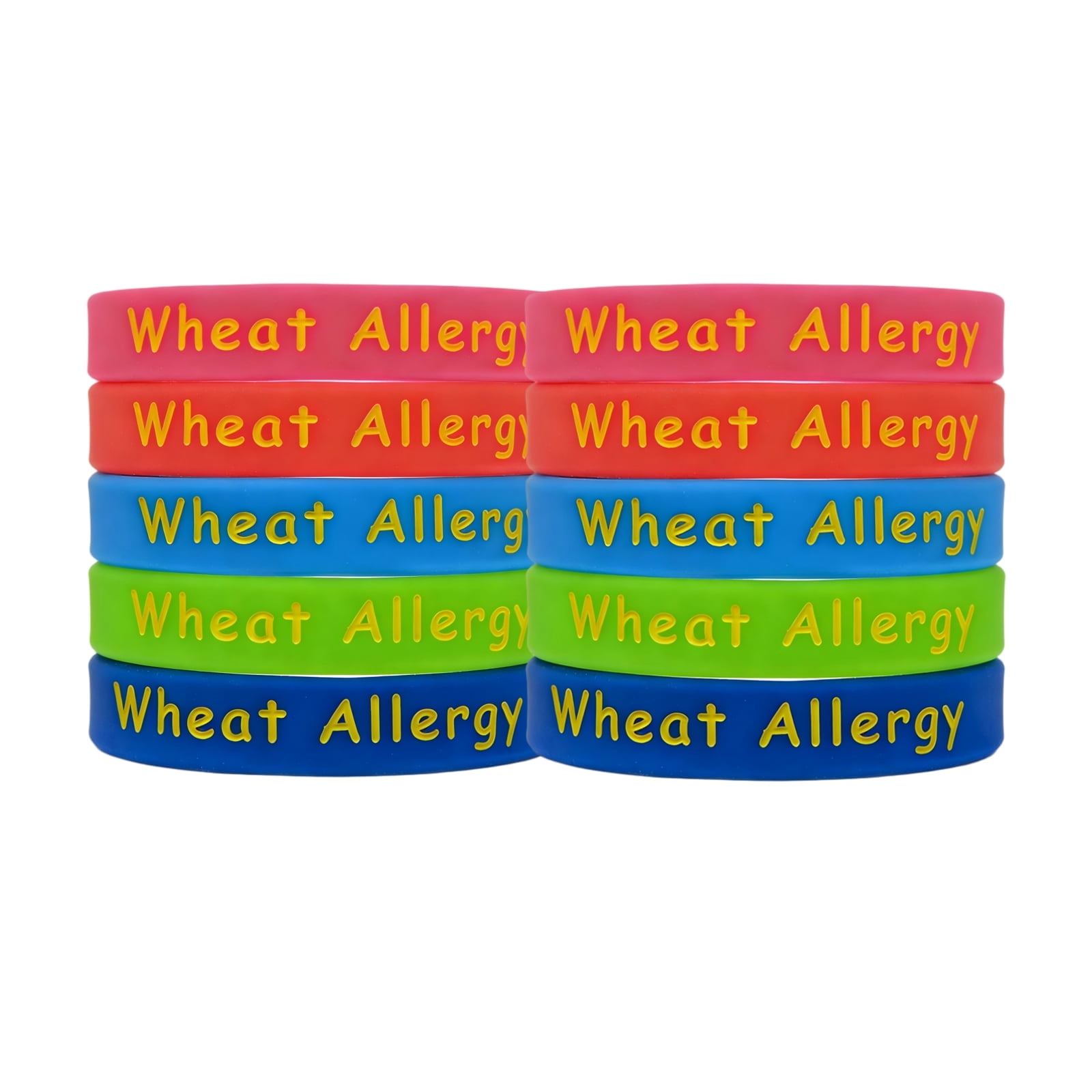
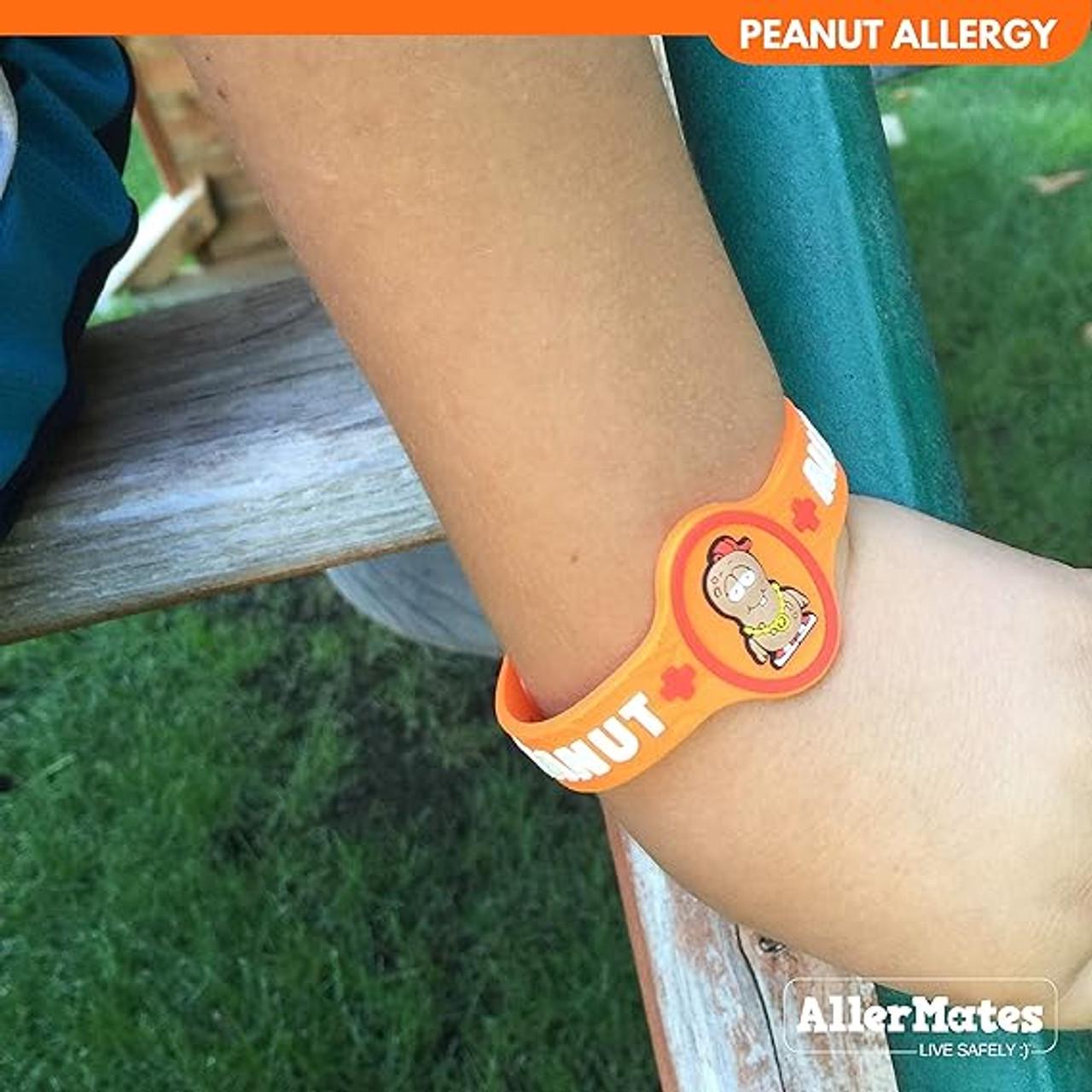
Silicone wristbands are among the most popular options for school-aged children. They are flexible, 100% waterproof, and immune to rust or corrosion.
- Pros: Highly durable, comfortable for 24/7 wear, washable, and available in vibrant color-coded options (such as bright red or yellow) featuring multi-allergen icons.
- Cons: Silicone can stretch over time. Printed lettering on cheaper models may fade or rub off with friction, making debossed or color-filled text necessary for longevity.
2. Fabric and Adjustable Velcro Straps
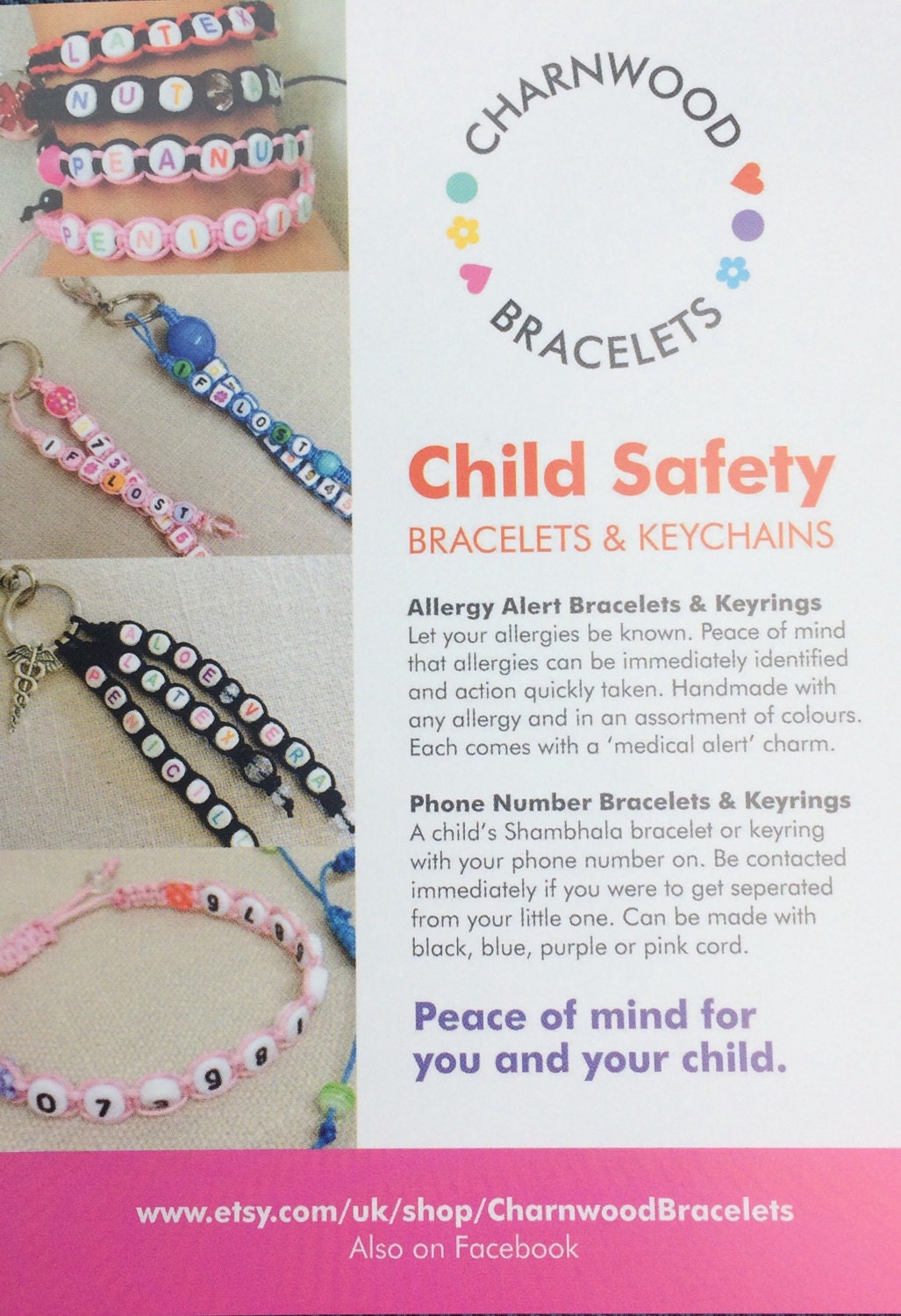
Fabric wristbands use soft nylon or polyester webbing secured with adjustable Velcro or plastic snaps.
- Pros: Highly adjustable, making them ideal for growing toddlers with small wrists. Soft edges minimize skin irritation, which is particularly beneficial for children with eczema or sensory processing sensitivities.
- Cons: Fabric absorbs water and sweat, requiring frequent washing to prevent odors and bacterial growth. Velcro fasteners can lose grip over time if exposed to dirt or lint.
3. Metal and Stainless Steel Jewelry
Traditional metal bracelets consist of a stainless steel, sterling silver, or titanium plate attached to a curb chain or expandable band.
- Pros: Stainless steel and titanium are durable, scratch-resistant, and difficult for young children to remove accidentally. They offer precise laser engraving that will not rub off over time.
- Cons: Metal can feel cold, heavy, or uncomfortable for young toddlers. Low-grade metal alloys containing nickel can trigger allergic contact dermatitis, so selecting surgical-grade stainless steel or sterling silver is essential.
4. Smart, QR Code, and NFC Medical Identification
Smart allergy bracelets integrate traditional visual alerts with modern technology. These bands feature an engraved QR code or an embedded Near Field Communication (NFC) chip that can be scanned with a smartphone.
- Pros: Unlimited storage capacity. Instead of fitting two short phone numbers on a small metal tag, parents can link the bracelet to a secure online profile containing full medical histories, physician details, emergency action plans, multiple contact numbers, and health insurance information.
- Cons: First responders or school staff must have a compatible smartphone and cellular data service to access the full record. Printed fallback information on the exterior remains mandatory in case of low battery or poor cell reception.
Comparing Kids Allergy Bracelet Types
The table below outlines key features across the major categories of pediatric allergy bracelets to help families compare options based on practical daily requirements.
| Bracelet Type | Best Age Group | Water Resistance | Durability | Information Capacity | Key Maintenance Requirement |
|---|---|---|---|---|---|
| Silicone / Rubber | 3–12 Years | Excellent (100% Waterproof) | High | Moderate (Debossed text/icons) | Regular cleaning with mild soap |
| Fabric / Velcro | 1–5 Years (Toddlers) | Low to Moderate (Retains water) | Moderate | Moderate (Slide-on ID tag) | Hand-washing and air drying |
| Stainless Steel / Metal | 6–16+ Years | High (Corrosion resistant) | Very High | High (Deep laser engraving) | Periodic polishing; check clasp security |
| Smart (QR / NFC) | 8–16+ Years | Varies by band material | High | Unlimited (Digital profile) | Updating online profile details periodically |
How to Choose the Right Allergy Bracelet for Your Child
Selecting a medical identification band requires balancing practical safety features with your child's personal comfort and daily routines. Evaluating the following criteria helps ensure the chosen bracelet stays on your child's wrist and remains readable.
1. Evaluate Wrist Size and Fit
An ill-fitting bracelet poses safety risks. If a band is too loose, it can catch on playground equipment or slip off during sports activities; if it is too tight, it may cause skin irritation or impede circulation.
- Measurement Tip: Wrap a soft measuring tape around your child’s wrist bone, then add 0.5 inches (1.3 cm) for a comfortable fit.
- For toddlers and rapidly growing children, choose designs with adjustable watch-style buckles, stretchable silicone, or Velcro straps.
2. Assess Material Durability and Skin Sensitivity
Children with severe food allergies frequently experience co-occurring skin conditions like eczema or sensitive skin.
- Look for hypoallergenic materials such as surgical-grade 316L stainless steel, food-grade silicone, or latex-free plastics.
- Avoid cheap costume metals containing nickel, lead, or cadmium, which can induce contact dermatitis. Guidelines from the American Academy of Pediatrics (AAP) emphasize choosing medical items that minimize skin breakdown to prevent secondary infections.
3. Verify Visual Clarity and Text Legibility
The primary goal of a medical ID is fast readability. High-contrast designs—such as dark laser engraving on a light metal plate or white text debossed into a red silicone band—are much easier to read during a high-stress medical event than tonal or decorative fonts. Ensure the international medical symbol (the Star of Life or Caduceus) is prominently displayed on the outside face of the bracelet.
4. Consider Clasp and Closure Security
Toddlers and younger children often attempt to remove unfamiliar accessories. For children under five years old, select child-resistant closures, such as double-locking side release buckles, screw-pin fasteners, or slide-on band charms that require adult assistance to take off. Older children may prefer simple magnetic or watch-style closures that they can manage independently during physical education classes.
Essential Information to Engrave or Print on the Bracelet
Space on a physical medical ID tag is limited. Prioritize concise, clear details to maximize emergency utility.
| Side | Details |
|---|---|
| FRONT OF TAG | [Star of Life Symbol]SEVERE PEANUT / TREE NUT ALLERGYEPIPEN IN BACKPACK |
| BACK OF TAG | ALEX SMITHICE 1: 555-019-2831 (MOM)ICE 2: 555-014-9923 (DAD) |
Essential Lines to Include:
- Primary Medical Condition or Allergen: State the specific allergen clearly (e.g., "Severe Peanut Allergy", "Penicillin Allergy", "Type 1 Diabetes"). Use explicit terms like "Severe" or "Anaphylactic" to convey urgency.
- Emergency Action / Medication Directives: Indicate key instructions or medication locations (e.g., "Carries EpiPen", "Auvi-Q in Bus Bag").
- Emergency Contact Numbers (ICE): Include at least two emergency telephone numbers with area codes, clearly labeled with caregiver roles (e.g., "ICE Mom: 555-0123").
Privacy Considerations Regarding Names:
Pediatric safety experts often recommend placing the child’s first name on the inside or back of the metal plate, or omitting the full name entirely in favor of emergency contact numbers. This prevents strangers from using a child's name to gain false trust in public spaces while retaining critical medical identification for healthcare providers.
Best Practices for Encouraging Your Child to Wear Their Medical ID
Getting a young child or pre-teen to wear a medical bracelet consistently can present behavioral challenges. Parents can adopt several strategies to build daily wearing habits:
- Involve Them in the Selection Process: Let your child choose their favorite band color, design, or character theme. When children feel ownership over an accessory, compliance increases significantly.
- Establish a Morning Routine: Treat putting on the allergy bracelet like brushing teeth or putting on shoes. Place the bracelet next to their toothbrush or lunchbox every night so it becomes an automatic step in the morning routine.
- Explain the "Why" in Age-Appropriate Terms: Help your child understand that the bracelet acts as a helpful safety shield. For younger children, frame it as a special wristband that tells adults how to keep their tummy happy and safe.
- Provide a Backup Option: Keep a secondary, low-cost silicone bracelet inside your child's primary school backpack or locker in case their primary bracelet is lost or left behind during morning preparation.
- Normalize the Practice: Point out athletes, book characters, or peers who wear medical identification to show your child that wearing health alerts is common and responsible.
Frequently Asked Questions
Should my child wear an allergy bracelet if they already carry an epinephrine auto-injector bag?
Yes. While an epinephrine carrying case is essential, bags can be set down, mislaid, or stored in a classroom cubby during outdoor recess or gym class. A medical alert bracelet remains attached to your child's wrist at all times, alerting staff to search for the medication bag immediately during an emergency.
What is the difference between printed, debossed, and laser-engraved text?
Printed text applies ink onto the surface of a band and can wear off after weeks of friction or washings. Debossed text indents the lettering into silicone, making it longer-lasting; high-quality versions fill these indentations with contrasting ink. Laser engraving burns deep, precise lettering into metal plates, offering superior legibility and long-term resistance to wear.
Are digital QR code bracelets safe for young children?
Digital QR code and NFC bracelets are safe and offer detailed profile storage, but they should serve as a complement to, rather than a replacement for, direct text alerts. In an emergency, first responders must immediately read the core allergen (such as "Severe Bee Sting Allergy") directly off the tag without needing to unlock a smartphone, scan a code, or load a webpage.
Can my child wear their medical bracelet while swimming or bathing?
It depends on the material. 100% silicone, rubber, and surgical-grade stainless steel bracelets are fully waterproof and safe for pool and shower use. Fabric, leather, and plated metals should be removed before swimming or bathing to prevent fabric mildew, leather degradation, or metal tarnishing.
Next Steps: Preparing Your Child's Comprehensive Allergy Action Plan
Choosing and customizing an allergy identification bracelet is an essential step in safeguarding your child's health, but it should function as part of a broader pediatric allergy safety plan.
To ensure complete coverage across all daily environments:
- Schedule an Annual Review: Work with your pediatrician or board-certified allergist to update your child's written Emergency Action Plan before every school year.
- Coordinate with Caregivers: Provide signed copies of the medical action plan along with unexpired epinephrine auto-injectors to school nurses, teachers, daycare staff, and athletic coaches.
- Inspect Equipment Regularly: Periodically check your child's allergy bracelet for wear, illegible text, or weak clasps, updating contact numbers immediately if a caregiver's phone number changes.
Combining a durable, legible medical ID wristband with clear adult communication ensures your child remains protected, supported, and empowered wherever their day takes them.