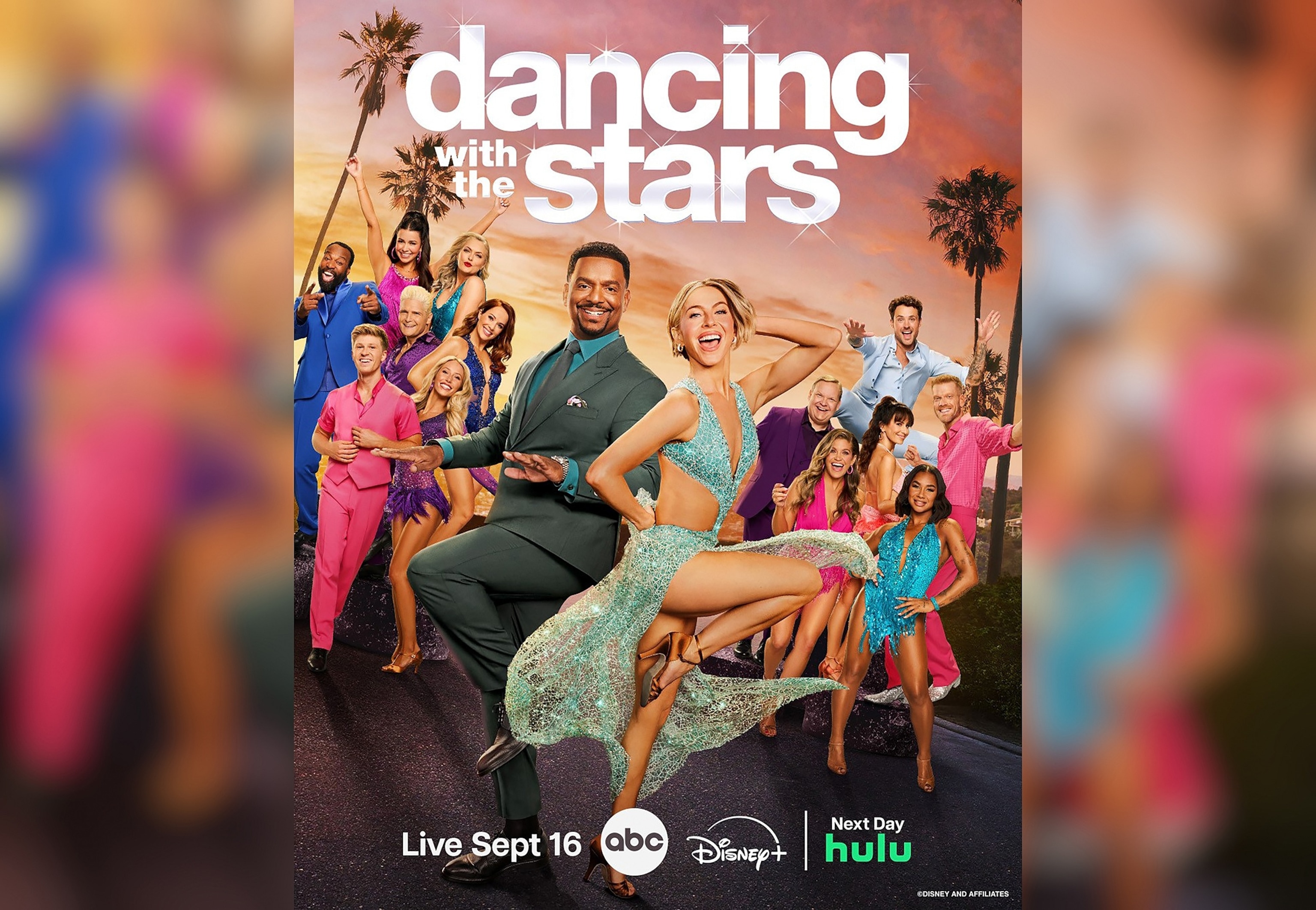
Dancing with the Stars (DWTS) is a premier American reality competition series adapted from the BBC franchise Strictly Come Dancing. The show pairs famous personalities from sports, entertainment, and pop culture with professional ballroom dancers to execute live weekly routines. Evaluated by a panel of expert judges alongside nationwide public balloting, contestants compete through structured elimination rounds to win the prestigious Mirrorball Trophy.
Core Competition Format and Scoring Structure
The fundamental mechanics of Dancing with the Stars rely on a balanced dual-scoring framework. Each week, celebrity-professional pairs prepare one or more ballroom, Latin, or specialized dance styles—ranging from the Cha-Cha, Foxtrot, and Paso Doble to Contemporary and Jazz.
Total Score = (Judges' Combined Points converted to %) + (Public Votes converted to %)
The Judging Panel and Point Allocation
A panel of standardly three or four professional judges evaluates each routine on technical execution, musicality, posture, choreography difficulty, and performance quality. Each judge awards a score from 1 to 10 points, creating a theoretical maximum score of 30 (with three judges) or 40 (with four judges).
In addition to standard routines, seasons frequently introduce specialized competition segments:
- Dance Marathons: All remaining couples take the floor simultaneously. Judges eliminate couples one by one, awarding bonus points based on endurance and technique.
- Dance Offs / Relays: Head-to-head performance rounds where judges directly compare two couples executing the same dance style to award crucial bonus points.
- Team Dances: The cast is divided into two groups to choreograph and perform a large group routine, adding collective point values to individual totals.
Combining Scores and Public Voting
To determine weekly eliminations, the total panel points earned by a couple are converted into a percentage of the total points awarded across all couples that night. Simultaneously, the public's votes are converted into a percentage of total audience votes cast.
These two percentage figures are added together. The couple with the lowest combined total percentage is placed in danger of elimination or sent home directly, depending on whether the season incorporates the Judges' Save rule. When active, the Judges' Save allows the panel to choose which of the bottom two couples remains in the competition, emphasizing technical merit over pure popularity.
Evolution of Hosts, Judges, and Network Broadcasting
Since its debut on ABC on June 1, 2005, Dancing with the Stars has undergone several operational, structural, and network shifts while maintaining its central identity.
Host Lineup Transformations
The host acts as the logistical anchor of the live broadcast, conducting post-dance interviews and managing tight television timing:
- Tom Bergeron (Seasons 1–28): The foundational host of the franchise, who guided the series for 15 years alongside co-hosts Lisa Canning (Season 1), Samantha Harris (Seasons 2–9), and Erin Andrews (Seasons 18–28).
- Tyra Banks (Seasons 29–31): Took over hosting duties in 2020, introducing a solo hosting dynamic before being joined by Season 19 champion Alfonso Ribeiro in Season 31.
- Alfonso Ribeiro and Julianne Hough (Season 32–Present): Ribeiro shifted to lead host on the main floor, while former professional dancer and judge Julianne Hough assumed co-hosting duties in the skybox area.
- [2005-2019] Tom Bergeron (w/ Harris, Andrews)
- [2020-2022] Tyra Banks
- [2023-Present] Alfonso Ribeiro & Julianne Hough
The Judging Table
The primary judging panel has historically featured industry veterans:
- Len Goodman: Served as Head Judge for most of the show's history until his retirement after Season 31 and subsequent passing in 2023. The show honored his legacy by renaming the main prize the Len Goodman Mirrorball Trophy.
- Carrie Ann Inaba: Continuous judge since Season 1, focusing heavily on lift violations, precise posture, and emotional connection.
- Bruno Tonioli: Continuous judge since Season 1, known for animated feedback, performance artistry, and Latin dance line evaluation.
- Julianne Hough: Served as a permanent judge for Seasons 19–21 and Season 23 before transitioning later to co-hosting.
- Derek Hough: Six-time professional champion who joined the main judging panel permanently starting in Season 29.
Network Distribution Dynamics
While Dancing with the Stars built its audience as an ABC network powerhouse, Season 31 (2022) marked a historic shift when the series moved exclusively to Disney+, making it the first live competition series to air on a direct-to-consumer streaming service in North America. Following successful viewership metrics, Season 32 restored the program's traditional television footprint by establishing a simultaneous broadcast model on both ABC and Disney+, with next-day streaming available on Hulu.
Key Format Innovations Across Seasons
Over decades of broadcasting, producers have implemented structural twists to keep the format fresh and maintain engagement across long broadcast schedules.
| Era / Feature | Introduced | Format Impact and Operational Mechanics |
|---|---|---|
| All-Stars Season | Season 15 (2012) | Brought back past fan favorites and champions to compete in high-rigor, advanced routines. |
| Trios Week | Season 24 | Required couples to integrate a third dancer (often an eliminated pro or troupe member) into their routine. |
| The Judges' Save | Season 28 (2019) | Granted judges the authority to select which of the bottom two couples stays, mitigating premature fan-vote eliminations. |
| Disney+ Live Stream | Season 31 (2022) | Eliminated traditional commercial breaks, requiring continuous live commentary and real-time pacing adjustments. |
| Simulcast Model | Season 32 (2023) | Combined live network television broadcasts on ABC with uncompressed live streaming on Disney+. |
Behind the Scenes: Rehearsals, Music, and Production Mechanics
The operational scale of a live dance show requires synchronized efforts across music licensing, costume engineering, and strict rehearsal schedules.
WEEKLY PRODUCTION CYCLE:
- Mon (Live Show)
- Tue (Music & Style Assignment)
- Wed-Sat (Studio Rehearsals)
- Sun-Mon (Camera Blocking & Dress)
Professional Choreography and Rehearsal Caps
Professional partners act as full-time trainers, choreographers, and creative directors for their celebrity partners. Couples typically rehearse between 20 to 40 hours per week in dedicated dance studios located nationwide (depending on where the celebrity is working). The professional dancer conceptualizes every step, ensures compliance with strict ballroom regulations, and adapts routines to match their partner's physical capabilities.
Musical Arrangements and Live Orchestra
Music clearance is a massive administrative component of production. Clearances must be secured months or weeks in advance. While early seasons relied almost exclusively on the live performance of the Harold Wheeler Orchestra to adapt pop and rock hits into traditional ballroom tempos (e.g., forcing a modern pop song into a strict 28-bpm Rumba rhythm), modern seasons utilize a hybrid of live band performances, vocalists, and master track recordings.
Costuming and Wardrobe Engineering
The in-house wardrobe department designs custom outfits tailored to the exact specifications of each routine. Costumes must comply with style rules—such as floor-length gowns for the International Standard Waltz or flexible, lightweight attire for Latin routines—while remaining fully functional during high-impact lifts, spins, and floorwork.
Critical Rules: Lifts, Styles, and Theme Nights
To maintain the integrity of competitive dance while delivering television entertainment, the show enforces precise stylistic rules.
The No-Lift Rule
In traditional International Standard dances (Waltz, Tango, Viennese Waltz, Foxtrot, Quickstep), both feet of both partners must maintain contact with the floor unless executed as a natural jump or hop. Carrie Ann Inaba strictly enforces penalties for deliberate lifts in these categories. Lifts are explicitly allowed only in specified styles such as Salsa, Jazz, Argentine Tango, and the unrestricted Freestyle Finale.
Theme Night Integration
Modern seasons feature recurring theme nights that shape the music, costuming, and choreographic choices for the week. Key annual theme nights include:
- Disney Night: Celebrates tracks from the Disney media catalog, requiring precise thematic characterization.
- Most Memorable Year: Contestants select a pivotal year in their personal lives, serving as the emotional anchor for their routine.
- Monster Night / Halloween Night: Focuses on theatrical styling, heavy prosthetic makeup, and dark concept choreography.
- Artist Spotlights: Dedicates entire broadcasts to single musical catalogs, such as Taylor Swift, Whitney Houston, or Queen.
Frequently Asked Questions
How does the voting process work on Dancing with the Stars?
Audience members can cast their votes online via official network platforms or via SMS text messaging during the live broadcast window. Voting opens at the start of the live transmission and closes during the final commercial break. Votes are limited to a set number per voting method (typically 10 votes per account/phone number per couple).
What is the difference between the standard ballroom dances and Latin dances on the show?
Standard ballroom dances (such as the Waltz, Foxtrot, and Quickstep) focus on frame, continuous body contact, smooth gliding across the floor, and strict posture. Latin dances (such as the Cha-Cha, Samba, Rumba, and Paso Doble) emphasize Cuban motion (hip action), isolated body movements, rhythm modifications, and dynamic partner interactions.
How are the professional dancers paired with celebrity contestants?
Executive producers pair celebrities with professional partners based on physical height compatibility, personality dynamics, teaching styles, and geographical logistics. In some instances, producers conduct chemistry tests prior to official casting announcements.
What is the Len Goodman Mirrorball Trophy?
The Len Goodman Mirrorball Trophy is the ultimate award given to the winning celebrity and professional dancer at the conclusion of each season. Formerly called the Mirrorball Trophy, it was officially renamed in 2023 to honor long-time Head Judge Len Goodman following his passing.
Can judges award fractional points or decimals?
No. Judges may only award whole integer scores between 1 and 10 per couple for standard performances. Decimal scoring has never been implemented in the official scoring protocol of the American series.
How to Follow and Track Active Seasons
To stay updated on current broadcasts, casting announcements, and competitive developments:
- Verify Broadcast Schedules: Check official listings on ABC and Disney+ during the premiere windows (typically launching every September).
- Monitor Live Voting Windows: Ensure your network account is active before live broadcasts to participate in real-time voting, particularly if residing in time zones where live viewing requires early digital access.
- Review Standard Rulebooks: Follow official press releases from Disney General Entertainment Content for season-specific twists, guest judge announcements, and theme night schedules.