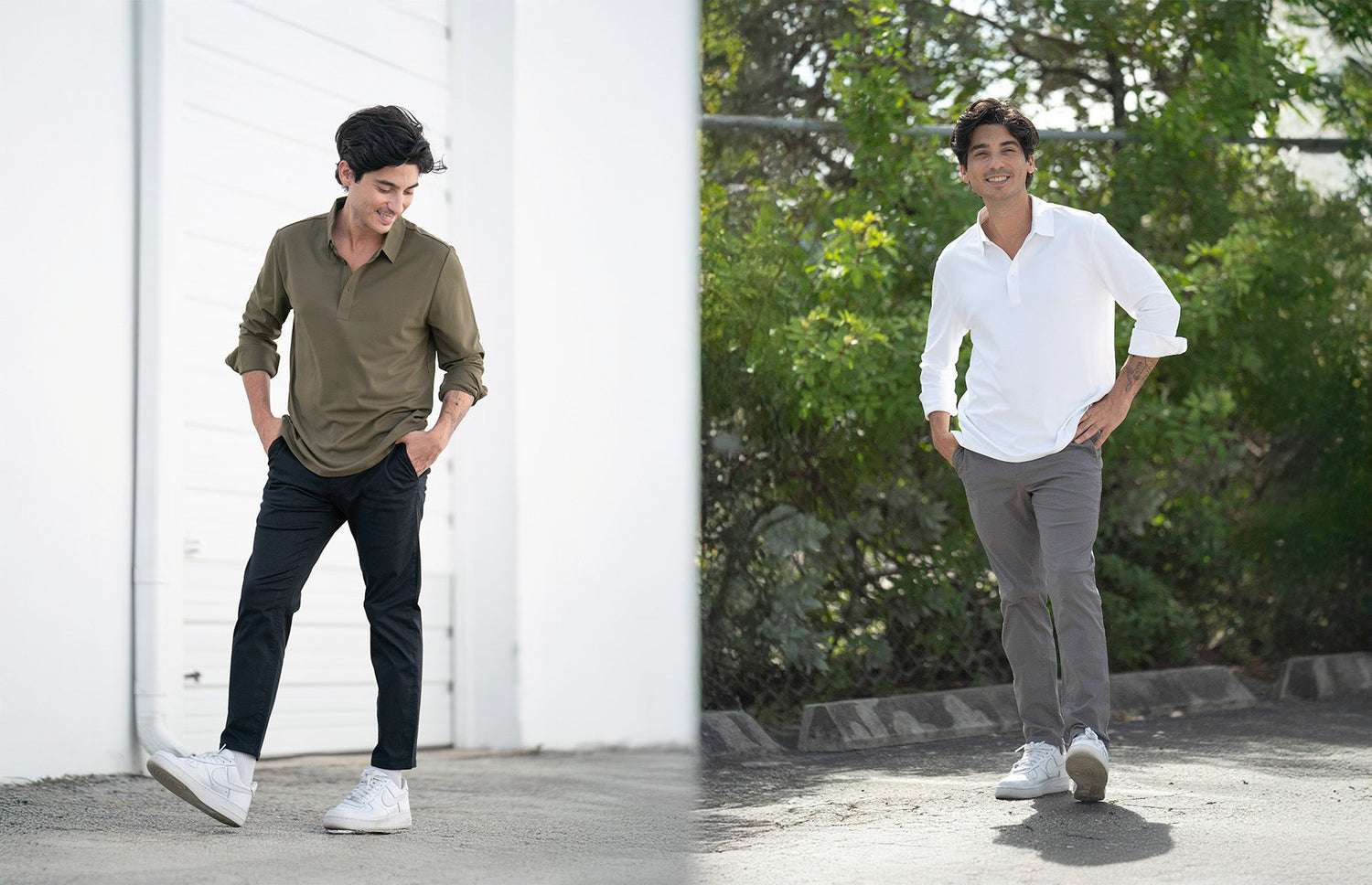
Mastering your wardrobe does not require an endless collection of clothing; it requires a systematic 11-outfit framework that spans every social, professional, and formal dress code. By understanding the core formula for each tier—from off-duty casual to ultra-formal white tie—you can effortlessly navigate any invitation, dress code prompt, or seasonal event with confidence and style precision.
The Modern Dress Code Matrix: Why 11 Outfits Cover Everything
Navigating dress codes often feels overwhelming due to shifting cultural norms and blurred boundaries between formal and relaxed attire. However, every social gathering, corporate setting, and evening celebration falls into one of eleven distinct dress code categories.
Understanding this 11-outfit architecture allows you to streamline your closet while ensuring you are never underdressed or awkwardly overdressed. Rather than buying single-use garments for every new event, building a functional wardrobe around these eleven templates creates maximum versatility through modular pairing.
To successfully execute these outfits, focus on three primary variables: silhouette (how tailored or relaxed the fit is), fabric texture (matte cottons versus lustrous wools and silks), and formality of footwear. Adjusting these three elements allows you to transition seamlessly across the entire spectrum of modern dress requirements.
Everyday & Casual Categories (Outfits 1 to 4)
Casual dress codes are often the hardest to define because they lack strict rules. The secret to elevated casual wear lies in fit, clean lines, and premium fabrics.
Casual Spectrum:
- Outfit 1: Off-Duty Casual
- Outfit 2: Smart Athleisure
- Outfit 3: Smart Casual
- Outfit 4: Resort Casual
Outfit 1: Off-Duty Everyday Casual
- Primary Settings: Weekend errands, informal coffee catch-ups, casual travel days.
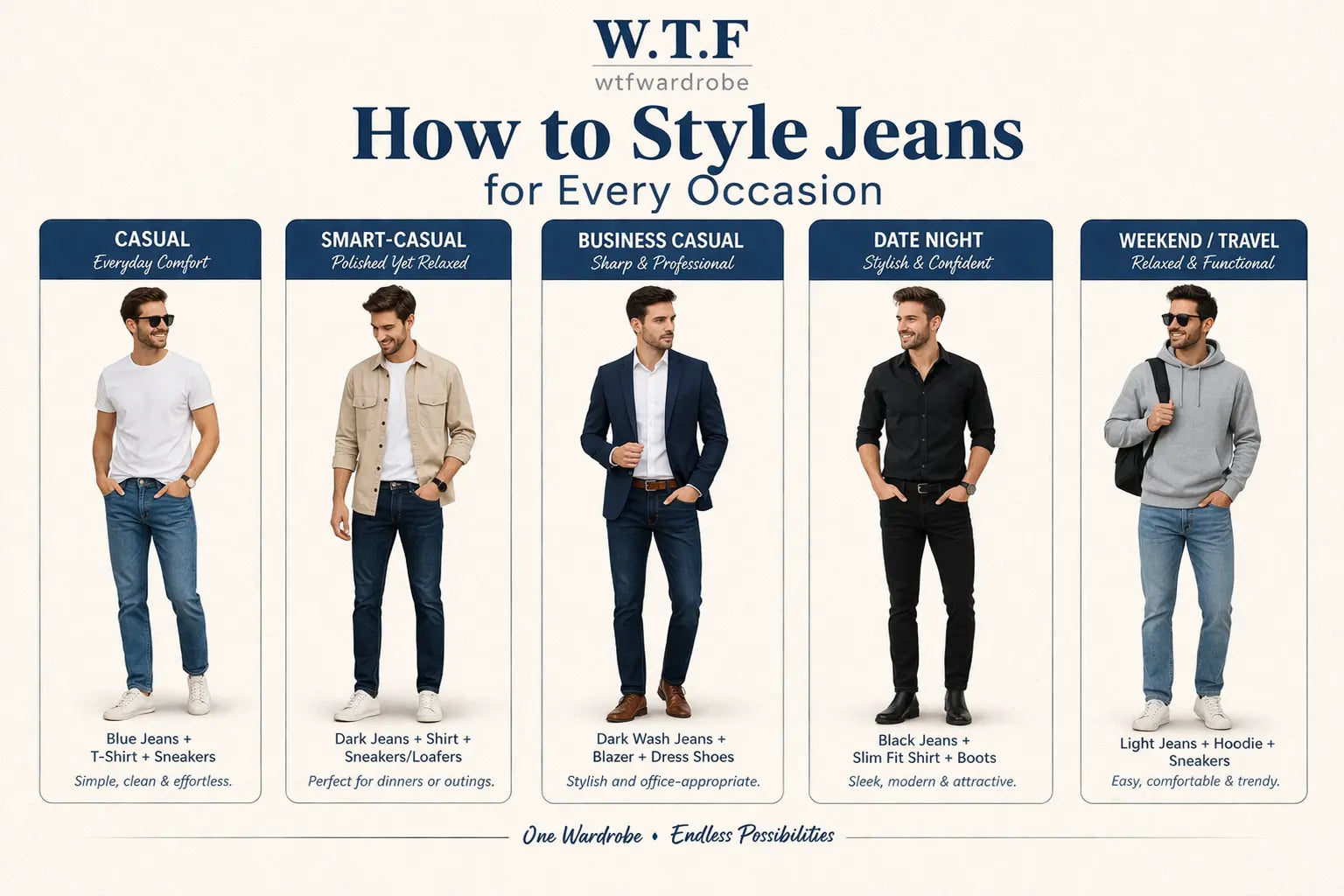
- The Formula: High-quality cotton T-shirt or henley + well-fitted slim or straight denim/chinos + clean minimal sneakers + casual outer layer (denim jacket, overshirt, or bomber).
- Execution Details: Off-duty style should feel relaxed but intentional. Avoid worn-out graphic tees or overly baggy silhouettes. Focus on heavyweight cotton tops and dark-wash jeans or neutral-toned chinos (navy, olive, or beige). A clean pair of low-profile white leather sneakers keeps the ensemble polished without trying too hard.
Outfit 2: Smart Athleisure
- Primary Settings: Transit days, casual remote work settings, daytime outdoor activities.
- The Formula: Tailored tech-fabric joggers or slim sweatpants + mercerized cotton crewneck sweatshirt or performance polo + sleek running/lifestyle sneakers + lightweight mid-layer.
- Execution Details: Smart athleisure is not gym wear; it is engineered comfort. Choose tapered trousers made from high-density jersey or technical stretch fabrics. Match them with a monochrome top and crisp, uncluttered footwear. Keep branding minimal to maintain a refined, adult aesthetic.
Outfit 3: Elevated Smart Casual
- Primary Settings: Weekend brunches, casual dinner dates, informal gallery openings, neighborhood gatherings.
- The Formula: Unstructured blazer or refined cardigan + button-down Oxford shirt or fine-gauge knit sweater + tailored chinos or dark selvedge denim + suede loafers or Chelsea boots.
- Execution Details: Smart casual bridges the gap between off-duty wear and workwear. The key is introducing structured elements like an unstructured wool or linen jacket over relaxed pieces like a knitted polo or soft cotton Oxford shirt. Opt for matte leather or suede footwear to signal sophistication without full formality.
Outfit 4: Resort & Tropical Casual
- Primary Settings: Warm-weather vacations, outdoor beach lunches, summer garden parties, poolside receptions.
- The Formula: Breathable linen or camp-collar shirt + tailored shorts or lightweight linen trousers + leather slides, espadrilles, or canvas loafers.
- Execution Details: Hot-weather dressing requires fabric prioritization. Seek out pure linen, linen-cotton blends, or lightweight seersucker. Keep fits airy and comfortable. Roll up shirt sleeves and pair light neutral shades (cream, sky blue, sand) with tasteful pops of color or subtle tropical prints.
Business & Professional Categories (Outfits 5 & 6)
Professional environments have evolved, but clear distinctions remain between day-to-day office wear and executive-level corporate attire.
Outfit 5: Modern Business Casual
- Primary Settings: Standard corporate offices, tech workplaces, client lunches, professional conferences.
- The Formula: Tailored trousers (wool dress pants or crisp chinos) + dress shirt or long-sleeve knit polo + tailored blazer or sports coat (no tie required) + leather derby shoes, monk straps, or refined loafers.
- Execution Details: Business casual requires structure without traditional stiffness. A tailored blazer paired with contrasting dress trousers forms the foundation. You can skip the necktie entirely, provided your shirt collar stays crisp and upright. Ensure your leather accessories (belt and shoes) match in tone.
Outfit 6: Executive Business Formal
- Primary Settings: Boardroom meetings, legal proceedings, financial presentations, formal corporate dinners.
- The Formula: Full 2-piece or 3-piece tailored suit in solid navy, charcoal, or dark grey + crisp white or light blue dress shirt + conservative silk necktie + smooth leather Oxfords.
- Execution Details: Business formal leaves little room for compromise. The suit jacket and trousers must be crafted from matching fabric (preferably worsted wool). Shirts should be pressed with structured collars, and ties should feature subtle patterns or solid tones. Black or deep brown cap-toe Oxfords polished to a high sheen complete the ensemble.
Evening & Semi-Formal Categories (Outfits 7 & 8)
Evening dress codes require a shift toward darker color palettes, richer fabric textures, and sharper tailoring to suit nighttime lighting and refined venues.
Formality Level: High
- Outfit 7: Evening Cocktail Attire: Dark suit, crisp shirt, subtle shine
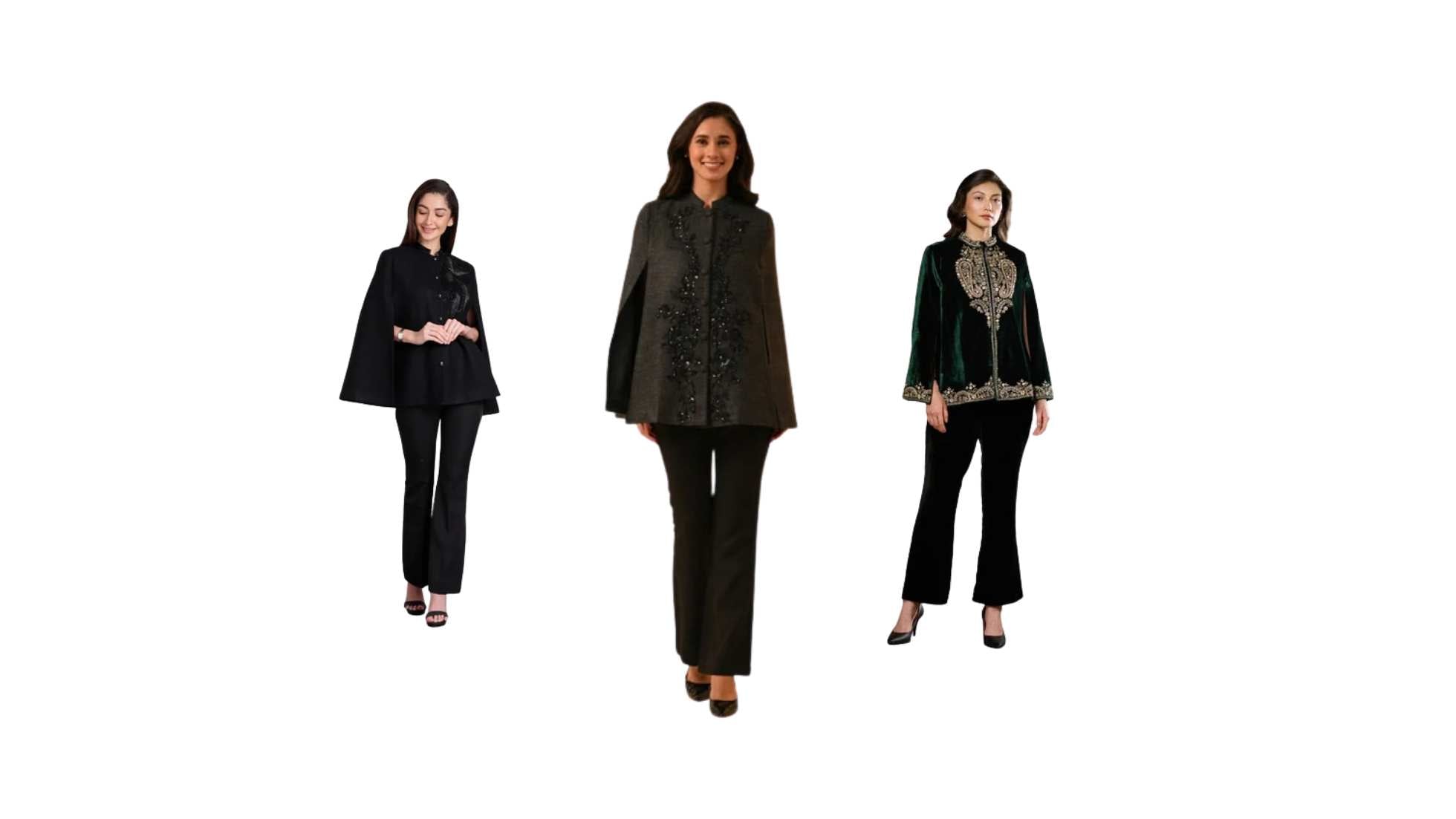
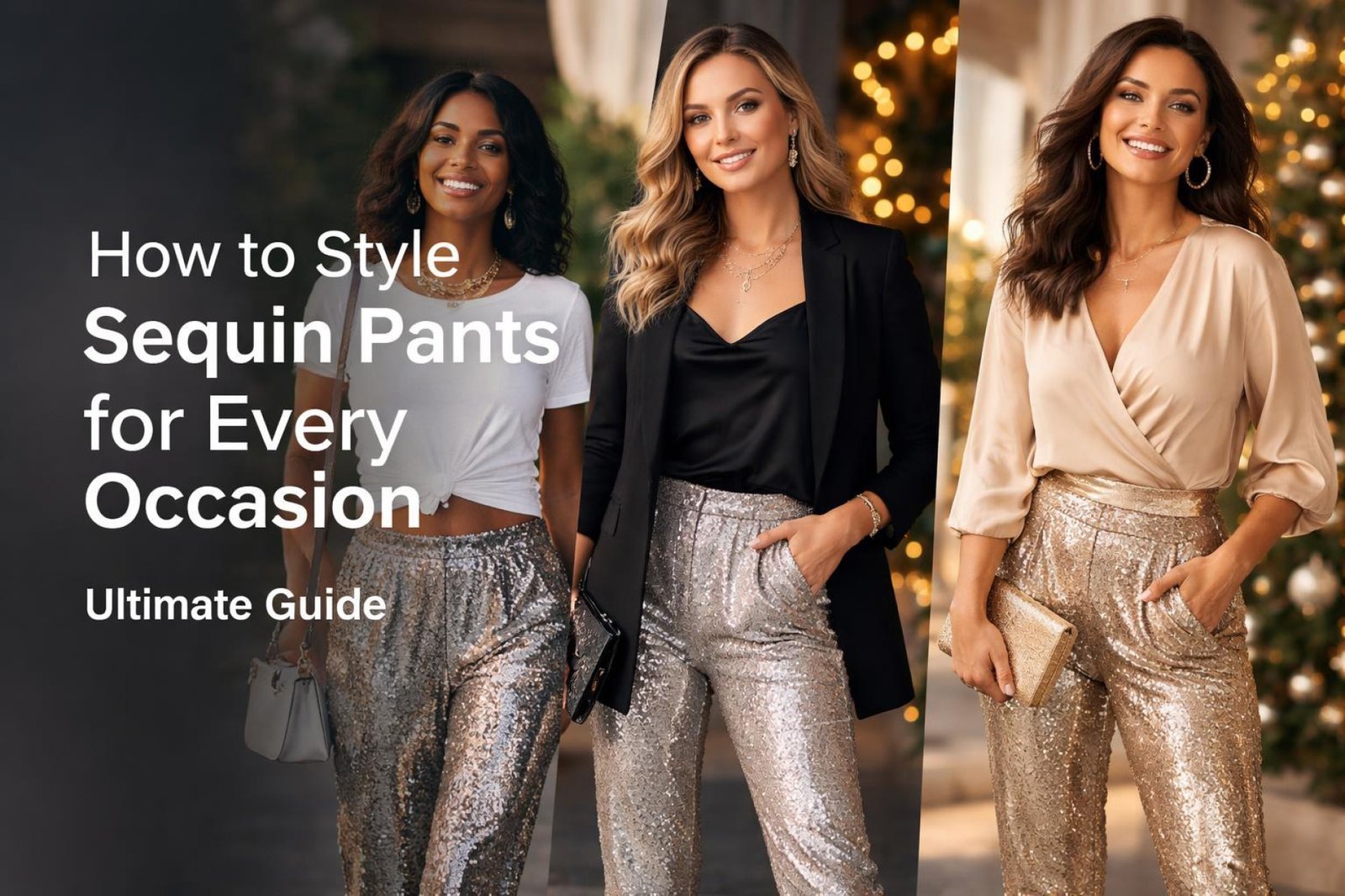
- Outfit 8: Creative / Festive Formal: Velvet, patterns, statement tailoring
Outfit 7: Evening Cocktail Attire
- Primary Settings: Evening receptions, wedding celebrations, anniversary dinners, formal cocktail parties.
- The Formula: Dark tailored suit (charcoal, midnight navy, or deep pine) + white or pale tonal dress shirt + silk necktie or pocket square + dark leather dress shoes.
- Execution Details: Cocktail attire calls for sleek, celebratory tailoring. While a matching suit is standard, you can introduce subtle luxury through fabric texture, such as sharkskin wool or subtle micro-checks. A pocket square adds a refined personal touch without overstepping boundaries.
Outfit 8: Creative & Festive Formal
- Primary Settings: Holiday galas, arts galas, themed formal events, premiere parties.
- The Formula: Statement blazer (velvet, jacquard, or rich jewel tones) + crisp formal shirt + dark tailored dress trousers + patent leather or velvet slippers.
- Execution Details: Creative formal allows for self-expression within a structured silhouette. Anchor the look with clean dress trousers and let one piece—typically the jacket—take center stage. High-end textures like silk lapels, velvet blazers, or metallic weaves work exceptionally well under evening light.
Formal & Black-Tie Spectrum (Outfits 9 to 11)
The peak of formal attire follows historic sartorial protocols. Adhering closely to fabric, lapel, and accessory guidelines ensures correct execution.
Outfit 9: Black Tie Optional (Warm-Weather Black Tie)
- Primary Settings: High-end evening weddings, charity balls, formal seasonal galas.
- The Formula: Ivory or white dinner jacket with dark tuxedo trousers (or a dark formal suit) + tuxedo shirt + black silk bow tie or dark necktie + polished dress shoes.
- Execution Details: Black tie optional gives guests flexibility. You may wear a traditional tuxedo or a high-end dark suit paired with formal accessories. In warm climates or summer events, an ivory dinner jacket paired with black tuxedo trousers provides a classic, climate-appropriate alternative.
Outfit 10: Classic Black Tie
- Primary Settings: Black-tie weddings, formal galas, opera openings, prestigious awards ceremonies.
- The Formula: Black or midnight-blue tuxedo (satin or grosgrain lapels) + white tuxedo shirt (pleated or bib front) + black silk bow tie + cummerbund or low-cut waistcoat + patent leather shoes.
- Execution Details: True black tie adheres strictly to standard rules. The trousers must feature a satin braid along the outer seam matching the jacket lapels. Use cufflinks and shirt studs rather than standard buttons. Footwear should be black patent leather or impeccably shined plain-toe dress oxfords.
Outfit 11: White Tie (Ultra-Formal / State Ceremonial)
- Primary Settings: State dinners, royal events, formal balls, diplomatic galas.
- The Formula: Black evening tailcoat (unbuttoned) with matching double-striped trousers + white pique wing-collared shirt + white pique bow tie + white pique low-cut waistcoat + black patent leather court pumps or oxfords.
- Execution Details: White tie is the highest level of formal dress. Every component is fixed: the tailcoat must fit close to the body and cut high at the front waist, while the white pique bow tie and waistcoat must be worn together. Deviations from this standard violate formal protocol.
The 11-Outfit Master Comparison Guide
Use this reference table to evaluate each outfit's formality tier, primary anchor pieces, key fabric choices, and common style pitfalls to avoid.
| Outfit # | Category / Dress Code | Formality Level | Core Anchor Pieces | Recommended Fabrics | Common Pitfalls to Avoid |
|---|---|---|---|---|---|
| 1 | Off-Duty Casual | Informal | Denim/Chinos, Tee, Bomber Jacket | Cotton, Denim, Canvas | Oversized/slouchy fits, scuffed shoes |
| 2 | Smart Athleisure | Elevated Casual | Tailored Joggers, Crewneck, Tech Outerwear | Mercerized Cotton, Tech-Stretch | Gym-worn gear, heavy branding |
| 3 | Elevated Smart Casual | Semi-Informal | Unstructured Blazer, Chinos, Loafers | Wool-Cotton Blends, Suede | Overly formal shiny wool suits |
| 4 | Resort Casual | Warm Casual | Linen Shirt, Tailored Shorts/Pants | Pure Linen, Seersucker | Synthetic fabrics, overly beachy flip-flops |
| 5 | Modern Business Casual | Professional | Sport Coat, Dress Pants, No-Tie Shirt | Worsted Wool, Fine Twill | Wrinkled shirts, scuffed casual shoes |
| 6 | Executive Business Formal | Strict Corporate | Matching Dark Suit, Tie, Oxford Shoes | High-Twist Worsted Wool | Missing tie, unpolished footwear |
| 7 | Evening Cocktail Attire | Semi-Formal | Dark Suit, Dress Shirt, Pocket Square | Super 120s Wool, Silk Accents | Bright daytime suits, casual watches |
| 8 | Creative / Festive Formal | Party Formal | Velvet Blazer, Tailored Trousers | Velvet, Jacquard, Silk | Over-accessorizing competing patterns |
| 9 | Black Tie Optional | High Formal | Tuxedo OR Dark Suit + Formal Tie | Barathea Wool, Satin | Casual dress shirts, missing studs |
| 10 | Classic Black Tie | Strict Formal | Tuxedo, Satin Lapels, Bow Tie | Midnight/Black Wool, Satin | Wearing a standard necktie, notch lapels |
| 11 | White Tie | Ceremonial | Tailcoat, White Pique Vest & Bow Tie | Black Wool Tailcoat, Cotton Pique | Wearing a black vest, incorrect coat length |
Essential Footwear and Accessories Integration
An outfit is only as strong as its finishing details. Anchoring your look with the correct footwear and accessories ensures structural balance across all eleven categories.
Footwear Formality Gradient:
- Sneakers
- Espadrilles/Slides
- Loafers/Boots
- Derbies/Monks
- Oxfords
- Patent Leather
- Footwear Hierarchy: Keep low-profile leather sneakers reserved for Outfits 1 and 2. Suede loafers and Chelsea boots excel in Outfits 3 and 4. Leather Derbies and Monk Straps fit Outfit 5, while crisp calfskin Oxfords are mandatory for Outfits 6, 7, and 9. Patent leather footwear is strictly reserved for Outfits 10 and 11.
- Leather & Hardware Matching: A foundational style rule across all eleven outfits is consistency. Ensure your belt leather matches your shoe leather, and your metal watch casing matches your belt buckle or sleeve cufflinks.
- Proportion and Scale: Match tie width and collar spreads to your shoulder width and jacket lapels. A slim lapel demands a narrower tie, whereas traditional formal tailoring (Outfits 6 through 10) looks most balanced with classic 3-inch to 3.5-inch lapels and ties.
Frequently Asked Questions
What is the single most versatile outfit among all 11?
Outfit 3 (Elevated Smart Casual) and Outfit 5 (Modern Business Casual) offer the highest versatility. An unstructured Navy Blazer paired with tailored grey trousers or dark denim can adapt to 80% of everyday social and business environments simply by adding or removing a tie and swapping footwear.
Can I wear a tuxedo to a Black Tie Optional event?
Yes. Black Tie Optional explicitly invites guests to wear a traditional tuxedo (Outfit 10) if they own one. If you do not, wearing a conservative dark charcoal or midnight blue suit with a silk tie (Outfit 7/9) fulfills the invitation requirements.
How do I adapt these 11 outfits for seasonal weather changes?
Maintain the structural formula of each outfit while adjusting fabric weights. For winter, swap lightweight cottons and linens for flannel, tweed, heavy gauge knits, and cashmere. For summer, transition to open-weave wools, linen blends, poplin, and unlined jacket constructions.
What is the biggest mistake people make with Business Casual?
The most common error is wearing overly casual items—such as athletic sneakers, distressed jeans, or polo shirts with oversized logos—under the assumption that "casual" overrides "business." Always lean toward structure and clean tailoring.
Is White Tie still relevant in modern dress codes?
While rare, White Tie remains the mandatory standard for diplomatic galas, state banquets, formal academic galas, and specific royal events. Understanding its strict rules ensures you are prepared should a high-level formal invitation arise.
Next Actions: Building Your 11-Outfit Wardrobe Capsule
Building a functional wardrobe based on these eleven outfits does not require buying eleven distinct suits or completely clearing out your closet. Instead, build your collection around interchangeable foundation pieces:
- Audit Your Current Closet: Map your existing clothing to the 11-outfit framework. Identify which categories you naturally cover and where clear gaps exist (e.g., missing evening cocktail tailoring or lacking smart-casual footwear).
- Invest in Foundation Anchors: Prioritize high-utility pieces first—a well-fitted dark navy suit, charcoal dress trousers, an unstructured blazer, dark selvedge denim, a crisp white dress shirt, and high-quality leather Oxfords and loafers.
- Refine Fit Through Tailoring: A moderate-cost outfit tailored precisely to your proportions will always look better than an expensive off-the-rack garment that fits poorly. Focus on sleeve lengths, trouser breaks, and waist suppression.
By systematically curating your wardrobe around these eleven core templates, you ensure effortless style readiness for any event on your calendar.