Independence Day commemorates the adoption of the Declaration of Independence on July 4, 1776, marking the birth of the United States as an independent nation. Planning an ideal 4th of July celebration requires balancing historical traditions, outdoor culinary prep, and strict pyrotechnic safety. This comprehensive guide details key historical facts, classic backyard recipes, and consumer fireworks regulations.
Historical Context and Essential 4th of July Fun Facts
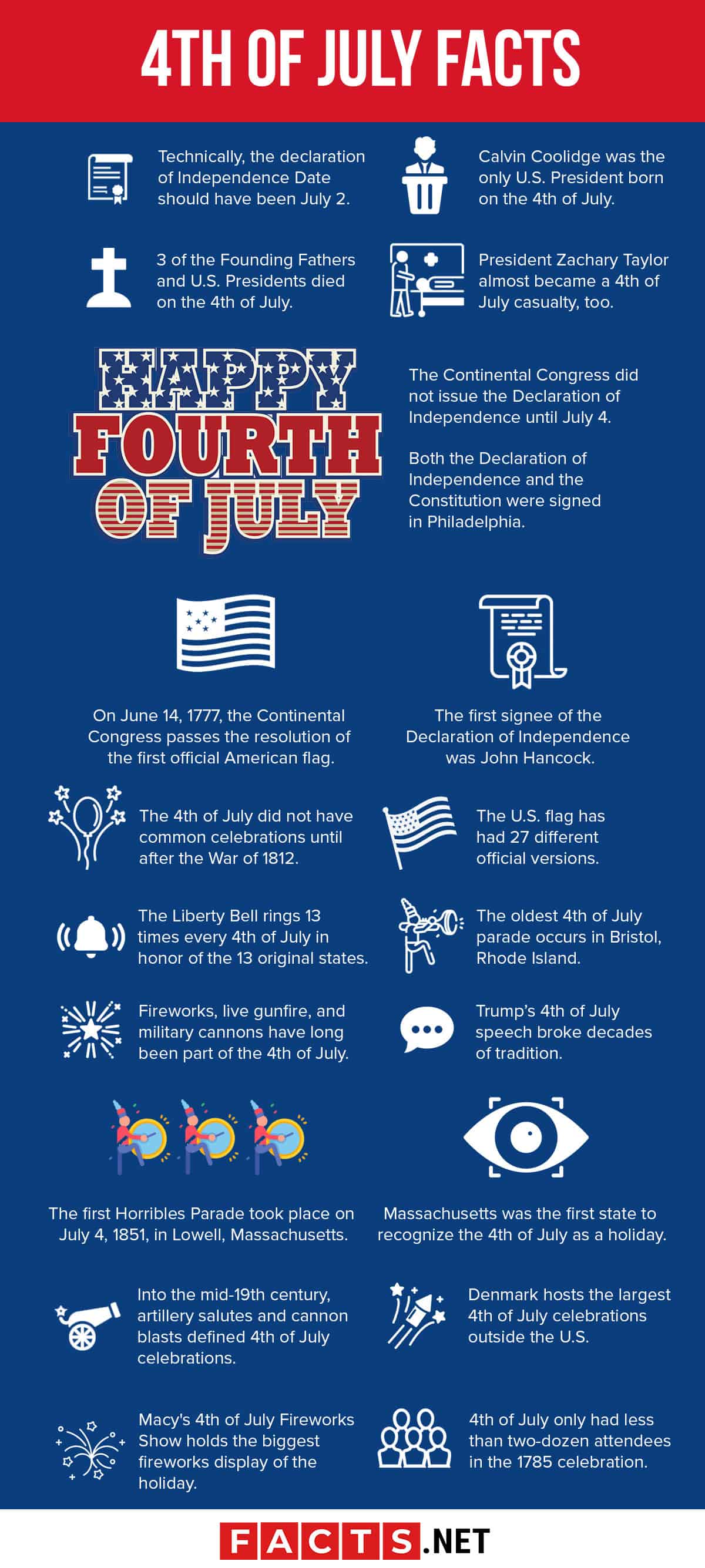
The historical narrative of Independence Day contains several details that surprise even avid history enthusiasts. While Americans celebrate national independence on July 4th, the Continental Congress actually voted in favor of legal separation from Great Britain on July 2, 1776. Two days later, on July 4, the delegates officially adopted the formal document drafted by Thomas Jefferson.
According to records maintained by the National Archives, Founding Father John Adams believed that July 2nd would be the date enshrined in American history. In a letter to his wife, Abigail Adams, he predicted that the day would be celebrated by succeeding generations with parades, bonfires, and illuminations. Although public commemoration anchored itself to the July 4th date printed on the Broadside copies of the Declaration, Adams' vision for the festivities proved remarkably accurate.
Key Timeline Milestones: • July 2, 1776: Continental Congress votes to approve Richard Henry Lee's resolution for independence. • July 4, 1776: Formal text of the Declaration of Independence is approved and sent to John Dunlap for printing. • July 8, 1776: First public reading of the Declaration takes place in Philadelphia's Independence Square. • August 2, 1776: Official signing ceremony begins for the engrossed parchment copy. • June 28, 1870: Congress establishes July 4th as an unpaid federal holiday. • May 13, 1938: Congress changes July 4th to a paid federal holiday for government employees.
Several remarkable historical coincidences define the holiday:
- The Presidential Coincidence: Both John Adams (second U.S. President) and Thomas Jefferson (third U.S. President), who were former political rivals turned correspondents, died on July 4, 1826—exactly 50 years after the adoption of the Declaration of Independence. James Monroe, the fifth U.S. President, also passed away on July 4th in 1831.
- The Oldest Continuous Celebration: The Bristol Fourth of July Celebration in Rhode Island, established in 1785, remains the oldest continuous Independence Day celebration in the United States.
- Culinary Consumption: The National Hot Dog and Sausage Council estimates that Americans consume approximately 150 million hot dogs during the 4th of July holiday weekend alone, making it the single highest hot-dog-consuming weekend of the entire year.
- First Fireworks Commemoration: The first official anniversary celebration occurred in Philadelphia on July 4, 1777. The festivities featured a 13-cannon salute, speeches, music, and an evening display of 13 fireworks shells set off on the Commons.
Classic 4th of July Menu Planning: Mains, Sides, and Desserts
Outdoor dining is a central component of Independence Day traditions. Crafting a menu for a summer crowd requires balancing high-heat grilling, cold make-ahead side dishes, and heat-stable desserts.
Outdoor Grilling and Smoked Proteins
Summer grilling requires careful temperature management to achieve flavor while adhering to safe food handling standards. According to the USDA Food Safety and Inspection Service, internal temperature verification with a digital probe thermometer is mandatory to prevent foodborne illness during outdoor gatherings.
- Classic All-Beef Burgers: Select a 80/20 ground chuck blend to retain moisture over open flames. Season patties generously with kosher salt and coarse black pepper right before placing them on a preheated 400°F grill. Sear for 4 to 5 minutes per side until the internal temperature reaches 160°F.
- Slow-Smoked Pork Ribs: St. Louis-style ribs benefit from a low-and-slow approach. Apply a dry rub of brown sugar, smoked paprika, garlic powder, and mustard powder. Smoke over hickory or applewood at 225°F for 5 to 6 hours until the meat yields easily when bent.
- Marinated Chicken Quarters: Bone-in chicken legs and thighs require lower indirect heat (325°F–350°F) to cook through without burning the skin. Baste with sweet barbecue sauce only during the final 10 minutes of cooking. Chicken must reach an internal temperature of 165°F.
Refreshing Sides and Chilled Salads
Side dishes should provide bright acidity and crisp textures to complement rich grilled meats.
- Yukon Gold Potato Salad: Steamed Yukon Gold potatoes hold their shape well when tossed in a dressing of mayonnaise, Dijon mustard, apple cider vinegar, finely diced celery, and fresh dill. Chill for at least 4 hours before serving to allow flavors to meld.
- Grilled Street Corn (Elote): Husk fresh sweet corn and char directly over gas or charcoal grates for 8 to 10 minutes. Brush immediately with a mixture of mayonnaise, sour cream, minced garlic, cotija cheese, cilantro, and chili powder.
- Chilled Watermelon Wedges: Serve thick, cold slices of seedless watermelon salted lightly to enhance natural sweetness and provide essential hydration for outdoor guests.
Red, White, and Blue Desserts
Summer desserts should highlight peak season berries while remaining manageable in hot weather.
- Patriotic Berry Parfaits: Layer vanilla bean pastry cream or Greek yogurt with fresh strawberries, raspberries, and blueberries in clear glassware. Top with crushed graham crackers for texture.
- Strawberry-Blueberry Shortcakes: Sweet buttermilk biscuits sliced and layered with sweetened whipped cream, macerated strawberries, and whole fresh blueberries create an iconic colored dessert.
Independence Day Culinary Planning and Execution
Proper preparation timelines prevent kitchen bottlenecks on the holiday. The table below outlines culinary parameters for a balanced 4th of July menu.
| Recipe Item | Category | Active Prep Time | Cooking/Cooling Time | Target Internal Temp | Make-Ahead Window |
|---|---|---|---|---|---|
| All-Beef Burgers | Main Protein | 15 mins | 10 mins | 160°F (71°C) | Form patties 24 hrs prior |
| Smoked Pork Ribs | Main Protein | 20 mins | 5–6 hours | 195°F–203°F (90°C–95°C) | Rub 12–24 hrs prior |
| Marinated Chicken | Main Protein | 15 mins | 35–45 mins | 165°F (74°C) | Marinate 12 hrs prior |
| Yukon Potato Salad | Cold Side | 25 mins | 20 mins (cook) + 4 hrs (chill) | N/A (Serve < 40°F) | Prepare 24 hrs prior |
| Grilled Corn (Elote) | Warm Side | 15 mins | 10 mins | N/A | Prep sauce 24 hrs prior |
| Berry Shortcake | Dessert | 30 mins | 15 mins (baking) | N/A | Bake biscuits 24 hrs prior |
Consumer Fireworks Guide: Regulations, Classifications, and Safety Rules
Pyrotechnics remain a popular highlight of Independence Day celebrations, but handling them carries inherent physical risks and legal responsibilities.
Fireworks Safety Protocol Checklist: [ ] Verify local city/county ordinances and active burn bans. [ ] Designate an adult safety operator; prohibit alcohol use while handling fireworks. [ ] Establish a firing area at least 35 feet away from structures for ground devices. [ ] Establish an aerial firing perimeter of at least 150 feet away from dry vegetation. [ ] Keep a 5-gallon water bucket and connected garden hose immediately adjacent. [ ] Wear safety glasses and non-synthetic, flame-resistant clothing. [ ] Submerge used devices and "duds" in water for a minimum of 20 minutes before disposal.
Understanding Pyrotechnic Classifications
The federal government categorizes explosive materials to regulate public transportation and retail access.
- Consumer Fireworks (1.4G / UN0336): Formerly known as Class C fireworks, these devices contain limited quantities of pyrotechnic composition. Examples include ground spinners, fountains, Roman candles, reloadable aerial shells, and firecrackers. They are regulated by the U.S. Consumer Product Safety Commission (CPSC) under 16 CFR Parts 1500 and 1507.
- Display Fireworks (1.3G / UN0335): Professional-grade pyrotechnics used in municipal displays. These require a federal license from the Bureau of Alcohol, Tobacco, Firearms and Explosives (ATF) to purchase, store, and detonate.
- Exempt Novelties: Items such as party poppers, snaps, and snake devices carry minimal explosive charges and are often sold outside standard fireworks jurisdictions, though local restrictions may still apply.
Sparkler Danger and Surface Temperatures
Handheld sparklers are often given to children, yet they pose significant burn hazards. Standard wire sparklers burn at temperatures ranging from 1,800°F to 2,000°F (982°C to 1,093°C)—hot enough to melt glass and soft metals, and easily capable of causing third-degree skin burns or igniting clothing.
Sparkler Safety Comparison: • Burning Wire Sparkler Temp: ~2,000°F (1,093°C) • Water Boiling Point: 212°F (100°C) • Wood Ignition Point: ~570°F (300°C) • Safer Alternative for Children: Glow sticks, LED wands, or paper ribbon streamers.
Operational Launch Procedures
When operating legal consumer fireworks on private property:
- Check Local Laws: Municipal regulations frequently change based on seasonal drought conditions. Verify local ordinances, red flag warnings, and municipal burn bans before purchasing pyrotechnics.
- Prepare the Launch Site: Choose a flat, non-flammable surface such as concrete, packed dirt, or gravel. Avoid dry lawns, wooden decks, overhanging trees, and structures.
- Set Up Water Supplies: Connect a pressurized garden hose and keep multiple buckets of water within arm's reach of the designated lighting area.
- Ignition Guidelines: Light one device at a time using a long-stemmed lighter or extended fuse taper. Never place any part of your body directly over a device while lighting. Move back to a safe distance immediately after ignition.
- Handling Duds: Never attempt to re-light a firework that fails to ignite or function properly. Wait 20 minutes, then approach the device and soak it entirely in a bucket of water.
Managing Safety, Pet Care, and Environmental Impact
Large outdoor gatherings and loud noise displays require planning beyond food and pyrotechnics to protect pets, guests, and property.
Mitigating Noise Distress in Domestic Pets
More pets go missing on the 4th of July than on any other day of the year due to fright caused by loud explosions.
- Indoor Containment: Keep dogs and cats indoors well before dusk. Close windows, blinds, and exterior doors to block out light flashes and dampen sudden loud noises.
- Auditory Masking: Run air conditioners, televisions, or dedicated white noise machines to create a continuous acoustic barrier that helps mask external explosions.
- Microchip and Tag Verification: Confirm that pet collar tags are up to date and that microchip registry information contains your current phone number and address.
- Veterinary Consultation: For animals with severe storm or noise phobias, consult your veterinarian well in advance of the holiday to discuss prescribed anxiety management options or calming supplements.
Post-Event Fire Prevention and Environmental Cleanup
Residual firework debris poses environmental risks and can ignite spot fires hours after an event ends.
- Cooling Period: Allow all spent casings, wire sparklers, and cardboard tubes to cool completely for at least 20 minutes post-use.
- Saturation: Submerge spent pyrotechnic debris completely in a container of water overnight before placing it into standard outdoor trash bins.
- Site Inspection: Sweep the launch pad and surrounding lawn areas for unexploded ordnance, plastic caps, and sharp wire remnants that could injure wildlife or barefoot guests.
Frequently Asked Questions About 4th of July
Why is July 4th celebrated instead of July 2nd?
July 4th is celebrated because that is the date printed on the formal Declaration of Independence document adopted by the Second Continental Congress and distributed to the public via John Dunlap's printed broadsides. Although Congress voted in favor of independence on July 2, 1776, the official text was approved on July 4, making that date the recognized emblem of American independence.
What is the safest way to dispose of used consumer fireworks?
Soak all spent casings, burnt sparkler wires, and dud devices completely in a bucket of water for at least 20 minutes to drown any remaining hot embers or unexploded powders. Once fully saturated, double-bag the wet debris in plastic trash bags and discard them in your outdoor household waste container. Never place hot or dry spent fireworks into trash bins.
How far in advance can 4th of July recipes be prepared?
Cold mayonnaise-based salads like potato salad or macaroni salad can be fully prepared 24 hours in advance and stored in airtight containers below 40°F (4°C). Smoked meats can be dry-rubbed up to 24 hours prior to cooking. Raw hamburger patties can be shaped 24 hours ahead, while fragile ingredients like fresh berries, whipped creams, and grilled sweet corn should be prepared on the day of the event.
Are sparklers safe for young children?
No, traditional metal wire sparklers are not safe for young children. Sparklers burn at temperatures approaching 2,000°F (1,093°C), which can easily ignite clothing, cause severe skin burns, or melt footwear. Children under 12 should instead be given child-safe alternatives such as battery-powered glow sticks, LED wands, or ribbon streamers.
What internal temperature ensures grilled burgers are safe to serve?
According to USDA food safety guidelines, ground beef patties must reach an internal temperature of 160°F (71°C) to ensure harmful bacteria such as E. coli are completely destroyed. Use a calibrated instant-read digital meat thermometer inserted horizontally into the center of the patty to verify accurate temperature readings.
Checklist for Executing Your 4th of July Celebration
Executing an organized 4th of July celebration requires systematic preparation across logistics, culinary prep, and safety protocols.
Master Event Timeline: T-Minus 3 Days: [ ] Confirm guest count and dietary restrictions. [ ] Purchase non-perishable groceries, charcoal, propane, and safety gear. [ ] Check local city/county fireworks ordinances for active burn restrictions. T-Minus 1 Day: [ ] Shape burger patties, apply meat rubs, and mix salad dressings. [ ] Prepare cold side dishes (potato salad, coleslaw) and refrigerate at < 40°F. [ ] Set up outdoor shade structures, trash receptacles, and seating arrangements. [ ] Confirm pet microchip details and prepare an indoor quiet room. Day of Event (Morning/Afternoon): [ ] Fill water buckets and connect garden hoses near the designated launch zone. [ ] Slice watermelon and wash fresh berries for desserts. [ ] Preheat grill/smoker and organize clean platters and color-coded tongs for raw vs. cooked meats. Evening / Dusk: [ ] Move pets into the designated secure indoor space with ambient background noise running. [ ] Conduct a safety briefing with guests prior to opening consumer fireworks. [ ] Monitor cooking temperatures and keep perishable food on ice or return to refrigeration within 1 hour if outdoor ambient temperature exceeds 90°F. Post-Event: [ ] Submerge spent pyrotechnic debris in water overnight. [ ] Inspect lawn areas for stray embers, wire sparklers, or debris.
Prioritizing early culinary preparation, structural safety zones, and proper pyrotechnic handling allows hosts to deliver a safe, seamless, and memorable Independence Day gathering for all attendees.