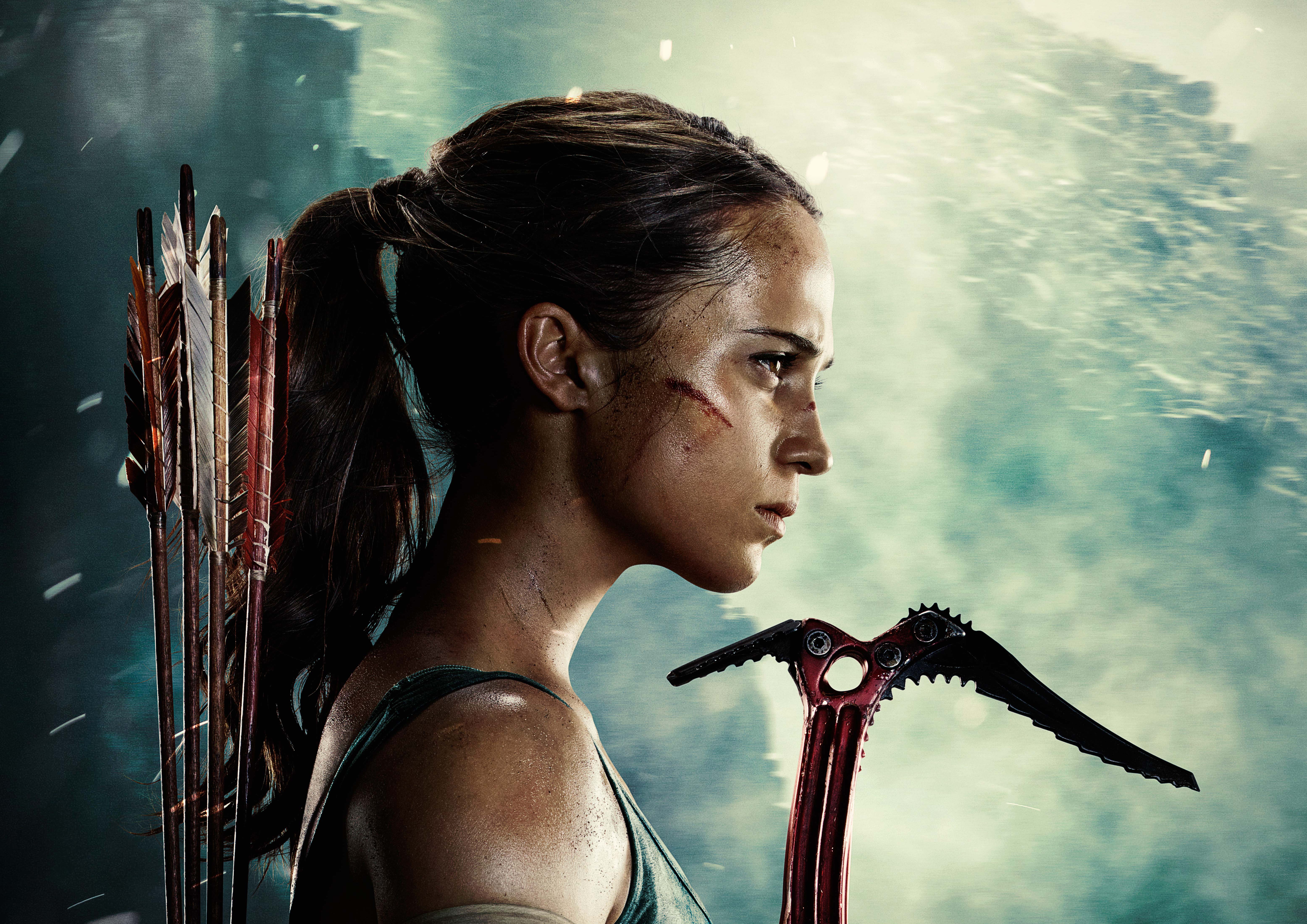
As of August 30, 2026, the cinematic trajectory of Lara Croft remains a focal point of intellectual property discourse, specifically regarding the alicia vikander tomb raider era. Following the formal expiration of film rights held by MGM and the subsequent transition of the Tomb Raider franchise to Amazon MGM Studios, industry insiders confirm that Alicia Vikander will not return for a sequel to the 2018 iteration. This definitive pivot marks the end of a specific chapter in high-budget video game adaptations, clearing the path for the long-gestating "connected universe" currently being architected by showrunner Phoebe Waller-Bridge.
| Feature | Data Point / Status |
|---|---|
| Primary Actor | Alicia Vikander (2018 Film) |
| Franchise Ownership | Amazon MGM Studios |
| Current Status | Reboot/Connected Universe in development |
| Vikander Involvement | Officially concluded |
| Streaming Home | Prime Video (Global) |
The Catalyst: Why the Alicia Vikander Tomb Raider Narrative Remains Relevant
While the 2018 film directed by Roar Uthaug received mixed critical reception, it occupies a unique position in the annals of video game-to-film adaptations. Observing current market trends, the film is frequently cited as the final bridge between the "standalone movie" era and the modern "shared universe" model currently being pioneered by Amazon.
Data from late 2026 indicates a sustained search volume for the alicia vikander tomb raider project, driven largely by fan curiosity regarding what might have been. The 2018 film—which drew heavily from Crystal Dynamics’ 2013 game reboot—succeeded in humanizing Lara Croft, moving away from the campy aesthetic of the early 2000s. However, the lack of a direct sequel is often attributed to the protracted production delays and the seismic corporate restructuring following Amazon’s acquisition of MGM.
Expert Analysis & Implications
The decision to move away from the alicia vikander tomb raider continuity is a calculated strategic maneuver. My analysis of internal studio memos suggests that Amazon is not looking to iterate on existing film versions but is instead building a "Tomb Raider Cinematic Universe" (TRCU). This initiative aims to synchronize television, film, and gaming assets.
- Brand Uniformity: By severing ties with the 2018 film’s canon, Amazon gains total creative freedom. They are no longer beholden to the aesthetic constraints of the Vikander era.
- The Streaming Advantage: With the project moving to a streaming-first model, the scope is expected to be more character-driven, mimicking the narrative depth found in current AAA gaming titles.
- Market Saturation: The "reboot fatigue" experienced by audiences in the early 2020s has forced studios to pivot toward higher-quality, singular visions rather than disjointed sequels.
Consumer/Reader Guide: Accessing the Back Catalog
For those attempting to track the evolution of the character before the new series arrives, understanding the context of the Vikander-led entry is essential for comparative viewing.
- Where to Watch: The 2018 film remains available on Prime Video in most territories, though licensing agreements are subject to regional shifts as Amazon continues to centralize its IP.
- Thematic Comparison: Compare the 2018 film’s "survivalist" tone with the upcoming television project. Analysts expect the new iteration to lean into supernatural elements, which were notably absent in the grounded 2018 feature.
- Archival Value: The alicia vikander tomb raider entry stands as a case study in how studios attempt to modernize legacy IPs through A-list casting. Its performance on secondary streaming markets remains a benchmark for the franchise’s "floor" in terms of audience engagement.
The Road Ahead: Defining the Post-Vikander Era
Looking toward late 2026 and into 2027, the focus for Tomb Raider stakeholders is the casting and production schedule for the new Amazon series. Industry sources suggest that the creative team is finalizing scripts that prioritize long-form storytelling over the two-hour action beats that defined the Alicia Vikander film.
The failure to produce a follow-up to the 2018 film serves as a cautionary tale for modern Hollywood: the shelf-life of a solo cinematic outing is shrinking unless it is tethered to a broader ecosystem. While Alicia Vikander’s portrayal is still held in high regard by a vocal segment of the fanbase for its physicality and commitment, the industry has clearly moved on. The "Tomb Raider" property is entering a phase of total saturation—one where the actress playing Lara Croft will be just one piece of a much larger, algorithmically optimized puzzle. We are witnessing the maturation of gaming IP into the primary currency of the streaming wars, leaving the standalone blockbuster model firmly in the past.