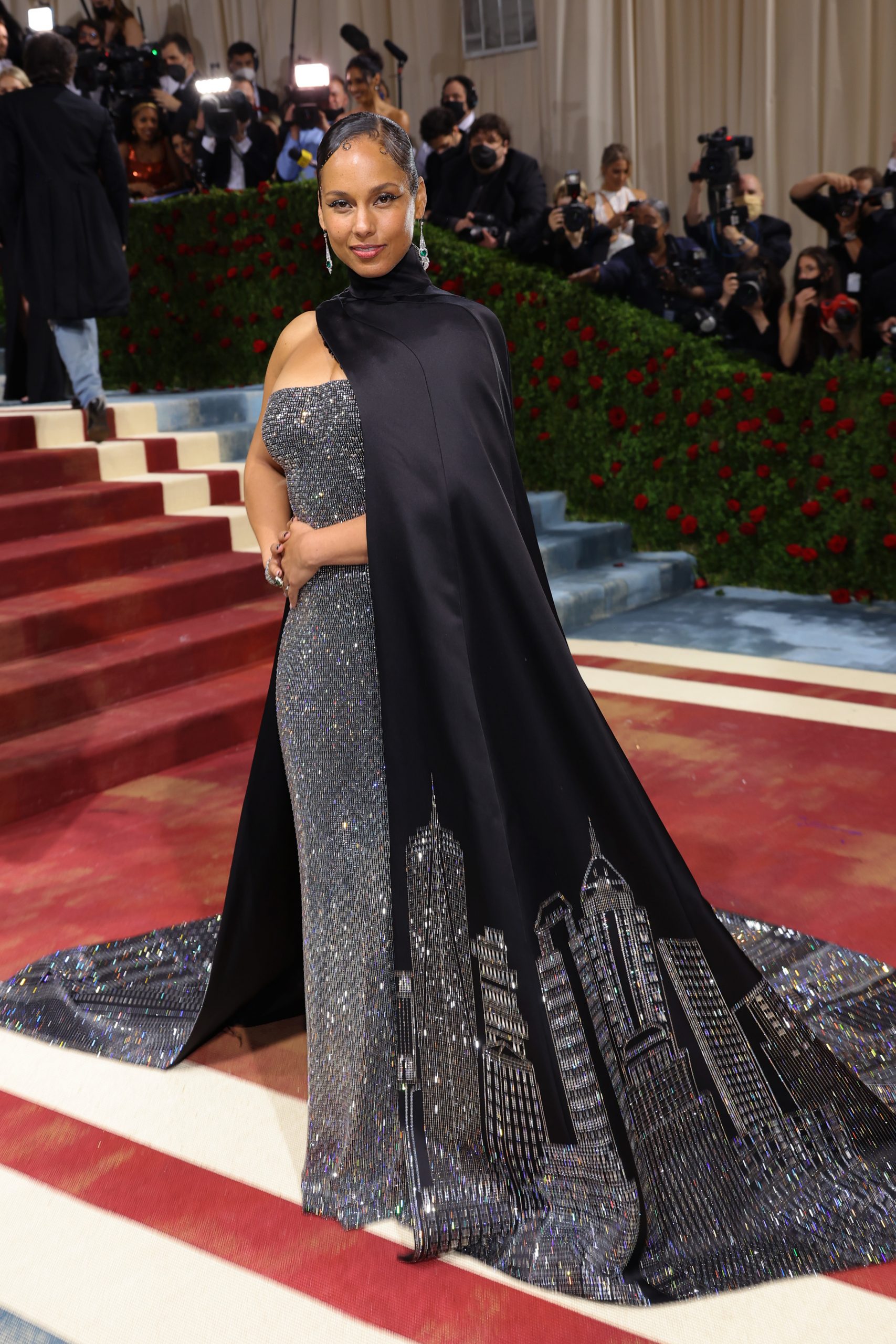
Alicia Keys holds an estimated net worth of approximately $150 million, a fortune accumulated through a multi-decade career in the music industry, lucrative brand partnerships, entrepreneurship, and substantial real estate investments. As a fifteen-time Grammy Award-winning singer, songwriter, and pianist, her financial standing reflects not only her success on the Billboard charts but also her astute business ventures and long-term asset accumulation alongside her husband, music producer Swizz Beatz.
Evaluating the complete financial portfolio of a modern entertainment mogul requires looking beyond album sales and touring revenue. For Alicia Keys, wealth generation spans intellectual property ownership, venture capital participation, digital media initiatives, and high-profile endorsements with global luxury houses. Understanding how she built and sustained this wealth provides a clear window into modern music economics and personal brand monetization.
The Foundation: Music Catalog, Touring, and Record Sales
The cornerstone of Alicia Keys' wealth originates from her illustrious career as a recording artist and songwriter. Emerging in the early 2000s with her critically acclaimed debut studio album, Songs in A Minor, she established both artistic credibility and immediate commercial dominance. The album sold millions of copies worldwide, earning her five Grammy Awards in a single night and setting a high benchmark for her subsequent releases.
Subsequent studio albums—including The Diary of Alicia Keys, As I Am, and Girl on Fire—further expanded her commercial footprint. Unlike many artists of her era who signed traditional, restrictive recording contracts, Keys secured a high degree of creative control and publishing ownership early in her career. This foresight ensured that a substantial percentage of royalties from her songwriting and master recordings flowed directly to her rather than intermediaries.
Concert touring has historically served as another major pillar of her financial portfolio. Major arena and amphitheater tours, both domestic and international, generate tens of millions of dollars in gross ticket sales. While touring comes with substantial overhead costs involving production, crew, and venue rentals, headlining global treks consistently bolsters her annual earnings. Furthermore, her ongoing status as a legacy artist allows her to command top-tier performance fees for special appearances, residencies, and international music festivals.
Entrepreneurship and Brand Partnerships
Beyond her work in the recording studio, Alicia Keys has diversified her income streams through strategic business ventures and global brand endorsements. In the beauty sector, she co-founded Keys Soulcare in partnership with corporate beauty giant e.l.f. Beauty. The lifestyle and skincare brand, which launched in 2020, focuses on dermatologist-developed formulas and rituals centered on mental and physical well-being. Her active participation in product development, marketing, and brand storytelling has positioned the line successfully within the competitive clean-beauty market.
Her corporate partnerships extend into luxury fashion and technology. Over the years, she has served as a brand ambassador and collaborator for companies such as Givenchy, BlackBerry, and Levi Strauss & Co. These endorsement deals typically involve multi-year commitments that yield lucrative upfront fees alongside performance incentives.
| Income Stream | Primary Revenue Sources | Financial Impact |
|---|---|---|
| Music & Publishing | Album sales, streaming royalties, and songwriting copyrights | Steady, long-term passive income from catalog streams |
| Live Performances | Global concert tours, music festivals, and special residencies | High-yield seasonal spikes in gross earnings |
| Business & Beauty | Keys Soulcare partnership with e.l.f. Beauty | Equity growth and commercial product diversification |
| Real Estate | Luxury residential properties in New York, California, and Arizona | Asset appreciation and long-term wealth preservation |
In addition to beauty and fashion, Keys has invested in various startup ventures. Through her involvement in venture capital networks alongside her husband, she has backed technology, health, and wellness companies. These investments diversify her net worth away from the volatile entertainment sector and into growth-oriented private markets.
Real Estate Portfolios and Asset Management
Real estate represents a significant component of Alicia Keys' tangible net worth. Alongside Swizz Beatz, she has owned and developed several architectural masterpieces across the United States. Their real estate holdings historically included high-profile properties in New York and New Jersey, most notably a prominent mansion in Englewood, New Jersey, which they purchased from Eddie Murphy before eventually selling it.
One of their most celebrated real estate acquisitions is a contemporary architectural marvel located in La Jolla, California, often referred to as the "Razor House." Perched above the Pacific Ocean, this expansive property combines luxury design with cutting-edge engineering. Owning prime residential real estate serves multiple financial functions for high-net-worth individuals: it provides private living spaces, acts as a hedge against inflation, and generally appreciates in value over time.
Managing these diverse assets requires a dedicated team of business managers, legal advisors, and wealth planners. For high-earning entertainers, safeguarding capital involves navigating complex multi-jurisdictional tax obligations, establishing corporate entities for intellectual property holding, and executing structured estate planning strategies to protect generational wealth.
Philanthropy and Social Impact Ventures
While philanthropy does not directly increase an individual's net worth, Alicia Keys' commitment to social activism shapes her public profile and influences her business alignments. As the co-founder and president of Keep a Child Alive, an organization dedicated to supporting families affected by HIV and AIDS in Africa and India, she has directed substantial resources toward global health initiatives. Her philanthropic work has earned her widespread recognition, further cementing her status as a respected cultural figure and unlocking collaborative opportunities with global NGOs, corporate foundations, and philanthropic leaders.
Frequently Asked Questions
How did Alicia Keys amass her fortune?
Alicia Keys built her wealth primarily through successful music sales, songwriting royalties, extensive global concert tours, strategic equity partnerships like Keys Soulcare, and high-value real estate investments. Her early retention of publishing rights allowed her to capture a larger share of her catalog's earnings.
What is the estimated net worth of Alicia Keys?
Her net worth is widely estimated to be around $150 million. This figure combines her accumulated career earnings, current business valuations, endorsement contracts, and the estimated equity value of her real estate portfolio.
Does Alicia Keys own her music catalog?
Like many established artists who began recording in the early 2000s, Keys maintains ownership of a significant portion of her publishing rights and newer master recordings. This ownership grants her ongoing passive income from streaming platforms, sync licensing in film and television, and radio airplay.
What is Keys Soulcare and how does it contribute to her wealth?
Keys Soulcare is a lifestyle and beauty brand developed in partnership with e.l.f. Beauty. As a co-founder with an equity stake, Alicia Keys benefits directly from the brand's retail expansion, product sales, and overall corporate valuation within the consumer goods market.
How do Alicia Keys and Swizz Beatz manage their finances?
The couple operates as a formidable business and creative partnership. Beyond their individual earnings in the music industry, they jointly invest in contemporary art collections, luxury real estate developments, and various venture capital opportunities, combining their financial portfolios for long-term growth.
Strategic Financial Management and Next Actions
For individuals examining celebrity net worth figures, the underlying takeaway is that true financial longevity in the entertainment industry requires moving beyond active labor—such as singing or performing—into passive income models and equity ownership. Aspiring creators and entrepreneurs can apply these same principles by retaining intellectual property rights, diversifying income streams across different sectors, and securing professional guidance for asset management. Analyzing the financial trajectory of artists like Alicia Keys highlights how creative talent, when paired with disciplined business strategy, can generate enduring economic stability.