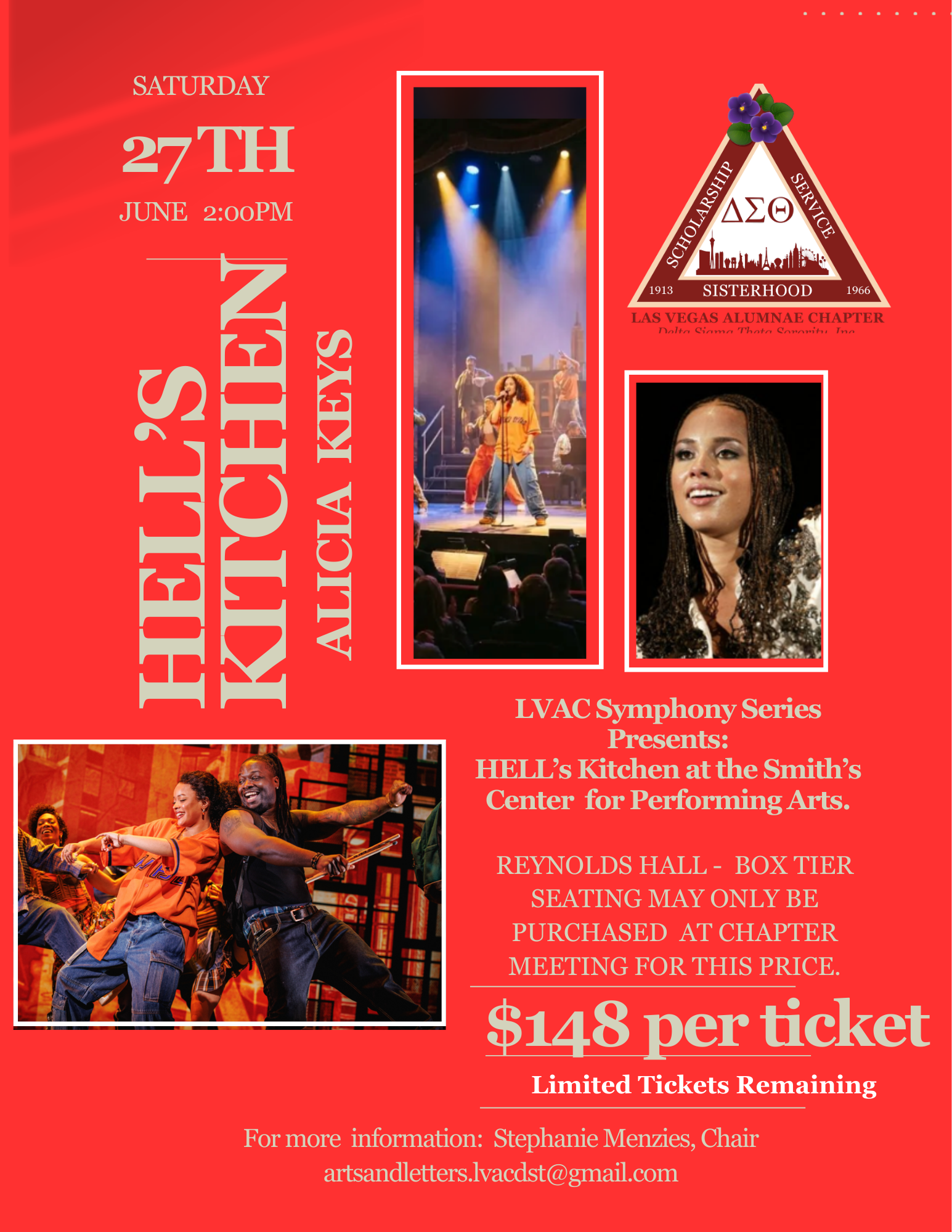
The real connection between global music icon Alicia Keys and Hell’s Kitchen is that the 15-time Grammy Award-winning artist wrote the music and lyrics for the Broadway musical of the same name, which is a semi-autobiographical coming-of-age story inspired by her youth growing up in the Hell’s Kitchen neighborhood of Manhattan during the 1990s.
Understanding the Roots of Hell's Kitchen
To comprehend the real connection between Alicia Keys and Hell’s Kitchen, one must first examine the literal neighborhood that shaped the artist. Located on the West Side of Midtown Manhattan, Hell’s Kitchen was historically characterized by working-class grit, maritime industries, and a vibrant cultural tapestry that contrasted sharply with the sleek corporate towers of neighboring districts. During the 1980s and 1990s, when Keys—born Alicia Augello Cook—was coming of age, the area experienced distinct socioeconomic challenges, alongside a rich infusion of artistic energy, jazz clubs, and street-level hip-hop culture.
Keys was raised by a single mother in a cramped apartment building on 43rd Street. This environment exposed her to a diverse array of personalities, struggles, and musical influences that would eventually populate the characters and sonic landscape of her theatrical project. The neighborhood acted as both a crucible and a canvas, fostering her classical piano training alongside the raw, percussive beats of New York City street life. The stage production translates these formative memories into a theatrical narrative, using the geography not merely as a backdrop, but as a living, breathing entity that dictates the choices, fears, and aspirations of the characters.
From Pop Chart Success to Broadway Production
Alicia Keys achieved international superstardom following the release of her 2001 debut studio album, Songs in A Minor. Over the ensuing two decades, she built a legendary catalog encompassing anthems like "Fallin'," "No One," and "Empire State of Mind." However, translating a prolific pop and R&B career into the structured, narrative-driven medium of musical theater presented a distinct professional challenge. The conception of Hell’s Kitchen as a stage musical marked a deliberate departure from traditional biographical jukebox musicals, positioning original compositions alongside reimagined cuts from her expansive catalog.
Development for the production spanned years of workshopping, collaborative scriptwriting, and musical arrangements. Keys partnered with playwright Kristoffer Diaz, whose dramatic structure provided the narrative skeleton, while director Michael Greif brought the kinetic urban choreography and staging to life. Rather than simply stringing together her greatest hits, Keys composed new material specifically designed to advance character arcs and emotional revelations. The resulting score blends the rhythmic syncopation of 1990s hip-hop, the harmonic complexity of jazz, and the emotive power of contemporary soul.
Narrative Parallels: Ali and Alicia
At the center of Hell’s Kitchen is Ali, a 17-year-old girl navigating the tumultuous waters of adolescence, first love, and artistic ambition under the watchful eye of a protective mother. While the production is officially billed as a work of fiction inspired by real life rather than a strict documentary, the narrative parallels between Ali’s journey and Alicia Keys’s youth are unmistakable. The character's struggle to balance a strict classical piano education with her irresistible attraction to the modern sounds of New York street culture mirrors Keys's own early musical education under the tutelage of stern instructors in Manhattan tenements.
| Production Element | Real-Life Counterpart / Inspiration | Artistic Adaptation |
|---|---|---|
| Protagonist (Ali) | Alicia Keys (born Alicia Augello Cook) | Compressed and dramatized composite of teenage experiences in 1990s Manhattan. |
| Setting | 43rd Street apartment in Manhattan | Reimagined as a physical representation of urban confinement and possibility. |
| The Piano Teacher (Miss Liza Jane) | Direct nod to Keys's real-life mentors | Represents the rigorous discipline of classical tradition clashing with modern rhythm. |
| Musical Score | Original songs plus catalog integration | Customized to serve dramatic dialogue and inner character monologues. |
This structural design allows the audience to witness the internal conflicts that forged an icon. The relationship between Ali and her mother serves as the emotional anchor of the script, reflecting the sacrifices, protective instincts, and generational friction experienced by many single-parent families in urban centers during that era.
Critical Reception and Cultural Impact
Following its initial Off-Broadway run at The Public Theater in 2023, Hell’s Kitchen transferred to Broadway’s Shubert Theatre in the spring of 2024, quickly establishing itself as a commercial and critical powerhouse. The production earned numerous accolades, including multiple Tony Award nominations and wins, cementing its status as a major cultural touchstone. Critics praised the production for avoiding the cliches of standard biographical stage shows, highlighting instead the authenticity of the dialogue, the raw energy of the choreography led by Camille A. Brown, and the powerhouse vocal performances of the principal cast, including Tony Award winner Maleah Joi Moon and seasoned Broadway veterans like Shoshana Bean and Kecia Lewis.
The cultural impact of the musical extends beyond Broadway ticket sales. It revitalized conversations about the changing face of Manhattan neighborhoods, the enduring legacy of 1990s New York City culture, and the viability of original R&B scores in contemporary theater. For Alicia Keys, the project represents a profound creative expansion, proving her ability to conquer a completely different branch of the entertainment industry while honoring the geographic and emotional roots that launched her career.
Frequently Asked Questions
Is Hell's Kitchen a true story about Alicia Keys?
Hell’s Kitchen is a semi-autobiographical musical inspired by Alicia Keys’s youth, but it is technically a work of fiction rather than a strict documentary. While the protagonist Ali shares Keys's name derivation, neighborhood upbringing, piano prodigy background, and mother-daughter dynamics, certain characters, plot points, and timelines are dramatized for theatrical effect.
Did Alicia Keys write the music for the Broadway show?
Yes, Alicia Keys wrote the music and lyrics for Hell’s Kitchen. The score features a combination of entirely original songs composed specifically for the narrative and newly arranged selections from her multi-platinum recording catalog.
Where did Alicia Keys grow up in Manhattan?
Alicia Keys grew up in a cramped apartment on 43rd Street in the Hell’s Kitchen neighborhood of Manhattan. Her upbringing in this working-class, culturally diverse neighborhood heavily influenced her artistic worldview and provided the thematic foundation for the stage production.
Who wrote the book for the musical Hell's Kitchen?
The book for the musical Hell’s Kitchen was written by acclaimed playwright Kristoffer Diaz. Diaz collaborated closely with Alicia Keys and director Michael Greif to shape the narrative arc and dialogue surrounding the central character's coming-of-age journey.
When did Hell's Kitchen open on Broadway?
Hell’s Kitchen officially opened on Broadway at the Shubert Theatre in April 2024, following its critically acclaimed world premiere run at The Public Theater during the fall of 2023.
Practical Next Steps for Theatergoers
Audiences seeking to experience the real connection between Alicia Keys and the neighborhood firsthand can plan a comprehensive itinerary that bridges the stage production with its physical inspiration. Prospective attendees should secure tickets well in advance through official primary box office channels or authorized vendors, as performances at the Shubert Theatre frequently sell out. Pairing an evening performance with a walking tour of the Hell’s Kitchen district provides a tangible sense of the geography, architecture, and historic atmosphere that inspired the score. Visitors should also explore the official cast recording to familiarize themselves with the vocal arrangements and unique musical fusions that define this landmark Broadway contribution before seeing the live performance.