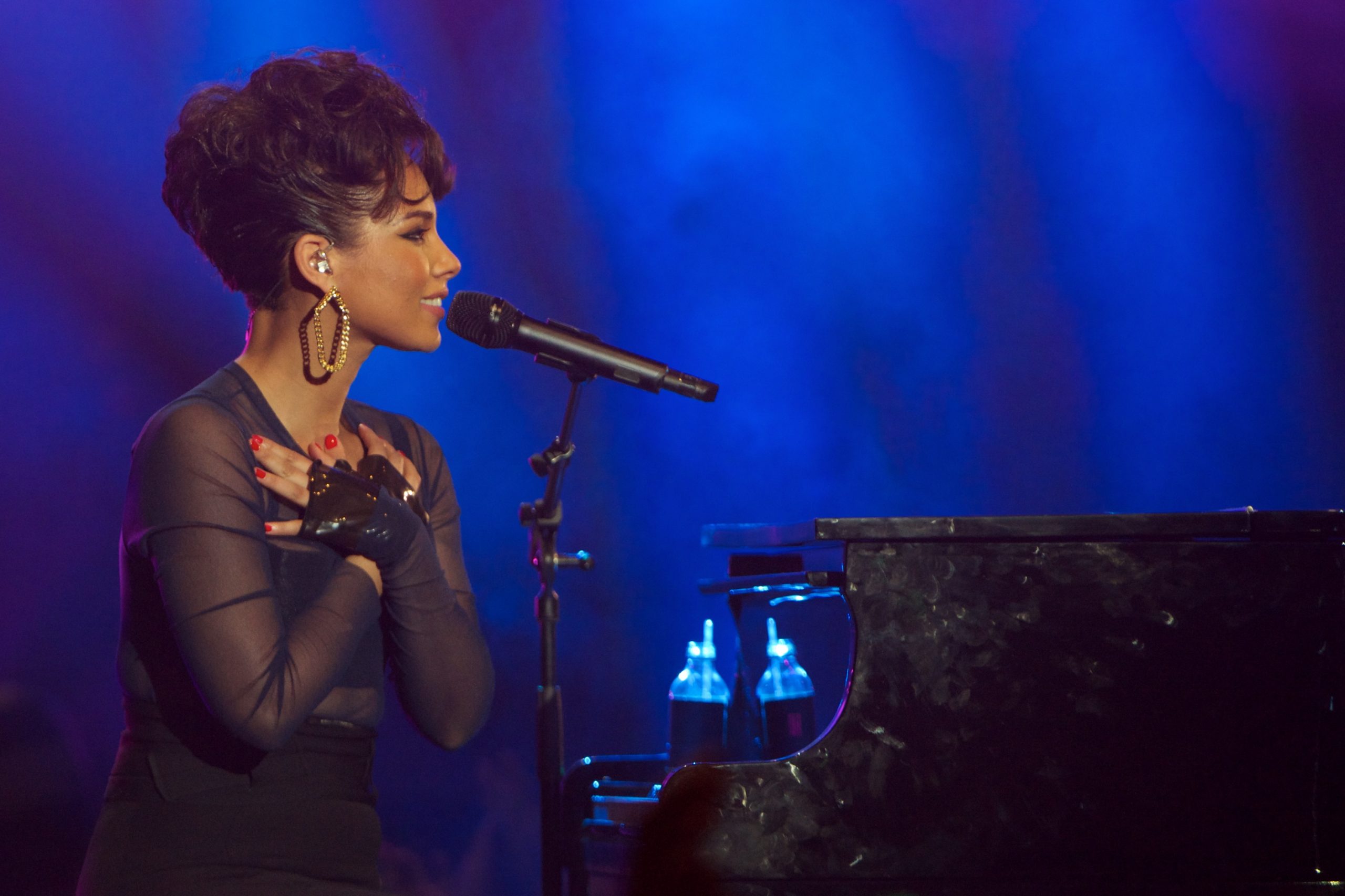
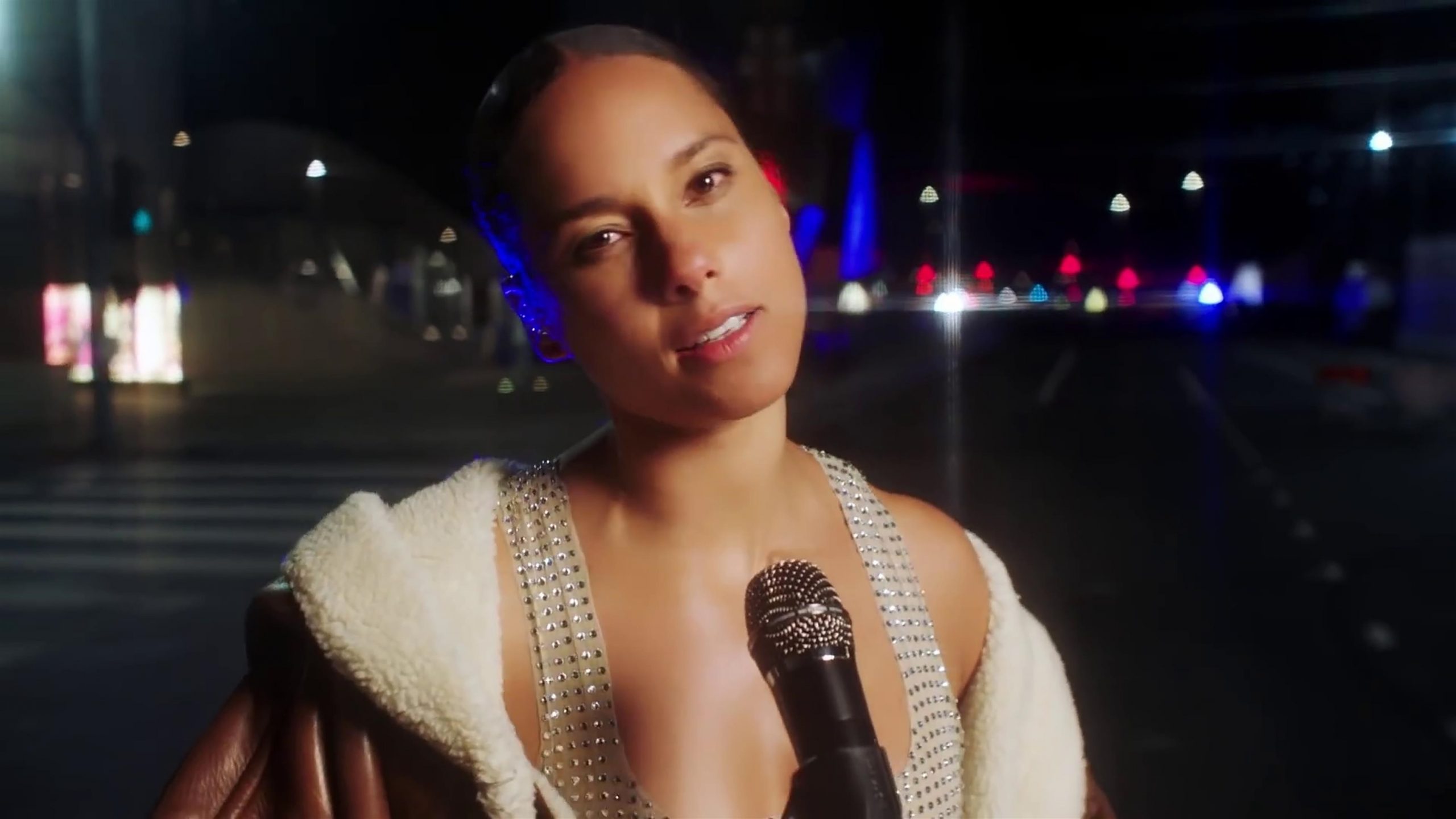
An Alicia Keys documentary typically explores the multi-Grammy-winning artist’s trajectory from a classically trained piano prodigy in New York City to a global icon of soul, R&B, and social advocacy. These cinematic and episodic projects offer viewers an intimate look into her creative process, the challenges of navigating the music industry at a young age, and the personal transformations that shaped iconic albums like Songs in A Minor and Here.
Understanding the Scope of Alicia Keys Visual Biographies
Visual storytelling surrounding Alicia Keys—born Alicia Augello Cook—spans various formats, including full-length feature documentaries, intimate concert films, television specials, and docuseries. Rather than relying solely on archival footage and talking heads, these productions often feature private home videos, unreleased studio recordings, and raw commentary from the artist herself. This multifaceted documentation provides researchers, music historians, and fans with a comprehensive lens through which to examine her cultural impact.
The primary objective of these media projects is to contextualize her artistic longevity. While standard music biographies focus heavily on chart success and commercial milestones, the documentary approach frequently pivots toward the psychological and emotional underpinnings of songwriting. Viewers are taken inside the studio environment to witness how she arranges vocals, collaborates with producers, and adapts classical piano structures into contemporary pop and R&B frameworks.
Key Themes Explored in Biographical Projects
Documentary features centered on Alicia Keys consistently return to several core themes that define both her career and her personal evolution. These subjects provide the narrative backbone for most biographical explorations:
- Classical Training vs. Contemporary Soul: Examining how her early immersion in the works of Beethoven, Chopin, and Mozart influenced her unique vocal arrangements and piano-driven composition style.
- Navigating Early Fame: Chronicling the intense pressure and scrutiny she faced following the massive global success of her 2001 debut album, Songs in A Minor, which established her as a defining voice of the 2000s R&B renaissance.
- Activism and Philanthropy: Highlighting her work as a co-founder of Keep a Child Alive, her advocacy for social justice, and her shift toward a makeup-free public image that challenged conventional beauty standards in the entertainment industry.
- Creative Independence: Documenting her transition from a major-label artist tied to traditional album cycles to an independent creator and Broadway producer managing her own multimedia ventures.
Production Formats and Distribution Channels
The distribution of documentary content chronicling Alicia Keys' life and career has evolved alongside shifting media consumption habits. Initially confined to television broadcasts, electronic press kits, and physical DVD bonus features, modern visual profiles leverage streaming platforms and digital-first partnerships to reach global audiences.
For instance, intimate concert experiences and behind-the-scenes features have found homes on major subscription video-on-demand services, allowing fans to access high-definition coverage of live performances paired with narrative documentary segments. Additionally, promotional YouTube mini-series and digital shorts released by her own production entities often serve as companion pieces to major studio album rollouts, offering real-time glimpses into her creative workflow.
| Project Type | Typical Focus | Primary Distribution Channel |
|---|---|---|
| Feature-Length Documentaries | Comprehensive life story, early upbringing, and major career turning points | Film Festivals, Theatrical Releases, and Streaming Services |
| Concert Films & Specials | Live performance capture, tour preparation, and musical arrangements | Premium Cable Networks and On-Demand Streaming |
| Episodic Docuseries | Behind-the-scenes studio sessions, album creation, and day-to-day life | Digital Video Platforms and Official Artist Channels |
| Archival Television Specials | Industry retrospectives, award show retrospectives, and career interviews | Broadcast Television Archives and Official Media Outlets |
Critical Reception and Cultural Impact
Documentaries profiling contemporary music icons often face scrutiny regarding objectivity, particularly when the subject or their management team holds production credits. However, visual projects featuring Alicia Keys have generally been praised for their transparency regarding the emotional toll of sudden celebrity and the continuous struggle to maintain artistic authenticity within a commercial industry.
Critics often point to the raw depiction of her writing process as a high point of these films. By stripping away the gloss typically associated with pop star biographies, these projects emphasize her role as a composer, producer, and multi-instrumentalist. This focus has helped solidify her legacy in music history, ensuring that her contributions are recognized beyond commercial metrics and chart placements.
How to Access and Evaluate Alicia Keys Documentary Content
For viewers seeking to explore these visual resources, locating official and verified content requires navigating various streaming platforms, digital archives, and physical media releases. Because unauthorized or fan-made bootlegs frequently circulate online, verifying the provenance of a documentary ensures access to high-quality audio, properly licensed music tracks, and accurate historical interviews.
- Identify the specific title, release year, and production studio associated with the documentary or concert film of interest.
- Check authorized streaming services, digital storefronts, or the artist's official media channels for availability.
- Review official credits to distinguish between promotional docuseries, unauthorized biographies, and fully realized independent documentary films.
- Consult reputable music journalism archives or film databases for critical reviews and contextual background before watching.
Frequently Asked Questions
What is the primary focus of an Alicia Keys documentary?
An Alicia Keys documentary typically focuses on her musical evolution, classical training, rise to global fame, and ongoing advocacy work. These projects emphasize her creative process and personal growth rather than merely cataloging awards and chart statistics.
Are these documentaries authorized by the artist?
Many comprehensive visual projects and behind-the-scenes specials are produced with the direct participation and endorsement of Alicia Keys and her management team, granting filmmakers access to private archives and personal recording sessions. Independent, unauthorized biographies also exist but generally lack access to her inner circle and personal archives.
Where can I watch biographical films about Alicia Keys?
Availability varies depending on the specific title and regional licensing agreements. Authorized concert films, television specials, and documentary features are routinely distributed via major streaming platforms, official digital video channels, and home entertainment releases.
Do these documentaries cover her philanthropic work?
Yes, her humanitarian efforts—including her co-founding role in Keep a Child Alive and her advocacy for criminal justice reform and gender equality—are central narrative components in comprehensive profiles of her life and career.
How do these films differ from standard concert videos?
While concert videos capture live performances with minimal narrative interruption, documentaries incorporate interviews, archival footage, studio sessions, and historical context to tell a structured biographical story about the artist's life and career.
Next Steps for Researchers and Fans
To deepen your understanding of Alicia Keys' artistic journey, begin by exploring official companion albums, published memoirs, and verified archival interviews that complement visual documentary projects. Cross-referencing primary source material with critical reviews provides a balanced, well-rounded perspective on her enduring influence in contemporary music and culture.