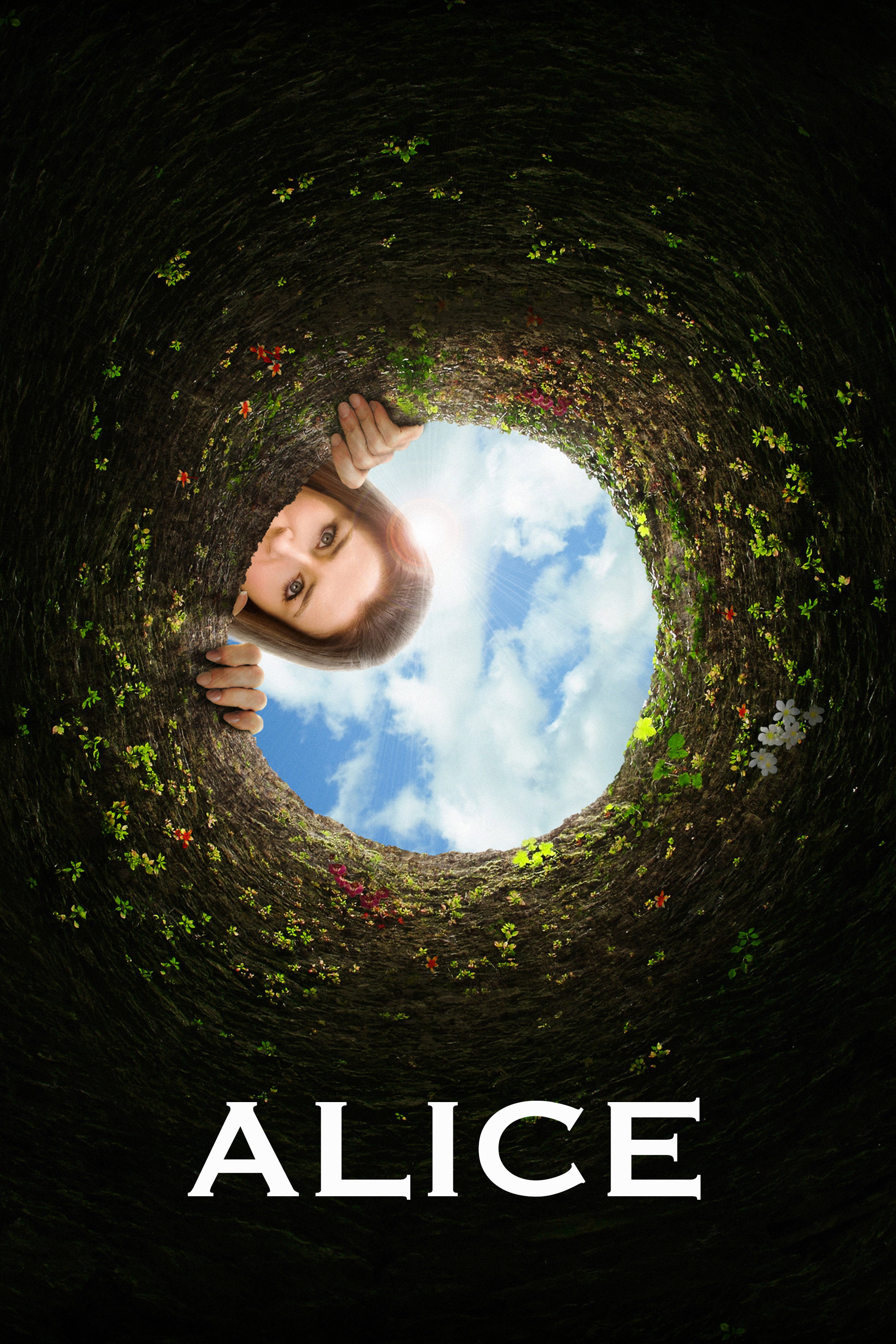
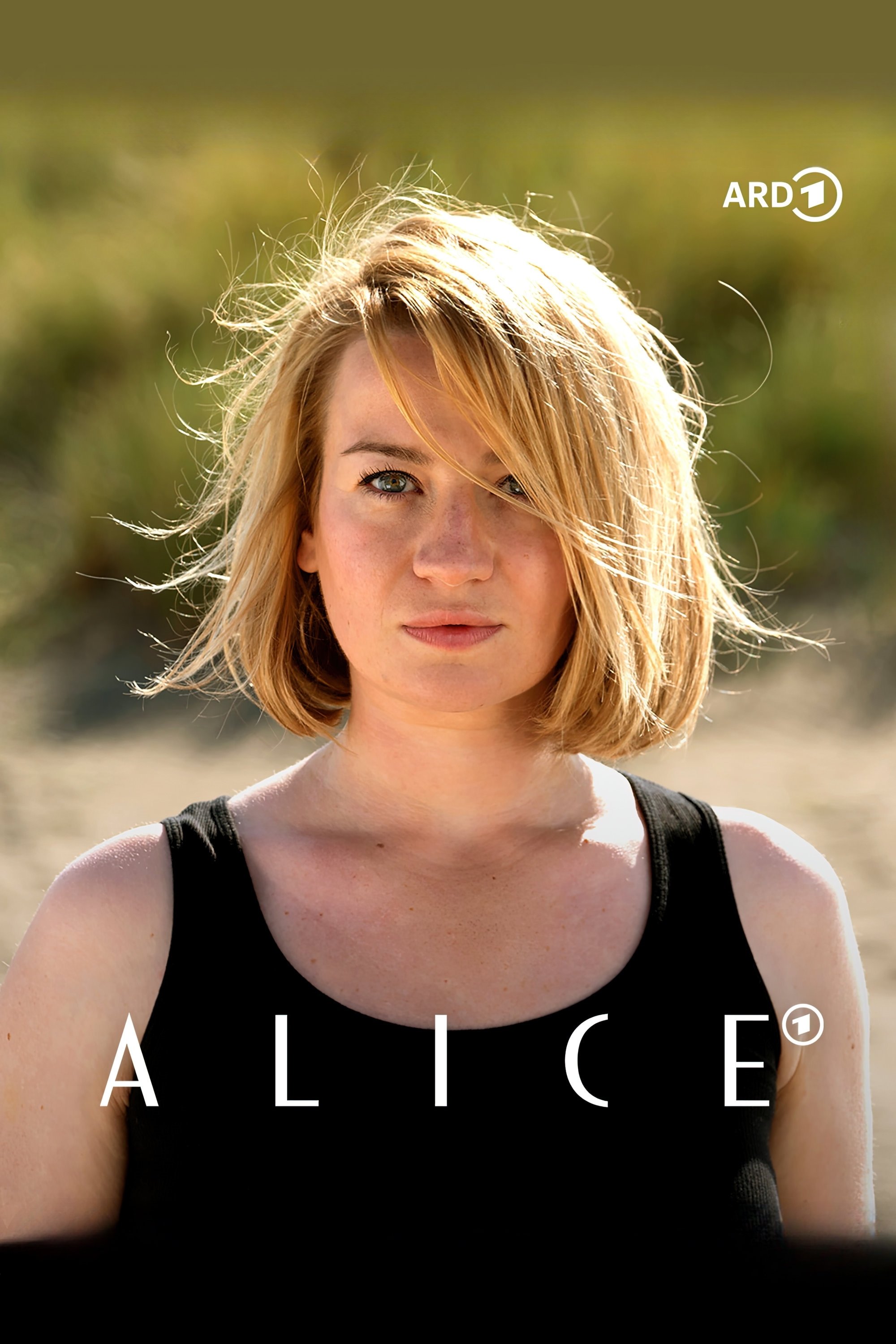
The "Alice" television landscape encompasses multiple notable adaptations and iterations across global broadcasting, most prominently the iconic American sitcom running from 1976 to 1985 and the inventive South Korean sci-fi thriller series broadcast in 2020. This overview examines the production history, thematic execution, and viewing context of the primary television properties sharing this title.
Navigating the Dual Television Identities of "Alice"
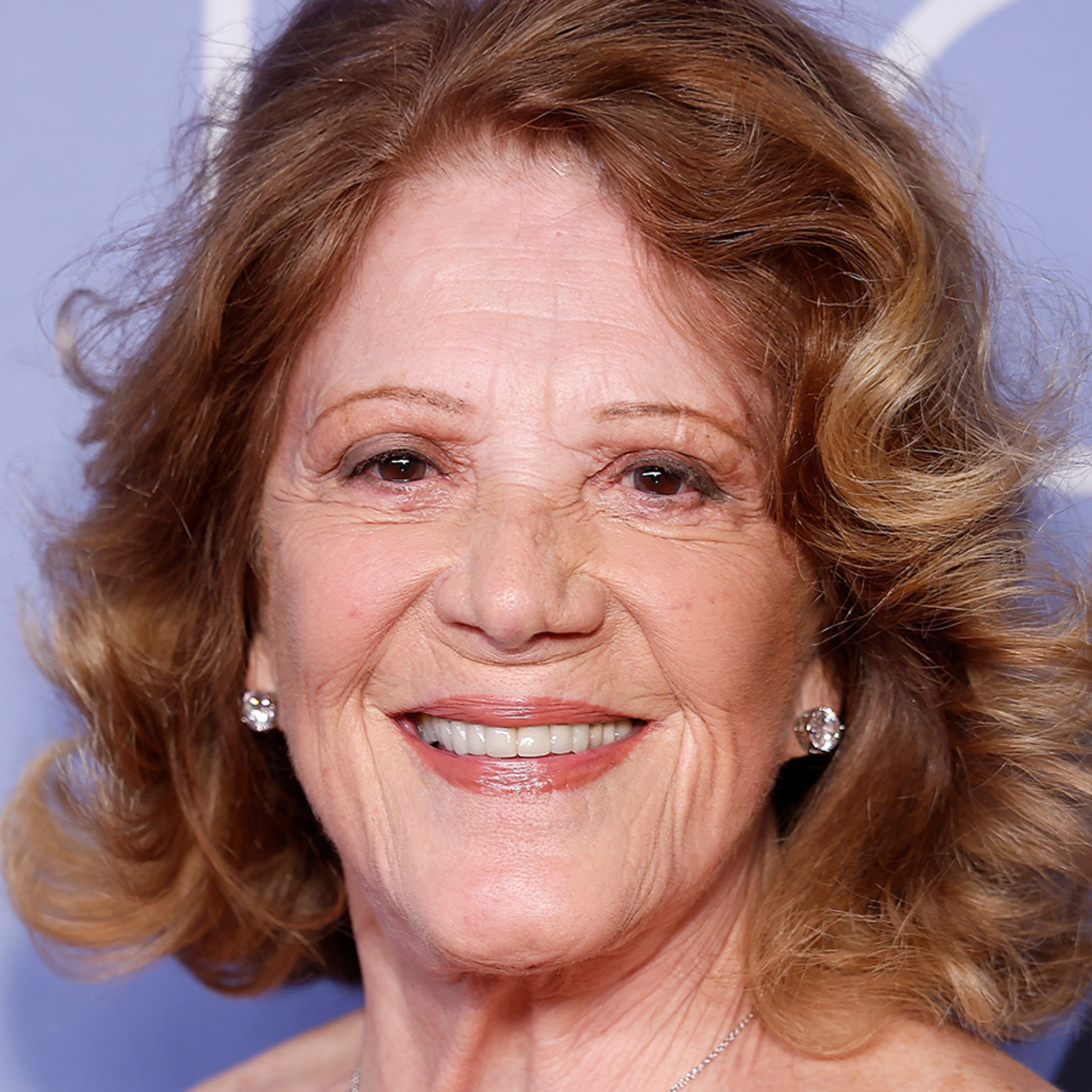
When discussing an Alice TV series, viewers and researchers typically encounter two vastly different yet culturally significant television projects. The first is the long-running American television sitcom Alice, which aired on CBS from 1976 to 1985, starring Linda Lavin and inspired by the Martin Scorsese film Alice Doesn't Live Here Anymore. The second major entry is the 2020 South Korean science fiction and time-travel drama Alice (앨리스), starring Joo Won and Kim Hee-sun.
Distinguishing between these two distinct properties is essential for anyone researching streaming availability, cast details, or broadcast history. While the American sitcom captured the domestic realities of working-class life in the American Southwest through a comedic lens, the South Korean drama explored complex theoretical physics, parallel universes, and temporal mechanics. Understanding these divergent paths ensures clear navigation of their respective production backgrounds, narrative arcs, and critical receptions.
The 1976 CBS Sitcom: Production Heritage and Cultural Legacy
The American sitcom Alice stands as a cornerstone of late-1970s and early-1980s television comedy. Developed by Robert Getchell based on his screenplay for the 1974 film Alice Doesn't Live Here Anymore, the series followed Alice Hyatt, an aspiring singer who finds herself stranded in Phoenix, Arizona, after her husband dies in a car accident. To make ends meet, she takes a job as a waitress at Mel's Diner, a roadside eatery managed by the gruff but soft-hearted Mel Sharples, played by Vic Tayback.
The series ran for nine seasons and 202 episodes, capturing multiple Emmy and Golden Globe nominations and wins. A major component of the show's enduring appeal was its memorable ensemble cast, which included Polly Holliday as the sharp-tongued waitress Flo Castleberry (whose catchphrase "Kiss my grits!" entered the cultural lexicon), Beth Howland as the nervous and timid Vera Louise Gorman, and later Diane Ladd as Isabelle "Belle" Dupree.
Key Characteristics of the 1976 Sitcom
- Setting: Mel's Diner, a fictional roadside diner located outside Phoenix, Arizona.
- Format: Multi-camera television sitcom filmed in front of a live studio audience.
- Core Themes: Single motherhood, economic survival, workplace camaraderie, and personal reinvention.
- Syndication and Availability: The series remains a staple of classic television syndication, though physical home media releases have historically faced licensing hurdles regarding music copyrights.
The 2020 South Korean Sci-Fi Thriller Alice
Shifting genres entirely, the 2020 South Korean series Alice brought a high-concept narrative involving time travel, parallel dimensions, and corporate intrigue to the Seoul Broadcasting System (SBS). Directed by Baek Soo-chan and starring Joo Won as Park Jin-gyu—a detective who discovers the existence of time travelers—and Kim Hee-sun as Yoon Tae-yi/Park Sun-young, a physicist who holds the key to the time-travel device known as "Alice."
The narrative framework of the 2020 series revolves around a corporate entity in the future that facilitates temporal tourism. When anomalies and crimes occur across timelines, detectives from the present and future must intervene. The series blended emotional family melodrama with intricate sci-fi world-building, drawing considerable international viewership through streaming platforms specializing in Asian television content.
Comparative Overview of Major "Alice" Series
| Feature / Attribute | Alice (1976–1985 US Sitcom) | Alice (2020 South Korean Drama) |
|---|---|---|
| Genre | Comedy / Sitcom | Science Fiction / Thriller / Mystery |
| Primary Network | CBS | SBS |
| Episode Count | 202 Episodes (9 Seasons) | 16 Episodes (1 Season) |
| Central Setting | Mel's Diner, Phoenix, Arizona | Seoul, South Korea (with multi-timeline elements) |
| Core Conflict | Economic survival and interpersonal workplace dynamics | Investigating temporal crimes and protecting timeline stability |
| Primary Medium | Broadcast television / Physical media archives | Digital streaming platforms / International broadcast |
Thematic Elements and Character Dynamics
Both television projects use the name Alice as a vehicle for exploring displacement, adaptation, and resilience, albeit within drastically different narrative universes. In the 1976 sitcom, displacement is primarily socioeconomic and geographic. Alice Hyatt is a widow thrust into a low-wage service industry job far from her New Jersey roots, forced to balance her artistic aspirations with the daily grind of working for a demanding boss alongside eccentric coworkers. The workplace serves as a crucible where enduring friendships are forged, offering a sympathetic look at working-class struggles in the American West.
Conversely, the 2020 South Korean thriller examines displacement across temporal and dimensional boundaries. The protagonist, Jin-gyu, experiences severe emotional detachment due to a childhood trauma linked to the misuse of time travel. The conceptual "Alice" organization acts as a literal bridge between eras, raising ethical questions about humanity's desire to alter the past and control the future. Both series, despite their tonal differences, center on protagonists who must adapt to entirely unexpected environments and reclaim agency over their lives.
Access, Viewing Options, and Modern Availability
Locating and streaming either Alice series requires understanding the distribution rights associated with classic television versus contemporary international dramas. For fans of the 1976 CBS sitcom, finding complete streaming episodes can be challenging due to complex music licensing agreements and older syndication contracts, though select seasons have occasionally appeared on physical media releases or curated retro streaming networks. Viewers should verify current catalog availability on major subscription video-on-demand services depending on their geographic region.
For the 2020 South Korean sci-fi series, international distribution is more standardized. The series is typically licensed to global streaming platforms that specialize in Korean dramas, complete with subtitles in multiple languages. Viewers seeking to watch the 2020 production can look to authorized legal streaming distributors holding regional broadcasting rights for SBS content.
Frequently Asked Questions
Where can I watch the original 1976 "Alice" sitcom?
Streaming availability for the 1976 CBS sitcom Alice varies frequently due to licensing agreements and music copyrights. While select episodes or seasons may appear on specialized classic television platforms or physical DVD releases, there is no single permanent streaming home with global rights. Viewers should check current digital storefronts or subscription services specializing in retro television archives.
Is the 2020 South Korean series "Alice" connected to the American sitcom?
No. The 2020 South Korean drama Alice and the 1976 American sitcom share only a name. The South Korean series is an original science fiction thriller dealing with time travel and parallel universes, whereas the American sitcom is a character-driven comedy set in a roadside diner in Arizona.
Who created the character of Alice Hyatt in the 1976 series?
The character of Alice Hyatt was originally created by screenwriter Robert Getchell for the 1974 Martin Scorsese film Alice Doesn't Live Here Anymore, for which actress Ellen Burstyn won an Academy Award. Getchell subsequently developed the television adaptation for CBS, where Linda Lavin assumed the iconic title role.
How many episodes of the South Korean sci-fi series "Alice" were produced?
The 2020 South Korean series Alice consists of 16 main episodes. In international syndication and certain streaming formats, these episodes are sometimes re-edited or split into a higher count to accommodate local advertising structures, but the original broadcast run comprised 16 distinct installments.
What inspired the catchphrase "Kiss my grits!" from the 1976 sitcom?
The famous catchphrase was popularized by the character Flo Castleberry, played by Polly Holliday. The line became a massive pop culture phenomenon during the late 1970s, symbolizing defiant working-class sass and Southern colloquial humor, and was even spun off into its own short-lived television series titled Flo.
Optimizing Your Search and Viewing Strategy
When searching for either television property, using specific contextual modifiers ensures accurate results. Including the release year—such as typing "Alice 1976 TV show" or "Alice 2020 K-drama"—prevents confusion with unrelated literary adaptations like Lewis Carroll’s Alice's Adventures in Wonderland or other similarly titled media properties. Verifying platform licensing before committing to a series ensures uninterrupted access to whichever version matches your viewing preferences.