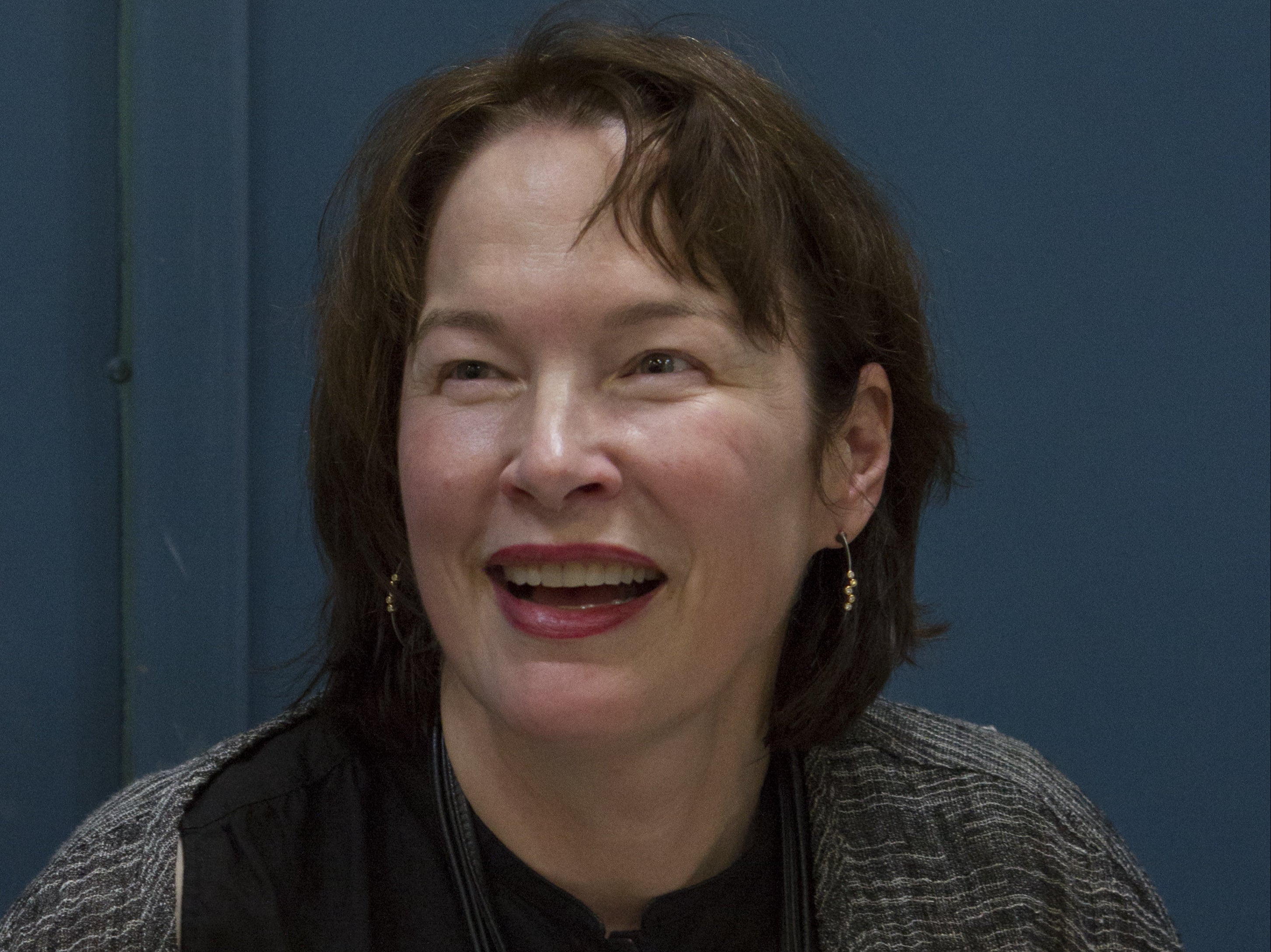
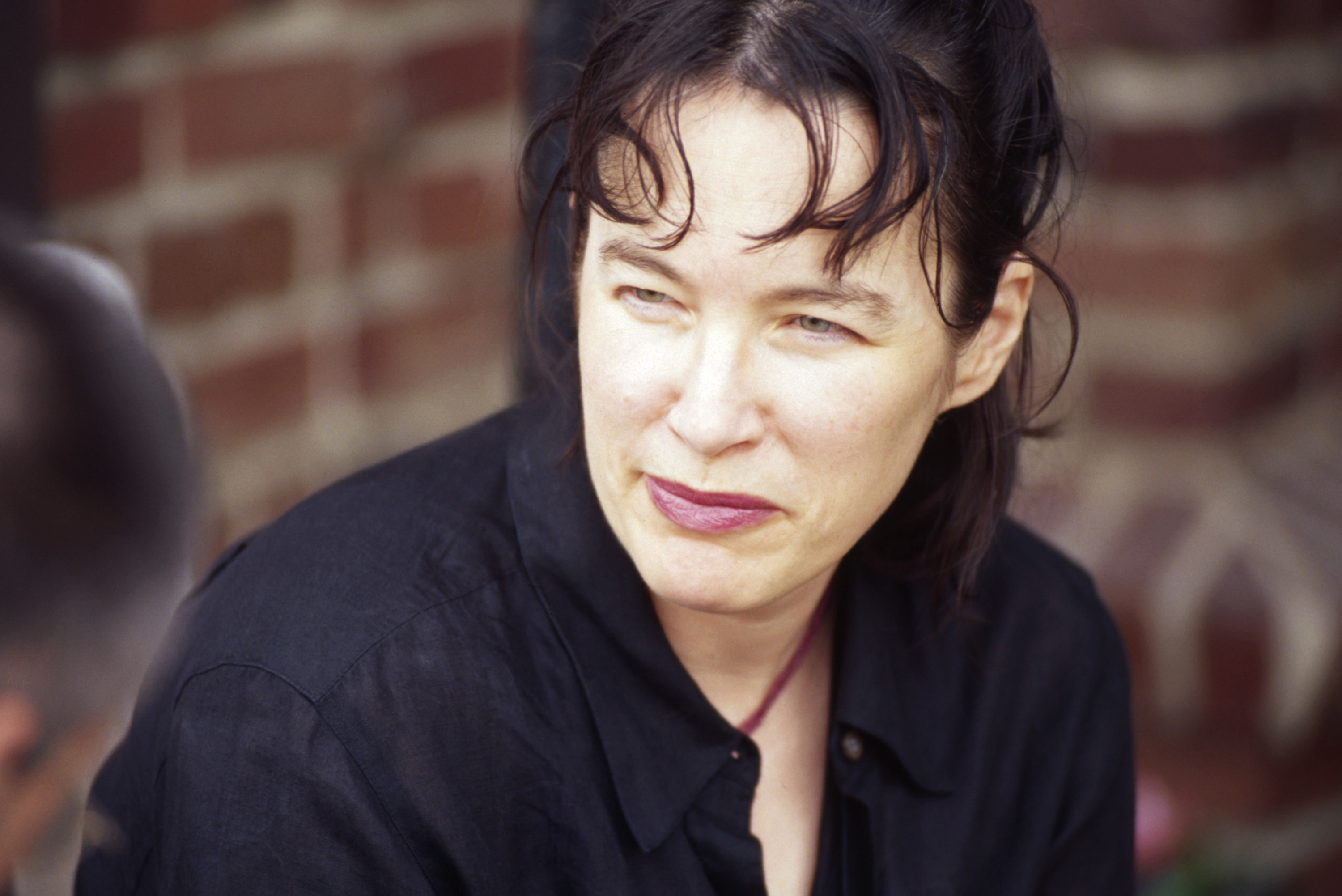
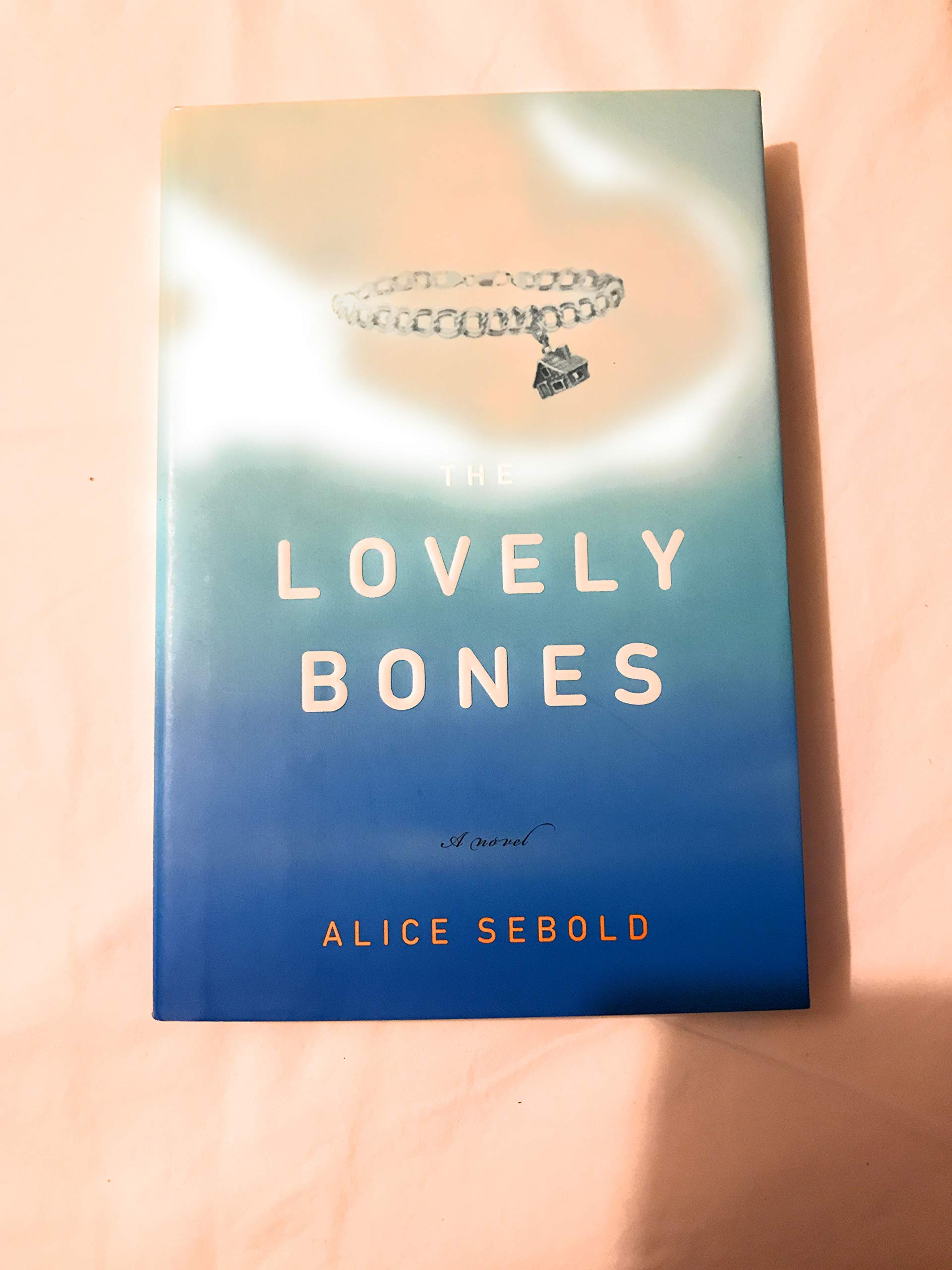
Alice Sebold is an American author best known for her internationally acclaimed 2002 novel The Lovely Bones and her harrowing 1999 memoir Lucky, which chronicled her college rape and its aftermath. Her body of work examines trauma, grief, survival, and the complexities of justice through distinct narrative lenses that blend literary realism with psychological depth.
The Early Life and Formative Experiences of Alice Sebold
Born on December 6, 1963, in Madison, Wisconsin, Alice Sebold spent her formative years growing up in suburban Pennsylvania. Her early life was marked by ordinary domestic routines intertwined with an underlying tension that she would later document in her non-fiction writing. She attended Syracuse University, where her college experience was violently upended in May 1980 when she was assaulted in a tunnel near the campus. This traumatic event profoundly altered her worldview and became the central axis of her early writing career.
Following the assault, Sebold struggled with drug addiction and the psychological aftermath of trauma before eventually channeling her experiences into writing. She attended the University of California, Irvine, where she earned her Master of Fine Arts degree. Her path to publication was not immediate; she worked various jobs while attempting to process her past through prose. Her initial literary efforts focused on understanding how individuals survive cataclysmic disruptions to their safety and psychological equilibrium. This foundation informed every major publication that followed, establishing her reputation as a writer willing to confront taboo and deeply painful subjects with unflinching honesty.
Lucky: The Breakthrough Memoir and Legal Retribution
Published in 1999, Sebold’s debut book, Lucky, detailed the horrific sexual assault she survived as an undergraduate at Syracuse University and the subsequent investigation and trial. The title was a grim irony offered by a police officer who told her she was "lucky" she wasn't murdered, given the brutality of the attack. The memoir gained critical attention for its raw, unvarnished depiction of trauma, the callousness of the legal system toward victims, and the arduous process of emotional recovery. It resonated deeply with readers and critics alike, establishing Sebold as a formidable new voice in American non-fiction.
However, decades after its publication, Lucky became the center of a profound controversy that reshaped its legacy. In 2021, Anthony Broadwater, the man convicted of Sebold's 1981 rape and who served 16 years in prison, was exonerated after a reinvestigation revealed systemic flaws in the original police work, including tainted evidence and questionable prosecutorial practices. Following Broadwater's exoneration, publisher Scribner suspended publication of the memoir, and Sebold issued a public apology to Broadwater for the wrongful imprisonment he suffered. This historical reversal complicated the public perception of the memoir, transitioning the book from a straightforward testament of survival to a complex case study on the fallibility of eyewitness testimony and memory in the criminal justice system.
The Phenomenal Success of The Lovely Bones
In 2002, Sebold published her debut novel, The Lovely Bones, which became an extraordinary cultural and commercial phenomenon. Narrated from the perspective of Susie Salmon, a 14-year-old girl who watches her family and murderer from "the in-between" heaven after being raped and murdered, the book subverted traditional thriller tropes. Instead of focusing primarily on a high-stakes police procedural, Sebold placed grief, familial endurance, and the emotional ecosystem of mourning at the center of the narrative.
The novel spent over a year on the New York Times bestseller list, was translated into more than forty languages, and sold millions of copies worldwide. Critics praised Sebold's ability to balance the dark subject matter with moments of unexpected grace, warmth, and dark humor. The book's immense popularity led to a 2009 film adaptation directed by Peter Jackson and starring Saoirse Ronan, which brought Sebold's imaginative landscape to a broader cinematic audience. The Lovely Bones remains a watershed text in contemporary American fiction, demonstrating that narratives dealing with profound trauma could achieve massive mainstream success without sacrificing literary merit.
The Almost Moon: Exploring Complex Maternal Relationships
Following the immense shadow cast by The Lovely Bones, Sebold published her third book and second novel, The Almost Moon, in 2007. The novel marked a sharp stylistic and thematic departure from her previous work, opening with a shocking, transgressive act: the protagonist, Helen Knightly, kills her aging, emotionally abusive mother, Clara. The narrative unfolds over the subsequent twenty-four hours, exploring Helen's history, her difficult childhood, and the suffocating bonds of maternal love and mental illness.
The Almost Moon received polarized reviews upon its release, contrasting sharply with the universal acclaim of The Lovely Bones. While some critics lauded Sebold for her courage in tackling the dark, unglamorous aspects of filial obligation, mental deterioration, and patricide/matricide, others found the narrative relentless and difficult to digest. The book tested the boundaries of reader empathy, forcing audiences to grapple with a protagonist who commits an unforgivable act yet remains deeply humanized through Sebold's psychological prose. It solidified Sebold's authorial identity as a writer uninterested in comforting tropes, choosing instead to examine the darkest corners of domestic psychology.
Overview of Major Works by Alice Sebold
| Title | Publication Year | Literary Form | Central Theme | Notable Reception / Outcome |
|---|---|---|---|---|
| Lucky | 1999 | Memoir | Survival, trauma, and the legal system | Critical acclaim upon release; publication suspended in 2021 following the exoneration of Anthony Broadwater. |
| The Lovely Bones | 2002 | Novel | Grief, family dynamics, and an afterlife perspective | Massive global bestseller; adapted into a major feature film in 2009 directed by Peter Jackson. |
| The Almost Moon | 2007 | Novel | Maternal abuse, filicide, and psychological breaking points | Polarizing critical reception for its unflinching exploration of a taboo domestic crime. |
Frequently Asked Questions About Alice Sebold
What is Alice Sebold's most famous book?
Alice Sebold's most famous book is her 2002 debut novel, The Lovely Bones. The book tells the story of Susie Salmon, a murdered teenager observing her grieving family from heaven, and became a massive international bestseller, cementing her status as a major literary figure.
Why was Lucky taken out of print?
Publisher Scribner suspended publication of Lucky in 2021 after Anthony Broadwater, the man convicted of Sebold's 1981 rape, was exonerated. DNA testing and a judicial review proved that the original conviction relied on flawed evidence and mistaken eyewitness identification, leading Sebold to issue a formal apology.
How did The Lovely Bones impact contemporary literature?
The Lovely Bones popularized a subgenre of literary fiction that deals with dark, traumatic subject matter through an imaginative, empathetic lens. By focusing on the emotional aftermath experienced by the victim's family rather than solely on the mechanics of a criminal investigation, it changed how modern novelists approach grief and recovery.
Did Alice Sebold write any other novels after The Lovely Bones?
Yes, Alice Sebold published her second novel, The Almost Moon, in 2007. The book examines complex and dysfunctional mother-daughter relationships, beginning with a woman who murders her aging mother after years of psychological abuse.
What stylistic elements define Alice Sebold's writing?
Sebold's writing is characterized by its unflinching confrontation with trauma, psychological realism, and unique narrative perspectives—such as a narrator in heaven or a protagonist who commits an unspeakable act. Her prose balances dark subject matter with moments of acute vulnerability and domestic observation.
Next Steps for Studying Sebold's Oeuvre
For readers, researchers, and students seeking to engage deeply with Alice Sebold’s contributions to modern literature, the most productive approach involves contextualizing her fiction alongside the evolving discourse surrounding trauma narratives and memoirs. Begin by examining The Lovely Bones to understand her mastery of grief-focused narrative structures, then explore The Almost Moon to observe her willingness to challenge reader sympathies. When studying her memoir Lucky, readers must evaluate the text through the dual lens of its historical reception as a survival narrative and its modern re-evaluation in light of the 2021 exoneration of Anthony Broadwater, making her body of work a profound study in both literature and the complexities of the justice system.