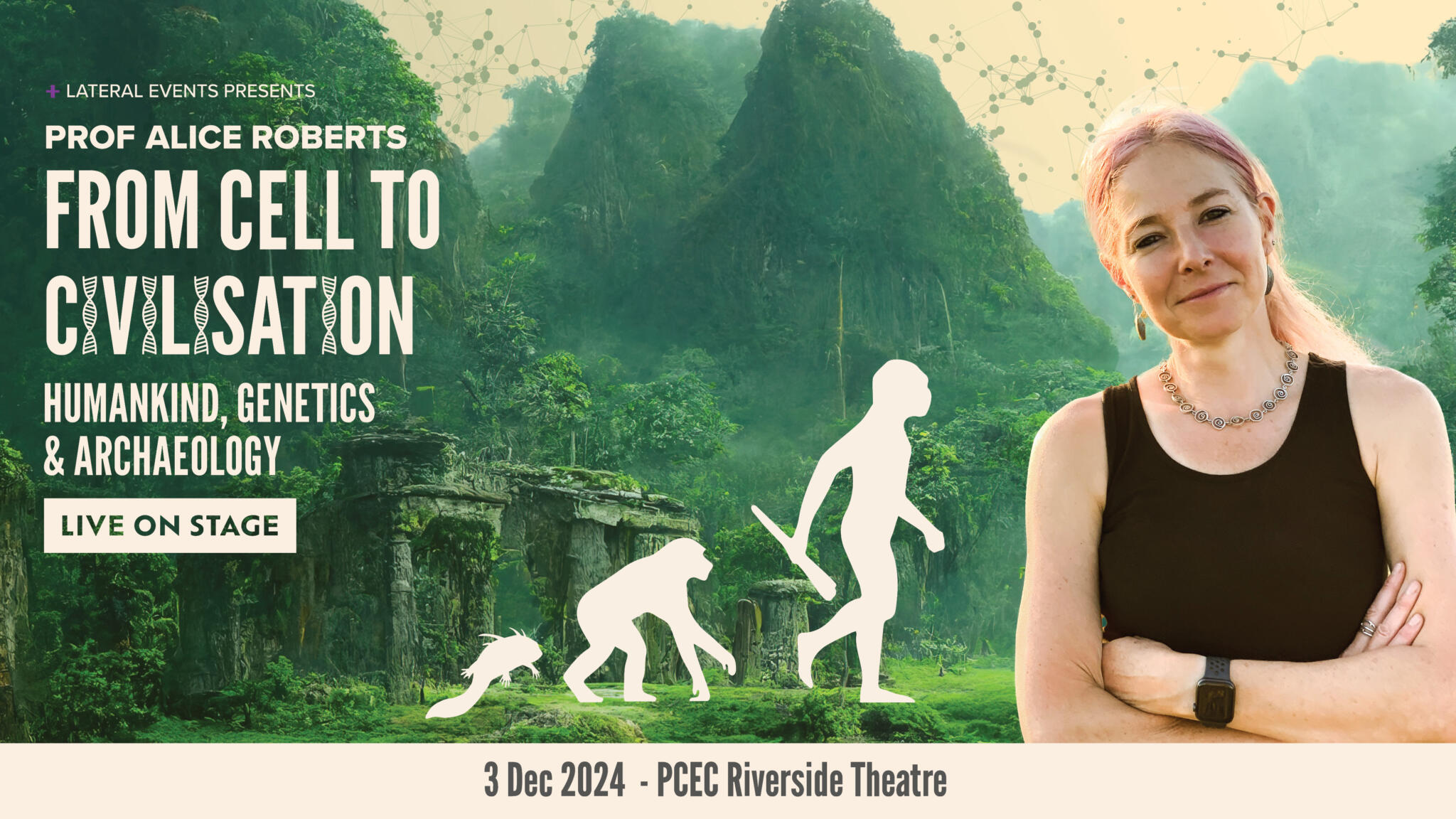
Professor Alice Roberts is a renowned British biological anthropologist, author, television presenter, and medical doctor. Serving as Professor of Public Engagement in Science at the University of Birmingham, she has authored numerous bestselling books on human evolution, archaeology, and genetics, while presenting acclaimed documentary series including Digging for Britain, The Incredible Human Journey, and Coast.
Early Life, Education, and Medical Background
Alice May Roberts was born on March 8, 1973, in Bristol, England. Raised in Westbury-on-Trym, she displayed an early affinity for both art and the biological sciences. She attended The Red Maids' School in Bristol before pursuing medical studies at the University of Bristol. In 1997, she graduated with a Bachelor of Medicine, Bachelor of Surgery (MBChB) degree, qualifying as a medical doctor.
Following her graduation, Roberts worked as a junior doctor in the National Health Service (NHS), focusing on general surgery and clinical anatomy. Her clinical duties exposed her to the intricate structural details of human anatomy, which sparked her interest in osteology, palaeopathology, and evolutionary history. During her clinical tenure, she taught anatomy to medical students at the University of Bristol, a role that eventually propelled her transition from hospital wards to full-time academia and research.
To ground her anatomical expertise in evolutionary biology, Roberts pursued postgraduate research at the University of Bristol. She completed a Master of Science (MSc) degree in Biological Anthropology and later earned her Doctor of Philosophy (PhD) in paleopathology in 2008. Her doctoral thesis examined the paleopathology of ancient human skeletons, analyzing disease markers, traumatic injuries, and morphological variations across historical populations.
Academic Career and Public Engagement at Birmingham
After serving for over a decade as a Senior Teaching Fellow in Anatomy at the University of Bristol's Centre for Comparative and Clinical Anatomy, Roberts joined the University of Birmingham in 2012. She was appointed to the newly created chair as Professor of Public Engagement in Science, a position designed to bridge the gap between rigorous scientific research and public understanding.
- NHS Clinical Practice
- University of Bristol Anatomy Lecturer
- PhD in Paleopathology (Bristol, 2008)
- Professor of Public Engagement (Birmingham, 2012–Present)
In her academic role at Birmingham, Roberts has championed interdisciplinary approaches combining physical anthropology, ancient DNA (aDNA) analysis, archaeology, and history. Her work emphasizes how bioarchaeological data can illuminate population movements, disease vectors, and cultural shifts throughout European and global history.
Beyond her research and teaching duties, Roberts is deeply involved in national science communication strategy. She frequently delivers named lectures at scientific summits, collaborates with museum curators, and advocates for STEM education, particularly encouraging women to pursue careers in physical sciences, bioarchaeology, and medicine.
Television Career and Landmark Media Projects
Alice Roberts first broke into television in 2001 on the long-running Channel 4 archaeology series Time Team. Brought in as a specialist human osteologist, she analyzed excavated skeletal remains directly on site, translating complex biological data into accessible narratives for viewers. Her clear communication style and scientific rigor quickly led to larger broadcasting roles.
Her major breakthrough as a lead presenter came with the BBC series Coast in 2005, where she explored the natural history, geology, and human heritage of the British coastline. Following the success of Coast, the BBC commissioned several flagship documentary series fronted by Roberts:
- The Incredible Human Journey (2009): A five-part BBC series examining how genetic and archaeological evidence traces the migration of modern humans out of Africa across the globe.
- Origins of Us (2011): A three-part series exploring how human anatomical adaptations—such as bipedalism, brain expansion, and jaw modification—shaped human evolution.
- Ice Age Giants (2013): A documentary leveraging paleontology and CGI to analyze the megafauna that dominated North America and Europe during the last glacial period.
- Digging for Britain (2010–Present): A popular flagship archaeological series broadcasting annual overviews of major excavations, field projects, and bioarchaeological discoveries across the United Kingdom.
- Britain's Most Historic Towns (2018–Present): A Channel 4 historical series using urban topography, archaeology, and social history to trace the evolution of key British settlements.
Through her television work, Roberts has established herself as one of the United Kingdom's most respected science communicators, demonstrating how modern laboratory techniques like isotope analysis and ancient genomics can re-evaluate historical narratives.
Published Books and Research Contributions
In addition to her screen presence, Roberts is a prolific author of popular science, history, and academic literature. Her books combine rigorous scientific evidence with accessible storytelling, often illustrated with her own anatomical drawings and field observations.
| Book Title | Publication Year | Primary Focus & Core Subject |
|---|---|---|
| Don't Die Young: An Anatomist's Guide to Your Organs | 2007 | Preventive health, organ function, and practical human anatomy. |
| The Incredible Human Journey | 2009 | Global human migration patterns based on genetics and archaeology. |
| Evolution: The Human Story | 2011 | Comprehensive visual guide to human ancestors and hominin lineages. |
| The Celts: Search for a Civilization | 2015 | Interdisciplinary reassessment of Iron Age European cultures. |
| Tamed: Ten Species That Changed Our World | 2017 | Domestication history of plants and animals (e.g., dogs, wheat, cattle). |
| Ancestors: A History of Britain in Thirteen Burials | 2021 | Bioarchaeological analysis of British prehistory through burial sites. |
| Buried: An Alternative History of the First Millennium | 2022 | Early medieval Britain analyzed through funerary practices and aDNA. |
| Crypt: Life, Death and Disease in the Middle Ages | 2024 | Medieval pathology, plagues, and societal shifts revealed by bone analysis. |
Her published titles have received critical acclaim for integrating osteological data with broader social histories, demonstrating how physical remains reveal information about diet, mobility, trauma, and disease in ancient societies.
Net Worth Analysis and Financial Overview
Public interest in Alice Roberts' financial standing frequently leads to inquiries regarding her net worth. While exact personal financial registers are private under UK law, media production estimates and public financial records allow for a realistic evaluation of her earnings and asset base.
As of 2026, external media analysts estimate Alice Roberts' net worth to be between $2 million and $5 million (£1.5 million to £4 million). This financial profile stems from multiple diversified income streams accumulated over a career spanning more than two decades in academia and national media:
- Academic Salary: As a full Professor at a major Russell Group institution (University of Birmingham), her academic salary aligns with UK university professorial pay scales, providing a stable baseline income.
- Broadcasting and Television Production Contracts: Presenting prime-time television programs for major networks including BBC, Channel 4, and international syndication partners generates substantial talent fees and presentation royalties.
- Book Advances and Royalties: Authoring numerous bestselling hardback and paperback books released by international publishers (such as Simon & Schuster and Dorling Kindersley) yields consistent royalty streams and rights sales worldwide.
- Public Speaking and Event Hosting: Roberts is a sought-after keynote speaker at corporate events, international science festivals, literary conventions, and academic summits, which command professional speaking fees.
- Voiceover and Audio Work: Narration for audiobooks, educational media, museum exhibitions, and radio documentaries adds further professional revenues.
Unlike commercial influencers, Roberts' financial foundation reflects a traditional academic and media career, characterized by institutional employment, literary publishing, and high-end factual television production.
Advocacy, Leadership Roles, and Humanism
Beyond her academic and broadcasting commitments, Roberts is a public figure in secular advocacy, rationalism, and science communication. From January 2019 to December 2022, she served as the President of Humanists UK, a national charity advocating for secularism, human rights, and evidence-based public policy.
As President of Humanists UK, Roberts advocated for the reform of state education, supporting a national curriculum that emphasizes critical thinking, scientific literacy, and inclusive relationships education. She frequently addresses public debates concerning bioethics, science policy, freedom of thought, and the preservation of historic heritage.
She has received multiple honors for her contributions to science communication and public engagement:
- Honorary Doctorates: Awarded honorary doctorates in science and medicine from several British universities in recognition of her contributions to public science literacy.
- Royal Society David Attenborough Award (Nominee/Recognition): Celebrated for sustained excellence in public science broadcasting.
- Fellowships: Fellow of the Royal Society of Biology and Fellow of the Royal Society of Arts.
Key Biography and Profile Summary
The following summary table outlines the biographical details, institutional affiliations, and key achievements of Professor Alice Roberts:
| Feature / Category | Details |
|---|---|
| Full Name | Alice May Roberts |
| Date of Birth | March 8, 1973 |
| Place of Birth | Bristol, England, United Kingdom |
| Primary Professions | Biological Anthropologist, Medical Doctor, TV Presenter, Author |
| Current Academic Role | Professor of Public Engagement in Science, University of Birmingham |
| Medical Qualification | MBChB (University of Bristol, 1997) |
| Postgraduate Degrees | MSc in Biological Anthropology; PhD in Paleopathology (University of Bristol, 2008) |
| Major TV Series | Time Team, Coast, The Incredible Human Journey, Digging for Britain |
| Notable Books | Evolution: The Human Story, Tamed, Ancestors, Buried, Crypt |
| Leadership Roles | President of Humanists UK (2019–2022) |
| Estimated Net Worth | $2 Million – $5 Million (£1.5M – £4M EST) |
Frequently Asked Questions
Is Professor Alice Roberts a qualified medical doctor?
Yes, Alice Roberts qualified as a medical doctor in 1997, earning her MBChB degree from the University of Bristol. She practiced as an NHS junior doctor specializing in general surgery before shifting her professional focus to university anatomy instruction, biological anthropology, and paleopathology research.
What is Alice Roberts' current academic position?
Since 2012, Alice Roberts has served as the Professor of Public Engagement in Science at the University of Birmingham. In this role, she leads research initiatives, lectures in bioarchaeology and human evolution, and develops strategies to improve public access to scientific research.
What was Alice Roberts' thesis topic for her PhD?
Roberts earned her PhD in paleopathology from the University of Bristol in 2008. Her doctoral research focused on bioarchaeology and ancient pathology, examining skeletal remains to diagnose disease, physical trauma, and health conditions in past human populations.
Is Alice Roberts still presenting Digging for Britain?
Yes, Alice Roberts remains the primary presenter and lead academic mind behind the BBC series Digging for Britain. The show continues to showcase major archaeological excavations, ancient DNA breakthroughs, and osteological studies across the United Kingdom.
What served as the foundation for her book Tamed?
In Tamed: Ten Species That Changed Our World (2017), Roberts explores the genetic and archaeological histories of ten species—including dogs, wheat, cattle, and maize—that humans domesticated. The book combines evolutionary genetics, bioarchaeology, and history to show how mutual adaptation reshaped both human civilization and planetary ecosystems.
How to Explore Alice Roberts' Scientific and Media Work
For students, researchers, and history enthusiasts interested in exploring the scientific contributions of Professor Alice Roberts, the following steps offer direct avenues for further study:
- Access Peer-Reviewed Publications: Consult academic portals such as Google Scholar or ResearchGate to review her papers on paleopathology, skeletal morphology, and biological anthropology.
- Explore Academic Content at Birmingham: Visit the University of Birmingham Research Portal to access lecture schedules, institutional white papers, and scientific outreach initiatives led by her department.
- View Documentary Archives: Stream Digging for Britain, The Incredible Human Journey, and Origins of Us via educational streaming libraries or national archives like BBC iPlayer to observe modern bioarchaeological methodologies applied to field sites.
- Read the Prehistoric Britain Trilogy: To gain a comprehensive understanding of British bioarchaeology, read her connected trilogy of historical books: Ancestors (Prehistory), Buried (First Millennium), and Crypt (Middle Ages).