Alice Hoffman’s recent literary output continues her legacy as a preeminent voice in magical realism, headlined by standalone works like The Invisible Hour and the grand culmination of her Owens family saga in The Book of Magic. Readers and critics consistently praise her seamless synthesis of historical detail, ancestral curses, literary enchantment, and botanical folklore across her published works.
Overview of Alice Hoffman’s Recent Releases and Literary Evolution
For over four decades, Alice Hoffman has crafted a distinctive space in American fiction where the mundane world intersects with extraordinary enchantment. Her writing does not present magic as a high-fantasy system with complex rules of wizardry; instead, she treats magic as an organic element of human emotion, nature, and lineage. In her recent publications, Hoffman has deepened this exploration, shifting between rich historical canvases and intimate contemporary settings.
Her recent major adult release, The Invisible Hour, explores the magical spell cast by literature itself, examining how books can cross temporal boundaries to rescue readers from despair. This publication follows the conclusion of her celebrated Practical Magic series, which expanded from its iconic 1995 original novel into a multi-generational tetralogy detailing the Owens family lineage across centuries. Simultaneously, Hoffman has continued to release acclaimed middle-grade works, such as The Museum of Lost and Found, demonstrating her ability to adapt themes of grief, wonder, and mystery for younger audiences.
Across these releases, reviewers have noted a maturation in Hoffman's craft. While her early works often focused on small-town romances touched by quiet eccentricities, her modern novels tackle weightier themes—religious extremism, historical trauma, maternal sacrifice, and literary heritage—without shedding the luminous, dreamlike prose that defines her brand of magic.
Deep Dive into The Invisible Hour: Literary Magic and Time-Bending Realism
Published in August 2023, The Invisible Hour serves as a love letter to the transformative power of reading. The narrative centers on Mia, a young woman raised within the claustrophobic confines of the Community, an oppressive, anti-intellectual cult based in western Massachusetts. Led by a tyrannical patriarch named Joel, the cult strictly forbids external books, personal autonomy, and individual expression.
Mia’s life changes when she discovers a hidden copy of Nathaniel Hawthorne’s 1850 masterpiece, The Scarlet Letter, in a local library. As Mia reads the story of Hester Prynne, she realizes her own mother’s struggle mirrors Hester’s plight. The act of reading becomes an act of rebellion, establishing a mystical bridge between Mia and the long-deceased Hawthorne himself.
- Cult Captivity (The Community)
- Discovery of "The Scarlet Letter"
- Magical Temporal Bridge
- Personal Liberation & Choice
The magical core of The Invisible Hour manifests not through explicit spells or potion-making, but through a time-bending connection between author and reader. Hoffman bends reality so that Mia’s passion for the text allows her to step past the physical boundaries of her era and encounter Hawthorne in 1830s Massachusetts.
Critical reception for The Invisible Hour highlighted Hoffman's skill in blending literary analysis with romantic magical realism. Reviews in major literary journals applauded how the novel treats the written word as a physical sanctuary. While a minority of critics noted that the temporal transition relies heavily on suspension of disbelief, most readers embraced the narrative as a compelling meditation on how stories give individuals the courage to rewrite their own destinies.
The Practical Magic Series Legacy: From Historical Roots to The Book of Magic
While standalone works showcase Hoffman’s versatility, her four-book Owens family series remains her most famous contribution to magical fiction. Understanding her recent release patterns requires examining how she systematically expanded and ultimately concluded this beloved universe.
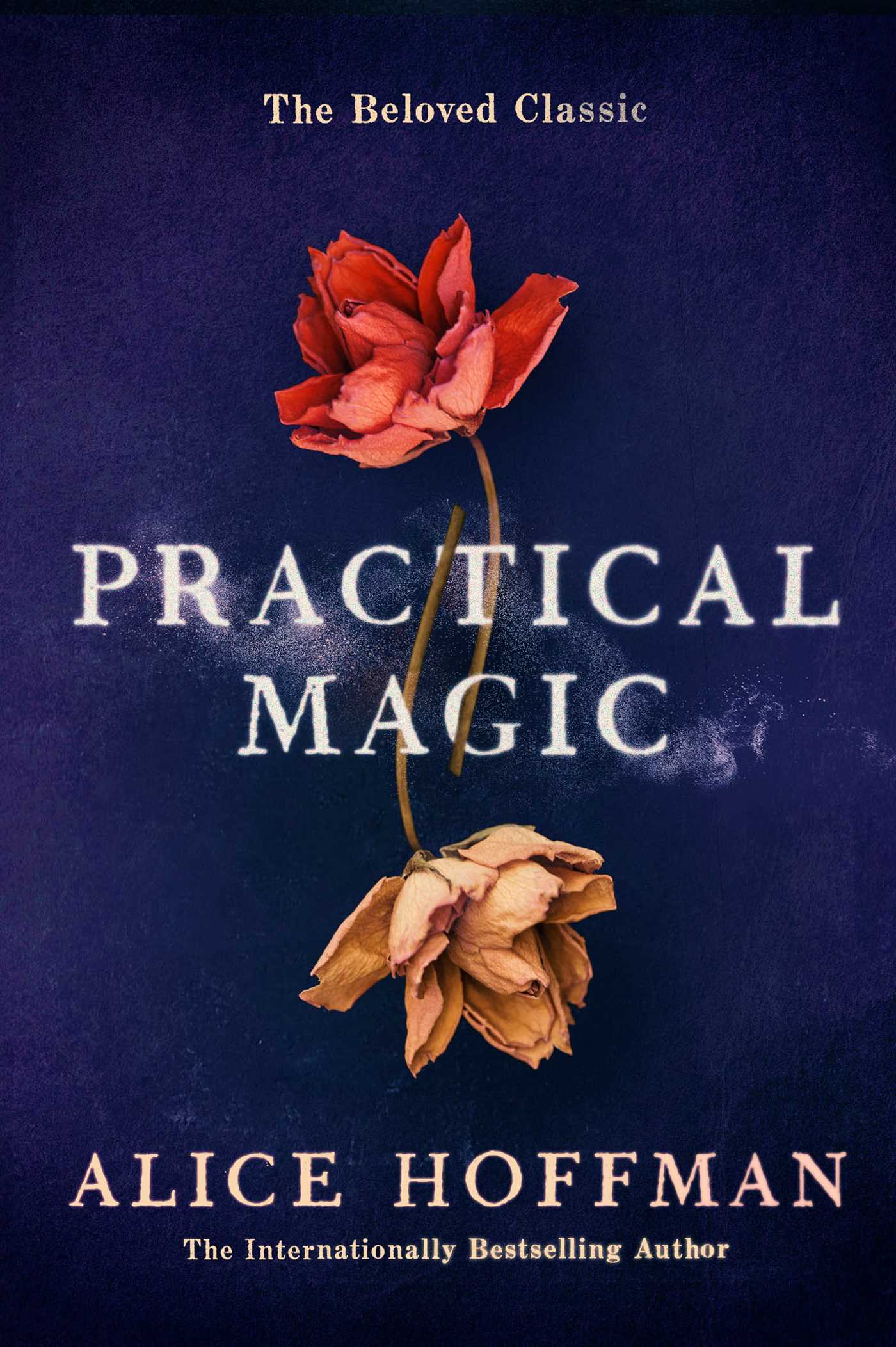
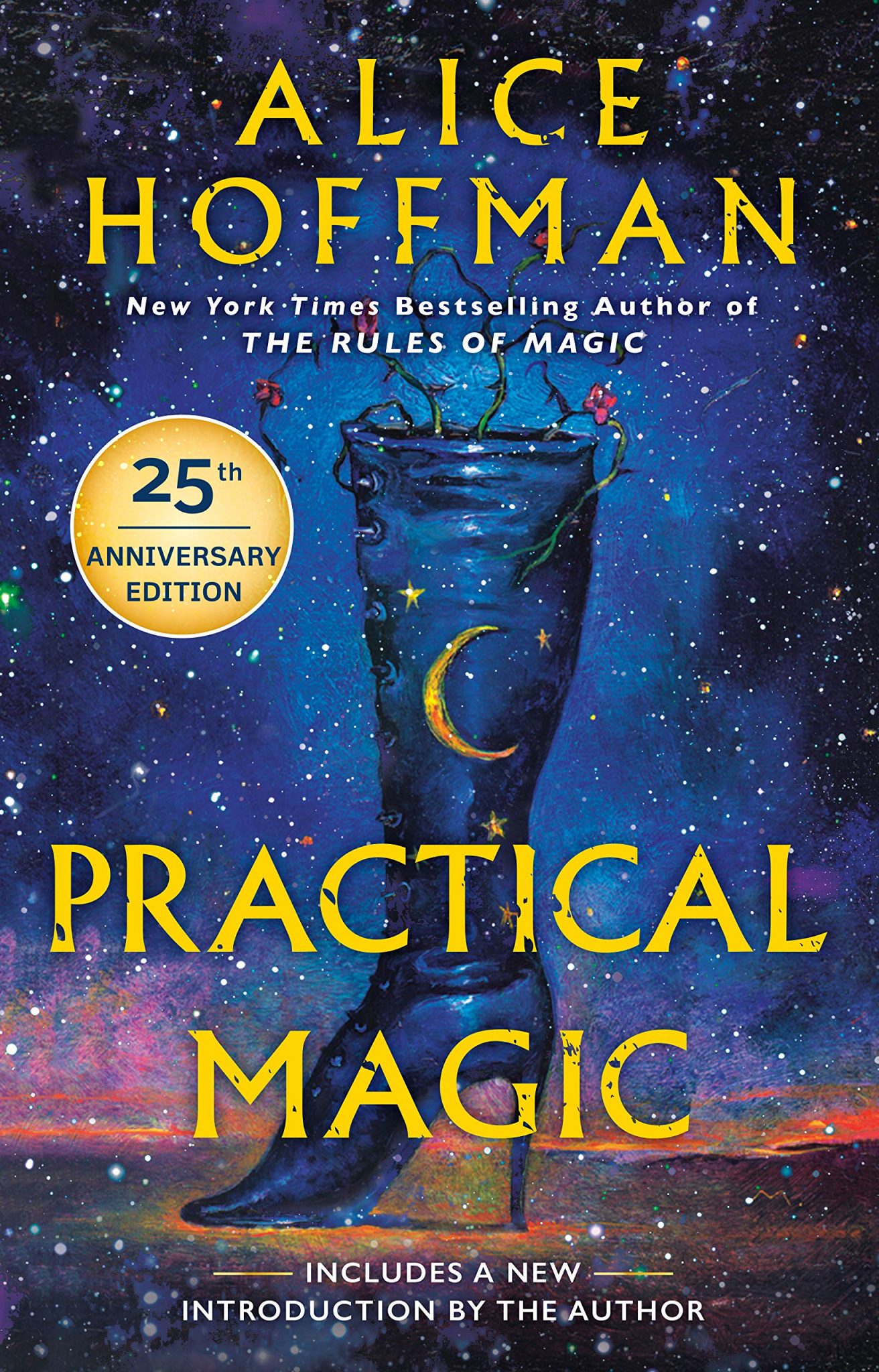
The series began with Practical Magic (1995), introducing sisters Sally and Gillian Owens, who navigate modern life under the weight of a 300-year-old family curse: any man who falls in love with an Owens woman is doomed to an untimely death. Decades after its publication, Hoffman returned to the lineage to build a rich historical foundation before offering a final resolution:
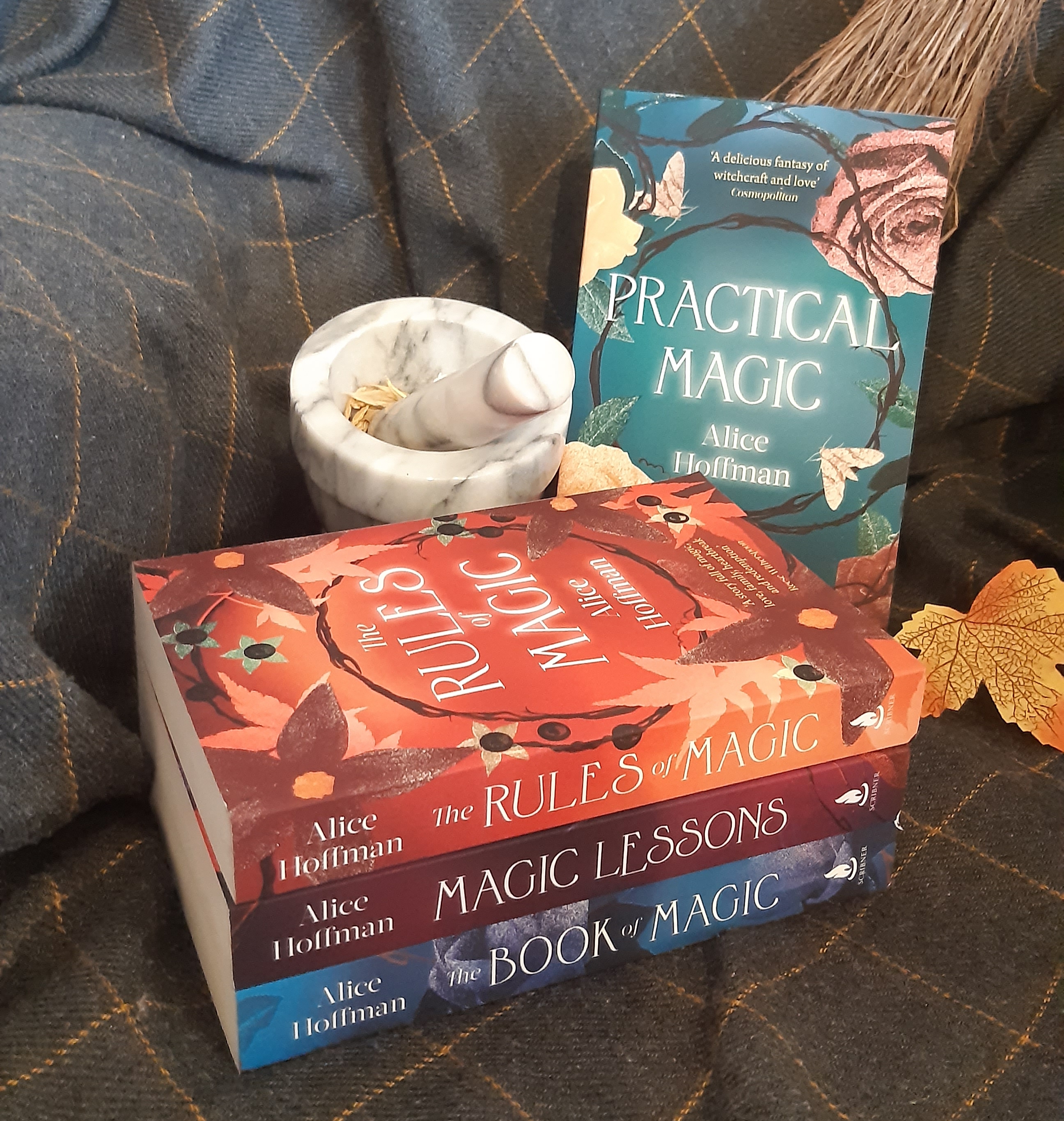
- ** Magic Lessons (2020):** Set in seventeenth-century England and Salem, Massachusetts, this prequel tells the story of Maria Owens, the matriarch who originated the curse after being betrayed by her lover. It establishes the botanical lore, red-hair heritage, and core ethics of Owens magic.
- ** The Rules of Magic (2017):** Set in 1960s and 1970s New York, this prequel explores the coming-of-age of Franny, Jet, and Vincent Owens—the aunts who would later raise Sally and Gillian in the original novel.
- ** Practical Magic (1995):** The foundational contemporary novel focusing on sisterhood, small-town prejudice, domestic enchantment, and breaking free from inherited fear.
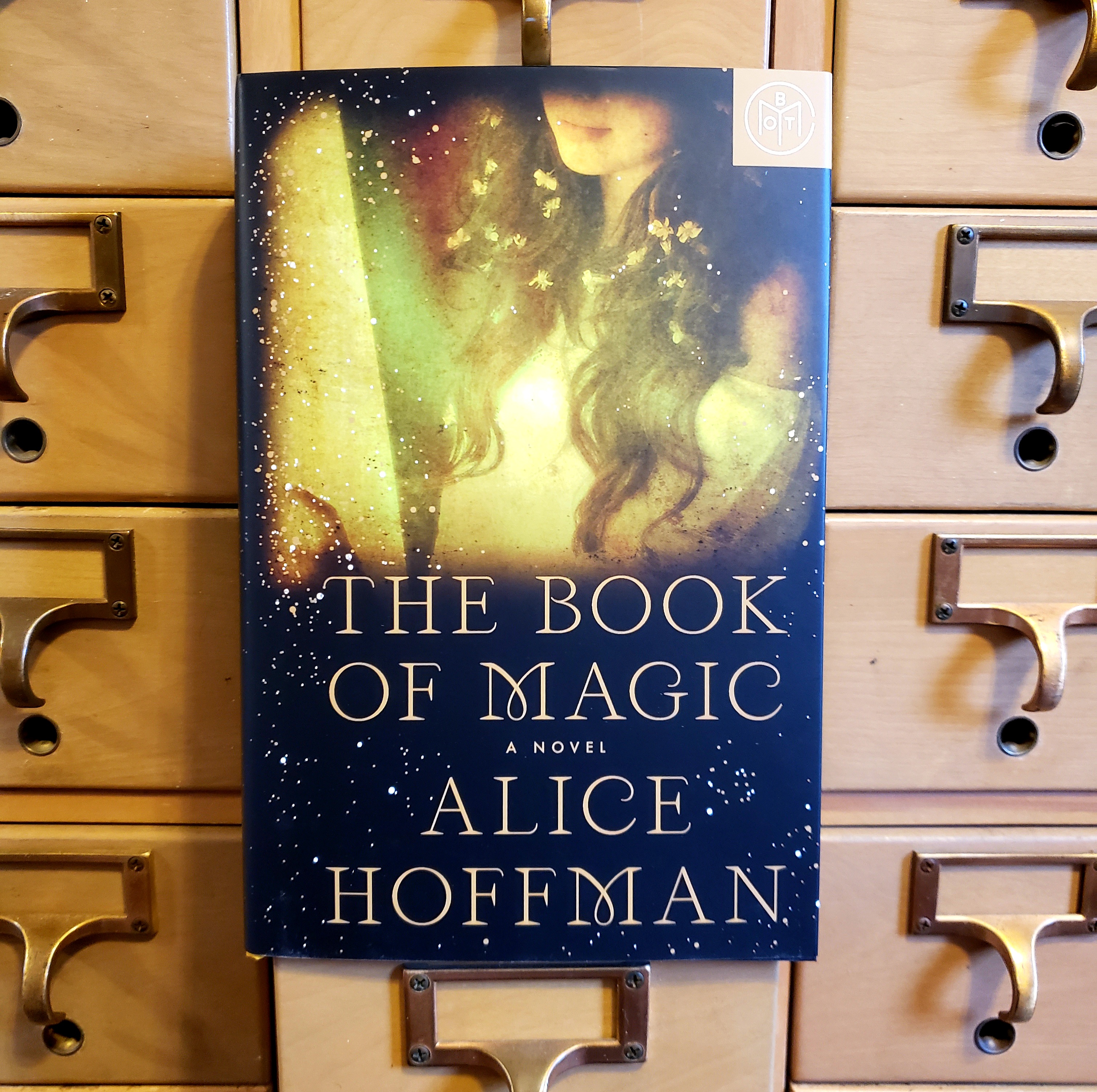
- ** The Book of Magic (2021):** The epic conclusion that unites three generations of Owens women—and their long-lost relatives—in a global quest from Massachusetts to Paris and England to break the ancestral curse once and for all.
In The Book of Magic, Hoffman synthesizes all the thematic threads introduced across twenty-six years of writing. Reviews praised the book for providing emotional closure to long-standing character arcs, particularly emphasizing the bonds between mothers, daughters, and sisters. Critical consensus confirmed that the quadrology stands as a landmark achievement in modern magical realism, demonstrating how family trauma can be reframed and healed through collective strength and unconditional love.
Core Magical Motifs in Hoffman’s Writing: How Her Magic Works
To understand the reviews and reader enthusiasm surrounding Alice Hoffman’s books, one must examine the specific mechanics and aesthetics of her magic. Hoffman does not use high-fantasy worldbuilding; instead, her magic is grounded in daily domesticity, natural phenomena, and emotional truth.
Botanical Lore and Natural Symbiosis
Plants, herbs, and flowers are integral to Hoffman's worldbuilding. Characters frequently communicate through floral arrangements, brew teas with psychological effects, or maintain gardens that respond directly to emotional states. Rosemary is invoked for remembrance, foxglove for boundary-setting, and lavender for tranquility. This grounded botanical magic makes her stories feel tangible and deeply rooted in earthly traditions.
Ancestral Curses and Inherited Memory
Magic in Hoffman’s novels often functions as an allegory for inherited trauma and family secrets. The Owens curse in the Practical Magic series directly mirrors how fear of heartbreak can ruin relationships across generations. Characters must confront their lineage and accept their vulnerability to strip these curses of their power.
Animal Companions and Omens
Heron sightings, ravens, black cats, toad spirits, and swarms of butterflies frequently signal shifts in fate within Hoffman's narratives. These creatures act as guardians or messengers between the natural world and the realm of human desire, reinforcing the idea that humanity exists within a larger, interconnected web of life.
Domestic Enchantment and Everyday Spells
In a Hoffman novel, cooking dinner, washing hair, or sewing a garment can become a magical act when performed with focused intention. Magic is not presented as an elite gift reserved for a few, but as an innate human capacity tied to love, grief, and intuition.
Critical Reception & Review Synthesis: What Reviewers Say
Literary reviews of Alice Hoffman’s recent works from outlets like Kirkus Reviews, Publishers Weekly, and major national news publications reveal consistent patterns in how critics evaluate her magical fiction.
CRITICAL CONSENSUS MATRIX
| PRAISED ASPECTS | CRITIQUED ELEMENTS |
|---|---|
| • Lyrical, atmospheric prose style | • Coincidental plot resolutions |
| • Deep emotional resonance and warmth | • Occasional reliance on dream logic |
| • Meticulous integration of history | • Structural pacing in middle chapters |
| • Empowering depiction of female bonds | • Pervasive melancholic tone |
Lush, Atmospheric Prose
Critics consistently highlight Hoffman’s sensory language. Her descriptions of smell, light, weather, and texture create an immersive atmosphere that allows fantastical events to feel plausible. Reviewers frequently note that her prose reads like an extended fairy tale adapted for adult sensibilities.
Nuanced Exploration of Grief and Resilience
Rather than using magic as a convenient plot device to bypass hardship, Hoffman uses it to illuminate how human beings cope with loss. Major reviews of The World That We Knew (which incorporates a Golem into Nazi-occupied France) and The Invisible Hour applaud her willingness to place magical elements alongside dark historical realities, proving that hope can endure in desperate circumstances.
Structural Pacing and Coincidence
When reviewers offer constructive criticism, it typically focuses on plot structure. Some critics note that her reliance on fateful coincidences, sudden premonitions, or convenient magical discoveries can occasionally diminish narrative tension. However, most reviewers concede that within the conventions of magical realism and fable-style storytelling, these stylistic choices fit the overarching tone.
Comparative Guide to Alice Hoffman’s Recent Magical Novels
The following table provides a direct comparison of Alice Hoffman’s primary magical fiction releases, detailing their core magic types, historical settings, central themes, and ideal target audiences.
| Book Title | Release Year | Primary Magic Type | Setting / Time Period | Central Themes | Ideal Reader Profile |
|---|---|---|---|---|---|
| The Invisible Hour | 2023 | Literary time-slip, book enchantment | Western MA & Concord (1830s / Modern) | Freedom of thought, mother-daughter bonds, love of books | Fans of literary history, time travel, and stories about reading |
| The Book of Magic | 2021 | Spells, botanical lore, bloodline curses | Massachusetts, London, Paris (Contemporary) | Healing family trauma, sisterhood, ultimate sacrifice | Readers finishing the Owens family saga (Practical Magic) |
| Magic Lessons | 2020 | Traditional witchcraft, herbalism, elemental magic | England, Caribbean, Salem (1600s) | Survival, origins of prejudice, maternal love | Lovers of historical fiction and Salem witch trial lore |
| The World That We Knew | 2019 | Jewish mysticism, creation of a Golem, nature magic | France & Germany (WWII era) | Resilience against evil, loss of innocence, duty of protection | Readers seeking dark historical realism mixed with folklore |
| The Rules of Magic | 2017 | Domestic enchantments, family curse dynamics | New York City & MA (1960s–1970s) | Coming of age, self-acceptance, doomed romance | Fans of 1960s nostalgia, family sagas, and sister dynamics |
Frequently Asked Questions About Alice Hoffman’s Magical Books
What is Alice Hoffman's latest book release?
Alice Hoffman's major recent adult novel centered on magical realism is The Invisible Hour (2023). She has also published middle-grade fiction such as The Museum of Lost and Found (2023), continuing her work across adult and young reader categories.
Do I need to read the Practical Magic series in publication order or chronological order?
You can read the series in either order. Publication order (Practical Magic, The Rules of Magic, Magic Lessons, The Book of Magic) allows you to see how Hoffman expanded her universe over time. Chronological order (Magic Lessons, The Rules of Magic, Practical Magic, The Book of Magic) provides a seamless, linear history of the Owens family curse from 1600s Salem to the present day.
Is The Invisible Hour connected to the Practical Magic series?
No, The Invisible Hour is a standalone novel. It features entirely new characters and focuses on literary time magic and personal liberation, making it accessible to readers who have not read the Owens family books.
How does Alice Hoffman define magical realism in her fiction?
Hoffman approaches magical realism by treating enchantment as a natural extension of everyday life. In her novels, emotional states, love, and grief manifest in physical ways—such as unusual weather patterns, unseasonal blooms, or intuitive knowledge—grounding the magical elements within deep human experiences.
What are the main thematic elements in Alice Hoffman’s reviews?
Reviewers frequently praise Hoffman’s rich atmosphere, strong female characters, atmospheric prose, and sensitive treatment of grief and family relationships. Critiques occasionally mention a reliance on fateful coincidences, though most reviewers view this as a natural feature of her fable-like storytelling.
Recommended Next Steps for Exploring Hoffman’s Universe
To dive into Alice Hoffman’s magic effectively, choose an entry point based on your preferred reading experience:
- For absolute beginners to her writing: Start with Practical Magic to experience her most iconic story, or pick up The Invisible Hour if you prefer a standalone novel focused on the power of literature.
- For historical fiction enthusiasts: Begin with Magic Lessons, which delivers a detailed look at 17th-century colonial life, herbal remedies, and the social dynamics that fueled the Salem witch trials.
- For readers seeking deep emotional drama during historical crises: Select The World That We Knew, which balances the harsh realities of WWII with mystical elements derived from Jewish folklore.
- For complete series engagement: Commit to reading the full Owens family saga in chronological order, ending with The Book of Magic to experience the complete narrative arc of the lineage across four centuries.
By selecting the title that matches your favorite sub-genre—whether historical fiction, contemporary family saga, or literary time-slip—you can fully appreciate how Hoffman weaves enchantment into human stories.