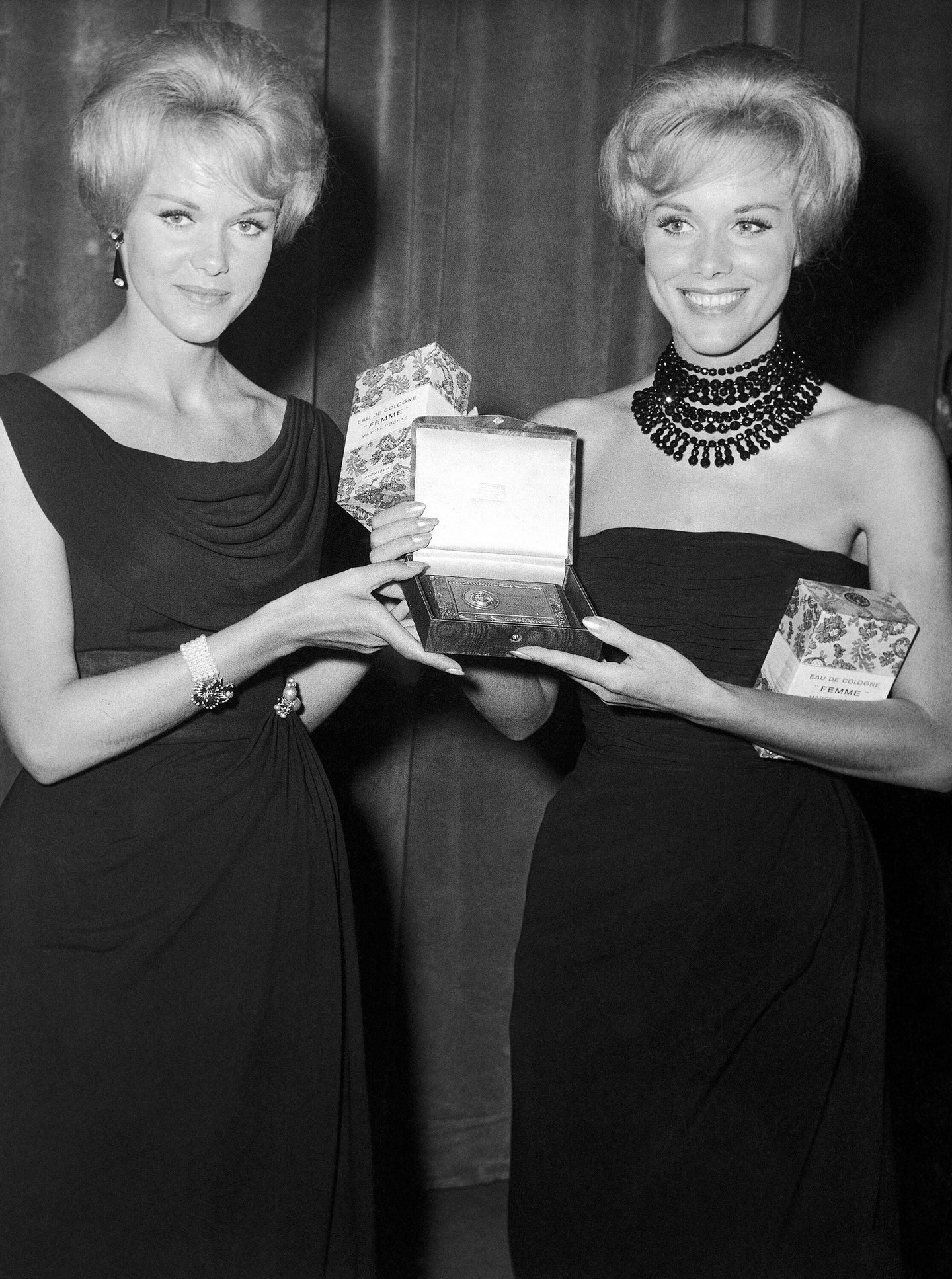
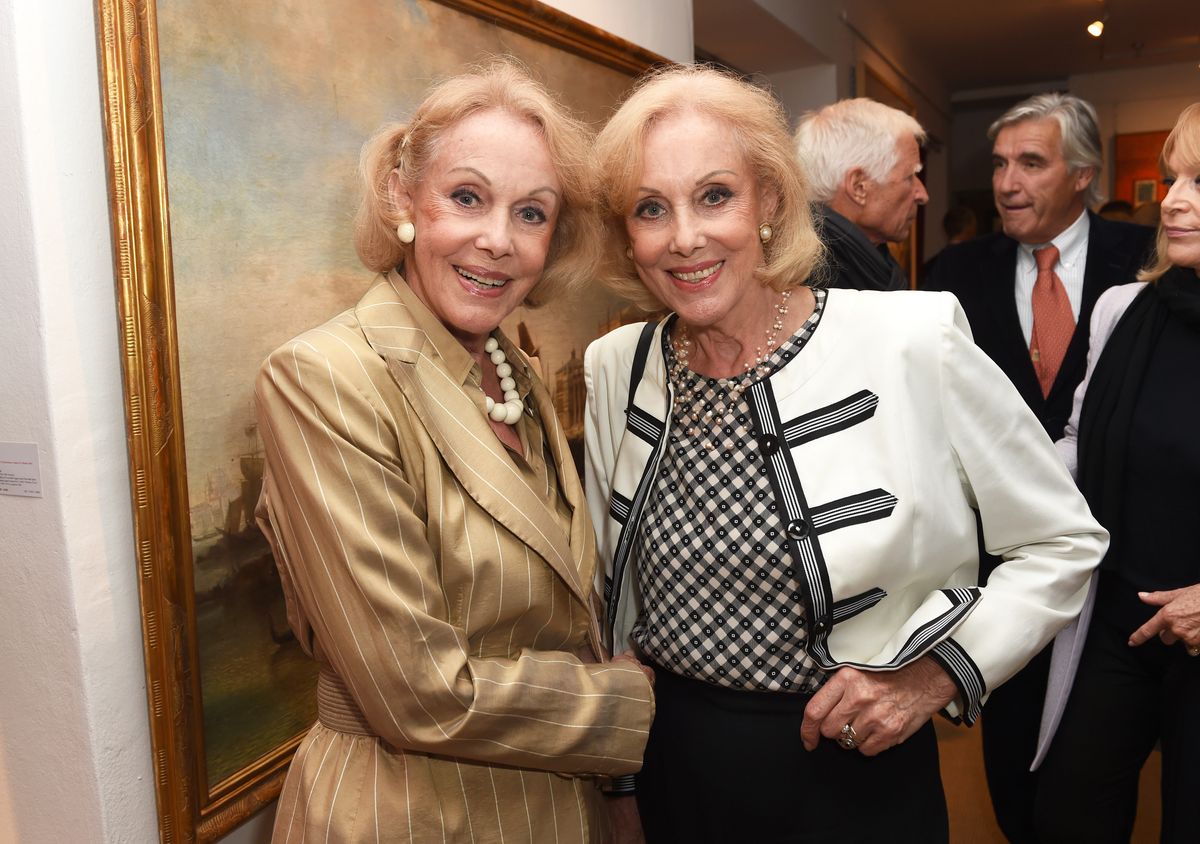
Alice and Ellen Kessler hold an estimated combined net worth of $5 million to $10 million (approximately €4.5 million to €9 million). Their joint fortune stems from a six-decade career across Europe and the United States as dancers, singers, and actresses, bolstered by prime real estate holdings in Grünwald, Germany, and ongoing performance royalties.
Financial Overview: Estimated Net Worth of Alice and Ellen Kessler
The combined net worth of Alice and Ellen Kessler represents one of the most enduring financial legacies in European post-war entertainment. Born on August 20, 1936, in Nerchau, Saxony, the identical twin sisters built an international empire across Germany, France, Italy, and North America. Unlike contemporary pop stars whose wealth is predominantly generated through modern streaming algorithms and social media sponsorships, the Kessler twins accumulated their assets through traditional theatrical contracts, broadcast television retainers, recording performance fees, and prudent property investments.
Financial aggregators and industry analysts estimate their shared fortune at $5 million to $10 million. Because the sisters have operated as a unified business entity throughout their professional lives—sharing bank accounts, management, performance fees, and real estate properties—their wealth is evaluated jointly rather than individually.
| Component | Value |
|---|---|
| Real Estate (Grünwald Villa Estate) | ~€3.0M - €5.0M |
| Cash Reserves & Investment Portfolios | ~€1.5M - €3.0M |
| Music, TV & Film Royalties (Annual) | ~€50,000 - €100,000 |
| Total Estimated Combined Net Worth | $5.0M - $10.0M (~€4.5M - €9.0M) |
The sustainability of their net worth over several decades is attributed to their low-debt lifestyle, disciplined financial administration, and the continuous value appreciation of prime West German real estate acquired during the peak of their careers in the late 20th century.
Breakdown of Career Revenue Streams
To understand how the Kessler twins accumulated their multi-million-dollar fortune, it is necessary to examine the primary revenue channels that funded their joint balance sheet across their active performing years from the 1950s through the 2010s.
Paris Cabaret and International Stage Career
The foundation of the twins' wealth was established in 1955 when they were recruited by Pierre Louis-Guérin to join the famous Lido de Paris cabaret show. Performing at the Lido provided the young duo with stable, high-yield salaries denominated in French francs, moving them beyond the economic austerity of post-war Germany.
Their five-year tenure at the Lido established their international brand as premier variety entertainers, enabling them to command top-tier performance fees for live theater engagements across Western Europe. Stage revue contracts in Paris, London, and Las Vegas during the late 1950s and 1960s offered lucrative weekly guarantees, establishing the cash reserves that financed their early investment portfolios.
Italian Television Supremacy and Music Royalties
In 1961, Alice and Ellen Kessler relocated their primary career focus to Italy, becoming national icons on Italian public broadcasting (RAI). Their appearance on the hit variety series Studio Uno catapulted them to peak commercial earnings in Southern Europe.
- Television Retainers: As central stars of Italian variety television throughout the 1960s and 1970s, the sisters negotiated exclusive broadcast contracts that placed them among the highest-paid female variety acts in European television.
- Discography Royalties: The twins recorded numerous hit singles in Italian and German. Tracks such as "Da-da-un-pa" (the theme song for Studio Uno) and "La notte è piccola" generated substantial record sales and ongoing broadcast performing rights royalties collected through rights management societies like SIAE in Italy and GEMA in Germany.
- Eurovision 1959: Representing Germany in the 1959 Eurovision Song Contest with "Heute Abend wollen wir tanzen seh'n" (placing 8th) cemented their marketability across all European broadcast territories, boosting their record distribution rights.
Film Appearances and Global Tour Receipts
Between 1955 and 1980, the Kessler twins appeared in more than 30 feature films and television movies across France, Germany, Italy, and the United States. Highlights included roles in The Beggar Student (1956), French Riviera (1962), and the Hollywood production Sodom and Gomorrah (1962).
Beyond screen acting, global variety tours in the United States—including featured appearances on The Ed Sullivan Show and guest spots alongside stars like Frank Sinatra, Dean Martin, and Fred Astaire—yielded substantial foreign earnings. These international tours were managed with rigorous financial oversight, allowing the sisters to convert short-term tour guarantees into long-term capital investments.
Real Estate Holdings and Property Valuations
The single largest tangible component of Alice and Ellen Kessler's net worth is their residential real estate in Germany.
For decades, the sisters have resided together in a custom-built villa in Grünwald, an exclusive municipal borough located south of Munich, Bavaria. Grünwald is recognized as one of Germany's most expensive residential areas, home to prominent business executives, media moguls, and international celebrities.
| Feature | Details |
|---|---|
| Location | Grünwald (Munich Outer Borough), Bavaria |
| Acquisition Period | Late 1960s / Early 1970s |
| Property Type | Dual-Occupancy Villa / Single-Parcel Estate |
| Estimated Market Value | €3.0 Million – €5.0 Million |
| Value Growth Driver | High land scarcity, Munich suburbs equity growth |
Acquired during the 1960s and tailored into a shared residence divided into mirror-image living spaces, the property has appreciated dramatically over the past half-century. Real estate valuations in Grünwald regularly exceed €8,000 to €12,000 per square meter for established residential plots. The sisters' home represents an estimated €3 million to €5 million in unencumbered real estate equity, forming the core anchor of their overall asset net worth.
Financial Breakdown of the Kessler Sisters' Entertainment Career
The following table summarizes the key financial epochs, primary income sources, and asset accumulation phases throughout Alice and Ellen Kessler's professional lifespan.
| Career Epoch | Primary Location | Key Income Drivers | Financial Impact & Equity Building |
|---|---|---|---|
| 1952–1954 | West Germany (Düsseldorf) | Palladium theater revue chorus dancing | Initial solvency following flight from East Germany; basic income cover. |
| 1955–1960 | France & Global | Lido de Paris principal contracts, Eurovision 1959 | Establishment of core capital; transition to high international performance fees. |
| 1961–1975 | Italy & West Germany | RAI TV retainers (Studio Uno), single releases, film roles | Peak lifetime earnings; music royalties; acquisition of Grünwald real estate parcel. |
| 1976–1995 | Western Europe & US | Theater revues, musical tours, Italian TV guest appearances | Diversification into fixed-income securities and property improvements. |
| 1996–Present | Germany | Legacy performance rights, broadcast syndication, catalog royalties | Capital preservation, real estate appreciation, structured estate planning. |
Estate Planning and Philanthropic Legacy
A defining aspect of Alice and Ellen Kessler's current financial profile is their deliberate approach to estate planning and asset disbursement. Having never married and having no direct descendants, the twin sisters have maintained a legally binding joint will designed to govern their combined wealth.
In public disclosures covered by German media outlets, the sisters confirmed that their entire joint estate—including the financial proceeds from the eventual sale of their Grünwald villa, remaining cash accounts, and intellectual property rights—is designated to benefit charitable causes.
- Primary Beneficiary: The principal recipient of their joint estate is the international medical humanitarian organization Médecins Sans Frontières (Doctors Without Borders / Ärzte ohne Grenzen).
- Secondary Legacy Provisions: A portion of their estate assets has also been earmarked to support animal welfare organizations in Germany and Italy.
This structured philanthropic estate plan ensures that their multi-million-dollar fortune will be liquidated and transferred directly to humanitarian work rather than becoming subject to extended probate disputes or fragmented heir distributions.
Frequently Asked Questions About Alice and Ellen Kessler's Wealth
What is the combined net worth of Alice and Ellen Kessler?
Alice and Ellen Kessler have an estimated combined net worth between $5 million and $10 million (approximately €4.5 million to €9 million). Their wealth consists primarily of prime real estate in Grünwald near Munich, accumulated savings, and media royalties.
Did Alice and Ellen Kessler earn their wealth individually or jointly?
The Kessler twins operated as a joint business entity throughout their six-decade career. They pooled all income from stage, film, television, and recording contracts, sharing joint ownership of bank accounts, investments, and residential properties.
What is the value of the Kessler sisters' house in Grünwald?
The sisters' dual-occupancy villa in Grünwald, Bavaria, is estimated to be worth between €3 million and €5 million, based on prevailing land prices and property values in the Munich suburban luxury market.
Do Alice and Ellen Kessler still receive royalties from their career?
Yes. The sisters receive ongoing performance and mechanical royalties collected by European rights management organizations (such as GEMA in Germany and SIAE in Italy) for radio broadcasts, television reruns, and sales of their music catalog and film appearances.
Who will inherit the net worth of Alice and Ellen Kessler?
The Kessler twins have executed a joint testament directing that their combined estate be donated to charity upon their passing, with the humanitarian medical organization Médecins Sans Frontières (Doctors Without Borders) named as the primary beneficiary.
How did the Kessler twins manage their money during their career peak?
The sisters relied on conservative asset management, focusing on debt-free living, long-term real estate acquisitions in West Germany, and secure investment funds rather than high-risk commercial ventures.
Evaluating Celebrity Wealth and Vintage Entertainment Estates
When assessing the financial status of historic entertainment figures like the Kessler twins, evaluating net worth requires a different analytical lens than modern celebrity finance. Vintage entertainment fortunes depend heavily on asset preservation, real estate appreciation, and sovereign estate laws rather than public stock options or digital brand monetization.
For researchers, entertainment historians, and media analysts assessing legacy performer valuations, the following verification steps provide a clear evaluation framework:
- Distinguish Gross Earnings from Equity Valuation: Historic performance fees must be adjusted against period currency values, tax burdens, and real estate conversion rates to establish accurate present-day equity.
- Verify Real Estate Registry Context: High-value residential holdings in European luxury enclaves (such as Grünwald, Monaco, or Lugano) often represent 50% to 70% of an unencumbered vintage estate's net value.
- Review Rights Management Mechanics: Rights derived from mid-20th-century broadcast contracts vary significantly depending on national copyright laws, master recording ownership, and regional broadcast syndication terms.
- Examine Official Will and Trust Disclosures: In jurisdictions operating under European civil law, formal announcements regarding estate beneficiaries offer the clearest indication of total liquidatable asset value.
Alice and Ellen Kessler's financial legacy stands as a model of prudent wealth management within the European entertainment industry, transitioning mid-century international stardom into enduring real estate equity and structured philanthropic impact.