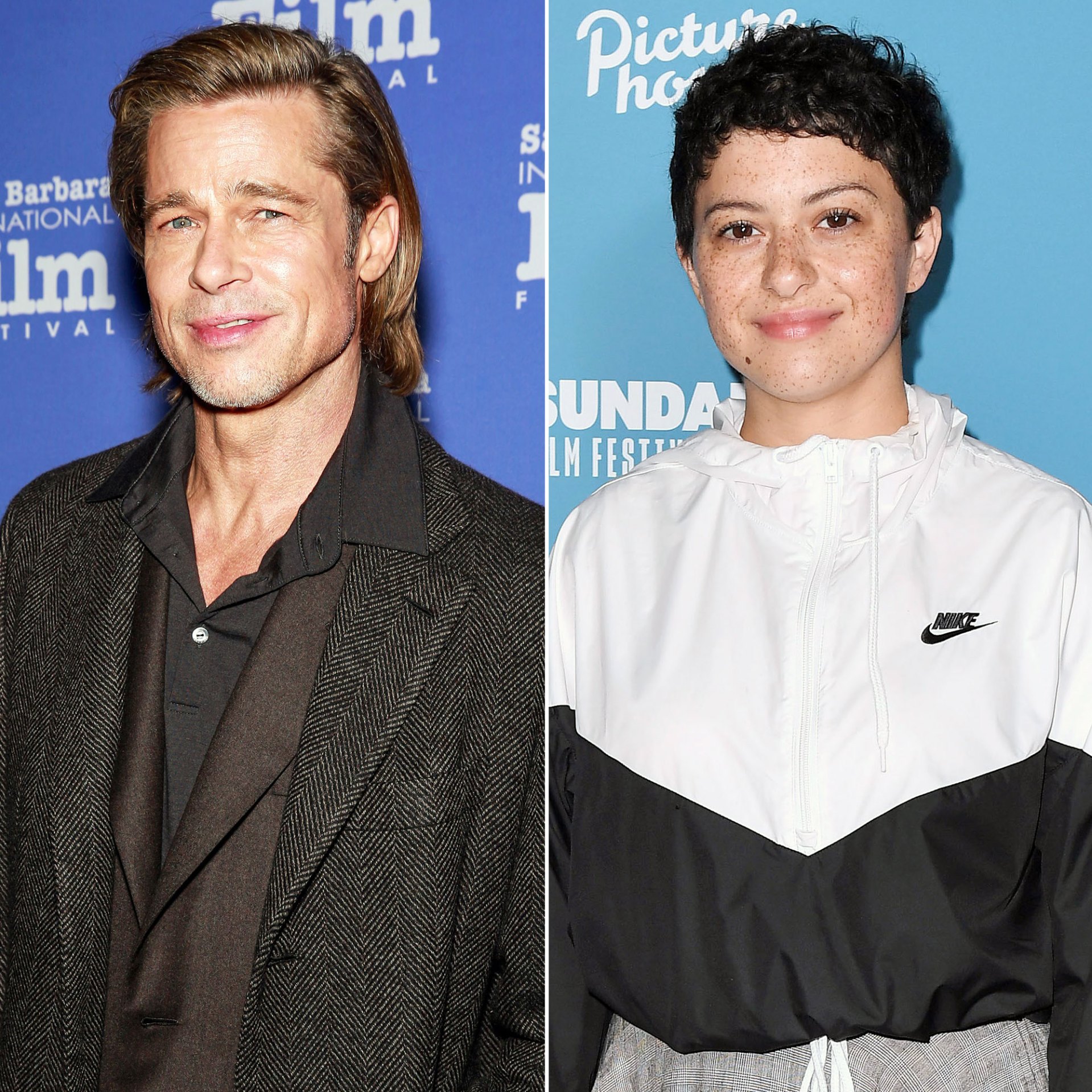
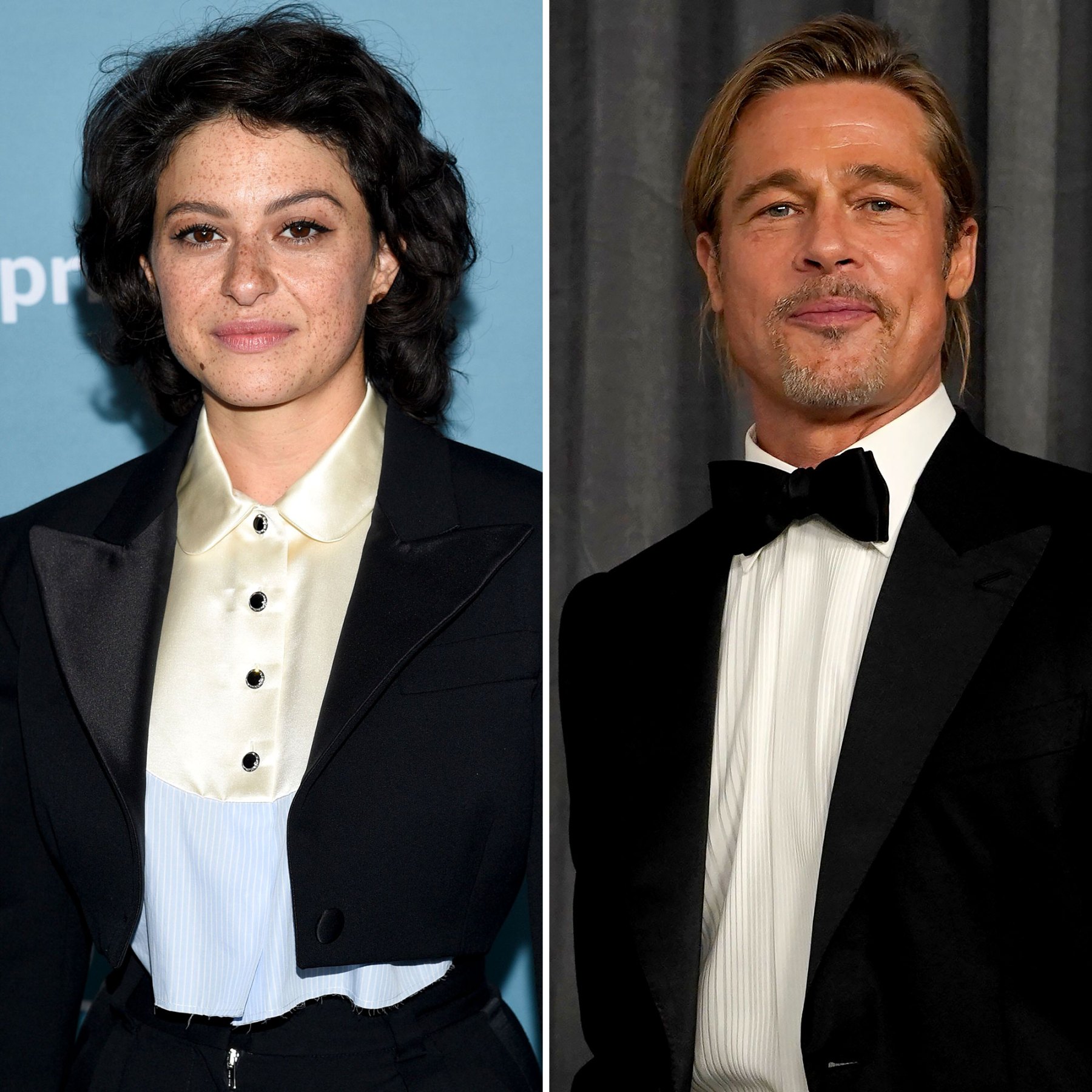
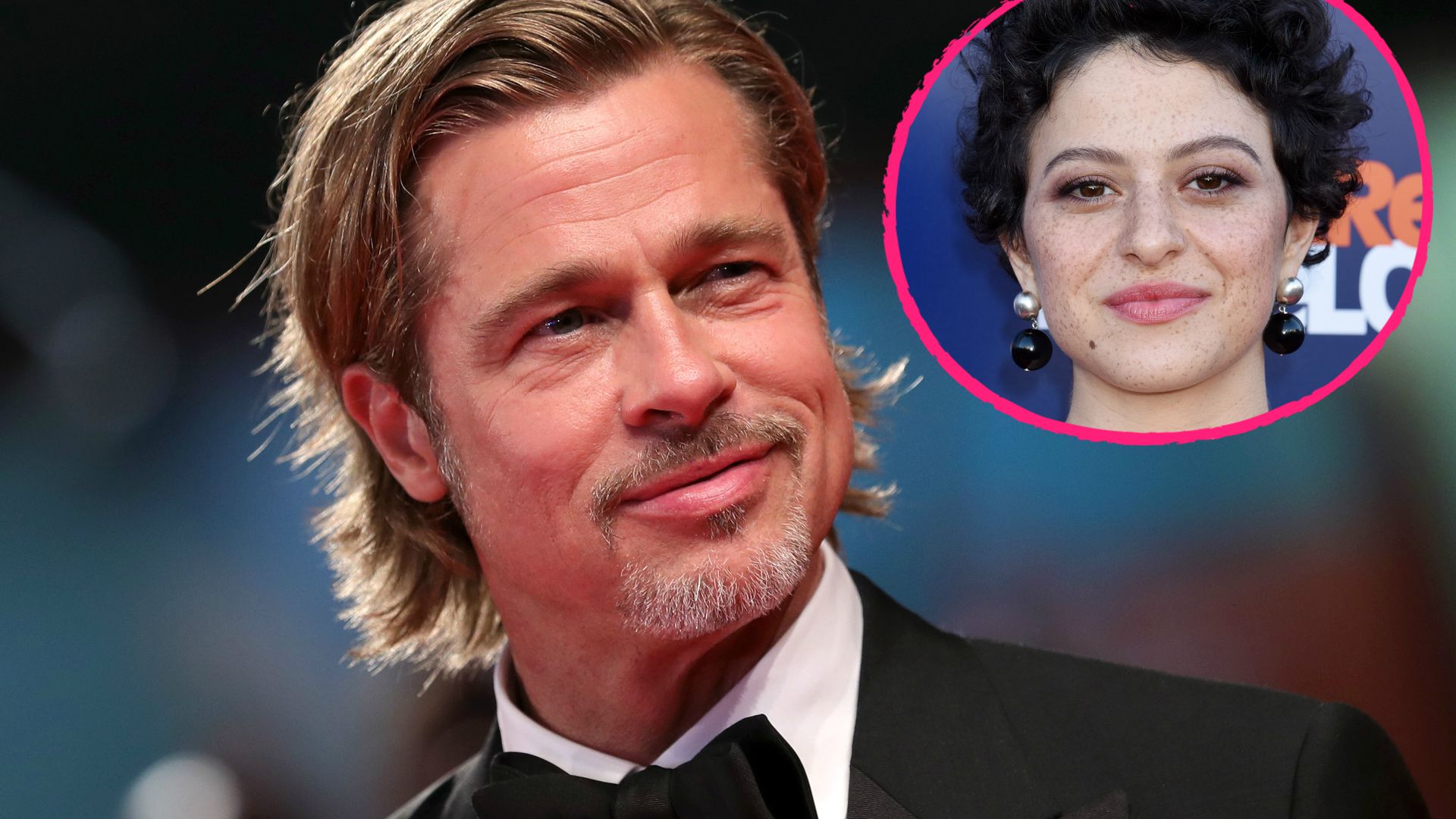
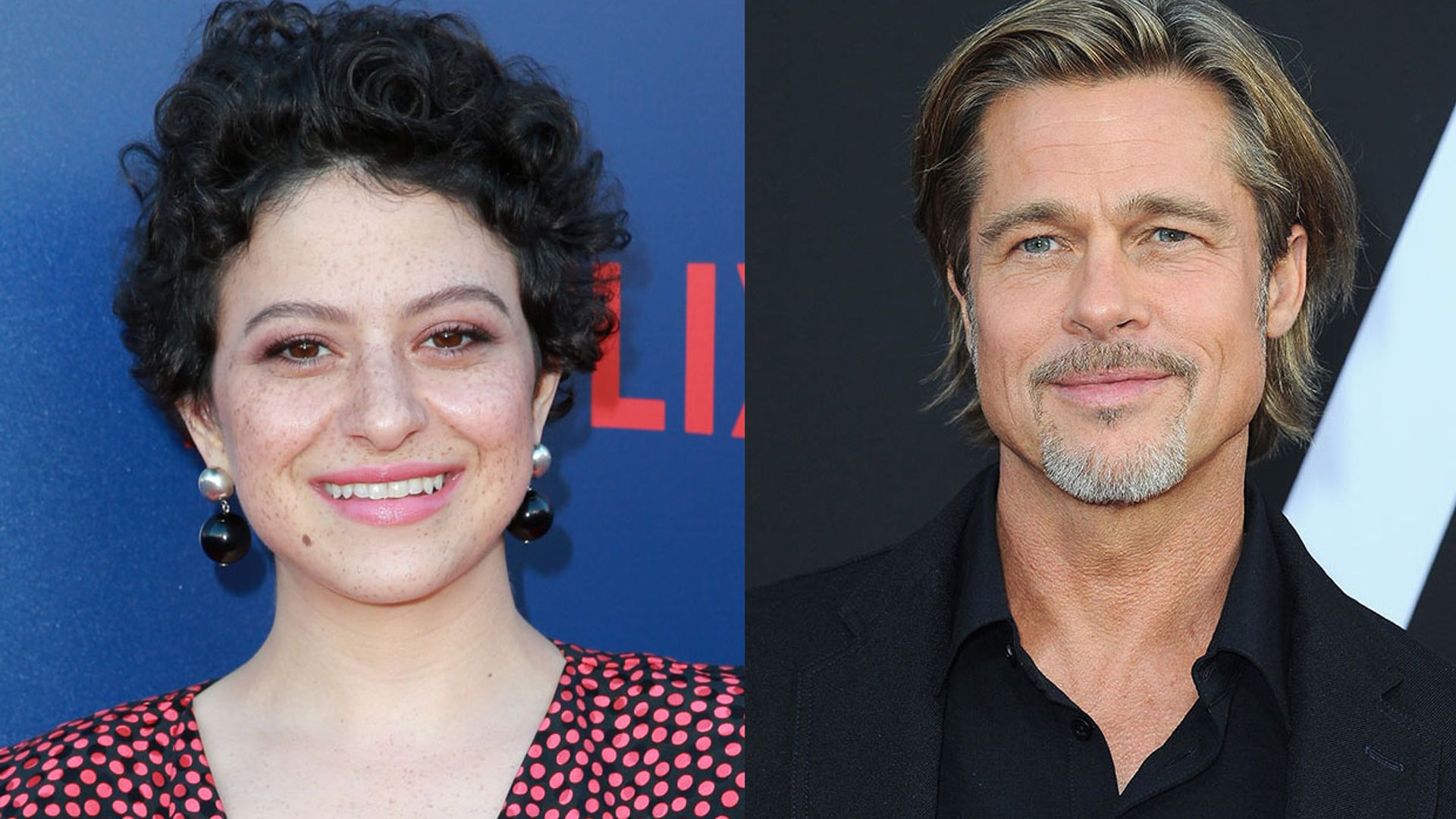
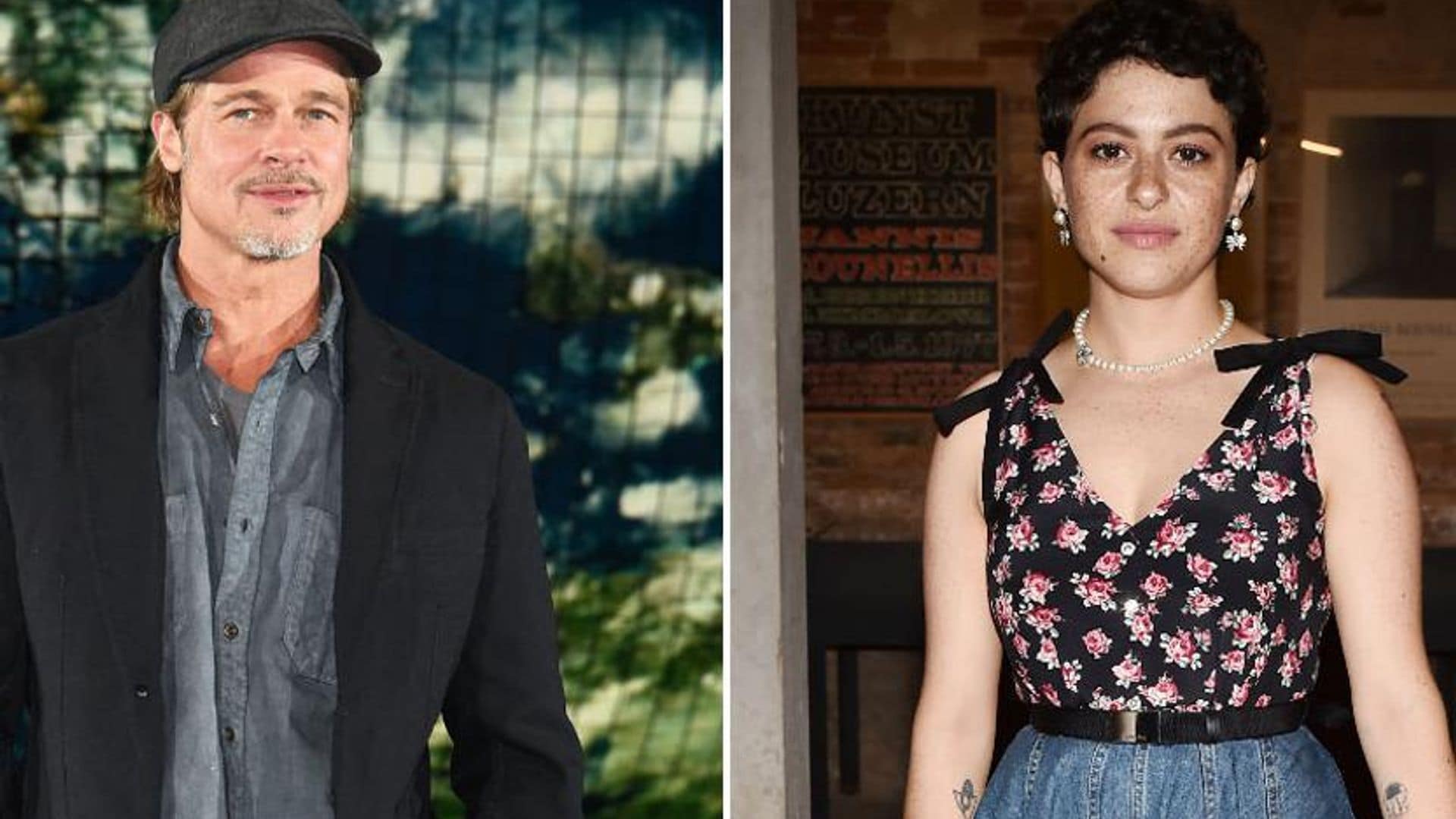
The unexpected public connection between actors Alia Shawkat and Brad Pitt in late 2019 and 2020 ignited intense international media speculation, transforming a simple platonic friendship between two visual arts enthusiasts into a high-profile tabloid narrative. This phenomenon illustrated how modern celebrity journalism reframes cross-gender artistic friendships within Hollywood while showcasing how established performers navigate sudden invasions of privacy.
The Spark of Curiosity: How an Artistic Connection Became a Media Sensation
In late 2019, paparazzi photos and social media posts began documenting public outings featuring Oscar-winning actor Brad Pitt and acclaimed actress and artist Alia Shawkat. The pair was observed attending a range of cultural events across Los Angeles, including an art exhibition at the Wilding Cran Gallery, a comedy show, and performance arts events such as Kanye West’s opera at the Hollywood Bowl. Because Pitt was one of the most heavily scrutinized figures in global entertainment following his high-profile divorce, any public appearance with a female companion was immediately seized upon by entertainment outlets worldwide.
What made the pairing particularly intriguing to the public was the stark contrast in their traditional Hollywood profiles. Brad Pitt represented the classic Hollywood A-list leading man—a household name associated with blockbuster cinema, major red-carpet events, and multi-decade tabloid coverage. Alia Shawkat, by contrast, had built a distinct, critically revered career rooted in sharp comedy, independent film, and television projects. Best known for her iconic role as Maeby Fünke in Arrested Development and her lead performance as Dory Sief in the satirical thriller series Search Party, Shawkat was celebrated within industry circles as an actor's actor and a multi-hyphenate artist rather than a traditional red-carpet celebrity.
The media instantly dubbed the pairing an unexpected Hollywood duet. Within days of their first joint gallery sighting, major gossip outlets published speculative headlines framing their interaction as a budding romance. This immediate romantic framing reflected a long-standing entertainment media pattern: the assumption that private interactions between men and women in the film industry must inevitably stem from romantic intent rather than shared intellectual or creative interests.
Behind the Headlines: Shared Passions for Visual Arts and Creative Expression
Far from the romantic narrative constructed by tabloids, the foundation of the connection between Pitt and Shawkat was grounded in the Los Angeles visual arts scene. Both individuals share a deep, long-standing commitment to fine art, fine sculpting, and painting—passions that exist alongside their onscreen acting careers.
In the years following his work on Once Upon a Time in Hollywood, Pitt publicly discussed spending significant time in art studios, learning sculpting techniques under the mentorship of artist Thomas Houseago. Pitt turned to physical art as a reflective, meditative outlet, spending long hours working with clay, plaster, and wood. Shawkat, similarly, has maintained a parallel career as a visual artist for over a decade. Her paintings and illustrations have been exhibited in galleries in Los Angeles, New York, and Mexico City, and her artistic identity is deeply woven into her creative lifestyle.
Their mutual circle of fine arts collaborators naturally brought them into contact. Within the studio environments and gallery spaces of Los Angeles, actors, painters, sculptors, and musicians regularly cross paths.
- Shared Creative Outlets: Both performers utilize visual arts to balance the intense public scrutiny and collaborative nature of film sets.
- Mutual Acquaintances: Their introduction occurred organically through mutual friends operating within the Southern California arts scene rather than industry-arranged public relations events.
- Artistic Dialogue: The relationship offered both actors a space to discuss fine art, creative processes, and personal projects outside the commercial pressures of Hollywood studio filmmaking.
By focusing exclusively on the potential for romantic gossip, mainstream media coverage obscured the genuine, creative peer relationship existing between two working artists who shared niche cultural interests.
Navigating Unwanted Attention: Alia Shawkat on the Reality of Sudden Tabloid Fame
Despite having worked continuously in television and film since childhood, Shawkat experienced a dramatic shift in public privacy when her name became linked to Pitt's in global headlines. In subsequent interviews—most notably a candid conversation with Vulture in mid-2020—Shawkat detailed the sudden, disorienting impact of tabloid attention on her daily life.
Paparazzi began lurking outside her Los Angeles home, following her vehicle, and snapping unscripted photographs during ordinary errands. Family members sent her photos of magazine covers featuring her image alongside speculative headlines. Shawkat noted the surreal nature of the experience: despite having amassed a rich filmography across two decades of high-level acting, she was suddenly being introduced to a passive global audience purely through the lens of who she was allegedly dating.
"It came on like a weird studio energy... All my friends were like, 'What is happening?' and sending me photos. I was just overwhelmed. It's that feeling of being naked in school." — Reflection on sudden tabloid exposure during interview coverage
When Shawkat brought the media frenzy to Pitt's attention, he responded with sympathetic humor, acknowledging the bizarre, uncontrolled ecosystem of celebrity gossip that had surrounded his life for decades. Pitt explained that such coverage was an unavoidable byproduct of his level of public exposure and advised her not to engage with or validate the media circus. Shawkat publicly clarified that their relationship was entirely platonic, bringing a straightforward, grounded perspective to a story that had been heavily exaggerated by international media outlets.
Comparative Overview: Media Framing vs. Reality
To understand how celebrity journalism distorts platonic interactions between high-profile figures, it is helpful to examine the divergence between tabloid narratives and verified facts regarding the Pitt-Shawkat dynamic.
| Metric / Aspect | Tabloid Media Framing | Verified Reality & Artist Perspective |
|---|---|---|
| Relationship Status | Romantic courtship / secret dating | Purely platonic friendship and mutual artistic peer group |
| Origin of Connection | VIP Hollywood dating circles | Mutual connections within the Los Angeles fine art community |
| Primary Interaction | High-profile celebrity dates | Viewing gallery openings, art studios, and comedy shows |
| Artist Response | Silence interpreted as confirmation | Direct, candid denial by Shawkat in major profile interviews |
| Media Impact | Click-driven gossip headlines | Unwanted privacy invasion and paparazzi tracking of an indie actor |
| Long-Term Context | Short-lived romantic rumor cycle | Sustained individual creative focus on fine art and cinema |
Broader Lessons on Hollywood Fame, Platonic Bonds, and Public Perception
The widespread fascination with the Pitt-Shawkat dynamic highlights several persistent mechanisms within modern entertainment culture:
1. The Erasure of Male-Female Platonic Friendships
Mainstream entertainment commentary frequently operates under a binary framework where private interactions between men and women are presumed to be romantic. This framing trivializes professional and artistic camaraderie, particularly for women in the entertainment industry whose identities are often flattened into romantic interests within media narratives.
2. The Intrigue of Contrast
Media outlets capitalized heavily on the perceived contrast between Pitt’s status as a global movie star and Shawkat’s identity as an unconventional, avant-garde actor-artist. Hollywood narratives thrive on unexpected pairings, using aesthetic and career contrasts to build engaging headlines for casual readers.
3. The Power of Direct Communication
Shawkat’s handling of the situation provided a model for navigating modern celebrity journalism. Rather than allowing public relations representatives to issue vague statements, her clear, humorous, and direct responses in long-form journalism effectively deflated the rumor mill, restoring focus to her acting work in projects like Search Party and Being the Ricardos.
Frequently Asked Questions
Were Brad Pitt and Alia Shawkat ever romantically involved?
No. Both parties clarified that their relationship was strictly platonic. Alia Shawkat explicitly confirmed in interviews that they were friends who shared a mutual interest in the visual arts and were never dating.
How did Brad Pitt and Alia Shawkat originally meet?
They were introduced through mutual friends within the Los Angeles visual arts community. Both actors share a strong passion for fine art, painting, and sculpture, which led to them attending gallery openings and art events within the same social circle.
How did Alia Shawkat react to the intense media scrutiny?
Shawkat described the sudden tabloid attention as overwhelming and surreal. Having built a career based on her craft rather than celebrity gossip, she found the presence of paparazzi outside her home and constant cover-story speculation disorienting, though she managed it by maintaining a sense of humor and publicly setting the record straight.
Did the tabloid coverage impact Alia Shawkat's creative work?
While the invasion of privacy was inconvenient, it did not derail her artistic career. Shawkat continued to write, produce, paint, and star in acclaimed film and television projects, including leading five seasons of Search Party and expanding her visual arts exhibitions.
Why did their friendship draw more media attention than typical celebrity sightings?
The extreme contrast between Brad Pitt’s status as one of the world's biggest movie stars and Alia Shawkat’s reputation as an independent, art-house actor made the pairing an unexpected story for tabloids, which amplified public intrigue.
Navigating Public Identity as an Independent Artist
The episode between Alia Shawkat and Brad Pitt serves as an illuminating case study in how modern fame operates. For artists operating within high-visibility industries, maintaining personal boundaries while preserving authentic creative connections requires clear communication and resilience against external commentary.
For members of the public and media consumers, the situation underscores the value of approaching celebrity media narratives with healthy skepticism. Recognizing that headlines are designed to maximize engagement rather than reflect nuanced reality allows audiences to appreciate actors for their actual creative contributions—their performances, visual art, and storytelling—rather than the speculative stories spun around their personal lives.